
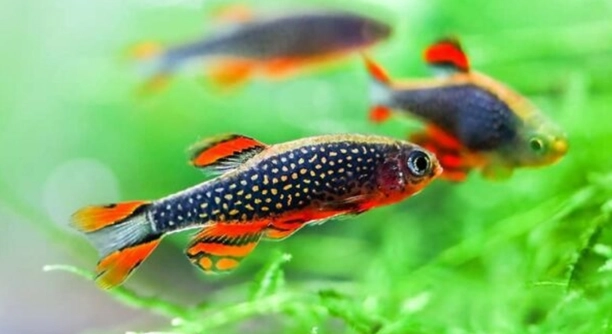
Have you ever noticed your aquarium seems quieter at night, yet full of subtle activity? Many fish show different behaviors once the lights dim, and observing them can reveal patterns you might otherwise miss entirely.
Danios display distinct nighttime behaviors that can be recorded with careful observation. Their swimming patterns, resting locations, feeding tendencies, and social interactions shift noticeably after dark, providing valuable insights into their habits and overall wellbeing in captivity.
These simple observations offer a clearer understanding of your tank’s ecosystem, helping improve care while highlighting behaviors often overlooked during the day.
Observing Swimming Patterns at Night
Danios tend to change their swimming habits once the lights go out. During the day, they may dart around the tank, exploring and interacting with decorations or other fish. At night, their movement becomes calmer and more deliberate. You may notice some hovering near the surface, while others stick close to plants or the bottom. Watching these patterns can help identify their preferred resting areas and how they distribute themselves in the tank. Adjusting tank elements like hiding spots or plant density can improve comfort and reduce stress. Observing at different times of the night may reveal variations in activity, showing that these fish have internal rhythms. Recording these behaviors can be useful for monitoring health or detecting early signs of illness. Nighttime swimming behavior can also provide clues about social hierarchy, as more dominant fish may occupy prime spots, while others seek safety in corners or among decorations.
Noting these changes in swimming patterns helps improve tank design and fish wellbeing by ensuring their nocturnal preferences are met.
Understanding swimming patterns at night allows for better insight into Danios’ needs. Some fish prefer open spaces while others linger in shaded areas. By paying attention, you can adjust decorations, lighting, and water flow to match their preferences. This helps reduce stress and encourages natural behavior. Observing how they move in groups versus alone reveals social tendencies. Nighttime can show hidden interactions that aren’t visible during the day. These observations can guide feeding schedules or tank maintenance to align with their activity cycles. Keeping a simple log of these behaviors over several nights helps track consistency and detect changes that could indicate health issues. Small adjustments based on these observations can lead to a healthier, more balanced aquarium, giving the fish a habitat that meets both their daytime and nighttime needs.
Feeding Behavior in Low Light
Danios often adjust their feeding habits at night, eating smaller amounts more cautiously.
Feeding at night may reveal which fish are more assertive or shy. Observing their approach to food can guide portioning and placement to ensure all fish are nourished. Timing feedings with their natural activity cycles can improve digestion and reduce waste. Some fish may only eat when others are active, while others nibble quietly in hidden spots. Using gentle lighting can help monitor feeding without disturbing natural behavior. Noting these patterns helps create a consistent feeding schedule that respects their nocturnal routines, ensuring healthier and less stressed fish overall. Proper observation and adjustment can lead to a calmer tank environment and more predictable feeding habits.
These patterns often differ from daytime feeding. Dominant fish may control food sources, while less aggressive individuals wait or eat in secluded areas. Observing how Danios feed at night can uncover subtle social dynamics. Timing and method of food presentation matter, as sudden light changes or large portions may disrupt their routine. Consistent monitoring allows for adjustments in diet and portion sizes, reducing leftover food that can impact water quality. Nighttime feeding behavior also reveals their comfort with human presence, tank layout, and water conditions. Noticing these patterns helps improve overall tank management. Ensuring all fish have access to food reduces competition and stress. Observing feeding habits over time can indicate health issues, such as reduced appetite or unusual behavior. By aligning feeding practices with natural tendencies, you promote healthier growth, better energy distribution, and a more balanced aquatic environment, fostering a stable and harmonious tank dynamic.
Resting Spots and Hiding Places
Danios often choose specific areas to rest at night. They may tuck into plants, under decorations, or along the tank’s edges. Observing these spots can show which areas make them feel secure and which zones are avoided, helping adjust the tank layout for comfort.
Some Danios prefer densely planted regions where they feel protected, while others rest near open areas to maintain awareness of their surroundings. Noticing where each fish settles allows you to identify individual preferences. Providing multiple resting spots reduces competition and stress. Adjusting the tank’s layout with caves, plants, and driftwood ensures they have safe areas that suit different temperaments. Over time, this observation helps maintain harmony, as dominant fish may claim prime spots while others retreat to less exposed areas. Monitoring these behaviors nightly can also reveal changes that indicate illness or discomfort.
Observing their night hiding behavior also informs lighting choices and tank maintenance. Dim lighting or a low-level night light can keep fish calm while allowing you to monitor activity. Regularly checking whether resting spots remain suitable, free of debris or algae buildup, ensures fish comfort. Overcrowded or poorly placed hiding spots may lead to stress, territorial disputes, or uneven access to shelter. By noting preferred areas, you can optimize plant density, decoration placement, and even water flow. Encouraging multiple resting spots promotes natural behavior and supports mental wellbeing. Adjusting based on observation allows you to create a balanced environment that suits both shy and bold individuals.
Social Interactions After Dark
Danios display subtle social behaviors at night that are less visible during the day. These include gentle nudging, following, or brief displays of dominance among tankmates, reflecting group dynamics. Observing these interactions can reveal hierarchy and compatibility within the school.
At night, interactions are usually calmer, with less chasing or aggression. Some fish maintain distance while others cluster together. Observing these behaviors helps identify social bonds and stress points. Dominant fish often take preferred resting spots, while shy individuals seek safer corners. Social interactions can shift as lighting or tank conditions change, and monitoring them allows early detection of potential conflicts. Keeping track over several nights shows patterns in behavior and hierarchy, enabling better tank management.
These nighttime social behaviors provide insight into group cohesion and individual personalities. Fish that remain isolated may be shy or stressed, while clustered individuals indicate comfort and trust. Differences in activity levels can reflect age, health, or temperament. Adjusting tank design to accommodate social preferences—such as adding hiding spots for solitary fish and open areas for groups—reduces tension. Observing gentle nudges or short chases helps you understand energy distribution and dominance relationships. Monitoring social interactions also informs feeding strategies, ensuring all fish have access to food without undue stress. Over time, this careful observation strengthens the overall stability and balance of the aquarium.
Light Sensitivity
Danios react strongly to changes in light, even at night. Sudden bright lights can startle them, causing rapid swimming or hiding. Maintaining consistent, low-level lighting during nighttime observation helps minimize stress while allowing their natural behaviors to be noticed.
Some Danios may linger near shaded areas or decorations to avoid direct light. Others adjust by moving slowly and cautiously, showing a preference for dimmer regions. Understanding these tendencies allows for better tank setup and safer observation conditions. Low-intensity night lights can support their natural rhythm without interfering with rest or feeding patterns.
Bubble and Surface Behavior
Danios sometimes interact with the water surface at night, creating small bubbles or surfacing quietly. This behavior often relates to oxygen intake or curiosity about water conditions. Tracking these actions can indicate comfort levels and overall tank health.
Nocturnal Energy Levels
At night, Danios usually reduce their energy but remain occasionally active. Some may swim slowly, while others explore corners or follow tankmates. Recording these activity levels helps identify patterns, such as when feeding or rest cycles occur. Monitoring energy changes also assists in detecting early signs of stress or illness.
Resting Group Formation
Danios often form small groups while resting, huddling near plants or decorations. Observing these clusters reveals social comfort zones and preferred tank areas for calm periods.
How do I observe Danios at night without disturbing them?
Using low-level lighting or a dim night light is best. Avoid turning on bright room lights suddenly, as this can startle them and cause stress. Observing from a distance or using a red light helps maintain natural behavior while still allowing you to see their movements.
Why do some Danios swim more at night while others hide?
Individual temperament and social hierarchy influence activity. Bold or dominant fish often explore the tank, while shy or stressed individuals prefer hiding spots. Age, health, and energy levels also affect nighttime movement. Consistent observation helps identify which fish are active and which need more secure spaces.
What are common nighttime resting spots?
Danios often rest among plants, near tank edges, or under decorations. They select areas offering protection and a sense of security. Providing multiple options reduces competition and stress. Observing where they rest can guide adjustments to plant placement, decoration, or hiding spaces.
How do Danios feed at night?
Nighttime feeding differs from daytime. Some Danios nibble quietly in hidden areas, while others are more assertive. Offering small, evenly distributed portions prevents dominant fish from monopolizing food. Gentle lighting ensures you can monitor feeding without disrupting their natural behavior.
Why do Danios create bubbles or surface at night?
Surfacing or bubble formation often relates to oxygen intake or curiosity about water conditions. Occasional surface activity is normal, but sudden or excessive surfacing may indicate low oxygen levels or water quality issues that need attention. Monitoring these behaviors helps maintain a healthy tank environment.
Do social interactions change at night?
Yes. Nighttime interactions are generally calmer than daytime. Fish may gently follow, nudge, or cluster together, revealing group dynamics and hierarchy. Observing these patterns helps understand compatibility, stress points, and the distribution of dominant and shy individuals in the tank.
Can changes in nighttime behavior indicate health issues?
Yes. Reduced activity, unusual hiding spots, or sudden aggression can signal stress, illness, or discomfort. Regular monitoring allows early detection of problems. Noticing subtle changes in swimming, feeding, or social behavior provides insight into overall wellbeing and helps prevent more serious issues.
Should I adjust tank lighting for night observations?
Low-intensity lighting supports nocturnal observation without disturbing natural rhythms. Red or blue lights are less stressful than standard white light. Consistency in lighting schedules helps Danios maintain their internal clocks, promoting natural swimming, resting, and feeding patterns.
How often should I observe Danios at night?
Observing multiple nights across a week gives a clearer picture of behavior patterns. Short observation periods are sufficient, focusing on swimming, feeding, and social interactions. Consistent monitoring helps identify trends and detect changes that may require adjustments in tank setup or care.
Do all Danios behave the same at night?
No. Individual fish display different energy levels, resting preferences, and social behaviors. Some are bold explorers, while others are cautious and remain hidden. Recognizing these differences ensures each fish’s needs are met and helps create a balanced, stress-free tank environment.
How can I improve tank conditions based on nighttime observations?
Adjusting decorations, plant placement, lighting, and feeding routines according to observed behaviors can reduce stress and support natural activity. Ensuring multiple resting spots, sufficient oxygen, and low-stress feeding areas improves overall comfort. Monitoring over time allows fine-tuning for a healthier, more balanced tank.
Are nighttime observations necessary if the tank seems fine during the day?
Yes. Nighttime reveals subtle behaviors that daytime observation may miss, such as resting spots, social dynamics, or low-level stress. These observations help maintain long-term health and comfort, ensuring that fish thrive in their environment even when activity seems normal during the day.
What tools help with nighttime observation?
Dim lights, red LEDs, or night-vision cameras are effective. Avoid direct bright lights. A small notebook or digital log helps track patterns in swimming, feeding, resting, and social behavior, providing valuable data for improving tank management.
Can nighttime activity affect feeding schedules?
Yes. Observing when fish are most active at night can guide feeding times. Providing food when they are naturally awake ensures better consumption, reduces waste, and supports digestion. Adjusting portions based on observed activity also promotes a healthier, less stressed school.
Is it normal for Danios to be less active at night?
Yes. Most Danios reduce activity to conserve energy but remain occasionally active. Some explore quietly, others rest in clusters. Observing this variation provides insight into individual behavior and helps maintain a tank environment that aligns with their natural rhythms.
How long should I observe Danios each night?
Short sessions of 10–15 minutes are sufficient to note behavior changes. Longer observations may stress the fish if lights or movement are involved. Repeated nightly checks over several days offer a reliable understanding of patterns and potential issues without causing disruption.
What changes should prompt closer attention?
Sudden aggression, excessive hiding, reduced feeding, or unusual swimming patterns indicate stress or health concerns. Noticing deviations from typical nighttime behavior allows early intervention, whether adjusting tank conditions, checking water quality, or seeking expert advice to maintain wellbeing.
Can nighttime observations help with breeding?
Yes. Observing interactions, energy levels, and preferred resting areas at night can reveal compatible pairs and optimal conditions for spawning. Understanding nocturnal behaviors helps create a supportive environment, increasing the likelihood of successful breeding.
Are nighttime behaviors the same in all tanks?
No. Tank size, decoration, plant density, water flow, and lighting all influence behavior. Each tank has unique conditions affecting resting spots, swimming patterns, and social interactions. Observations should be tailored to the specific setup to accurately interpret behaviors and make adjustments.
Does temperature affect nighttime activity?
Yes. Slight variations in water temperature can increase or decrease activity. Cooler water may slow swimming and feeding, while warmer water may encourage exploration. Maintaining a stable, appropriate temperature ensures consistent behavior and reduces stress during nighttime hours.
Should I record my observations?
Recording behaviors nightly is helpful. A simple log of swimming patterns, resting spots, feeding, and social interactions allows for tracking changes, identifying potential problems, and making informed adjustments to tank care, ensuring healthier, happier Danios over time.
How can nighttime observations improve overall care?
They provide insights into preferences, energy levels, social dynamics, and health. Adjusting feeding, lighting, decorations, and resting areas based on these observations promotes natural behavior, reduces stress, and ensures a balanced environment for all fish. Consistent monitoring supports long-term wellbeing.
Are some Danios more active than others at night?
Yes. Individual differences in personality, health, and age affect activity. Some may explore while others remain hidden. Understanding these differences helps provide appropriate resting spots, feeding access, and social balance to accommodate every fish in the tank.
Do Danios interact with other species differently at night?
Interactions often become calmer. Fish may avoid confrontation or cluster more closely, depending on species compatibility. Observing nighttime behavior helps prevent conflicts and ensures that all species in a community tank coexist comfortably, particularly in low-light conditions.
Can nighttime behavior indicate environmental problems?
Yes. Sudden or unusual activity, such as frantic swimming or prolonged hiding, can indicate poor water quality, low oxygen, or inappropriate temperature. Monitoring these behaviors allows early detection of environmental issues before they affect health.
Do Danios ever sleep at night?
Yes. Danios enter restful states with reduced activity, though they remain alert to surroundings. Observing where and how they rest helps provide safe areas and ensures the tank layout meets their nighttime comfort needs.
How does group size affect nighttime behavior?
Larger schools often display more clustering, while smaller groups may have more scattered resting patterns. Observing these differences helps manage tank population and ensure adequate space and hiding areas for all individuals.
Can nighttime observations help identify stress triggers?
Yes. Patterns such as frequent hiding, avoidance of certain areas, or disrupted group formation can reveal stressors like bright lights, poor water conditions, or aggressive tankmates. Early identification allows timely adjustments to improve wellbeing.
Is it necessary to adjust water flow at night?
Moderate flow is generally preferred. Strong currents may stress resting fish, while stagnant water can reduce oxygen. Observing movement and clustering patterns helps determine the ideal flow that balances comfort and water quality.
Do Danios show different behaviors on weekends or during human activity?
Some fish may react to nearby movement, noise, or vibrations, even at night. Monitoring during quieter periods reveals natural behavior unaffected by human presence, helping establish accurate patterns for care and feeding routines.
Can nighttime observation help with long-term health tracking?
Yes. Consistent tracking of swimming, feeding, and social behavior provides early indicators of health changes. Noting deviations from typical patterns enables proactive care and adjustments, reducing the risk of illness or stress-related problems.
What is the best way to log nighttime behavior?
Use a simple notebook or digital spreadsheet to track swimming, resting, feeding, and social interactions. Include date, time, and specific observations. Over weeks, patterns emerge that inform tank setup, feeding schedules, and general care strategies for healthier fish.
How long should these logs be kept?
Keeping records for several months allows for comparison across seasons and changes in tank conditions. Long-term logs help identify recurring patterns, seasonal behavior changes, and gradual health trends, providing valuable insight for ongoing care.
Do Danios change behavior if the tank is too bright at night?
Yes. Excessive light can cause stress, hiding, or frantic movement. Maintaining dim lighting during nighttime observation preserves natural behavior and reduces the risk of stress-related issues, supporting overall wellbeing.
How can I encourage natural nighttime behavior?
Providing multiple resting areas, gentle lighting, stable temperature, and consistent feeding routines encourages natural behavior. Observing their activity patterns allows adjustments that align the environment with their innate preferences, ensuring a calmer, healthier tank.
Are nighttime observations useful for troubleshooting tank issues?
Absolutely. Patterns such as reduced movement, excessive hiding, or unusual surface activity may indicate water quality, temperature, or social problems. Early detection through observation allows timely intervention, maintaining a balanced and healthy aquarium environment.
Can nighttime activity affect breeding or spawning?
Yes. Observing interactions, energy levels, and preferred resting areas at night can indicate readiness to breed. Adjusting tank conditions based on these behaviors improves comfort and increases the likelihood of successful spawning.
Do Danios react differently to artificial decorations at night?
Yes. Fish may avoid certain objects or use them as hiding spots. Observing nighttime interaction with decorations informs placement and density, improving comfort and reducing stress while maintaining natural behavior patterns.
How does water temperature influence resting spots?
Slightly cooler areas may attract resting fish, while warmer zones encourage exploration. Observing preferences helps fine-tune temperature settings and tank layout for optimal comfort and energy distribution among Danios.
Can nighttime observation detect early disease signs?
Yes. Changes in swimming, feeding, hiding, or social behavior may indicate illness. Monitoring these patterns at night provides early warning, allowing intervention before conditions worsen, supporting overall tank health and longevity.
Should nighttime behavior influence tank maintenance timing?
Yes. Observing peak activity periods can guide feeding, cleaning, and water changes to minimize disruption. Aligning maintenance with natural rhythms reduces stress and ensures that the environment remains suitable for resting and active fish.
Do Danios communicate differently at night?
Subtle nudges, clustering, or following behavior may be more visible. Nighttime communication helps maintain social bonds and hierarchy. Monitoring these interactions ensures group cohesion and supports calmer, less stressed tank conditions.
Are there signs of stress specific to nighttime?
Frequent hiding, erratic swimming, refusal to feed, or avoiding preferred resting spots are indicators. Recognizing these signs allows for adjustments in lighting, decorations, or social groupings to reduce stress and support wellbeing.
Can nighttime observations improve feeding efficiency?
Yes. Timing feeding with natural activity cycles ensures better consumption, reduces waste, and supports digestion. Observing which fish are active or hungry helps provide food to all individuals evenly, promoting health and reducing competition.
How important is consistency in nighttime conditions?
Consistency in light, temperature, and tank layout supports natural behavior and reduces stress. Sudden changes can disrupt resting, swimming, and social patterns, so observing responses to the environment helps maintain stability.
Can nighttime observation reveal personality differences?
Yes. Some fish are bold and active, others cautious and hidden. Recognizing these differences ensures proper resting spots, feeding access, and social balance, supporting all fish regardless of temperament.
Do Danios sleep in clusters or alone?
They often form small groups, especially in safe, sheltered areas. Observing cluster formation indicates social comfort and preferred resting spots, helping optimize tank layout for both social and solitary individuals.
Are changes in bubble behavior a concern?
Occasional surface bubbles are normal. Persistent or excessive surfacing may indicate low oxygen or water quality issues. Monitoring patterns helps identify environmental problems early, allowing corrective measures to maintain healthy conditions.
Does tank size affect nighttime behavior?
Yes. Larger tanks allow more choice in resting spots and reduce conflicts, while smaller tanks may increase competition for hiding areas. Observing how fish interact in the available space helps guide stocking levels and decoration placement.
Can nighttime observation help with aggressive behavior management?
Yes. Monitoring subtle dominance displays, chasing, or nudging at night provides insight into hierarchy and stress points. Adjusting tank layout or groupings can reduce aggression and support a calmer environment.
Is nighttime observation necessary for all Danio tanks?
While not mandatory, it provides valuable insights into resting, social, feeding, and health patterns that daytime observation alone may miss. Regular checks improve long-term wellbeing and help detect problems early.
Do external noises affect nighttime behavior?
Yes. Sudden sounds, vibrations, or movements may startle fish, causing hiding or frantic swimming. Observing behavior in quiet conditions reveals natural patterns and helps identify environmental stressors.
Can nighttime observation reveal compatibility in community tanks?
Yes. Observing interactions with other species at night shows comfort levels, potential conflicts, and social dynamics. This information guides tank arrangement and population management to maintain harmony.
How long should nighttime observations continue for reliable patterns?
Consistent monitoring over several weeks provides a clear understanding of resting, swimming, feeding, and social behavior patterns. Short, regular sessions allow accurate data collection without stressing the fish.
Are there differences in behavior between males and females?
Yes. Males may be more active or display dominance, while females may prefer more secluded spots. Observing these differences ensures both genders have suitable resting and feeding areas, reducing stress and supporting natural behavior.
Can nighttime observations guide water flow adjustments?
Yes. Observing preferred resting areas and swimming patterns helps determine ideal flow. Moderate, consistent currents support natural movement and reduce stress, while avoiding areas where fish cluster or hide excessively.
Do Danios interact with tank mates differently at night?
Interactions are generally calmer. Clustering, gentle nudging, and following behavior are common. Observing these interactions ensures social balance and helps prevent aggression or isolation in community tanks.
Can nighttime activity patterns predict daytime behavior?
Yes. Active or stressed fish at night may exhibit similar tendencies during the day. Recognizing these patterns helps anticipate needs for feeding, resting spots, or social adjustments to maintain balance.
Is nighttime observation useful for adjusting plant and decoration placement?
Yes. Observing preferred hiding and resting spots informs plant density, decoration arrangement, and open space creation. Proper placement improves comfort, reduces stress, and encourages natural behavior.
Does water quality influence nighttime behavior?
Absolutely. Poor water quality can increase hiding, reduce activity, or cause frantic swimming. Observing nighttime responses helps detect issues early, prompting timely water tests and adjustments for healthier conditions.
How does tank lighting schedule affect behavior?
Consistent lighting supports natural circadian rhythms, influencing rest, swimming, and feeding. Sudden changes or irregular schedules can disrupt patterns, so observation helps maintain stable conditions aligned with natural cycles.
Do Danios show signs of aging at night?
Yes. Older fish may reduce activity, seek sheltered resting spots, or feed more slowly. Observing these changes helps adjust care, feeding, and tank setup to accommodate aging individuals.
Can nighttime observation detect early aggression?
Yes. Subtle chasing, nudging, or dominance displays at night can indicate potential conflicts. Early detection allows intervention, such as rearranging hiding spots, adjusting lighting, or modifying group composition.
Do Danios interact with aquarium equipment at night?
Some may explore near filters, heaters, or aeration points, while others avoid them. Observing these interactions ensures equipment placement does not interfere with resting or swimming areas.
Are some Danios more vocal or reactive at night?
Yes. Subtle splashes, nudges, or movement responses can vary. Observing these behaviors provides insight into stress, curiosity, or social interaction levels, informing tank management and adjustments.
Can nighttime observations influence diet planning?
Yes. Understanding when fish are most active guides portion sizes, timing, and type of food offered. Adjusting feeding to align with natural rhythms improves consumption, digestion, and overall health.
Is it normal for Danios to switch resting spots?
Yes. Some fish vary locations nightly depending on comfort, social hierarchy, or light levels. Observing these shifts helps optimize hiding areas and ensures all fish feel secure.
Do nocturnal patterns differ between young and adult Danios?
Yes. Younger fish may be more active or explore more, while adults may prefer sheltered spots. Recognizing these differences helps provide suitable resting and feeding conditions for all age groups.
How important is nighttime observation for new tanks?
Crucial. Monitoring how fish settle, rest, and interact at night helps detect stress, compatibility issues, or layout adjustments early. This ensures a smoother transition for new inhabitants and establishes baseline behavior patterns.
Can observing Danios at night prevent long-term health issues?
Yes. Early detection of abnormal swimming, hiding, feeding, or social behavior allows intervention before problems escalate, maintaining long-term wellbeing and a stable tank environment.
Do Danios prefer specific water zones at night?
Yes. Some favor surface areas, others mid-level or bottom regions. Observing these preferences informs tank layout, hiding spots, and water flow adjustments, ensuring comfort and reduced stress.
Can nighttime behavior predict growth or development?
Yes. Active, well-fed fish that rest appropriately typically show consistent growth. Observing energy levels, feeding patterns, and resting habits provides insight into development and overall health.
Is tracking social clusters at night useful?
Yes. Noting which fish group together reveals bonds, hierarchy, and comfort zones. This helps prevent aggression and ensures all fish have access to resting areas and hiding spots.
Do Danios respond to external vibrations at night?
Yes. Sudden noise or movement can cause hiding or frantic swimming. Observing behavior under calm conditions provides a more accurate understanding of natural nocturnal patterns.
Can nighttime observation guide aquarium cleaning schedules?
Yes. Monitoring active and resting periods helps schedule cleaning to minimize disturbance, reducing stress and maintaining stable conditions for the fish.
**
Observing Danios at night provides valuable insight into their natural behavior and overall wellbeing. Unlike daytime activity, which can be more energetic and visible, nighttime behaviors often reveal subtler patterns in swimming, resting, feeding, and social interactions. Paying attention to these details helps create a tank environment that meets their needs, reduces stress, and encourages natural behavior. Noticing where Danios prefer to rest, how they interact with tankmates, and their responses to light or decorations can inform adjustments to tank layout, lighting, and feeding schedules, ultimately improving their quality of life. Nighttime observation also helps identify early signs of health issues, such as changes in activity, unusual hiding patterns, or irregular feeding behavior, which may otherwise go unnoticed during the day.
Providing proper conditions for nighttime behavior is as important as daytime care. Danios need secure hiding spots, low-stress areas, and consistent lighting to feel safe while resting. Plants, decorations, and gentle water flow contribute to a comfortable environment where each fish can find a suitable resting place. Observing their preferences can guide placement of decorations and plants, ensuring all fish, whether bold or shy, have access to secure areas. Nighttime behavior often highlights differences between individuals, including temperament, energy levels, and social hierarchy. Recognizing these differences allows for adjustments in tank management that reduce conflict and promote balance within the school. Over time, small modifications based on observations can lead to a calmer, healthier aquarium where fish thrive both day and night.
Consistent monitoring of Danios at night provides long-term benefits for care and management. Recording observations of resting locations, swimming patterns, feeding habits, and social behavior helps track trends and detect subtle changes that may indicate stress, illness, or environmental problems. Adjusting tank conditions based on these observations ensures a stable and supportive environment for all inhabitants. Nighttime observation is also a tool for enhancing feeding efficiency, preventing overcrowding, and supporting social harmony, particularly in community tanks. By understanding their nocturnal preferences, caretakers can better meet each fish’s needs, promoting a balanced, stress-free, and healthy habitat. Overall, dedicating time to watch Danios after lights go out strengthens understanding of their behavior and supports long-term wellbeing.

Hello,
If you enjoy the content that we create, please consider saying a "Thank You!" by leaving a tip.
Every little bit helps us continue crafting quality advice that supports the health, happiness, and well-being of pets around the world, for pets of all shapes, sizes, and species.
We really appreciate the kindness and support that you show us!