
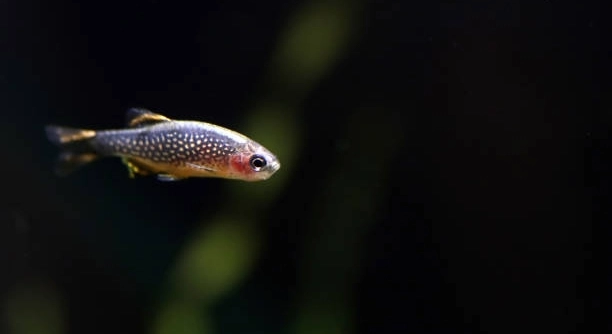
Observing your Danios can be both relaxing and intriguing, especially when their movements change throughout the day. These small fish display a variety of behaviors that often reflect their current mood and comfort level in the tank.
Danios communicate their emotional states primarily through movement patterns. Rapid darting or constant swimming may indicate excitement or stress, while slow, deliberate gliding often reflects calmness. Recognizing these behaviors allows for improved care and understanding of their well-being.
Learning to spot these subtle differences can enhance your interaction with your fish and create a more harmonious aquarium environment.
Rapid Darting
Rapid darting is one of the most noticeable behaviors in Danios. When they move quickly across the tank, it can signal excitement, stress, or a sudden reaction to changes in their environment. This behavior often occurs after feeding, during interactions with tankmates, or when the fish detects movement outside the aquarium. Rapid darting may appear chaotic, but it is a normal part of their activity. However, consistent frantic swimming without apparent reason can indicate that something in the tank is causing discomfort. Common triggers include sudden temperature changes, overcrowding, or water quality issues. Observing when and how often this behavior occurs helps determine whether it is a temporary response or a sign of a persistent problem. Adjusting the environment and monitoring tank conditions can significantly reduce unnecessary stress, helping Danios remain healthy and more predictable in their movements. It is important to balance their need for activity with a stable and safe habitat.
This behavior is typically a natural response but can sometimes point to environmental stressors. Watching closely is key.
Paying attention to rapid darting allows you to identify patterns and address minor issues before they escalate. Maintaining proper conditions ensures your Danios stay active but calm.
Slow Gliding
Slow gliding is when Danios move gracefully across the tank with minimal effort.
This motion usually reflects comfort and contentment. Fish that glide slowly are likely feeling secure and unthreatened by their surroundings. It is a sign of a well-maintained tank and proper social balance among the group. Slow gliding also allows them to conserve energy while exploring the tank and interacting with other fish in a calm manner. Observing this behavior can give you insight into the general well-being of your Danios.
Encouraging a peaceful environment, including proper tank size, suitable decorations, and clean water, supports this relaxed movement. Providing gentle lighting and avoiding sudden disturbances can further promote calm behavior. In contrast, disturbances or aggressive tankmates can disrupt this behavior, leading to stress and erratic swimming. By creating a stable and balanced environment, you encourage more of these slow, graceful glides, which in turn reflects a healthy and well-adjusted group of Danios. Noticing these subtle cues helps in adjusting tank dynamics, feeding routines, and habitat conditions to sustain a stress-free environment for your fish over time.
Fin Flicking
Fin flicking often signals alertness or mild irritation in Danios. The quick, repeated movements of their fins indicate they are reacting to nearby fish or changes in the tank. This behavior is usually short-lived but can reveal social or environmental stress.
Fin flicking may occur when new fish are introduced or when the tank layout changes. It is a subtle form of communication among Danios, helping establish boundaries without resorting to aggressive chasing. Monitoring the frequency of fin flicking can provide insight into the tank’s social dynamics and whether the fish feel safe. Adjusting hiding spots or rearranging plants can help reduce excessive flicking.
Sometimes fin flicking is linked to minor irritants, such as small particles in the water or fluctuating temperatures. Consistently observing when this behavior happens allows you to pinpoint triggers and make small environmental adjustments, promoting calmer, more natural interactions among your Danios and improving overall tank harmony.
Hovering Near Plants
Hovering near plants is a common sign of comfort and security. Danios often stay close to foliage when they want to feel safe or take a break from swimming.
This behavior helps them avoid stress and provides an opportunity to rest while remaining alert to their surroundings. Plants act as natural shelters, offering cover from more active tankmates or sudden environmental changes. Danios hovering near plants also benefit from calmer water currents, making this a preferred spot for conserving energy. Proper placement of plants, both live and artificial, encourages this natural behavior and enhances tank aesthetics.
Hovering near plants can also indicate interest in food or minor curiosity. While this is a peaceful behavior, frequent hovering in one spot might hint at insufficient stimulation elsewhere in the tank. Adding varied decorations, gentle water flow, and balanced feeding routines can encourage more movement while still allowing Danios to retreat when needed. Observing these patterns helps maintain a healthy balance between activity and comfort, ensuring your fish thrive in their habitat.
Circling
Circling is a behavior where Danios swim in tight loops or small patterns repeatedly. This can indicate mild excitement, playfulness, or attention to their surroundings. It is usually brief and harmless when observed occasionally.
Frequent circling may also signal boredom or the need for more stimulation in the tank. Adding decorations, plants, or varied swimming spaces can reduce repetitive circling and encourage natural exploration, keeping your Danios active and engaged.
Chasing
Chasing is common among Danios and reflects social interaction and hierarchy. Fish often chase each other to establish dominance, maintain territory, or encourage movement. This behavior is normal in a healthy tank but should be monitored to ensure it does not become aggressive or stressful.
Maintaining enough space, hiding spots, and a balanced number of fish helps reduce excessive chasing. Observing when and how chasing occurs can indicate social dynamics and ensure all Danios coexist peacefully, promoting a calmer environment and healthier relationships among the fish.
Resting at the Bottom
Resting at the bottom is a sign that Danios are conserving energy. They often stay near the substrate when the tank is calm or after a period of activity. This behavior is natural and indicates periods of relaxation.
FAQ
Why do my Danios swim so fast all the time?
Rapid swimming is usually a response to excitement or stress. Feeding times, sudden movements outside the tank, or changes in water conditions can trigger this behavior. If it happens constantly, check for overcrowding, fluctuating water temperature, or poor water quality. Ensuring a stable environment helps calm your fish.
What does it mean when Danios hover near plants?
Hovering near plants often signals comfort and security. Danios use foliage to feel safe and reduce stress. It also provides a resting area where they can conserve energy while staying alert. A tank with plenty of plants encourages natural behavior and creates a calming environment.
Is fin flicking a problem?
Fin flicking is usually harmless and shows alertness or mild irritation. Occasional flicking is normal when fish interact with each other or react to changes. Persistent fin flicking may indicate minor stressors, like small particles in the water or nearby tank disturbances. Adjusting the environment can reduce unnecessary flicking.
Why are my Danios circling?
Circling is often playful or exploratory behavior. It can also appear when fish feel stimulated by tank changes or new decorations. Occasional circling is natural, but constant loops may indicate boredom or lack of space. Adding plants or rearranging the tank can encourage more varied movement.
What causes chasing among Danios?
Chasing is part of social behavior and establishing hierarchy. It is normal for Danios to chase each other, but excessive chasing can cause stress. Ensuring enough swimming space, hiding spots, and a balanced group size helps prevent aggressive chasing while allowing healthy interaction.
When should I worry about bottom resting?
Resting at the bottom is normal for conserving energy. However, prolonged inactivity or staying at the bottom while appearing lethargic can indicate illness, poor water conditions, or lack of oxygen. Monitor your fish, test water quality, and adjust care routines if this behavior continues.
Do Danios show moods like other pets?
Yes, Danios display moods primarily through movement patterns. Rapid swimming may show excitement or stress, slow gliding indicates calmness, and hovering near plants reflects comfort. Observing these behaviors allows you to understand their needs and provide a supportive tank environment.
Can environmental changes affect Danio behavior?
Absolutely. Temperature shifts, overcrowding, water quality, or new tankmates can influence movement and mood. Small adjustments, like rearranging decorations, adding plants, or maintaining consistent conditions, help stabilize their behavior and reduce stress.
How do I tell if my Danios are happy?
Happy Danios swim confidently, glide slowly, interact gently with each other, and use hiding spots without constant agitation. Balanced activity, exploration, and social interaction indicate a healthy, comfortable environment. Observing these patterns regularly helps maintain their well-being.
Are there signs of stress I should look for?
Stress may show as constant rapid swimming, excessive fin flicking, hiding excessively, or aggressive chasing. Changes in appetite and color can also indicate problems. Monitoring these signs and maintaining stable tank conditions helps reduce stress and keeps Danios healthy.
Can tank design improve their moods?
Yes, thoughtful tank design with open swimming areas, plants, hiding spots, and gentle water flow encourages natural behavior. Providing diverse spaces allows fish to choose where they feel secure, calm, or active, supporting their emotional and physical health.
How often should I observe Danio behavior?
Regular observation helps detect changes in mood, activity, and health. Daily or frequent checks allow you to identify stressors or issues early, ensuring proper care and a harmonious tank environment for all fish.
Observing Danios and their movements can teach a lot about their moods and overall well-being. Each type of behavior, from rapid darting to slow gliding, provides insight into how comfortable and healthy they are in the tank. Paying attention to these subtle cues allows you to adjust their environment accordingly, whether it is rearranging plants, adding hiding spots, or checking water conditions. Understanding movement patterns is not only useful for maintaining physical health but also for ensuring a balanced and stress-free social dynamic among the fish. For example, behaviors like chasing or fin flicking may seem minor, but they can reveal interactions between tankmates that could affect long-term harmony. By watching carefully, it becomes easier to identify which behaviors are normal and which may signal a need for adjustments, making the care of Danios more effective and responsive to their needs.
Providing a stable and comfortable environment encourages natural behaviors that reflect positive moods. Slow gliding, hovering near plants, and resting at the bottom are all signs that fish feel safe and content. These moments indicate that the tank conditions, including temperature, water quality, and social balance, are appropriate. On the other hand, rapid swimming, excessive chasing, or repetitive circling can point to temporary stress or a lack of stimulation. Addressing these behaviors early can prevent health issues and improve the overall experience for both the fish and the person caring for them. Even small adjustments, such as adding more plants or rearranging the tank layout, can create a noticeable difference in the way Danios move and interact. Observing patterns over time allows for informed decisions and promotes a healthier, calmer environment.
Regular observation is key to maintaining the well-being of Danios. Noticing how they move, interact, and respond to changes helps in identifying potential issues before they escalate. Each fish has a unique personality, and their moods are often reflected in subtle differences in movement. By paying attention to these signals, it is possible to provide targeted care that supports both physical health and emotional stability. Consistent monitoring also strengthens understanding of the tank’s dynamics, helping to maintain balance among all inhabitants. Creating an environment where fish feel safe, stimulated, and free to express natural behaviors enhances their quality of life. Over time, this attentive approach not only ensures healthier, more active Danios but also makes caring for them more rewarding, as their movements offer a clear window into their moods and needs.

Hello,
If you enjoy the content that we create, please consider saying a "Thank You!" by leaving a tip.
Every little bit helps us continue crafting quality advice that supports the health, happiness, and well-being of pets around the world, for pets of all shapes, sizes, and species.
We really appreciate the kindness and support that you show us!