
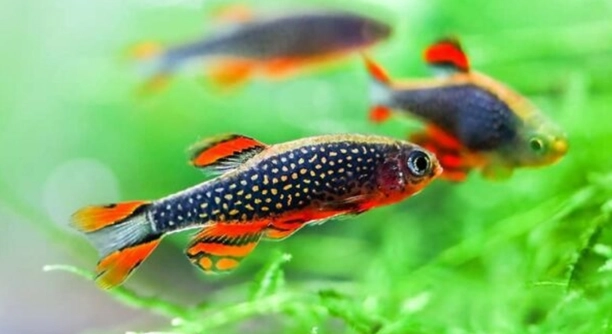
Have you ever noticed your Celestial Pearl Danios spending a lot of time near the aquarium glass, seemingly lingering without reason? Many fish owners find this behavior puzzling, especially when the fish appear healthy and active.
Celestial Pearl Danios often hug the glass due to reflections, environmental stress, or territorial instincts. They may perceive their own reflections as companions or rivals, or they might be seeking stable surfaces in response to water currents or tank layout.
Understanding why these fish prefer the glass can help improve tank conditions and their overall comfort in the aquarium environment. Observing subtle behaviors offers clues to their needs and well-being.
Reflections and Tank Setup
Reflections in the glass can make Celestial Pearl Danios behave differently. When they see their own image, some fish think another fish is present and may linger near the glass. This behavior can be more pronounced in smaller tanks where reflections are clearer. Tank placement and lighting also play a role. Bright lights or direct sunlight can create stronger reflections, encouraging your danios to investigate the glass more often. Adjusting light intensity or repositioning the aquarium can reduce this behavior. Decorations and plants inside the tank can also distract the fish, giving them areas to explore beyond the glass. Floating plants or driftwood provide natural cover, making reflections less noticeable and helping fish feel secure. Regular observation will show if they move more freely after such adjustments, indicating that stress or reflection awareness is reduced.
Reflections are common triggers, but proper tank setup helps danios feel comfortable and more confident.
Plants, lighting, and thoughtful decoration improve activity levels and reduce glass-hugging behavior. Observing how your fish respond shows what changes are effective.
Stress and Social Behavior
Stress can influence glass-hugging behavior in Celestial Pearl Danios. Factors such as overcrowding, sudden water changes, or aggressive tankmates may make fish seek corners or cling to surfaces. Stress is subtle and can manifest as unusual swimming patterns or reduced feeding. Addressing water quality and keeping the environment stable helps fish feel secure. Monitoring their interactions allows you to see if social stress is affecting behavior.
Danios are naturally social fish, and their interactions shape behavior patterns. Glass-hugging can reflect social discomfort or environmental stress.
Territorial instincts also play a role. In a small tank, danios may perceive certain areas as “claimed” and respond by staying near the glass to monitor other fish. Water temperature and pH levels impact stress, so maintaining stable parameters is crucial. Overcrowding forces them to compete for space, while aggressive tankmates increase anxiety. Adding hiding spaces and plants reduces exposure to stressors. A consistent feeding schedule and gentle observation encourage natural behavior. Gradual acclimation to new tank conditions and companions prevents sudden stress reactions. Over time, glass-hugging may decrease as fish gain confidence and feel secure in their environment. Understanding both social needs and environmental conditions allows for a balanced habitat that supports active, healthy danios.
Water Quality and Its Impact
Poor water quality can make Celestial Pearl Danios cling to the glass. Ammonia, nitrite, or nitrate spikes irritate their gills, making them seek stable surfaces. Regular testing and partial water changes maintain a healthy environment.
Maintaining consistent water parameters is essential for reducing stress in danios. Sudden fluctuations in temperature, pH, or hardness can make them swim erratically or stick near the glass. Filtering properly and avoiding overcrowding help maintain clarity and stability. Aeration ensures enough oxygen, preventing them from gasping at the surface. Even small changes in water chemistry can trigger stress responses, so monitoring and timely adjustments are crucial. Clean substrates and careful removal of uneaten food also contribute to better water quality, keeping the fish comfortable and encouraging natural swimming patterns throughout the tank.
Behavior changes often signal water quality issues before physical symptoms appear. Observing how fish interact with the tank gives early warnings. Adding live plants or gentle filtration can help maintain chemical balance. Proper tank maintenance reduces stress and supports long-term health, allowing danios to swim confidently.
Feeding Patterns and Activity Levels
Celestial Pearl Danios may hug the glass when hungry or seeking food. Frequent, small feedings help them stay active and reduce this behavior. Observing feeding reactions indicates their needs.
Diet and feeding routines influence activity and behavior. Overfeeding or inconsistent schedules can make danios restless, causing them to linger near the glass during meal times. A balanced diet with high-quality flakes, micro pellets, or frozen foods provides essential nutrients. Rotating food types keeps them engaged and ensures they receive vitamins and proteins for growth and vibrant coloration. Feeding at regular intervals helps them anticipate meals, reducing stress-driven glass-hugging behavior. Portion control prevents leftover food from affecting water quality, while encouraging natural foraging behavior inside the tank improves overall health.
Environmental enrichment during feeding also matters. Hiding food among plants or decorations stimulates natural searching instincts, keeping fish active. Active danios display less anxious behavior and interact with each other. Observing how they respond to different feeding techniques helps adjust routines for maximum well-being, encouraging a lively, balanced aquarium ecosystem.
Tank Size and Space
Small tanks can make Celestial Pearl Danios cling to the glass more often. Limited space increases stress and reduces natural swimming areas, encouraging them to hover near surfaces.
Providing enough room for swimming helps danios feel comfortable. Crowded conditions can increase tension and trigger repetitive behaviors like glass-hugging.
Tankmates and Compatibility
Aggressive or overly active tankmates influence danios’ behavior. Fish that chase or nip them cause stress, making them seek refuge near the glass. Choosing calm, compatible species allows Celestial Pearl Danios to swim freely and interact without fear. Proper observation ensures social harmony within the tank.
Lighting Conditions
Bright or inconsistent lighting can make danios cling to the glass. They may avoid well-lit areas or move closer to reflective surfaces to escape harsh illumination. Adjusting light intensity and duration improves comfort and encourages natural activity patterns.
Observation and Monitoring
Regular observation helps identify behavioral changes in Celestial Pearl Danios. Tracking movement patterns, feeding habits, and social interactions can reveal stressors early. Prompt action maintains a healthy environment and reduces glass-hugging behavior.
FAQ
Why do Celestial Pearl Danios hug the glass so often?
Celestial Pearl Danios often cling to the glass due to reflections, stress, or territorial instincts. Reflections can make them think another fish is nearby. Stress from water quality issues, overcrowding, or aggressive tankmates can also lead them to seek stable surfaces. Observing patterns helps identify the reason.
Is this behavior harmful to my fish?
Glass-hugging itself is not directly harmful, but it can indicate underlying stress or environmental problems. Persistent clinging may signal poor water quality, inadequate space, or social tension. Addressing these issues improves their overall well-being and encourages natural swimming behaviors.
How can I reduce glass-hugging behavior?
Adjusting tank setup helps. Adding plants, driftwood, or decorations gives fish more areas to explore. Reducing reflections by repositioning lights or covering tank sides can also help. Stable water parameters and a consistent feeding schedule encourage confidence and natural activity.
Does tank size affect this behavior?
Yes, smaller tanks often lead to increased glass-hugging. Limited swimming space can stress danios and make them cling to surfaces. Providing enough room for movement reduces tension and promotes healthy behavior. A minimum of 20 gallons is recommended for a small group.
Can diet influence glass-hugging?
Feeding routines impact activity levels. Irregular or insufficient feeding can cause restlessness, leading danios to linger near the glass. Balanced meals with high-quality flakes, micro pellets, or frozen foods at consistent intervals reduce stress and support natural movement. Rotating food types keeps them engaged.
Do tankmates matter?
Tankmates play a major role. Aggressive or overly active fish can stress danios, causing them to hide or cling to the glass. Calm, compatible species allow free swimming and social interaction. Observation ensures that social dynamics remain balanced and stress is minimized.
How does lighting affect this behavior?
Harsh or inconsistent lighting can cause danios to avoid open areas and hover near the glass. Reflections from bright lights may increase clinginess. Adjusting intensity, using dimmers, or providing shaded areas encourages comfortable movement and natural exploration.
Are water parameters important?
Water quality strongly influences behavior. Spikes in ammonia, nitrites, or nitrates irritate gills and stress fish. Stable temperature, pH, and hardness create a secure environment. Regular testing and partial water changes maintain chemical balance, keeping danios active and confident.
Will they stop glass-hugging on their own?
Some glass-hugging may decrease naturally as fish acclimate to the tank. However, persistent behavior often points to environmental or social stress. Providing space, hiding spots, proper water quality, and compatible tankmates increases the likelihood of normalized activity.
How can I monitor their behavior effectively?
Daily observation is key. Note swimming patterns, feeding response, and social interactions. Early signs of stress or discomfort often appear before physical symptoms. Adjusting tank conditions based on observations keeps fish healthy and reduces glass-hugging tendencies.
Is reflection the only reason they stay near the glass?
No, reflections are just one factor. Territorial instincts, curiosity, water flow, and seeking stable surfaces all contribute. Providing a varied environment with plants, decorations, and gentle currents encourages more natural swimming and reduces reliance on glass surfaces.
Can adding plants reduce this behavior?
Yes, plants create hiding spots and break up reflections. Floating or tall plants give vertical space for exploration, reducing stress and providing natural cover. Danios often spend more time swimming through vegetation rather than clinging to the glass, improving overall activity and well-being.
How long should I observe changes before making adjustments?
Behavioral changes can be gradual. Monitor fish for at least a week before making major adjustments. Track swimming patterns, feeding habits, and interactions. Small, incremental changes in tank setup, lighting, or diet allow fish to acclimate without added stress.
Does temperature play a role?
Yes, stable temperatures are crucial. Sudden drops or spikes can stress danios, causing them to cling to surfaces. Maintaining a range of 72–78°F provides comfort and encourages normal activity. Using a reliable heater and thermometer ensures consistency.
Can glass-hugging indicate illness?
It can be a subtle sign. If combined with other symptoms like clamped fins, rapid breathing, or loss of appetite, it may indicate health issues. Early attention to water quality, diet, and observation helps prevent serious illness.
Are there behavioral signs that show improvement?
Reduced glass-hugging, more active swimming, increased interaction with tankmates, and regular feeding response indicate positive changes. Gradual improvement shows that environmental adjustments, proper diet, and compatible tankmates are effective in reducing stress-driven behavior.
Do all Celestial Pearl Danios display this behavior?
Not all do. Individual personalities, tank conditions, and social hierarchy influence behavior. Some fish naturally explore more, while others are cautious and cling to surfaces. Understanding your fish’s patterns helps create a comfortable and engaging environment.
What else can I do to support their well-being?
Provide varied hiding spots, stable water parameters, regular feeding, and calm tankmates. Rotate decorations and adjust lighting gradually to reduce stress. Observing interactions and responding to changes ensures fish remain healthy, active, and less likely to cling to the glass.
Celestial Pearl Danios are small, lively fish that often display unique behaviors, including clinging to the glass of their aquarium. This behavior can be surprising to new fish owners, but it is usually a sign of environmental or social factors rather than an immediate health problem. Reflections, stress from water quality or tankmates, and territorial instincts are common reasons why these fish may linger near the glass. Understanding these causes helps ensure that the fish remain comfortable and active. By observing their behavior closely, owners can identify what adjustments are necessary to improve the tank environment and encourage more natural movement patterns.
Maintaining a stable and well-planned tank is crucial to reducing glass-hugging behavior. Tank size, water quality, and compatible tankmates all play a significant role in creating a secure space for Celestial Pearl Danios. Small tanks or overcrowded conditions can increase stress, making fish cling to surfaces more often. Regular water testing and partial water changes help maintain a healthy chemical balance, while stable temperature and pH prevent sudden shocks that can disturb their behavior. Adding plants, driftwood, and other decorations provides hiding spots and breaks up reflections, allowing fish to feel safer and explore the tank more freely. Lighting should be adjusted to avoid harsh glare, and feeding routines should remain consistent to support both activity levels and overall health.
Behavior observation remains one of the most effective tools for keeping Celestial Pearl Danios comfortable. Watching how they interact with their environment, respond to feeding, and engage with tankmates provides insight into their well-being. Persistent glass-hugging can indicate ongoing stress or minor environmental issues that need addressing. Adjusting decorations, providing more space, and ensuring compatible companions all contribute to a more relaxed and active aquarium. Over time, small, consistent improvements can help reduce clingy behavior, allowing the fish to swim naturally and enjoy their surroundings. Careful attention to these details creates a stable and comfortable environment, which supports the long-term health and happiness of Celestial Pearl Danios.

Hello,
If you enjoy the content that we create, please consider saying a "Thank You!" by leaving a tip.
Every little bit helps us continue crafting quality advice that supports the health, happiness, and well-being of pets around the world, for pets of all shapes, sizes, and species.
We really appreciate the kindness and support that you show us!