
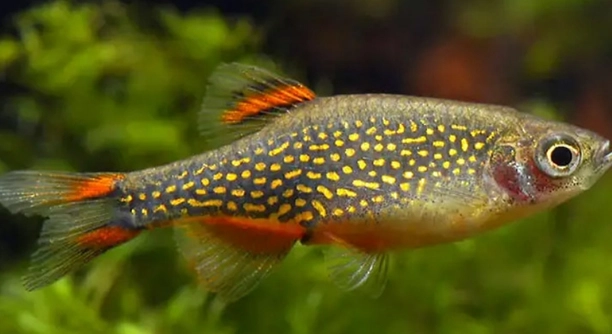
Are your danios living in a tank that doesn’t quite smell right? Even small changes in water quality or food management can cause noticeable odors. Recognizing these early signs can keep your fish healthy and happy.
Certain tank smells often indicate underlying problems such as bacterial overgrowth, excess waste, decaying food, or poor filtration. Identifying these odors promptly allows aquarists to take corrective measures, preventing stress, illness, or long-term damage to the danios’ environment.
Understanding the source of these smells is key to maintaining a healthy tank. Observing and acting on these cues ensures your danios thrive in a clean habitat.
Sour or Ammonia-Like Smell
A sour or ammonia-like smell in a danio tank usually signals that the water chemistry is off. High ammonia levels can build up when waste, uneaten food, or decaying plants are left in the tank too long. This odor is harsh and pungent, often causing eye irritation or discomfort if you lean close. Ammonia is toxic to fish, even in small amounts, and prolonged exposure can damage their gills, making it difficult for them to breathe. Regular partial water changes, proper filtration, and careful monitoring of ammonia levels are essential. Testing kits help track these levels accurately, allowing you to act before the situation becomes dangerous. Maintaining a consistent cleaning routine also prevents sudden spikes. Overfeeding should be avoided, as leftover food accelerates waste accumulation. Even minor smells can indicate that water quality is deteriorating, so addressing them promptly ensures your danios remain healthy, active, and stress-free in their environment.
Addressing this smell requires immediate water testing and partial water changes to lower ammonia and maintain proper tank conditions.
Keeping the tank clean involves more than removing visible debris. Filters must be checked for clogs, and substrate stirred to prevent trapped waste from releasing ammonia. Skimming surface scum and vacuuming the gravel helps reduce odor buildup. Sometimes adjusting feeding amounts or switching to high-quality food can minimize waste. Observing fish behavior also provides clues, as lethargy or gasping may indicate high ammonia levels. Consistent attention prevents recurring problems.
Rotten Egg or Sulfur Smell
A rotten egg or sulfur smell usually comes from anaerobic bacteria in the substrate or filters. These bacteria thrive in areas with poor water circulation or compacted waste, producing hydrogen sulfide gas. The odor is strong and unpleasant, often rising from the tank bottom.
When this smell appears, immediate cleaning of the substrate and filter is necessary. Stirring the gravel gently while removing debris can help eliminate pockets of decaying matter. Water changes should be increased until the odor diminishes. Avoid disturbing live plants excessively, as healthy roots are important for oxygenation. In severe cases, replacing sections of substrate or rinsing filter media may be required to remove trapped waste. Ensuring proper water flow throughout the tank discourages anaerobic zones from forming. Regular monitoring and maintenance prevent this smell from returning, keeping the environment safe for danios. Paying attention to these details improves overall water quality and fish health.
Hydrogen sulfide can be dangerous to fish if left unchecked. Continuous exposure stresses the gills, reduces oxygen intake, and may lead to illness or death. Tanks with poor circulation, overly dense substrate, or decaying plant matter are most susceptible. Introducing additional aeration, using a siphon to clean gravel thoroughly, and rinsing filter media without harming beneficial bacteria all help eliminate the gas. Regular partial water changes dilute any remaining toxins. Observing the fish for unusual behavior, such as gasping at the surface, helps determine if immediate intervention is needed. Keeping these preventive measures in mind ensures the tank remains odor-free, and the danios continue to thrive in a clean and healthy habitat.
Fishy or Strong Odor
A strong fishy smell usually comes from leftover food or excess waste. This odor indicates that the tank is not being cleaned regularly or the filter is not handling the bioload efficiently.
Food that sinks and remains uneaten can quickly start to rot, producing a noticeable fishy odor. Overfeeding is a common cause, especially with small danios that eat frequently. Uneaten pellets or flakes decompose at the bottom, encouraging bacterial growth. Regular siphoning of the substrate, along with checking the filter for debris buildup, helps prevent this problem. Ensuring the right portion size for daily feeding reduces waste and keeps water quality stable.
Even with proper feeding, accumulated fish waste can produce a lingering fishy smell. Routine water changes remove dissolved organics, while gentle stirring of the substrate prevents pockets of trapped debris from rotting. Clean filter media and occasional vacuuming of the gravel reduce odor sources. A well-maintained tank with consistent feeding and cleaning habits minimizes these smells and provides a healthy environment for danios to swim actively and display natural behavior.
Moldy or Musty Smell
A moldy or musty smell often comes from decaying plants or damp decorations that retain moisture. Neglecting plant maintenance allows rot to spread, causing a persistent odor in the water.
Regular trimming of live plants and removal of dead leaves prevents mold growth. Decorations that absorb water should be rinsed frequently or replaced if they remain damp for long periods. Filters can also harbor mold in dark, moist areas, so occasional cleaning without destroying beneficial bacteria is important. Monitoring the tank for early signs of decay keeps odors minimal and water conditions stable.
Even with consistent water changes, mold or musty smells can develop if hidden areas of the tank are overlooked. Decorations with porous surfaces or artificial plants that trap debris encourage microbial growth. Removing these items for cleaning, scrubbing corners of the tank, and maintaining adequate water flow around plants reduces stagnant areas where mold thrives. Using a net to remove floating debris and checking the filter intake for trapped organic material also helps. Preventing mold not only improves the tank’s smell but also protects danios from potential infections and stress caused by poor water quality.
Rotten Food Smell
Leftover food that sits in the tank can quickly start to rot, producing a sharp, unpleasant odor. Uneaten pellets or flakes create an environment for bacteria to grow rapidly, affecting water quality and fish health.
Feeding smaller portions more frequently helps prevent leftover food from decaying. Removing any uneaten food promptly reduces the risk of harmful bacterial buildup and keeps the tank environment cleaner for danios.
Sewage-Like Smell
A sewage-like odor often develops from excess waste accumulation combined with insufficient filtration. This smell is strong and unmistakable, signaling that the tank requires immediate attention.
When this occurs, it’s important to clean the substrate thoroughly using a siphon and perform a partial water change. Checking the filter for clogs and ensuring it is functioning properly helps restore water quality. Maintaining regular cleaning routines prevents recurring sewage-like smells and protects the health of danios. Even small amounts of accumulated waste can release toxins, so consistent monitoring and timely action are essential for a safe aquatic environment.
Chemical or Plastic Smell
New decorations or poorly rinsed plastic items can release a chemical odor into the water. This smell is often sharp and artificial, indicating that the items are affecting the tank’s water quality.
FAQ
What causes a sudden strong odor in a danio tank?
A sudden strong odor usually comes from decaying food, accumulated waste, or poor filtration. If water changes have been missed or the filter is clogged, organic matter can quickly start to break down. Even small amounts of uneaten food at the bottom can produce a noticeable smell. Testing water for ammonia, nitrite, and nitrate levels can identify if chemical imbalances are contributing. Regular cleaning routines and careful feeding help prevent sudden odor spikes.
How can I reduce ammonia smells in my tank?
Ammonia smells are common when waste levels rise too high. Partial water changes are the fastest way to lower ammonia concentration. Cleaning the substrate with a siphon removes trapped debris that releases ammonia. Checking and maintaining your filter ensures it is working efficiently. Reducing feeding amounts prevents leftover food from contributing to ammonia buildup. Over time, testing water weekly helps maintain safe ammonia levels and prevents repeated odor problems.
Why does my tank smell like rotten eggs?
A rotten egg smell comes from hydrogen sulfide produced by anaerobic bacteria in compacted substrate or filter media. Poor water circulation allows these bacteria to thrive. Cleaning the substrate thoroughly, gently stirring gravel, and rinsing filter media without destroying beneficial bacteria removes the source. Adding water flow with an air stone or adjusting filter output can also reduce anaerobic zones. Regular attention to these areas prevents the odor from returning and protects fish health.
Is a fishy smell always dangerous?
Not always, but it signals that water quality may be declining. Leftover food or minor waste buildup can cause a fishy odor without immediately harming fish. However, prolonged exposure to high waste levels increases ammonia and nitrite, which are toxic. Regular maintenance, cleaning, and proper feeding reduce the risk. Monitoring water parameters ensures a safe environment while preventing stress or illness in danios.
How often should I clean the tank to avoid smells?
Partial water changes of 20–30% once a week are recommended. Substrate should be siphoned regularly to remove trapped debris. Filters should be checked monthly and cleaned as needed without removing all beneficial bacteria. Removing decaying plants or leftover food daily also helps. Consistency in cleaning prevents odors from developing and maintains a healthy, stable environment for danios.
Can decorations or plants cause unusual odors?
Yes, porous decorations, artificial plants, or rotting live plants can retain water and debris, leading to moldy or musty smells. Rinse decorations before adding them, remove dead leaves promptly, and avoid overcompacting substrate around plants. Proper water flow around decorations reduces stagnant areas where bacteria and mold can develop. Regular observation and maintenance keep these items from affecting tank odor.
What should I do if the smell persists despite cleaning?
Persistent smells may indicate hidden waste, anaerobic zones, or an overstocked tank. Check under decorations, inside filters, and within substrate layers. Consider replacing sections of substrate or cleaning filter media more thoroughly. Testing water for chemical imbalances helps identify lingering issues. Adjusting feeding routines and improving aeration can prevent odor recurrence and maintain long-term water quality.
Are there any safe ways to mask tank odors?
Masking odors is not recommended. Odor indicates a water quality problem that must be addressed. Using chemicals to cover smells can stress fish or worsen water chemistry. The safest approach is thorough cleaning, proper feeding, and regular maintenance. Addressing the source ensures a healthier environment for danios rather than temporarily hiding the problem.
How can I prevent tank smells in the future?
Feed appropriate portions, remove uneaten food, perform regular water changes, clean the substrate, and maintain filters. Trim plants and check decorations for trapped debris. Proper water circulation prevents anaerobic areas. Monitoring water parameters weekly helps catch issues early. Following these habits consistently keeps the tank odor-free and supports long-term danio health.
What signs indicate that the smell is affecting my danios?
Danios exposed to poor water quality may appear lethargic, gasp at the surface, or display clamped fins. Stress from high ammonia, nitrite, or decaying matter can weaken immunity. Observing behavior alongside tank smells helps determine urgency. Immediate intervention with cleaning and water adjustments protects the fish before long-term damage occurs.
Maintaining a clean and odor-free tank is essential for the health and well-being of your danios. Tank smells are often early indicators that something in the environment needs attention. Leftover food, waste buildup, decaying plants, or poor filtration are common causes that can be addressed before they become serious problems. Even small odors should not be ignored, as they usually signal changes in water chemistry or the presence of harmful bacteria. By noticing these signs early, you can take steps to correct the issue and prevent illness or stress for your fish. Consistent cleaning and monitoring routines make a big difference, keeping the water stable and safe for your danios to thrive.
Proper feeding practices are a key factor in preventing tank smells. Overfeeding leads to uneaten food settling on the bottom, which can decompose and contribute to unpleasant odors. Feeding small amounts more frequently helps ensure that all food is consumed, minimizing waste in the tank. It is also important to remove any uneaten food promptly, even if it is only a few flakes or pellets. Along with feeding habits, the maintenance of the substrate and filter plays a critical role. Siphoning gravel and cleaning filter media regularly removes organic matter that could otherwise produce ammonia, hydrogen sulfide, or other odors. Monitoring water parameters such as ammonia, nitrite, and nitrate levels helps you stay ahead of potential issues, keeping your danios in a healthy environment.
Consistency in tank care is the best way to avoid future problems. Regular water changes, filter maintenance, and removal of decaying plants or debris help maintain water quality and prevent smells from developing. Decorations and artificial plants should also be cleaned periodically to reduce trapped waste and microbial growth. Good water circulation prevents stagnant areas where bacteria can thrive. Paying attention to your tank daily allows you to notice small changes before they become significant problems. Over time, these habits create a stable and healthy environment that supports the natural behavior and longevity of your danios. With consistent care and observation, tank odors can be minimized or eliminated, making your aquarium a safe, clean, and pleasant space for both you and your fish.

Hello,
If you enjoy the content that we create, please consider saying a "Thank You!" by leaving a tip.
Every little bit helps us continue crafting quality advice that supports the health, happiness, and well-being of pets around the world, for pets of all shapes, sizes, and species.
We really appreciate the kindness and support that you show us!