
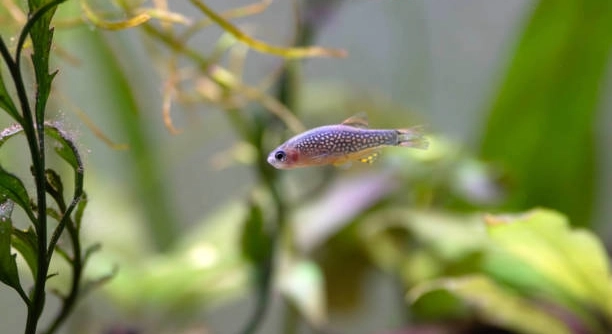
Celestial Pearl Danios are small, colorful fish that brighten any freshwater aquarium. They are generally peaceful and easy to care for, making them a favorite among beginner and experienced fish keepers alike. Watching them interact is often relaxing.
Celestial Pearl Danios can exhibit mild aggression during breeding periods. Males may chase or display to females to establish dominance, but these behaviors are usually short-lived and do not result in serious injury when proper tank conditions and hiding spaces are provided.
Observing these tiny fish during breeding reveals subtle behaviors that are important for maintaining harmony in your aquarium. Understanding these interactions can help ensure a safer and more successful breeding environment.
Understanding Breeding Behavior
When Celestial Pearl Danios begin breeding, their behavior can change noticeably. Males often become more active, patrolling their territory and chasing other males to establish dominance. They may flare their fins and display brighter colors to attract females. Females, in contrast, may hide more often or become less active, conserving energy for egg production. Tank setup plays a critical role in managing these behaviors. Providing plants, caves, or other hiding spots helps reduce stress for both males and females. Observing their patterns is fascinating, as subtle gestures such as nudging or circling indicate readiness to spawn. Stress can increase aggression, so maintaining stable water conditions and avoiding overcrowding is essential. Regular feeding ensures that energy is available for breeding activity without increasing competition or conflict. Keeping a close eye on interactions allows for timely adjustments, promoting a balanced and peaceful environment that supports natural reproductive behaviors.
Breeding aggression is usually mild and temporary, fading once eggs are laid.
With careful observation, it is possible to predict which males will be dominant and which females are most receptive. Managing their environment thoughtfully helps ensure all fish remain healthy and reduces the risk of injury. A structured setup with clear territories and abundant plants allows them to breed naturally while maintaining overall tank harmony.
Managing Aggression in the Tank
Aggression can be reduced by providing enough space and hiding areas.
Introducing additional plants, small caves, or floating moss helps break line-of-sight and lowers stress levels among the fish. Maintaining stable water parameters is equally important, as sudden changes can trigger erratic behavior. Feeding multiple small portions throughout the day keeps all fish satisfied and less likely to fight. Monitoring the tank daily allows you to intervene if one male becomes overly aggressive. Removing particularly aggressive individuals temporarily can also help calm the group. Observing which areas of the tank are most contested provides insight into how territory affects interactions. Pairing fish carefully, considering size and temperament, further reduces conflict. Over time, fish often establish a hierarchy, and aggression diminishes naturally once dominance is clear. By understanding and anticipating their behavior, it is possible to maintain a peaceful environment while supporting successful breeding in Celestial Pearl Danios.
Recognizing Signs of Aggression
Chasing, flaring fins, and quick darting movements are common signs of aggression in Celestial Pearl Danios. Males often target each other more than females, and stress in the tank can make these behaviors more frequent. Observing these signs helps manage the tank effectively.
Aggressive behavior is usually brief and linked to breeding periods. Males display brighter colors and may push or circle females to encourage spawning. Conflicts between males rarely cause serious harm if the tank has enough space and hiding spots. Hiding areas, floating plants, and dense vegetation reduce stress and allow fish to escape confrontations. Consistent monitoring ensures aggressive incidents remain minor and do not escalate, keeping all fish healthy. Recognizing early signs allows adjustments before problems arise.
Females often respond by retreating or hiding, minimizing contact with aggressive males. Over time, dominance hierarchies form, and the intensity of chasing diminishes. Proper tank management, including space, plants, and regular observation, helps maintain balance while allowing natural breeding behaviors to occur without significant risk to the fish.
Preparing the Tank for Breeding
Provide dense plant cover and small caves to help reduce stress and aggression.
Plants and structures allow fish to establish territories and avoid constant conflict. Hiding spots give females a safe space and help males display without threatening others. Proper spacing prevents overcrowding, reducing the chance of injury during breeding.
Stable water conditions are crucial for healthy behavior. Sudden changes in temperature or pH can increase aggression and disrupt breeding. Regular water testing and partial water changes maintain optimal conditions. Feeding small portions several times a day ensures all fish remain healthy and minimizes competition. Observing fish interactions daily allows timely intervention if aggression escalates. Creating a calm environment encourages natural breeding behavior while keeping stress low. Choosing compatible tankmates and maintaining proper stocking levels further reduces potential conflicts, supporting a peaceful, thriving aquarium for Celestial Pearl Danios.
Timing and Frequency of Aggression
Aggression usually peaks when males are actively courting females. This period is temporary and often lasts only a few days during the spawning cycle. Observing fish during this time helps predict when extra care or intervention may be needed to prevent injury.
Males may chase rivals repeatedly but typically calm down after establishing dominance. Once eggs are laid, aggressive behaviors usually subside, allowing the tank to return to a peaceful state without ongoing stress for any fish.
Feeding and Its Effect on Aggression
Providing frequent, small meals can reduce competition and lower aggressive incidents. Unequal access to food often triggers chasing or chasing behaviors among males. Maintaining consistent feeding routines helps ensure all fish are well-nourished and less prone to aggression.
Separating Aggressive Fish
Temporarily removing a particularly aggressive male can protect weaker fish. This method prevents injuries and gives the tank a chance to stabilize, reducing overall stress and maintaining a safer breeding environment.
Observing Post-Spawning Behavior
After spawning, males often display calmer behavior. Monitoring interactions during this period confirms that aggression has decreased and ensures the tank environment remains peaceful.
FAQ
Can Celestial Pearl Danios injure each other during breeding?
Yes, they can, but serious injuries are uncommon. Males may chase or nip at rivals to establish dominance, while females often retreat. Providing hiding spaces, plants, and a spacious tank reduces the likelihood of harm and keeps stress levels low.
How long does breeding aggression usually last?
Breeding aggression typically lasts a few days. Males are most active when courting females, displaying brighter colors and chasing rivals. Once eggs are laid, their behavior usually calms, and the tank returns to a peaceful environment without ongoing conflict.
Do females ever show aggression?
Females are generally less aggressive than males. They may nudge or push each other slightly, but this is usually minor. Their main strategy is avoidance, often hiding among plants or decorations to escape more dominant males.
Is it necessary to separate males during breeding?
Not always. Most aggression can be managed with a well-planted tank and enough space. However, if a male becomes overly aggressive or injures other fish, temporarily isolating him can prevent harm and restore balance in the aquarium.
What tank setup reduces breeding aggression?
A spacious tank with dense plants, floating moss, and small caves works best. These elements create hiding spots for females and allow males to display without constant confrontation. Proper spacing also reduces competition and stress among all fish.
Does feeding impact aggression levels?
Yes, it does. Unequal access to food can increase chasing and competition. Feeding multiple small portions throughout the day ensures all fish are well-nourished and less likely to fight, keeping aggression manageable during breeding periods.
Can aggression affect egg survival?
Aggression can sometimes stress females, which may reduce egg laying or cause them to eat eggs. Providing sufficient cover, separating overly aggressive males, and maintaining stable water conditions helps protect both eggs and female health.
Do Celestial Pearl Danios show signs of dominance after breeding?
Yes, dominance hierarchies may persist briefly. Males that were dominant during breeding may continue to display brighter colors and patrol their territories. Over time, these behaviors typically decrease as the tank returns to normal social balance.
Are some males more aggressive than others?
Yes, individual temperament varies. Larger or more colorful males often display stronger dominance behaviors. Observing interactions helps identify overly aggressive individuals, and tank management strategies can reduce stress for less dominant fish.
How can I monitor aggression without stressing the fish?
Watch from a distance or through periodic checks rather than constantly interfering. Take notes on chasing, flaring, or hiding behaviors. This allows you to intervene if necessary without adding stress or disrupting natural breeding patterns.
Does water quality influence aggressive behavior?
Absolutely. Sudden changes in temperature, pH, or ammonia levels can increase aggression. Maintaining stable water parameters with regular testing and partial water changes keeps fish calm and supports successful breeding with minimal conflict.
Can tankmates increase aggression?
Yes, incompatible tankmates can trigger stress or territorial behavior. Keeping Celestial Pearl Danios in groups with compatible fish and avoiding aggressive or much larger species helps reduce conflicts and ensures a safer breeding environment.
Are there signs that aggression is becoming dangerous?
Repeated chasing, visible injuries, torn fins, or excessive hiding indicate aggression is a problem. Intervening with temporary separation, additional hiding spots, or adjusting tank setup is necessary to protect the health and safety of all fish.
How do I balance natural behavior with tank safety?
Encourage natural breeding behavior by providing plants, hiding areas, and enough space while monitoring interactions closely. Intervene only when aggression risks injury, and maintain stable water conditions and feeding schedules to reduce unnecessary stress and conflict.
Can breeding aggression affect long-term health?
Chronic stress from frequent aggression can weaken immune systems and reduce lifespan. Managing the environment, providing sufficient cover, and observing interactions carefully helps maintain both reproductive success and overall health of your fish.
Is it normal for males to flare fins at each other?
Yes, flaring fins is a natural display of dominance and courtship. This behavior is usually harmless if space and hiding spots are available. Monitoring frequency and intensity ensures it doesn’t escalate into harmful aggression.
What should I do if aggression doesn’t subside after spawning?
Evaluate tank conditions, spacing, and hiding areas. Identify overly aggressive males and consider temporary separation. Adjusting feeding routines and water parameters can also help restore calm and maintain a safe, balanced environment for all fish.
Do young males show aggression?
Juvenile males rarely show strong aggression. They usually develop territorial and dominant behaviors as they mature. Early observation of their social interactions can help plan tank arrangements and reduce future conflicts.
How does breeding frequency affect aggression?
Frequent spawning can increase temporary aggression, especially among males. Ensuring sufficient recovery time between breeding cycles and maintaining adequate cover and food helps reduce stress and prevents prolonged conflicts in the tank.
Is it possible to prevent all aggression?
No, some aggression is natural and part of reproductive behavior. The goal is to manage it so it remains minor and does not threaten fish health. Proper tank setup, observation, and intervention when necessary help achieve this balance.
Celestial Pearl Danios are generally peaceful fish, but their behavior can change during breeding. Males become more active, display brighter colors, and may chase rivals or interact assertively with females. These behaviors are natural and part of their reproductive instincts. While the chasing and flaring can look aggressive, it rarely leads to serious injuries when the tank is properly prepared. Providing hiding spots, dense plants, and small caves allows females to escape when necessary and gives males space to display without constant conflict. Observing these behaviors closely helps ensure the fish remain healthy and stress is minimized. Understanding the subtle signs of dominance and courtship makes it easier to create an environment that supports natural breeding while keeping the fish safe.
Managing aggression effectively is mostly about preparation and monitoring. Tank size and layout play a significant role in reducing tension. A well-planted aquarium with floating moss or caves helps break line-of-sight and provides areas for fish to retreat. Feeding small portions frequently ensures all fish get enough food and reduces competition, which is often a trigger for chasing. Water stability is also important; sudden changes in temperature, pH, or water chemistry can make fish more irritable and increase aggressive behaviors. Occasionally, some males may be overly dominant, and temporary separation can be used to protect weaker fish. By paying attention to these factors, the tank can maintain balance and allow breeding to occur naturally. These strategies help create a calmer, safer environment, while still allowing natural social interactions to take place.
Breeding aggression in Celestial Pearl Danios is usually temporary and manageable with proper care. After spawning, most males quickly calm down, and normal tank behavior resumes. Recognizing the signs of aggression, understanding their causes, and preparing the tank appropriately are key to maintaining harmony. Even though some chasing or flaring may occur, it is part of the species’ natural behavior and does not indicate a permanent problem. With regular observation and thoughtful tank management, breeders can support successful reproduction without compromising the health of their fish. By combining adequate space, plants, hiding areas, stable water conditions, and proper feeding routines, it is possible to maintain a peaceful environment while allowing Celestial Pearl Danios to engage in their natural breeding behaviors safely and successfully.

Hello,
If you enjoy the content that we create, please consider saying a "Thank You!" by leaving a tip.
Every little bit helps us continue crafting quality advice that supports the health, happiness, and well-being of pets around the world, for pets of all shapes, sizes, and species.
We really appreciate the kindness and support that you show us!