
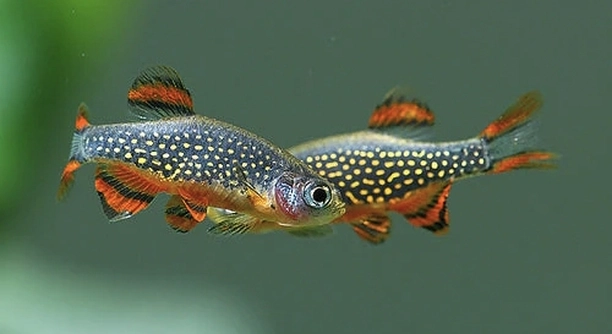
Observing your Danio for just seven minutes a day can reveal subtle behaviors you might otherwise miss. These small details provide valuable insights into their daily routine, mood, and overall well-being in the aquarium environment.
Consistent short-term observation allows caretakers to detect early signs of stress, illness, or changes in social dynamics. This practice supports timely interventions, ensuring optimal health, appropriate feeding, and a stable, enriching environment for Danio populations.
Taking these few minutes can transform how you care for your fish and enhance their daily experience in the tank.
Understanding Danio Behavior
Observing Danios closely reveals patterns in swimming, feeding, and interaction. They are active fish that thrive in groups, so noticing shifts in movement or social behavior is essential. Small changes, like hiding more than usual or avoiding tank mates, can indicate stress or illness. Even subtle differences in fin position, color, or breathing rates are important signals. Monitoring these signs daily helps create a stable environment and allows you to respond before minor issues escalate. Regular observation also helps identify preferences, such as favored feeding spots or swimming routes, which can guide tank setup. Over time, you will notice patterns that indicate comfort, excitement, or distress. Maintaining water quality, adjusting tank decorations, and ensuring compatible tank mates all become easier when you understand these behaviors. Observing for just a few minutes each day can provide enough information to support healthier, happier Danios, and improve your overall care routine.
Short, consistent observation improves awareness and allows timely adjustments for the fish’s comfort and health.
Keeping notes on behavior is useful. Tracking patterns over time helps identify trends and informs better tank management decisions.
Feeding and Nutrition
Proper feeding is crucial for Danios’ health and longevity.
Overfeeding or underfeeding can cause health problems. Feeding small portions multiple times a day matches natural feeding patterns. Monitor whether fish eat at a consistent pace and adjust portions to avoid leftover food. Balanced nutrition supports growth, color, and activity levels. Frozen, live, or high-quality flake foods provide necessary variety. Observation during feeding reveals social dynamics and identifies weaker fish that may need separate feeding. Avoid sudden changes in diet, as Danios can be sensitive to abrupt adjustments. Regularly rotating food types ensures a full range of nutrients and prevents dietary deficiencies. Observing appetite daily is a simple way to gauge overall health. Combining observation with proper feeding strategies encourages stronger immune systems and a more vibrant, active tank. Consistent attention to feeding behavior helps prevent illness and enhances the long-term wellbeing of the fish population.
Tank Environment and Maintenance
Maintaining a clean and stable tank environment is essential for Danios’ health. Regular water changes and monitoring of temperature, pH, and ammonia levels prevent stress and disease. Observation helps identify early signs of poor water conditions.
Filtration, aeration, and consistent temperature create a stable habitat. Danios are active swimmers, so a spacious tank with plants and hiding spots reduces stress. Observing how they use the environment can guide adjustments, such as adding decorations or rearranging plants. Debris accumulation and leftover food can be spotted quickly during short observation periods, allowing timely cleaning. Proper maintenance combined with attentive observation ensures a balanced ecosystem and reduces the risk of illness or aggression among fish.
Watching how Danios interact with their environment shows their comfort level. Fish that avoid certain areas may indicate issues with water flow, lighting, or hiding spaces. Adjusting the tank accordingly encourages natural behavior and promotes healthier, more confident swimming patterns. Observation also helps detect subtle changes in activity, such as lethargy or increased aggression, which can indicate environmental stress. Daily attention allows small adjustments before problems escalate, ensuring a consistently supportive habitat.
Social Dynamics and Interaction
Danios are social fish that thrive in groups and establish clear hierarchies. Observation helps recognize dominant and submissive behaviors, which influence feeding and swimming patterns.
Conflict and aggression can occur, especially in small tanks or with insufficient hiding places. Watching interactions daily allows identification of fish that may need temporary separation or rearrangement of decorations to reduce tension. Recognizing social cues also helps prevent bullying or starvation of weaker fish. Observing playful or coordinated swimming behavior indicates a well-adjusted group and a healthy environment. Over time, consistent monitoring supports better group balance, reduces stress, and promotes natural, active behaviors.
Careful attention to group dynamics can prevent injuries and stress. Fish that isolate themselves or display repetitive chasing behaviors may require changes in tank layout or population density. Observing feeding order, swimming formations, and territory preferences provides insight into each fish’s role in the group. Adjustments such as adding plants, increasing swimming space, or separating aggressive individuals improve harmony. Regular observation helps maintain social balance, encourages proper nutrition, and ensures all Danios remain healthy and active. Patterns noticed over time can guide future stocking decisions, creating a stable and thriving community.
Recognizing Stress Signals
Danios show stress through color changes, erratic swimming, or hiding. Observing these signs early helps prevent illness and improves their overall well-being.
Stress can also appear as rapid gill movement or refusal to eat. Short daily observations allow timely adjustments to water conditions, tank layout, or social interactions.
Adjusting Tank Conditions
Temperature, pH, and water hardness directly affect Danio health. Monitoring and maintaining these parameters ensures a stable environment. Sudden changes can cause illness or lethargy. Observation during routine checks allows detection of small shifts that could stress the fish. Adjusting lighting, adding plants, and maintaining consistent filtration further supports their comfort. Tracking water parameters over time helps anticipate seasonal or environmental changes that could impact the tank. Even small improvements, like rearranging decorations or controlling water flow, encourage natural behavior. Paying attention to these details allows Danios to thrive in a stable, supportive habitat.
Observation Tools
Keeping a notebook or digital log helps track behavior patterns, feeding habits, and water conditions.
FAQ
How often should I observe my Danios?
Daily observation, even for just seven minutes, is ideal. Short, consistent checks help detect early signs of stress, illness, or changes in social dynamics. Observing during feeding, swimming, and resting periods provides a clear picture of their overall health.
What behaviors indicate a healthy Danio?
Active swimming, coordinated group movement, bright coloration, and consistent appetite are key indicators. Fish that explore their environment, interact with tank mates, and maintain steady breathing typically show good health. Tracking these behaviors daily helps confirm a stable and supportive habitat.
What are early signs of stress in Danios?
Stress can appear as hiding, erratic swimming, rapid gill movement, color fading, or refusal to eat. Observing subtle changes allows quick adjustments to tank conditions, lighting, or social arrangements, reducing long-term health risks.
How do I know if a Danio is sick?
Signs of illness include clamped fins, lethargy, unusual swimming patterns, or visible spots and lesions. Short daily observation makes it easier to spot these signs before they become severe. Immediate action can prevent the spread of disease.
Can observation improve feeding practices?
Yes. Watching how fish respond to food helps adjust portion sizes, feeding frequency, and types of food. Identifying shy or weaker fish allows targeted feeding so all individuals get proper nutrition without overfeeding the tank.
How does observation help with social dynamics?
Danios are social fish, and observing group behavior reveals dominant and submissive roles. Monitoring interactions reduces aggression and bullying, helps maintain balance, and ensures weaker fish are not neglected during feeding or swimming.
What environmental factors should I watch?
Water temperature, pH, hardness, and clarity are critical. Observing how fish behave in different areas of the tank can indicate preferences or discomfort. Adjusting lighting, decorations, or water flow improves comfort and reduces stress.
Do I need special tools for observation?
No special tools are necessary. A notebook or digital log is useful to record patterns in swimming, feeding, and social interaction. Even simple notes help track changes over time and guide better care practices.
Can observation prevent diseases?
Yes. Consistent monitoring identifies unusual behavior, appetite changes, or early signs of illness. Early detection allows preventive measures like water changes, isolation of affected fish, or dietary adjustments to protect the entire tank.
How long before I notice patterns in behavior?
Within a week of consistent observation, you can start seeing patterns. Over a month, trends in feeding, swimming, and social interaction become clear. Tracking these patterns guides more effective tank management and overall care.
Is it better to observe in the morning or evening?
Observing at different times provides a complete picture, as Danios may behave differently throughout the day. Morning observations can show feeding activity, while evening checks reveal resting or less active behaviors. Combining both gives a balanced understanding.
How do I handle aggressive behavior?
Observation helps identify which fish are dominant or aggressive. Adding plants, rearranging decorations, or temporarily separating aggressive individuals reduces tension and ensures all fish feel secure in the tank.
Can observing Danios improve my connection with them?
Yes. Noticing subtle behaviors, interactions, and preferences builds familiarity. Over time, you can predict their needs, provide a more enriching environment, and respond more effectively to changes in health or social behavior.
How much difference does seven minutes make?
Even short, focused observation provides enough information to notice behavioral changes, appetite fluctuations, and environmental preferences. Consistent seven-minute sessions can prevent serious issues and guide effective care decisions for long-term health.
Are there behaviors that require immediate action?
Yes. Sudden lethargy, gasping at the surface, clamped fins, visible wounds, or rapid color changes should prompt immediate intervention. Quick response reduces risk of disease progression and ensures the overall safety of the tank population.
How do I track long-term changes?
Recording daily observations in a log allows identification of trends in behavior, health, and social dynamics. Comparing notes over weeks or months helps predict future needs and informs adjustments to feeding, tank setup, or population management.
Can observation reduce stress in Danios?
Yes. By recognizing stress signals early, caretakers can adjust environmental conditions, social arrangements, or feeding routines. Creating a calm, stable habitat through observation helps Danios maintain natural behaviors and optimal health.
Should observation influence tank setup?
Absolutely. Observing where fish spend most of their time, preferred hiding spots, and areas of aggression can guide placement of plants, decorations, and flow adjustments. A well-observed tank setup encourages natural behavior and reduces stress for all fish.
Does observing help with breeding?
Yes. Monitoring interactions and courtship behavior provides insight into readiness for breeding. Observation identifies compatible pairs and suitable tank conditions, supporting successful spawning while maintaining overall group harmony.
How detailed should notes be?
Simple but consistent notes work best. Record feeding behavior, interactions, swimming patterns, and any unusual signs. Over time, these entries form a comprehensive record that guides care decisions and highlights subtle health or social changes.
How can observation improve overall care?
Daily observation informs decisions about feeding, environment, social dynamics, and health management. Understanding individual and group behavior allows timely interventions, prevents problems, and supports a thriving, balanced, and active Danio community.
What is the main benefit of short, daily observation?
It creates awareness of small but critical details. Observing regularly ensures early detection of problems, promotes healthier fish, and enhances the caretaker’s ability to provide a stable and enriching environment consistently.
How does observation affect fish longevity?
By identifying stress, illness, or environmental issues early, observation supports preventive care. Fish that receive timely adjustments and consistent attention live healthier, more active lives with fewer complications.
Can observation replace other care practices?
No. Observation complements feeding, tank maintenance, and monitoring water quality. It provides insight that enhances these practices, ensuring interventions are timely and effective without replacing fundamental care requirements.
How can I make observation part of my routine?
Set aside a consistent time daily, perhaps during feeding or a quiet period. Even a short, focused seven-minute session can provide enough data to track behavior, identify changes, and maintain an attentive care routine.
What common mistakes should I avoid?
Ignoring subtle changes, inconsistent observation, and delayed response to stress or illness are common errors. Focusing on short daily sessions ensures small signs are not missed and promotes better long-term health.
How do I know if observation is effective?
If you can predict feeding responses, recognize stress signs, identify social roles, and notice health changes, your observation is effective. Regular notes and comparison over time confirm patterns and guide care adjustments.
How much detail is enough for behavior tracking?
Brief notes capturing swimming patterns, feeding behavior, social interactions, and any unusual signs are sufficient. Over time, these observations reveal trends and provide actionable insights without becoming overwhelming.
Can observation help new Danios adjust to a tank?
Yes. Watching their initial behavior reveals comfort levels, hiding preferences, and interactions with existing fish. Adjusting tank layout and monitoring closely supports smoother acclimation and reduces stress during the transition period.
How do I balance observation with daily tasks?
Seven minutes of focused observation can fit easily into daily routines. It does not require constant attention, but consistency ensures changes are noticed promptly, and care decisions are informed and timely.
Does observation need to be recorded visually?
Written notes are sufficient, but photos or videos can be helpful for comparing color, behavior, or fin condition over time. This can supplement written logs and provide additional clarity for monitoring long-term changes.
What’s the long-term impact of regular observation?
Consistent daily observation fosters a deep understanding of fish behavior, improves health monitoring, supports social balance, and ensures environmental adjustments are effective. Over months, this practice strengthens the overall quality of care and the well-being of the entire tank.
How do I know if changes I make are working?
By continuing daily observation after adjustments, you can see improvements in swimming patterns, feeding behavior, stress reduction, and social harmony. Consistent follow-up confirms whether interventions achieve the desired results.
What’s the most important takeaway from observing Danios?
Even brief, focused attention provides critical insight. Observation guides feeding, social management, environmental adjustments, and health interventions, ensuring a thriving, balanced, and active Danio community over time.
How can observation make caring for Danios more satisfying?
Understanding their behavior, needs, and preferences creates a deeper connection and sense of accomplishment. Watching small improvements and active engagement reinforces the value of consistent, attentive care.
Is seven minutes really enough?
Yes. Short, focused daily sessions are sufficient to notice patterns, detect early signs of stress or illness, and guide care decisions. Consistency matters more than duration, making seven minutes an effective and practical observation routine.
How should I respond to unusual behaviors?
Document the behavior, check water conditions, observe social dynamics, and make small adjustments if needed. Quick response based on observation minimizes stress and supports health.
Can observation prevent common Danio problems?
Yes. Watching for feeding issues, social conflict, environmental stress, or early signs of illness allows proactive intervention, reducing risk of disease, aggression, and stress-related problems.
Does observation help with long-term tank planning?
Yes. Patterns in behavior, feeding, and environment inform decisions about stocking, tank layout, and maintenance routines, ensuring the tank remains balanced and supportive for all Danios.
What should I do if I notice repeated stress signals?
Adjust tank layout, check water quality, provide hiding spaces, and separate aggressive individuals if necessary. Daily observation ensures these interventions address the root cause effectively.
Can observation replace regular water testing?
No. Observation complements water testing by showing how fish respond to conditions. Both practices together provide a complete understanding of tank health and fish well-being.
How do I keep observation effective over time?
Maintain consistency, note patterns, track changes, and adjust based on findings. Even brief, daily attention ensures ongoing insight into fish behavior, health, and social dynamics.
How do I handle observation for multiple tanks?
Dedicate short sessions for each tank. Focused attention ensures you notice subtle changes in behavior and environment across all tanks, maintaining consistent care standards.
What’s the biggest benefit of observing Danios daily?
Daily observation supports early detection of problems, encourages natural behaviors, enhances health management, and ensures a harmonious, active tank environment for all fish.
Can observation help reduce tank mortality?
Yes. Early detection of stress, illness, or aggression allows prompt intervention, reducing mortality rates and promoting healthier, longer-lived fish.
How do I track improvements after changes?
Compare behavior, feeding patterns, and social dynamics before and after adjustments. Noting changes over several days confirms the effectiveness of interventions.
How do I know when to intervene?
Observation reveals when fish show abnormal behavior, stress, or illness. Intervene promptly when patterns deviate from normal activity to maintain health and tank balance.
How detailed should daily observation be for long-term success?
Brief, consistent notes on behavior, feeding, and social interactions are sufficient. Over time, these entries provide actionable insights without becoming cumbersome, guiding effective long-term care.
Does observation require special knowledge?
No. Basic attention to swimming, feeding, social interaction, and color is enough. Experience builds deeper understanding, but anyone can start with simple daily observation.
Can observing help with breeding success?
Yes. Tracking interactions, courtship, and pair compatibility provides insight into readiness, ensuring better outcomes while maintaining group harmony.
How does observation influence tank decorations?
Noticing preferred hiding spots or swimming areas guides plant placement and decoration arrangement, creating a comfortable environment and reducing stress.
How do I balance observation with maintenance tasks?
Combine observation with feeding or water checks. Short, focused sessions provide insight without requiring extra time, ensuring both care and monitoring are consistent.
Is there a risk of over-observing?
No. Focused, short observation does not stress the fish. Long, constant attention is unnecessary, but consistent daily checks are beneficial.
How can observation improve overall tank health?
Daily attention identifies subtle issues early, allowing timely interventions that maintain water quality, social harmony, and proper nutrition, supporting a thriving tank.
What’s the easiest way to start observing daily?
Set aside a specific time each day, even seven minutes, to watch swimming patterns, feeding behavior, and social interactions, recording notes for reference.
Can observation replace professional advice?
No. Observation enhances care but does not substitute for veterinary input if serious illness occurs. Combining both ensures optimal health.
How do I handle fish that hide often?
Observation helps determine if hiding is normal or stress-related. Adjusting tank layout, adding hiding spots, or monitoring water quality encourages safer, more active behavior.
How does observation support feeding balance?
Tracking eating habits ensures all fish receive adequate nutrition, prevents overfeeding, and identifies weaker or shy individuals needing separate attention.
How long before observation shows real results?
Within days, subtle behavior changes become noticeable. Over weeks, patterns provide actionable insight into health, social dynamics, and environmental comfort.
Can observation prevent overpopulation problems?
Yes. Noticing breeding behavior and group dynamics helps plan tank population management before overcrowding or aggression becomes an issue.
Does observation improve caretaker confidence?
Yes. Understanding patterns, recognizing problems early, and seeing positive responses to interventions builds confidence in providing consistent, effective care.
What’s the ultimate benefit of daily observation?
Early detection, improved health management, balanced social interactions, and a thriving, active, and harmonious Danio environment.
How do I know I’m observing effectively?
Patterns in swimming, feeding, social interaction, and stress response become clear. Consistent notes and comparison over time confirm effectiveness.
Can observation help identify favorite areas of the tank?
Yes. Fish that frequent certain spots indicate preferred swimming routes, hiding places, or feeding areas, guiding tank layout adjustments for comfort.
How does observation support long-term care planning?
Tracking behavior and environmental responses over time informs decisions on tank layout, population management, feeding strategies, and maintenance schedules.
Can observation reduce stress during environmental changes?
Yes. Watching responses to adjustments like lighting, decoration changes, or water parameter shifts ensures interventions minimize stress and encourage natural behavior.
How do I manage observation during illness outbreaks?
Increase monitoring frequency to track symptoms, recovery, or social disruption. Observation guides treatment, isolation, and care adjustments to support recovery.
What’s the relationship between observation and fish happiness?
Monitoring behavior allows a responsive environment. Fish that display active swimming, exploration, and social interaction indicate comfort and contentment in the tank.
Does observation require special equipment?
No. Basic notes suffice, though cameras or photos can supplement tracking, especially for color, fin condition, or subtle behavior changes.
How do I start if I’ve never observed fish before?
Focus on swimming patterns, feeding behavior, color, and social interactions for short sessions daily. Experience gradually improves insight and effectiveness.
What should I prioritize during observation?
Behavior, social dynamics, feeding, color, stress indicators, and responses to environment changes. Tracking these elements provides actionable care guidance.
Can observing improve overall Danio lifespan?
Yes. Early detection of stress, illness, or social imbalance allows timely intervention, supporting healthier, longer-lived fish.
How do I adjust observation as fish grow?
Monitor developmental changes in swimming, feeding, and interactions. Adjust tank setup or feeding routines based on observed needs for growing fish.
How does observation inform emergency care?
Identifying sudden behavior changes or signs of distress allows immediate response, guiding isolation, treatment, or environmental adjustments to prevent escalation.
Can observation reduce aggression long-term?
Yes. Recognizing dominant and submissive roles allows preventive adjustments in tank layout or population, promoting harmony and reducing repeated conflict.
How detailed should notes be for social interaction?
Briefly note dominance displays, chasing, isolation, or coordinated swimming. Over time, these notes reveal patterns and inform adjustments to improve balance.
What if fish hide more during observation?
Short sessions minimize disturbance. Observe quietly without tapping or sudden movement, and adjust timing or angle to reduce stress while gathering information.
How do I ensure observation is consistent?
Set a fixed daily time, combine with feeding or water checks, and record notes reliably. Consistency builds accurate long-term insight.
Can observation help during tank upgrades?
Yes. Watching fish during changes reveals stress points, preferred hiding spots, and interaction patterns, guiding smoother transitions and better layout decisions.
How can observation aid in detecting water quality problems?
Behavioral changes, color fading, or lethargy indicate potential issues. Observation alerts you to check parameters, allowing timely water adjustments and interventions.
Does observation need to be recorded every day?
Daily notes are ideal but even short, frequent sessions provide valuable insight. Regular recording ensures patterns are tracked and changes are detected promptly.
How do I respond to subtle behavior changes?
Adjust water quality, decorations, lighting, or feeding routines as needed. Observation guides measured, effective interventions without overreacting.
Can observation help maintain tank balance?
Yes. Tracking behavior, feeding, and social dynamics allows adjustments that keep the tank harmonious, reduce stress, and prevent long-term health problems.
How do I use observation to guide future stocking decisions?
Patterns in social dynamics, aggression, and feeding reveal capacity limits, helping prevent overcrowding and ensuring new additions integrate smoothly.
How can observation improve tank aesthetics indirectly?
Noticing preferred swimming routes or hiding spots informs placement of plants and decorations, creating a visually pleasing and functional tank environment.
Can observing Danios daily make care easier?
Yes. Recognizing early signs of stress, illness, or social imbalance allows proactive care, reducing emergencies and simplifying routine maintenance.
How does observation influence overall fish well-being?
Early detection, environmental adjustments, feeding balance, and social management guided by observation support healthier, more active, and happier fish.
Is observation more important than other care routines?
No. Observation complements feeding, maintenance, and water monitoring. It enhances effectiveness and supports informed decisions, but does not replace basic care practices.
What’s the best way to record observations?
A simple notebook or digital log with notes on swimming, feeding, interactions, and unusual signs is effective. Over time, patterns emerge that guide care.
How long should each observation session be?
Seven focused minutes daily is sufficient. Consistency matters more than duration, providing enough information to notice trends, detect issues, and guide adjustments.
How does observation help prevent accidental overfeeding?
Watching how much each fish eats shows if portions are appropriate. Adjusting feeding amounts prevents leftover food, water issues, and health problems.
Can observation detect early aggression signs?
Yes. Subtle chasing, fin nipping, or territorial displays become evident quickly. Early detection allows adjustments to
Observing Danios regularly, even for just a few minutes each day, can make a meaningful difference in their care. Small, consistent attention allows you to notice subtle changes in swimming patterns, feeding habits, or social interactions that may otherwise go unnoticed. These observations help identify early signs of stress, illness, or discomfort, giving you the opportunity to make adjustments before small issues become serious problems. Over time, the habit of short daily observation builds a clearer understanding of your fish and their behavior, helping to maintain a stable and supportive environment that encourages healthy, natural behaviors. The value of this practice lies in its simplicity; it does not require special tools or extensive experience, yet it provides information that is crucial to the long-term well-being of your Danios.
In addition to improving health monitoring, observation also strengthens your connection to the tank and its inhabitants. Watching how Danios interact with each other and their environment can reveal preferences for certain areas of the tank, preferred hiding spots, or feeding habits. Noticing these details allows you to adjust the tank layout, decorations, or feeding routine to better meet their needs. Observing social dynamics also helps reduce aggression and ensure weaker or shy fish receive the attention and food they require. Even small changes based on careful observation can enhance the quality of life for your fish. The process also makes routine care, such as feeding or maintenance, more informed and effective, since adjustments can be made based on real behavior rather than assumptions.
Ultimately, incorporating daily observation into your routine supports a healthier, more harmonious tank overall. By tracking behavior, noting changes, and making timely adjustments to environment, feeding, or social arrangements, you create a stable space where Danios can thrive. Observation allows caretakers to prevent problems before they escalate and ensures that each fish’s needs are met consistently. Over weeks and months, the small details noticed during short observation periods accumulate into a comprehensive understanding of the tank’s ecosystem. This understanding helps maintain balance, reduces stress for the fish, and encourages natural, active behaviors. Regular observation is a simple yet powerful tool for improving care, and the time invested yields long-term benefits that support the health, happiness, and longevity of your Danios.

Hello,
If you enjoy the content that we create, please consider saying a "Thank You!" by leaving a tip.
Every little bit helps us continue crafting quality advice that supports the health, happiness, and well-being of pets around the world, for pets of all shapes, sizes, and species.
We really appreciate the kindness and support that you show us!