
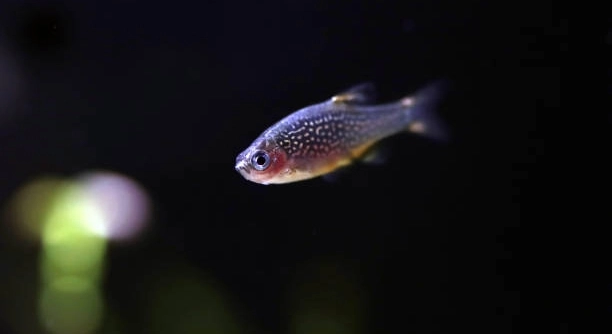
Celestial Pearl Danios are small, peaceful fish that bring color and movement to any aquarium. They are generally hardy, but owners sometimes notice changes in their behavior or appetite that may indicate health concerns.
Yes, Celestial Pearl Danios can experience constipation. This condition often results from a diet low in fiber, overfeeding, or consuming inappropriate foods. Maintaining a balanced diet and monitoring feeding habits are essential to prevent digestive issues.
Proper care and attention to diet can keep your Danios healthy and active. Understanding their needs helps ensure a thriving and vibrant aquarium environment.
Causes of Constipation in Celestial Pearl Danios
Constipation in Celestial Pearl Danios is often linked to diet and feeding habits. Feeding too many dry foods or foods low in fiber can slow digestion, leading to bloating and irregular waste elimination. Overfeeding is another common factor, as small fish can struggle to process excess food efficiently. Some fish may also develop constipation if they are given foods that expand in water, like certain pellets, which can swell in their stomachs. Stress can also play a role, as it affects their digestive system, especially if the tank conditions fluctuate. Temperature fluctuations, poor water quality, or aggressive tank mates can indirectly contribute by causing irregular feeding behavior. Ensuring a balanced diet with occasional live or frozen foods like daphnia or bloodworms helps maintain regular bowel movements. Observation is key, as subtle changes in activity, color, or swim pattern may indicate early digestive issues, allowing timely intervention before it worsens.
Constipation can also result from dehydration. Ensuring clean water and proper tank conditions supports regular digestion and fish health.
Providing a mix of high-fiber foods and monitoring feeding routines ensures that Danios remain active. Maintaining consistent water parameters reduces stress, which in turn supports their digestive system, keeping the fish healthy and energetic over time.
Symptoms to Watch For
Swollen abdomen, reduced appetite, and lethargy are common signs of constipation in Danios. These symptoms may appear gradually.
Constipation may also manifest through irregular swimming patterns or difficulty in maintaining balance. Observing these signs early allows for prompt care.
Recognizing constipation early is important to prevent further complications. A bloated or rounded belly, sluggish movement, and hesitation during feeding are key indicators. Some fish may stick near the bottom of the tank or isolate themselves, signaling discomfort. By regularly checking water quality, diet, and fish behavior, owners can catch these signs quickly. Adjusting diet to include fiber-rich options, feeding smaller portions, and occasionally offering live foods can relieve mild constipation. In more severe cases, temporary fasting or adding natural remedies like peas can help. Keeping the aquarium clean and stable minimizes stress, which also supports proper digestion. Consistent observation combined with proper diet and tank maintenance ensures that your Celestial Pearl Danios remain healthy and avoid chronic digestive problems, enhancing their activity and overall well-being.
Preventing Constipation in Celestial Pearl Danios
Feeding smaller portions and avoiding overfeeding is key. Including fiber-rich foods and occasional live or frozen treats keeps digestion regular. Proper tank conditions reduce stress and support overall fish health.
Balanced diets help prevent constipation. Offering high-quality flake foods supplemented with daphnia, bloodworms, or brine shrimp provides essential nutrients and fiber. Avoid foods that expand excessively in water, as they can cause bloating. Observing feeding patterns ensures no fish is left behind or overeating. Rotating food types supports digestive health and keeps your Danios active. Regular monitoring of water temperature, pH, and cleanliness minimizes stress, which directly influences digestive function. Maintaining a consistent feeding schedule encourages routine digestion.
Adjusting diet and tank maintenance can correct mild digestive issues. Offering occasional peas or soaking pellets before feeding helps soften food, promoting easier passage. Monitoring fish behavior daily ensures early detection of problems.
Treating Constipation in Celestial Pearl Danios
Fasting the fish for a day or two can relieve mild constipation. Offering peeled, cooked peas helps stimulate digestion naturally.
When constipation occurs, immediate intervention is important. Fasting allows the digestive system to clear built-up food, while small amounts of soft, fiber-rich foods help ease blockage. Using a gentle approach prevents further stress. Observation during treatment is crucial to ensure recovery. Maintaining clean water and stable conditions supports overall health while the digestive system recovers. Avoid sudden changes in diet or temperature, as these can exacerbate the condition. If symptoms persist, consulting an experienced aquarist or veterinarian familiar with freshwater fish can provide additional guidance and prevent complications. Consistent care during and after treatment ensures Danios return to normal activity levels.
Common Mistakes That Lead to Constipation
Overfeeding is the most frequent mistake. Giving too many pellets or flakes overwhelms their small digestive system.
Ignoring the need for fiber can also cause constipation. Feeding only dry foods without variation prevents proper digestion and can lead to bloating over time.
Adjusting Diet for Better Digestion
Including live or frozen foods like daphnia, bloodworms, or brine shrimp adds necessary nutrients and fiber. Occasionally offering cooked, peeled peas can help clear mild blockages. Rotating food types keeps their diet balanced, while soaking dry foods prevents expansion-related digestive issues. Consistent feeding schedules also support regular bowel movements. Observing how each fish responds to diet changes ensures adjustments are effective without causing stress. Maintaining stable water conditions alongside dietary changes maximizes digestive health and keeps the fish active, reducing the risk of future constipation.
When to Seek Professional Help
Persistent constipation despite dietary adjustments requires consultation. A veterinarian or experienced aquarist can guide further care.
FAQ
Can Celestial Pearl Danios recover fully from constipation?
Yes, most Danios recover completely with proper care. Fasting for a day or two and offering soft, fiber-rich foods like cooked, peeled peas can help relieve blockages. Maintaining clean water and stable tank conditions supports their recovery and prevents stress-related complications.
How often should I feed my Danios to avoid constipation?
Feeding small portions once or twice a day is ideal. Overfeeding can overwhelm their digestive system and lead to bloating. Observing their appetite and adjusting portion sizes ensures they receive adequate nutrition without digestive strain.
Are frozen or live foods better than dry flakes?
Both have benefits. Dry flakes provide consistent nutrition, but live or frozen foods like daphnia or bloodworms offer natural fiber that promotes healthy digestion. A combination of these foods is best to prevent constipation and maintain overall health.
Can water quality affect constipation?
Yes, poor water conditions can stress fish and disrupt digestion. Keeping the tank clean, with stable temperature, pH, and low ammonia or nitrate levels, supports regular feeding behavior and bowel movements. Stress from unstable conditions can make constipation more likely.
Should I use medications for constipation?
Medication is rarely necessary for mild cases. Natural remedies like fasting, softened foods, and peas are usually effective. Medications should only be considered under advice from an experienced aquarist or veterinarian. Overusing drugs can harm delicate fish systems.
Can tank size impact digestive health?
Smaller, overcrowded tanks can stress Danios, reducing appetite and slowing digestion. A properly sized tank with adequate swimming space and hiding spots encourages regular activity, supporting a healthy digestive system.
Is bloating always a sign of constipation?
Not always. Bloating can also indicate infection, dropsy, or other internal issues. Observing other symptoms like lethargy, loss of appetite, or abnormal swimming helps differentiate constipation from more serious conditions. Early detection improves outcomes.
How long does constipation last in Danios?
With proper care, constipation usually resolves within a few days. Extended issues may signal an underlying problem or dietary imbalance. Monitoring behavior and bowel movements helps track recovery and prevent recurrence.
Can adding fiber-rich foods prevent future constipation?
Yes, including fiber-rich foods regularly supports healthy digestion. Occasional peas, daphnia, or bloodworms keep their digestive system functioning well. Avoid over-reliance on dry flakes alone, as they may lack adequate fiber for long-term digestive health.
Are there any signs that constipation is worsening?
Persistent bloating, extreme lethargy, or refusal to eat are signs the condition may be worsening. Immediate intervention, such as fasting and dietary adjustments, is crucial. Consulting an experienced aquarist or veterinarian ensures proper treatment before complications arise.
Is fasting safe for Danios?
Short-term fasting of one to two days is generally safe and can help relieve mild constipation. It gives the digestive system time to clear built-up food. Water conditions must remain stable during fasting to avoid additional stress.
Can temperature changes help with constipation?
Slightly warmer, stable temperatures can improve metabolism and digestion. Sudden changes, however, can stress fish and worsen the problem. Maintaining consistent tank temperature while monitoring behavior is the safest approach.
How do I know if my Danios are constipated after dietary changes?
Observe for bloating, reduced appetite, or sluggish swimming. Regularly checking fecal output helps identify issues early. Small dietary adjustments, combined with careful observation, can prevent serious digestive problems and keep Danios active.
Are some Danios more prone to constipation than others?
Yes, individual metabolism, age, and size affect susceptibility. Younger or smaller fish may struggle more with overfeeding, while older fish may digest slower. Tailoring diet and portion sizes to each fish supports consistent digestive health.
Can stress alone cause constipation?
Stress can contribute to constipation by disrupting appetite and digestion. Factors like poor water quality, overcrowding, aggressive tank mates, or sudden environmental changes can all increase stress levels, making dietary adjustments less effective unless stressors are addressed.
Is it okay to mix different types of fish foods to prevent constipation?
Yes, combining flakes, pellets, and live or frozen foods ensures a balanced diet. Mixing food types provides both nutrition and fiber, helping prevent digestive issues. Rotate foods gradually to avoid sudden changes that could upset the digestive system.
Can constipation lead to other health issues?
If left untreated, constipation can cause bloating, lethargy, and secondary infections. Severe blockages may impact internal organs. Early intervention through dietary adjustments and proper tank care minimizes risks and supports long-term health.
How important is observation in preventing constipation?
Daily observation is essential. Watching for changes in appetite, swimming behavior, or physical appearance allows quick action. Consistent monitoring, combined with proper diet and tank maintenance, is the most effective way to prevent and manage constipation.
Are peas the only effective home remedy for constipation?
Peas are the most commonly recommended, but other soft, fiber-rich foods like daphnia or softened brine shrimp also help. The key is to introduce easily digestible fiber while maintaining regular feeding routines and stable tank conditions.
Can constipation recur if diet isn’t managed?
Yes, recurring constipation is common without proper diet and portion control. Maintaining a varied diet with sufficient fiber and observing feeding behavior prevents repeated digestive issues. Regular tank maintenance also supports consistent digestive health.
What should I avoid feeding to prevent constipation?
Avoid overfeeding, dry flakes only, and foods that expand excessively in water. These can swell in the stomach, leading to bloating and digestive blockage. Moderation and variety are critical for maintaining healthy digestion.
How do I safely reintroduce food after fasting?
Start with small amounts of softened or fiber-rich foods. Gradually increase portion size over a day or two while observing fish for signs of discomfort. Consistent feeding schedules after fasting help restore normal digestion and prevent repeat constipation.
Are there signs of improvement I should watch for?
Regular bowel movements, increased appetite, active swimming, and normal behavior indicate recovery. Monitoring physical appearance, such as reduced bloating, confirms that dietary and care adjustments are effective and digestion is returning to normal.
Can multiple Danios get constipated at the same time?
Yes, shared diet or poor tank conditions can affect all fish. Monitoring feeding routines, portion sizes, and water quality helps prevent simultaneous digestive issues in a community tank. Early intervention is easier when patterns are recognized.
How long should I continue dietary adjustments after constipation resolves?
Maintain a balanced, fiber-rich diet indefinitely. Once resolved, gradual introduction of varied foods ensures long-term digestive health. Consistent feeding habits and clean, stable water prevent recurrence, supporting overall vitality and activity levels in Celestial Pearl Danios.
Can constipation affect breeding or activity levels?
Yes, constipation can reduce energy and appetite, impacting breeding readiness and daily activity. Ensuring proper diet, water conditions, and observation helps maintain normal behavior and reproductive health. Healthy digestion supports growth, activity, and overall well-being in the aquarium.
Constipation in Celestial Pearl Danios is a condition that can usually be managed with careful observation and proper care. Understanding the factors that lead to digestive issues is essential for maintaining the health of these small, delicate fish. Diet plays the most significant role in preventing constipation, as overfeeding or offering inappropriate foods can easily overwhelm their digestive system. Providing a mix of high-quality flake foods along with live or frozen options, such as daphnia, bloodworms, or brine shrimp, introduces fiber and nutrients that support regular bowel movements. Occasionally offering soft, cooked, peeled peas can also help ease mild blockages. Monitoring portion sizes and sticking to a consistent feeding schedule ensures that Danios receive sufficient nutrition without placing unnecessary stress on their digestive systems.
Water quality and tank conditions are equally important for preventing digestive problems. Maintaining stable temperature, pH, and low levels of ammonia and nitrates creates an environment that supports proper digestion. Stress caused by poor water conditions, overcrowding, or aggressive tank mates can negatively affect appetite and bowel function. Observing daily behavior, including swimming patterns, activity levels, and appetite, allows early detection of any digestive irregularities. Minor changes, such as slight bloating or reduced feeding, can be addressed quickly with dietary adjustments and proper care, preventing more serious health issues. A combination of clean water, balanced nutrition, and a calm environment reduces the risk of constipation and helps Danios remain active and vibrant.
Intervening early and using simple measures often resolves constipation without the need for medication. Short fasting periods, supplemented with easily digestible fiber-rich foods, can relieve mild blockages. For more persistent cases, consulting a veterinarian or an experienced aquarist ensures the right course of action is taken without compromising fish health. Preventing constipation requires ongoing attention to feeding habits, diet variety, and tank maintenance. By following these steps, owners can ensure their Celestial Pearl Danios remain healthy, active, and comfortable in their aquarium. Consistent care and observation not only address immediate issues but also contribute to long-term well-being, keeping the fish thriving and adding beauty and life to the tank.

Hello,
If you enjoy the content that we create, please consider saying a "Thank You!" by leaving a tip.
Every little bit helps us continue crafting quality advice that supports the health, happiness, and well-being of pets around the world, for pets of all shapes, sizes, and species.
We really appreciate the kindness and support that you show us!