
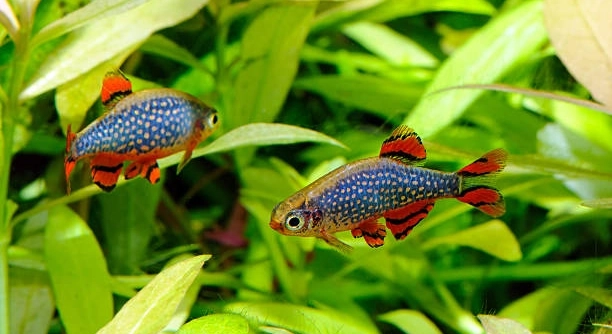
Many fishkeepers enjoy watching their celestial pearl danios interact in a well-established tank. These small, colorful fish are lively and social, often forming tight groups that swim together throughout the aquarium. Maintaining harmony is key for their health.
Adding new celestial pearl danios to an existing group is possible but requires careful planning. Introducing fish gradually, using quarantine practices, and monitoring behavior can reduce stress and aggression, ensuring the established community remains stable and peaceful.
Understanding proper introduction techniques helps maintain a happy and healthy aquarium environment for all your fish. Small changes can make a big difference in their daily interactions.
Preparing Your Tank for New Celestial Pearl Danios
Before introducing new celestial pearl danios, it is important to prepare the tank properly. Start by checking the water parameters, ensuring temperature, pH, and hardness match the needs of the existing group. Clean the tank thoroughly and perform a partial water change to reduce stress on both old and new fish. Adding extra hiding spots like plants or decorations helps the newcomers feel safe and gives territorial fish a way to establish boundaries. Observing the current group for signs of aggression or illness is also crucial. Quarantining new fish for at least two weeks can prevent the spread of disease and give them time to adjust. Introducing fish gradually, either using a divider or slowly acclimating them in the main tank, can make a big difference. Patience during this stage is key for maintaining harmony.
Proper tank preparation greatly increases the chances of a smooth introduction and keeps all fish healthy.
Careful observation during the first week after adding new danios helps prevent conflicts and ensures everyone adjusts peacefully.
Introducing New Danios to the Group
Slow introductions are the best approach for adding new celestial pearl danios. Place the new fish in a small container or net inside the main tank for a few hours each day, allowing both groups to see each other without physical contact. Gradually increase interaction time while watching for aggression.
When the fish finally mingle, it is normal to see brief chasing or minor nipping. Avoid intervening unless serious injuries occur. Ensure food is spread evenly across the tank so all fish get a fair share. Keeping the environment stable with consistent lighting and minimal sudden movements reduces stress. Providing extra plants or small caves gives new fish safe spaces, encouraging them to explore at their own pace. Over the first few days, the group will start forming a more natural hierarchy, and most chasing behavior will decrease. Patience and careful observation are essential to ensure the old and new celestial pearl danios coexist peacefully and maintain their lively, colorful display.
Monitoring Behavior After Introduction
Watching how your celestial pearl danios interact is essential. Look for signs of stress, aggression, or hiding. Early detection of issues can prevent injuries and help you adjust the environment quickly. Keep notes of any unusual behavior patterns.
Minor chasing is normal as new fish settle in, but persistent aggression may indicate territorial disputes or overcrowding. Make sure the tank has enough plants, caves, and hiding spots to reduce stress. Observe feeding times to ensure all fish are eating properly, and intervene only if serious injuries occur. Gradual acclimation often reduces conflicts over time.
Record keeping is helpful when monitoring behavior. Track interactions, feeding habits, and any injuries. This allows you to notice patterns and make timely adjustments. Ensuring that all fish feel safe helps maintain a peaceful, balanced group in your aquarium.
Feeding Strategies for Mixed Groups
Feed smaller amounts more frequently to prevent dominant fish from taking all the food. Scatter food across the tank so every danio has access and feels secure. Variety in diet supports health.
Balanced feeding helps maintain harmony among old and new fish. Celestial pearl danios thrive on high-quality flake, micro-pellets, and occasional live or frozen foods. Observing which fish eat first can highlight any timid individuals that may need extra attention. Rotate feeding locations and types to reduce competition and encourage exploration. Avoid overfeeding, as uneaten food can degrade water quality, stressing all fish. Feeding consistently and monitoring intake ensures both established and new danios remain healthy, active, and colorful.
Consistency and attention to feeding habits prevent nutritional gaps and minimize aggression. Adjust portions as needed to support growth and reduce conflict, keeping the tank balanced for all inhabitants.
Preventing Aggression
Provide plenty of plants and hiding spots to reduce tension. Break up sight lines so territorial disputes are less likely. Observing interactions daily helps catch early signs of aggression before they escalate.
Separate any overly aggressive fish temporarily if chasing becomes harmful. Quick action prevents injuries and stress, keeping the group balanced.
Maintaining Water Quality
Regular water changes are essential when introducing new fish. Fresh, clean water supports immune systems and reduces stress for both established and new celestial pearl danios. Testing water parameters frequently ensures temperature, pH, and hardness remain stable.
Maintaining proper filtration and avoiding overcrowding are equally important. Uneaten food should be removed promptly to prevent ammonia spikes, which can harm fish and trigger aggression. Consistent maintenance helps your group stay healthy, reduces stress-related behavior, and ensures the aquarium remains a peaceful environment for all inhabitants. Healthy water encourages natural, calm interactions among all danios.
Recognizing Stress Signs
Watch for clamped fins, hiding, or loss of color. Early detection allows timely intervention to prevent harm.
FAQ
Can new celestial pearl danios be added to a tank with older fish?
Yes, they can. Gradual introductions are key. Quarantine new fish for two weeks first, then use a divider or acclimation method to let both groups adjust to each other without physical contact.
How long does it take for new fish to settle in?
Most new celestial pearl danios start adjusting within a few days, but full acceptance can take one to two weeks. During this time, minor chasing or hiding is normal. Continuous observation is essential to prevent stress or injury.
What are signs of aggression in a mixed group?
Aggression often shows as persistent chasing, nipping at fins, or cornering other fish. Minor scuffles are normal at first, but if any fish shows injuries or constant retreating, it may be necessary to separate aggressive individuals temporarily.
How can I reduce stress during introduction?
Provide extra plants, decorations, and hiding spots. Maintain stable water parameters and consistent feeding routines. Introducing fish slowly and in small increments helps reduce fear and tension in both new and established danios.
Is quarantining new fish really necessary?
Yes. Quarantining protects your existing group from potential disease and gives new fish a safe space to adjust. Even healthy-looking fish can carry parasites or infections that may stress or harm the older group.
Should I feed the fish differently when introducing newcomers?
Yes. Feed smaller amounts more often and scatter food around the tank to reduce competition. Ensure shy or timid fish get access to food, preventing malnutrition and reducing aggression over mealtimes.
Can tank size affect the introduction process?
Absolutely. A larger tank provides more space for territories and hiding spots, reducing conflicts. Smaller tanks may increase aggression and stress, so consider tank size carefully when adding new fish to an established group.
How can I monitor if new fish are healthy after introduction?
Observe behavior, appetite, and physical appearance daily. Healthy danios are active, swim normally, and maintain bright colors. Any signs of lethargy, clamped fins, or unusual spots should be addressed promptly, as these indicate stress or illness.
What is the best way to handle persistent aggression?
Temporarily isolate aggressive individuals or rearrange tank decorations to disrupt established territories. Avoid sudden changes that may increase stress. Most issues resolve within a few days once the group establishes a natural hierarchy.
Can I add multiple new fish at once?
Yes, but introduce them together as a group rather than one by one. This prevents the older fish from focusing aggression on a single newcomer. Multiple new fish can support each other while adapting to the established group.
How often should water changes be done after adding new danios?
Regular water changes are essential. A 20-25% change once a week is recommended. This maintains stable water quality, reduces stress, and helps prevent aggression triggered by poor conditions or excess waste.
Are there specific plants or decorations that help during introductions?
Dense plants, caves, and floating decorations create hiding spots and visual barriers. These allow timid fish to escape from dominant ones, helping everyone feel safe while new social hierarchies form.
What should I do if a new fish gets injured?
Move the injured fish to a quarantine or hospital tank if necessary. Treat wounds with appropriate care and monitor the main tank to prevent repeated aggression. Minor injuries may heal naturally if the group’s hierarchy stabilizes.
Can old danios reject newcomers permanently?
It’s uncommon, but some individuals may remain territorial. Careful observation, extra hiding spots, and sometimes separating the most aggressive fish usually resolve the issue, allowing the group to coexist peacefully.
How long should I watch interactions closely?
The first two weeks are the most critical. Daily observation during this period ensures that any signs of stress, aggression, or illness are addressed promptly, helping the group settle into a stable, calm community.
Is it necessary to rearrange decorations when adding new fish?
Yes, slight rearrangements can break established territories and reduce aggression. Move plants or rocks carefully to maintain hiding spots while encouraging fair distribution of space among all fish.
What role does lighting play during introduction?
Consistent lighting helps reduce stress. Sudden changes in brightness or prolonged darkness can make fish anxious, leading to aggression. Maintain normal day-night cycles to keep both old and new danios calm.
Can personality differences affect integration?
Yes, some danios are naturally more dominant or timid. Providing enough space, hiding spots, and balanced feeding can help accommodate different personalities and reduce conflicts in the group.
Should I introduce new fish at a certain time of day?
Introducing fish during early morning or evening, when activity is lower, can reduce stress. Avoid peak feeding times or sudden disturbances to keep interactions calmer during initial introductions.
Is it safe to mix different ages of celestial pearl danios?
Yes, but be cautious with size differences. Larger, older fish may dominate smaller newcomers. Provide plenty of space, hiding spots, and monitor feeding to ensure all fish thrive and adapt safely.
What long-term care helps maintain harmony?
Regular observation, consistent water changes, balanced feeding, and periodic tank rearrangements help maintain a peaceful environment. Ensuring all fish have space and hiding spots supports long-term group stability and health.
How do I know if the introduction was successful?
A successful introduction shows minimal chasing, normal feeding, active swimming, and bright colors in all fish. Newcomers should explore freely and interact naturally with the older group without persistent fear or aggression.
Can stress affect coloration in celestial pearl danios?
Yes, stressed fish often lose their vibrant colors. Stable water conditions, safe hiding spots, and reduced aggression help maintain their bright and healthy appearance.
What should I do if integration fails?
If conflicts persist despite precautions, separate aggressive or stressed fish temporarily. Reintroduce them slowly after the tank stabilizes, ensuring enough hiding spaces and food for everyone. Some trial and error may be needed to achieve harmony.
How important is patience during this process?
Patience is crucial. Rushing the introduction increases stress, aggression, and potential injury. Gradual acclimation, careful observation, and small adjustments over days or weeks are the best way to ensure a peaceful, healthy group.
Can environmental enrichment reduce conflicts?
Yes, providing plants, caves, and varied decorations encourages natural behaviors and exploration. This helps reduce boredom, stress, and aggression, making it easier for new and old fish to coexist peacefully.
Should water chemistry match exactly for new and old fish?
Yes, matching pH, temperature, and hardness reduces stress. Sudden changes in water conditions can trigger aggression or illness, so gradual acclimation and careful monitoring are essential for a smooth introduction.
Is it normal for new fish to hide for days?
Yes, hiding is a natural response as they adjust to a new environment. Ensure they have safe spaces and observe for normal feeding and swimming behavior. Gradually, they will become more active as confidence grows.
Can I introduce other species with celestial pearl danios?
It’s possible, but compatibility depends on temperament and size. Avoid aggressive or much larger fish, which may harm danios. Research each species carefully and provide ample space to minimize stress and conflicts.
How often should I observe interactions after the first two weeks?
Continue regular checks at least a few times a week. Even after initial integration, subtle stress or aggression can develop, so ongoing observation ensures the group remains balanced and healthy.
Does tank layout affect long-term group stability?
Yes, thoughtful layout with hiding spots, open swimming areas, and visual barriers helps maintain harmony. Periodic rearrangements can prevent boredom and reduce the chance of renewed aggression.
Can adding too many new fish at once cause problems?
Yes, overloading the tank increases stress, competition, and aggression. Introduce only a few fish at a time, depending on tank size, to maintain balance and ensure all fish adapt successfully.
Are there signs that a new fish is thriving?
A thriving fish is active, eats well, displays bright colors, and interacts naturally with the group. Confident swimming, exploring hiding spots, and minimal hiding indicate successful adaptation and comfort in the tank.
How do I balance group size for celestial pearl danios?
Maintain at least six individuals to encourage social behavior. Avoid overcrowding, which can increase aggression and stress. Introduce newcomers gradually to keep the group size balanced and ensure all fish have enough space.
Can stress lead to disease in new or old fish?
Yes, stress weakens immune systems, making fish more susceptible to infections and parasites. Maintaining stable water conditions, proper feeding, and minimal aggression helps prevent stress-related illnesses.
What is the most common mistake during introductions?
Rushing the process or failing to provide hiding spots is the most common mistake. Immediate mixing can lead to injury, stress, and long-term behavioral issues. Gradual introduction and proper tank setup are essential for success.
How important is observation compared to other care factors?
Observation is as critical as water quality or feeding. Watching for early signs of aggression, illness, or stress allows timely intervention, ensuring the group remains healthy and integrated successfully.
What tools can help monitor new and old fish interactions?
Use notes, cameras, or checklists to track feeding, behavior, and health. Detailed observation helps identify patterns, aggression hotspots, or shy individuals, guiding adjustments for a stable tank environment.
Can minor injuries heal on their own?
Yes, small fin nips often heal without intervention if stress is reduced. Ensure clean water, minimal aggression, and proper nutrition to support natural recovery.
Are celestial pearl danios sensitive to environmental changes during introduction?
Yes, sudden changes in temperature, pH, or lighting can cause stress. Keep conditions stable and acclimate new fish slowly to minimize shock and aggression.
How does group hierarchy form in danios?
Danios establish a natural hierarchy through mild chasing and displays. Providing space and hiding spots allows this to occur without serious conflict. Over time, most chasing decreases as roles settle naturally.
Can tank mates influence the integration of new danios?
Yes, overly aggressive or dominant species may prevent newcomers from settling. Selecting peaceful, similarly sized tank mates supports smoother adaptation and reduces stress-related behaviors.
How long should I quarantine aggressive individuals?
Aggressive fish may need a few days to a week apart. Observe carefully and reintroduce only when aggression decreases and both groups show calm behavior.
What role does water flow play during integration?
Moderate water flow reduces stress and encourages natural swimming behavior. Strong currents may overwhelm shy newcomers, while stagnant areas can increase hiding and aggression. Balance flow for optimal adjustment.
Can diet adjustments improve acceptance of new fish?
Yes, offering high-quality food and occasional live or frozen treats helps reduce competition and stress. Sharing food in multiple locations ensures all fish are nourished and calm.
How to handle timid fish in a mixed group?
Provide hiding spots, feed in quiet areas, and avoid sudden disturbances. Gradually, timid fish will gain confidence and participate in normal group interactions.
What is the role of lighting during feeding and acclimation?
Consistent, gentle lighting encourages normal behavior. Avoid sudden bright lights during introduction, which can stress fish and trigger aggression, interfering with adaptation.
Are there long-term signs of a successful introduction?
Yes, fish swim actively together, eat without fear, maintain bright colors, and show minimal chasing. Peaceful coexistence and confident exploration indicate a stable, integrated group.
Can water temperature shifts affect group harmony?
Yes, sudden temperature changes can stress both old and new fish, increasing aggression and illness risk. Gradual acclimation and stable temperatures support smooth integration and calm behavior.
Is it better to introduce juvenile or adult fish?
Juveniles often adapt more easily, as older fish may be less tolerant of newcomers. However, adult fish can still integrate successfully with careful planning, sufficient space, and gradual introduction.
Can rearranging tank layout too often be harmful?
Frequent, drastic changes can stress fish. Minor adjustments are helpful, but stability is important for building trust, reducing aggression, and allowing natural hierarchies to form.
How do I know if a timid new fish is improving?
Signs of improvement include exploring open areas, eating well, interacting with other fish, and gradually reducing hiding behavior. Consistent observation helps track progress and adjust care.
What should I do if a fish refuses to eat?
Try feeding smaller amounts, different types of food, or placing food near hiding spots. Persistent refusal may indicate stress or illness, requiring observation or temporary isolation for care.
How often should I check water parameters during introduction?
Check at least twice weekly to ensure stable conditions. Consistent temperature, pH, and hardness prevent stress and reduce the risk of aggression or disease in both old and new fish.
Can floating plants help during integration?
Yes, they provide cover, reduce direct line of sight, and give shy fish confidence to explore. Floating plants create a more comfortable environment for all fish during the initial days.
How does overfeeding affect group behavior?
Overfeeding leads to excess waste, poor water quality, and increased stress, which can trigger aggression. Balanced, moderate feeding supports health and calmer interactions among all fish.
Are there behavioral differences between male and female danios during introduction?
Males may display more chasing and territorial behavior, while females are generally calmer. Observing these tendencies helps anticipate interactions and provide adequate space for all fish.
Can adding new fish too frequently disrupt stability?
Yes, repeated introductions can increase stress, aggression, and hierarchy disruptions. Allow the group to settle fully before adding more fish to maintain balance.
Is it normal for old fish to explore new hiding spots?
Yes, rearranged decorations and new additions encourage exploration. This natural curiosity helps maintain activity and reduces boredom, promoting a harmonious aquarium environment.
How do I know if my feeding strategy is effective?
All fish should eat adequately, show normal activity, and maintain bright colors. Uneven feeding, aggression, or malnutrition indicates adjustments are needed to support the group.
Can adding live plants help reduce aggression?
Yes, live plants create natural cover, break up sight lines, and provide secure spaces. They reduce stress, support healthy behavior, and improve overall tank aesthetics.
What should I do if aggression persists beyond two weeks?
Reassess tank size, hiding spots, and group composition. Temporary separation, rearranging decorations, or adjusting feeding routines can resolve lingering conflicts. Ongoing monitoring ensures long-term peace.
Can introducing new fish improve overall activity in the tank?
Yes, new additions stimulate movement, curiosity, and social interaction. Proper acclimation and gradual introduction allow everyone to benefit from increased activity without causing stress or conflict.
How important is patience compared to water quality and diet?
Patience is equally critical. Even with perfect water and food, rushing introductions leads to stress and aggression. Gradual acclimation, observation, and small adjustments ensure smooth integration and long-term success.
Can shy fish become more confident over time?
Yes, with hiding spots, proper feeding, and calm tankmates, timid fish gradually explore more and participate in social behaviors, eventually becoming active members of the group.
Should I change lighting when adding new fish?
Keep lighting consistent to avoid stress. Gentle, stable lighting helps fish feel secure, encourages normal activity, and reduces aggression during the acclimation period.
How long does it take to fully integrate new danios?
Integration usually takes one to two weeks, depending on tank size, hiding spots, and personalities. Careful observation, gradual introduction, and proper care speed up adaptation.
Can tank decor impact social behavior?
Yes, plants, caves, and visual barriers reduce conflicts, provide territories, and encourage natural interactions. Thoughtful arrangement supports peaceful coexistence between old and new fish.
Is it better to introduce fish in the morning or evening?
Early morning or evening introductions reduce stress, as fish are generally less active. This minimizes sudden chasing and allows calmer initial acclimation.
How do I handle water chemistry differences between tanks?
Acclimate new fish slowly using drip or gradual mixing methods. Matching temperature, pH, and hardness prevents shock and aggression, ensuring a smoother introduction.
Can overstocking affect new fish adaptation?
Yes, too many fish increase competition, stress, and aggression. Ensure tank size accommodates both existing and new danios to maintain balance and safety.
What long-term habits help maintain harmony?
Regular monitoring, consistent feeding, water changes, and periodic rearrangement of decor keep stress low, reduce aggression, and support a peaceful, healthy aquarium environment.
How can I encourage timid fish to socialize?
Provide hiding spots, feed near them gently, and avoid sudden movements. Gradually, they will gain confidence and engage more with the group.
Can tank size influence feeding hierarchy?
Yes, in small tanks dominant fish may monopolize food. Larger tanks with scattered feeding locations allow shy fish to eat safely, reducing stress and aggression.
What is the most important factor for successful integration?
Gradual introduction, proper tank setup, observation, and patience are key. Balancing water quality, feeding, and space ensures old and new fish coexist peacefully.
Can floating or dense plants help during feeding?
Yes, they provide cover for shy fish and reduce dominance-related stress, allowing everyone to access food comfortably.
How to prevent long-term stress after integration?
Maintain stable water parameters, consistent feeding, plenty of hiding spots, and regular observation. Early intervention for aggression or illness prevents chronic stress and keeps the group healthy.
Are minor fin nips normal during the first week?
Yes, brief nipping is part of establishing hierarchy. As fish settle, chasing decreases, and most minor injuries heal naturally with proper water quality and nutrition.
Should I separate fish for feeding if aggression occurs?
Temporarily separating dominant fish or using feeding stations helps ensure all fish eat safely. Once everyone is comfortable, normal feeding routines can resume.
How do I know the introduction was successful long-term?
Success is indicated by active swimming, bright colors, balanced feeding, minimal aggression, and confident interaction among all fish in the tank.
Can rearranging tank decor too much stress fish?
Yes, sudden major changes increase stress. Minor adjustments are helpful, but stability is important for building trust and maintaining calm social behavior.
Does water temperature consistency matter during introduction?
Yes, stable temperature prevents stress, supports immune health, and reduces aggression, allowing new and old fish to integrate smoothly.
How can I tell if new fish are eating enough?
Observe feeding behavior daily. Shy fish may need extra attention or scattered food to ensure proper nutrition. Healthy fish are active, colorful, and eat regularly.
Are there ways to reduce aggression without removing fish?
Yes, adding plants, caves, floating barriers, rearranging decorations, and feeding in multiple locations can reduce conflicts while keeping the group together.
Can regular water changes help reduce stress?
Yes, clean water improves health, reduces
Adding new celestial pearl danios to an established group can feel a bit intimidating at first, but with patience and proper preparation, it is entirely manageable. Observing their behavior closely and taking small, careful steps during introduction makes a big difference. Ensuring that the tank is clean, well-planted, and provides plenty of hiding spots helps reduce stress for both the old and new fish. Quarantining new fish before adding them is a simple precaution that prevents illness from spreading, keeping everyone healthy. Gradual acclimation, whether through a divider or slow release into the tank, allows both groups to adjust without overwhelming each other. Small details like matching water parameters and maintaining consistent lighting also help reduce tension, making the process smoother.
Once the new fish are in the main tank, daily observation is essential. Some chasing and minor nipping are normal as the fish establish a natural hierarchy, but persistent aggression or signs of stress should be addressed immediately. Providing extra hiding places and scattering food can reduce conflicts during feeding times. It is normal for shy newcomers to hide at first, and over time they usually become more confident as they explore the tank and interact with the established group. Monitoring color, activity, and appetite gives a good indication of how well the fish are adapting. If problems persist, temporarily separating aggressive fish or rearranging the tank layout can help restore balance and peace. By taking these steps, it is possible to maintain a calm, harmonious aquarium where all your celestial pearl danios thrive.
Long-term care is just as important as the initial introduction. Maintaining stable water quality through regular changes, consistent feeding routines, and providing a variety of hiding spots helps prevent stress and aggression from resurfacing. Rotating tank decorations or plants occasionally encourages exploration without causing sudden disturbances. Observing interactions and adjusting care based on behavior ensures that all fish feel secure and active. Over time, the group will settle into a natural rhythm, with minimal chasing and peaceful social behavior. By being attentive, patient, and proactive, you can create a balanced and healthy environment that allows both new and existing celestial pearl danios to coexist comfortably. A well-managed tank not only keeps your fish safe and healthy but also allows you to enjoy their vibrant colors and lively movements every day.

Hello,
If you enjoy the content that we create, please consider saying a "Thank You!" by leaving a tip.
Every little bit helps us continue crafting quality advice that supports the health, happiness, and well-being of pets around the world, for pets of all shapes, sizes, and species.
We really appreciate the kindness and support that you show us!