
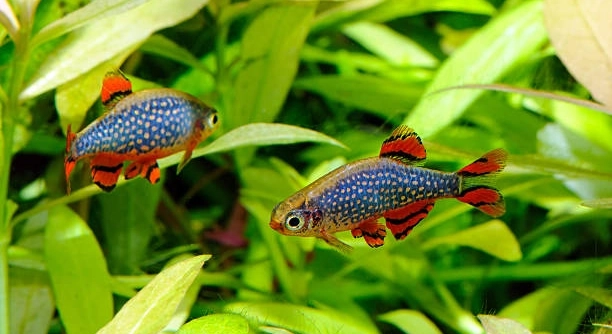
Creating a comfortable and stimulating environment for aquatic pets goes beyond basic tank setup. Providing the right décor can help fish and other tank inhabitants display natural behaviors and thrive in their habitat.
Adding rocks, plants, driftwood, and other tank decorations can promote natural behaviors by offering hiding spots, exploring opportunities, and territorial boundaries. Properly arranged décor supports movement, foraging, and social interaction, contributing to overall physical and mental well-being of aquatic species.
Choosing the right elements can make a lasting difference in your tank’s ecosystem and the behavior of its residents.
Natural Hiding Spots
Creating spaces where your fish or aquatic animals can hide is essential for reducing stress. Rocks, caves, and dense plant clusters give them areas to retreat when they feel threatened or need rest. These spaces mimic natural shelters found in rivers, lakes, or coral reefs, allowing your tank inhabitants to feel secure. Fish that have access to hiding spots often display more active and confident behavior, exploring other areas when they feel safe. Overcrowding should be avoided, as too many decorations can limit swimming space and reduce interaction. By balancing open areas and sheltered zones, you create a dynamic environment that promotes both safety and activity. Observing your pets use these spaces can also provide insights into their health and comfort levels. Regularly inspecting decorations for sharp edges or unstable arrangements ensures their safety. Using natural materials helps maintain water quality while supporting natural behavior. Even simple adjustments can significantly improve their daily routines and overall well-being.
Natural hiding spots allow pets to feel safe and reduce stress, creating a healthier tank environment overall.
Providing these retreats encourages exploration, social interaction, and natural behaviors while maintaining a balanced, safe habitat for each aquatic inhabitant.
Plants and Vegetation
Live or artificial plants give structure to a tank and improve water quality.
Plants offer surfaces for grazing, hiding, and exploring. They also encourage natural foraging and movement patterns. Aquatic animals feel more at ease with vegetation that breaks up open water areas. Well-chosen plants can mimic riverbeds or pond edges, providing a realistic setting. Placement should consider swimming space and light needs for live plants. Plants with varying heights and textures create depth and interest, giving animals multiple zones to interact with. Some species may nibble or use plants for cover during rest, which aligns with instinctive behavior. Artificial plants can provide similar benefits if live plants are impractical. Maintaining healthy plants reduces algae growth and stabilizes water conditions, supporting long-term health. Including both foreground and background plants creates layers, which can help shy species feel secure while more confident species explore freely. This combination of coverage, texture, and depth fosters a balanced, engaging, and stimulating tank environment.
Driftwood and Branches
Driftwood provides hiding spots, climbing areas, and resting points. It also releases natural tannins, which can slightly acidify water and benefit certain species.
Driftwood adds both function and aesthetic value to a tank. Fish can swim around, hide beneath, or perch on branches. It encourages natural territorial behavior while creating shaded areas for resting. Certain species enjoy grazing on the biofilm that forms on driftwood, promoting foraging habits. Driftwood also helps anchor plants, providing stable roots for growth. The shapes and textures vary, allowing for creative arrangements that suit different tank sizes and species needs. Over time, driftwood can soften and change water color slightly, which replicates natural habitats. Choosing pieces that are safe and properly treated ensures the tank remains healthy and free of harmful chemicals.
Adding branches can increase vertical space, offering climbing and exploring opportunities for certain fish and invertebrates. It also supports natural movement patterns, contributing to overall tank enrichment.
Rocks and Stone Structures
Rocks can form caves, ledges, and boundaries. They provide shelter, reduce aggression, and create resting areas for bottom dwellers.
Arranging rocks strategically allows fish to claim territories while offering protection for shy species. Fish often use crevices and gaps as escape routes or breeding spots. Stones can also anchor plants and mosses, adding depth and texture to the tank. Certain species may graze on algae that grows on rock surfaces, encouraging natural feeding behaviors. Using varied sizes and shapes prevents monotony and promotes exploration. Properly secured rocks prevent shifts that could injure inhabitants. Combining smooth and rugged textures caters to different species preferences, ensuring all animals feel comfortable and engaged. Rocks contribute to water stability by buffering pH levels for some species, enhancing overall tank health.
Stone structures can be arranged to create visual interest while providing practical benefits, including protection, foraging surfaces, and resting zones for active and shy aquatic species.
Floating Decorations
Floating decorations provide shade and shelter while creating a sense of security. They also break up open water areas, encouraging natural swimming patterns.
They can mimic plants or driftwood, giving fish areas to hide beneath. Floating elements help shy species feel safe while allowing confident species to explore freely.
Substrate Variation
Using different substrates, such as sand, gravel, or pebbles, encourages digging, foraging, and territorial behaviors. Substrate choice can affect how fish interact with their environment and promote natural instincts. Proper layering can create depth, helping plants anchor and providing areas for species to exhibit specific behaviors.
Background Elements
Background images or 3D structures reduce stress by limiting external visual disturbances. They also add depth and make the tank feel more secure.
Leaf Litter
Adding leaf litter creates natural hiding spaces, encourages foraging, and introduces beneficial tannins into the water. It supports natural behaviors and can improve water quality while providing a familiar environment.
FAQ
What types of décor are safest for my tank?
Natural materials like smooth rocks, driftwood, and live plants are usually the safest options. Avoid sharp edges, treated wood, or plastics that can leach chemicals. Always rinse decorations before placing them in the tank and observe your pets to ensure nothing causes stress or injury.
How do I arrange décor to encourage natural behavior?
Balance open swimming areas with hiding spots. Place rocks and plants in clusters to create shelter while leaving clear spaces for movement. Vary heights and textures to promote exploration and activity. Consider species-specific needs, like caves for shy fish or vertical branches for climbing species.
Can décor affect water quality?
Yes, some materials release tannins or minerals that can slightly change water pH and hardness. Driftwood, leaf litter, and certain stones can create beneficial conditions for species adapted to these changes. Regular monitoring ensures the tank remains stable and safe for all inhabitants.
How often should I clean or replace decorations?
Cleaning depends on material type. Rocks and plastic décor can be scrubbed monthly to remove algae, while driftwood and leaf litter may need partial replacement over time. Avoid harsh chemicals that could harm your pets. Maintaining a clean environment supports natural behavior and overall health.
Are live plants better than artificial ones?
Live plants provide natural filtration, oxygenation, and grazing surfaces. They also support natural behaviors like hiding and foraging. Artificial plants offer similar shelter but do not contribute to water quality. Choosing between the two depends on tank conditions, maintenance willingness, and the species’ needs.
How do I prevent overcrowding with décor?
Ensure swimming areas remain open while adding shelters and obstacles. Avoid stacking too many rocks or placing excessive plants that limit movement. Observe your pets; if they seem stressed or unable to swim freely, rearrange or remove décor to maintain balance and comfort.
Can décor help with aggression among fish?
Yes, décor can provide territorial boundaries and escape routes. Rocks, plants, and caves allow subordinate fish to hide, reducing stress and aggression. Grouping decorations in clusters creates visual separation, helping territorial species coexist peacefully while promoting natural interaction.
What role does substrate play in natural behavior?
Substrate encourages digging, foraging, and territorial behaviors. Sand, gravel, or pebbles mimic natural environments and allow bottom-dwelling species to exhibit instinctive behaviors. Mixing textures and depths can further stimulate exploration and support plant growth, creating a more engaging tank environment.
How can I make my tank feel more natural overall?
Use a combination of hiding spots, varied substrates, live plants, driftwood, rocks, and leaf litter. Balance open spaces with shaded or sheltered areas. Consider the species’ natural habitat and behaviors, and observe how they interact with each element to adjust décor accordingly.
Is it necessary to rotate or change décor over time?
Occasional rearrangement can stimulate curiosity and prevent boredom. Introducing new hiding spots, branches, or substrate areas encourages exploration and natural activity. Changes should be gradual to reduce stress, maintaining familiar elements while enhancing environmental enrichment.
How do I choose décor for specific species?
Research the natural habitat of each species. Bottom dwellers may prefer soft substrates and caves, while mid-water swimmers may benefit from floating plants and vertical branches. Aggressive species need territorial markers, and shy species require more hiding spots. Tailor the environment to encourage natural behaviors and comfort.
Can décor help breeding behaviors?
Yes, caves, dense plant clusters, and leaf litter provide secure sites for egg-laying and fry protection. Many species rely on specific structures to reproduce naturally. Properly arranged décor can increase breeding success while reducing stress for both parents and offspring.
What precautions should I take when adding new decorations?
Rinse all décor thoroughly, check for sharp edges or loose pieces, and monitor water parameters after adding new elements. Introduce one item at a time to observe behavioral responses. Gradual additions help maintain stability and prevent stress or injury.
Are there decorations to avoid entirely?
Avoid treated wood, metal objects that can rust, painted plastics, and anything that could leach toxins. Sharp edges or small pieces that fish could ingest should also be removed. Stick to natural, non-toxic materials designed for aquarium use to ensure safety and encourage healthy behaviors.
How do I maintain a balance between décor and swimming space?
Keep roughly 50-60% of the tank open for swimming. Place decorations along edges or in corners, creating zones for exploration and rest. Adjust placement as your pets grow or as new species are introduced, ensuring each inhabitant has access to shelter and free swimming areas.
Can décor influence social interactions?
Yes, properly arranged shelters and territories reduce stress and aggression while encouraging natural social behavior. Fish can establish territories, hide from dominant individuals, or interact in open areas. Observing these behaviors helps determine if adjustments are needed to maintain harmony in the tank.
How can I tell if décor is helping my pets?
Active swimming, foraging, hiding when needed, and normal social interactions indicate that décor supports natural behavior. Stress signs like constant hiding, aggression, or lethargy suggest adjustments are necessary. Monitoring and gradual changes allow you to create a supportive, engaging environment for all tank inhabitants.
Can décor improve mental stimulation?
Yes, varied textures, hiding spots, climbing areas, and open spaces encourage exploration and problem-solving. Mental stimulation reduces stress, prevents boredom, and promotes natural behaviors, resulting in healthier, more active pets.
How do I safely combine multiple types of décor?
Mix plants, rocks, driftwood, and substrate thoughtfully. Ensure stability, avoid overcrowding, and maintain swimming space. Each element should complement others, providing shelter, foraging opportunities, and visual barriers without restricting movement or causing hazards. Proper combination fosters natural behavior and a balanced ecosystem.
Are there seasonal considerations for décor?
Some live plants grow differently depending on light and temperature. Leaf litter may decompose faster in warmer water. Adjust décor accordingly, monitoring water conditions and pet behavior to maintain a safe, stimulating environment throughout the year.
Can decorations impact tank maintenance?
Yes, some decorations trap debris or affect water flow. Choose shapes and placements that are easy to clean while supporting natural behavior. Regular maintenance prevents buildup, maintains water quality, and ensures all elements continue to benefit tank inhabitants.
How do I know when it’s time to update décor?
Signs include overgrown plants, unstable structures, visible algae buildup, or pets avoiding certain areas. Gradual updates can refresh the environment, stimulate exploration, and maintain a safe, engaging habitat for all species.
What are some budget-friendly décor options?
Smooth river rocks, untreated driftwood, and leaf litter can be sourced affordably. DIY caves using aquarium-safe materials or repurposed items can also provide enrichment. Budget options can still offer meaningful shelter, exploration opportunities, and support natural behaviors without compromising safety.
How does décor affect tank aesthetics?
Natural décor enhances visual depth, creates focal points, and simulates real habitats. Thoughtful arrangement not only benefits pets’ behavior but also improves the overall appearance, making the tank pleasing while functional and stimulating.
Can décor help new fish acclimate?
Yes, hiding spots, plants, and shelters reduce stress and give new fish a chance to explore gradually. Familiar zones provide security, helping them adjust to the environment and encouraging natural behavior from the start.
How often should I observe pet interactions with décor?
Daily observation allows you to notice stress, aggression, or lack of engagement. Monitoring interactions ensures decorations continue to serve their purpose, allowing timely adjustments for comfort, safety, and enrichment.
Is there a risk of over-decorating the tank?
Yes, excessive décor can restrict movement, reduce swimming space, and cause stress. Balance is key: provide shelters, hiding spots, and enrichment while maintaining open areas for activity and interaction.
How can I encourage shy fish to explore décor?
Place shelters near open areas and gradually add elements. Over time, shy fish will feel secure and venture out, interacting with different zones while practicing natural behaviors.
Can décor influence feeding behavior?
Yes, hiding spots and substrate variation encourage foraging and mimic natural food searches. Plants and textured surfaces provide grazing opportunities, promoting healthy, instinctive feeding habits.
Do decorations require quarantine before use?
For safety, rinse and inspect all décor. While not always necessary, soaking or boiling certain natural items can remove contaminants. Quarantining sensitive items reduces risk to water quality and protects fish health.
How do I choose décor for multiple species?
Consider species’ behaviors, swimming levels, and territorial needs. Provide diverse shelters, varied substrates, and open areas to accommodate different preferences, ensuring all inhabitants can express natural behaviors without conflict.
Can décor help reduce stress during tank changes?
Yes, familiar hiding spots and structured areas provide continuity. Maintaining stable décor during water changes and rearrangements minimizes stress and encourages normal behavior.
How do I integrate décor with filtration and lighting?
Place decorations to avoid blocking water flow or light penetration. Plants and rocks can complement lighting patterns, enhancing aesthetics and function while ensuring proper filtration and healthy growth.
Are there any décor types that improve breeding success?
Caves, dense plant clusters, and leaf litter provide secure sites for egg-laying and fry protection. Proper placement encourages natural breeding behaviors and reduces stress for both parents and offspring.
How do I monitor décor for wear and tear?
Inspect surfaces for sharp edges, cracks, or degradation. Replace or adjust items that could harm pets. Regular checks maintain safety while continuing to support natural behaviors.
Can I use decorations from outside sources?
Only use natural materials that are clean, non-toxic, and free of pesticides, chemicals, or parasites. Rinse thoroughly and monitor water quality after introduction to ensure safety.
How do I balance décor aesthetics and functionality?
Prioritize safety, space, and natural behavior. Aesthetic appeal can be enhanced through arrangement, textures, and layering, but should never compromise habitat suitability or movement space. Proper balance creates a visually pleasing and functional environment.
What is the overall benefit of providing diverse décor?
Diverse décor supports hiding, foraging, exploration, and social interaction. It encourages instinctive behaviors, reduces stress, and improves health while creating an engaging and dynamic tank environment that benefits all inhabitants.
How do I keep décor maintenance simple?
Choose items that are easy to clean, durable, and non-toxic. Plan placement to allow access for scrubbing or water changes. Maintaining simple décor ensures a healthy environment without frequent disruptions.
Can décor support nocturnal or shy species?
Yes, hiding spots, shaded areas, and leaf litter allow nocturnal or shy species to rest, forage, and move at their own pace, promoting natural activity cycles and comfort.
How do I introduce décor gradually?
Add one element at a time, observe behavior, and adjust placement. Gradual introduction reduces stress and allows pets to explore safely while maintaining comfort and natural behavior.
Does décor affect tank temperature?
Indirectly, large or dense decorations can influence water circulation, potentially creating shaded cooler zones. Monitoring temperature ensures a consistent environment for all species.
Can decorations help prevent boredom?
Yes, varied textures, hiding spots, and exploration zones encourage movement, interaction, and curiosity, keeping pets mentally stimulated and engaged with their environment.
How do I know which décor my fish prefer?
Observe how fish interact with different areas, whether they hide, explore, or forage. Preferences reveal what elements support natural behaviors and comfort.
Can I combine live and artificial décor effectively?
Yes, live plants provide biological benefits while artificial elements add structure and shelter. Combining both can create a stimulating environment while maintaining ease of maintenance and water stability.
What adjustments are needed for growing pets?
As fish or invertebrates grow, provide larger shelters, rearrange décor for more swimming space, and adjust substrate or plant density to maintain comfort and encourage natural behavior.
How does décor influence territorial behavior?
Rocks, plants, and caves create boundaries that allow fish to claim territories. Properly spaced décor reduces aggression and stress, promoting peaceful coexistence while supporting natural instincts.
Can décor help with breeding separation?
Yes, caves, plants, and leaf litter allow breeders to isolate or protect eggs and fry. Providing these elements encourages natural reproductive behaviors and reduces risk to offspring.
How do I prevent algae growth on décor?
Regular maintenance, proper lighting, and balanced nutrients help prevent algae. Certain fish may graze on surfaces, naturally controlling growth while supporting foraging behaviors.
How often should décor be inspected for safety?
Monthly inspections are recommended. Check for sharp edges, loose pieces, or degraded materials. Timely adjustments maintain a safe and supportive environment for all species.
Can décor influence social hierarchy?
Yes, hiding spots, territorial markers, and exploration zones allow fish to establish ranks naturally. Proper arrangement reduces conflict while encouraging social behaviors.
How do I keep décor from crowding the tank?
Plan placement with open swimming areas, stagger heights, and avoid clustering too many elements in one space. A balanced setup allows natural movement and interaction.
Can decorations reduce stress during water changes?
Yes, stable hiding spots and familiar structures provide security while water parameters fluctuate, helping pets adjust with minimal stress.
Do different species require specific décor types?
Yes, bottom dwellers prefer soft substrates and caves, mid-water species need open swimming space with some vertical structures, and territorial species require markers and shelters. Tailor décor to species needs.
How can I encourage natural exploration?
Mix textures, substrates, and hiding spots. Vary plant heights, driftwood shapes, and rock formations. Gradual changes stimulate curiosity and instinctive behaviors.
Can décor affect feeding strategies?
Yes, structures like rocks, plants, and leaf litter encourage foraging, grazing, and hunting behaviors. They help replicate natural feeding patterns, improving health and engagement.
How do I choose décor for a multi-species tank?
Consider swimming zones, territorial needs, and hiding requirements. Include diverse shelters and open areas, ensuring all species can interact naturally without conflict.
Can décor help monitor health?
Yes, changes in how fish interact with shelters or foraging areas can indicate stress or illness. Observation of these interactions supports early detection of health issues.
Does décor affect water circulation?
Some items can create sheltered zones or alter flow patterns. Positioning decorations carefully ensures proper circulation while maintaining functional habitats for all species.
How do I maintain balance between aesthetics and function?
Prioritize safety, species needs, and swimming space. Arrange décor for visual appeal while supporting natural behavior, foraging, and resting areas. A thoughtful balance improves both tank functionality and appearance.
Can décor support nocturnal activity?
Yes, shaded areas, leaf litter, and caves allow nocturnal species to rest during the day and explore at night, encouraging natural rhythms and behavior patterns.
How do I handle decorations when adding new fish?
Maintain existing shelters, add hiding spots if needed, and observe interactions. Gradual adjustments help newcomers acclimate and express natural behaviors safely.
Can décor reduce aggression in mixed-species tanks?
Yes, providing adequate shelters and visual barriers allows subordinate species to avoid dominant fish, promoting natural hierarchy while reducing stress and injury.
How often should substrate be changed or cleaned?
Partial cleaning every few weeks is usually sufficient. Stirring or rinsing substrates removes debris, encourages foraging, and supports natural behaviors without disturbing beneficial bacteria.
Can décor help fish feel secure during feeding?
Yes, hiding spots and structured zones allow fish to eat without intimidation from more aggressive tank mates, promoting natural feeding behaviors.
Does décor affect breeding timing?
Yes, caves, plants, and shaded areas can simulate natural conditions that trigger breeding behaviors, encouraging egg-laying and fry development.
How can I safely combine leaf litter and rocks?
Place leaf litter around rocks or in corners, creating natural hiding spots and foraging areas. Ensure stability and avoid blocking swimming space. This arrangement mimics natural habitats while supporting enrichment.
Can décor improve overall tank activity?
Yes, varied shelters, exploration zones, and substrate types encourage swimming, hiding, foraging, and social behaviors. A well-decorated tank promotes a healthy, active environment.
How do I know when decorations are no longer effective?
Pets avoiding certain areas, increased aggression, or reduced activity may indicate décor needs adjustment. Observing behavior helps maintain a stimulating, supportive habitat.
Can décor help fish cope with stress from lighting changes?
Shaded zones and shelters allow fish to adjust gradually to light variations, supporting comfort and natural behavior patterns.
Is it better to use tall or short decorations?
Both are beneficial. Tall decorations provide vertical space and climbing opportunities, while short ones create hiding spots and open swimming areas. A mix encourages varied activity and exploration.
How do I prevent debris from accumulating in décor?
Regular cleaning, strategic placement, and careful substrate choice minimize buildup. Ensuring easy access for maintenance helps maintain cleanliness without disrupting natural behavior.
Can décor help replicate seasonal changes?
Adding leaf litter, changing plant density, or rotating substrates can mimic seasonal shifts, encouraging natural behavior patterns and environmental adaptation.
How do I avoid overcrowding while providing enrichment?
Prioritize key shelters and open spaces. Rotate or remove non-essential items if pets struggle to move freely. Balanced décor supports safety, exploration, and natural behavior.
Can décor affect fry survival?
Yes, caves, dense plants, and leaf litter offer protection for eggs and fry. Proper arrangements reduce predation risk and stress, supporting successful development.
How do I maintain décor when using strong filtration?
Ensure decorations are stable and secure. Avoid blocking intakes or outlets, and consider flow patterns when placing structures to prevent displacement and maintain a safe, natural habitat.
Can décor encourage exercise and movement?
Yes, vertical structures, hiding spots, and varied substrates stimulate swimming, climbing, and foraging behaviors, keeping pets active and healthy.
How do I monitor pet interaction with decorations?
Observe swimming patterns, hiding, foraging, and social behaviors. Changes can indicate comfort, stress, or health issues, helping guide décor adjustments.
Are certain décor types better for specific life stages?
Juveniles benefit from ample hiding spots and safe zones, while adults may need territorial markers and exploration areas. Adjust décor to match growth and behavioral needs.
How do I integrate new décor with existing elements?
Introduce gradually, ensure stability, and observe responses. Adjust placement to complement existing structures while maintaining open swimming areas and functional zones.
Can décor reduce boredom in long-term tank residents?
Yes, varied and periodically rearranged elements keep pets engaged, encouraging exploration, foraging, and natural social behaviors over time.
How do I ensure décor does not harm water chemistry?
Choose non-toxic materials, rinse thoroughly, and monitor parameters after introduction. Avoid metals, treated woods, or painted items that could leach harmful substances.
Can décor help mimic river or pond environments?
Yes, combining rocks, driftwood, plants, and leaf litter recreates natural structures and textures, supporting instinctive behaviors and a more comfortable habitat.
**How often should décor
Final Thoughts
Creating a tank that supports natural behavior is about more than just aesthetics. Each element you add—rocks, driftwood, plants, leaf litter, or substrate—serves a purpose in your pet’s daily life. They provide shelter, resting areas, foraging opportunities, and places to explore. When you carefully choose and arrange these items, you are helping your aquatic pets express instincts that would normally appear in the wild. Observing them interact with these elements can be rewarding and offers insight into their preferences and comfort levels. Even small adjustments, like moving a rock or adding a few plants, can significantly improve their environment and reduce stress. Maintaining a balance between open swimming space and hiding spots is key to ensuring your tank remains both functional and enriching.
It is important to consider each species’ natural behaviors when selecting décor. Bottom-dwelling fish benefit from soft substrates and caves, while climbing or mid-water species may prefer vertical structures and floating plants. Shy species need dense plant clusters or leaf litter to feel secure, while more confident species may appreciate open swimming areas and territorial markers. By providing a mix of decorations, you can create zones that cater to different needs within the same tank. Proper placement also encourages activity, reduces aggression, and supports social behavior. Regular observation will show which elements your pets use most, and which might need adjustment. Over time, the right combination of décor can enhance your pets’ physical health and mental stimulation, making them more active, engaged, and comfortable in their environment.
Maintaining your tank and décor is an ongoing process that supports long-term well-being. Cleaning decorations carefully, checking for sharp edges, and replacing items when they degrade helps keep the habitat safe. Monitoring water conditions, especially when adding natural materials like driftwood or leaf litter, ensures stability while providing the benefits of tannins or minerals. Gradual adjustments to décor prevent stress while introducing variety that keeps pets curious and active. Ultimately, the goal is to create a balanced, secure, and stimulating environment where your aquatic pets can thrive. Thoughtful planning, observation, and maintenance make a lasting difference in the health and happiness of your tank inhabitants, allowing them to express natural behavior every day.

Hello,
If you enjoy the content that we create, please consider saying a "Thank You!" by leaving a tip.
Every little bit helps us continue crafting quality advice that supports the health, happiness, and well-being of pets around the world, for pets of all shapes, sizes, and species.
We really appreciate the kindness and support that you show us!