
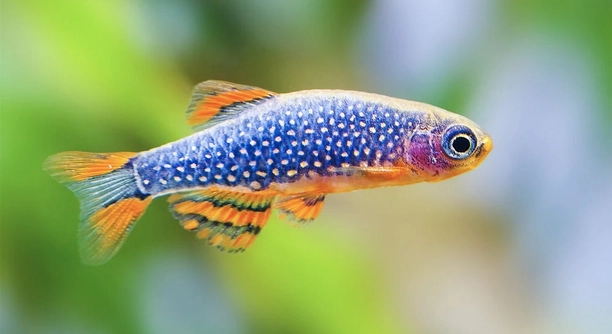
Is your danio tank looking a little bare or struggling to keep your fish active and healthy? A well-planted tank can create a more natural environment and improve overall water quality for your aquatic pets.
Insufficient plant coverage in a danio tank can lead to stress, reduced water quality, and limited hiding spaces. Adding more plants promotes natural behavior, stabilizes the ecosystem, and supports the health and activity levels of the fish consistently.
Increasing plant density can transform the tank’s environment, benefiting both fish and aesthetics. Observing these signs will help ensure a thriving, balanced aquatic habitat.
Signs of Restless Danios
Danios are active fish, and their behavior can reveal a lot about the tank environment. If you notice your fish swimming frantically, constantly darting from side to side, or appearing stressed, it often indicates a lack of hiding spots and shaded areas. A tank with insufficient plants limits the places where danios can rest or feel secure. This may lead to exhaustion and weakened immune responses. Additionally, bare tanks can create more aggressive interactions as fish compete for space and territory. Plants provide both physical boundaries and visual breaks, reducing stress and promoting calm behavior. When the tank has an appropriate balance of plant density, fish tend to display natural schooling patterns and explore more confidently. The presence of live plants also helps regulate oxygen levels and absorb excess nutrients, maintaining a stable, healthy environment. Observing how your danios interact with the space can guide adjustments to planting density and layout.
Restless swimming often signals stress and a need for more cover, giving you a clear reason to add plants.
Adding plants not only provides shelter but also enriches the tank environment. When danios feel secure, their movement becomes more natural, schooling becomes synchronized, and overall activity increases. Dense plant placement can also reduce aggressive behavior and provide shaded retreats.
Uneaten Food and Water Quality
Excess uneaten food can quickly accumulate in a sparsely planted tank, affecting water quality. Plants naturally absorb some nutrients and help filter the water, preventing harmful buildup. Without enough greenery, leftover food breaks down more rapidly, contributing to ammonia spikes and cloudy water, which can stress your fish. The presence of dense vegetation encourages fish to forage naturally, slowing feeding and reducing waste. Over time, a lack of plants can lead to frequent water changes or chemical interventions to maintain safe conditions. Healthy plants act as a buffer, stabilizing the environment and supporting the overall ecosystem. Introducing more plants improves filtration, reduces toxins, and creates a more self-sustaining tank that requires less maintenance. Watching how food is consumed and monitoring water clarity provides insight into whether additional planting is necessary, ensuring both fish health and tank aesthetics.
Proper plant coverage is essential for maintaining clean water and supporting stable tank conditions, reducing stress for your danios.
By adding a mix of tall and short plants, floating species, and dense clusters, the tank mimics natural habitats. Fish can explore freely, find hiding spaces, and graze on microorganisms living on plant surfaces. This setup supports oxygen balance, nutrient absorption, and reduces algae growth. Over time, plants can enhance filtration, decrease maintenance, and improve overall fish health. Carefully planning plant placement creates zones for rest, play, and feeding, making the environment more dynamic and stimulating. Observing daily behavior helps identify which areas need adjustment, ensuring that all danios benefit equally. Proper care of plants, including trimming and occasional fertilization, maintains a thriving ecosystem, making the tank both functional and visually appealing. Dense planting encourages natural behaviors, reduces stress, and provides a healthier, more balanced habitat for your fish.
Excessive Algae Growth
Algae can quickly take over a tank that lacks sufficient plants. Without enough greenery, nutrients remain in the water, feeding algae instead of fish or live plants. This leads to unsightly growth and increased maintenance.
When a danio tank has limited plant coverage, leftover nutrients and light availability encourage algae blooms. Plants compete with algae for nutrients, keeping growth under control. Sparse planting means fewer resources are absorbed by vegetation, leaving excess for algae. Algae can cover decorations, substrate, and glass surfaces, making the tank look messy and impacting water quality. Over time, excessive algae can reduce oxygen levels and create uneven pH conditions, stressing the fish. A well-planted tank reduces these risks, stabilizing the ecosystem while promoting a natural appearance. Regular monitoring of algae growth alongside adding more plants helps maintain balance, ensuring the tank remains healthy and visually appealing.
Dense planting not only restricts algae growth but also supports fish health by maintaining better oxygen levels and stabilizing water conditions.
Adding more plants provides surfaces for beneficial microorganisms that outcompete algae. Live vegetation improves water filtration, absorbs excess nutrients, and shades the tank, limiting light for algae. Plants also create microhabitats that support natural behaviors and reduce stress. Regular trimming ensures healthy growth, prevents overcrowding, and maintains balance. Observing how algae responds after planting can guide further adjustments, helping the tank remain clear and stable. Healthy plant density improves visual appeal, water quality, and overall fish well-being.
Lethargy and Reduced Activity
Danios become less active in poorly planted tanks, as they lack stimulating environments and safe spaces to explore. Dense planting encourages movement and natural schooling patterns.
Limited plant coverage reduces hiding spots and visual barriers, leading to stressed fish that may retreat to corners or remain near the surface. Without adequate plants, danios have fewer areas to forage or explore, decreasing activity levels. The absence of shelter can cause chronic stress, weakening the immune system and slowing metabolism. Proper plant placement stimulates natural behaviors, encouraging fish to swim in varied patterns and interact with the environment. Observing changes in activity after adding plants provides clear feedback on whether the tank supports healthy movement. Increased density of plants promotes exploration, reduces stress, and contributes to the overall vitality of the tank ecosystem.
Plants also improve water quality, which directly affects fish energy levels. Dense greenery supports oxygenation, nutrient absorption, and stable pH, reducing lethargy. Over time, active fish exhibit natural schooling, feeding, and resting behaviors, reflecting a balanced and healthy tank environment. Strategic placement of tall, medium, and low plants ensures all fish benefit from stimulation and shelter. Observing daily behavior helps identify areas needing adjustment, maintaining a lively, well-functioning aquarium. Regular care, including trimming and repositioning plants, supports long-term activity and overall fish health.
Frequent Hiding
Danios will hide more often when a tank lacks sufficient plants. Without cover, fish feel exposed and stressed, seeking shelter behind decorations or tank corners rather than exploring freely.
Adding more plants creates secure spaces for hiding and resting. Dense vegetation allows fish to feel safe, reducing stress and encouraging natural behaviors.
Uneven Growth of Existing Plants
Sparse planting can cause remaining plants to grow unevenly. Limited coverage exposes them to concentrated light and nutrient competition, leading to elongated stems or weak leaves. Proper distribution of plants ensures even growth, improves aesthetics, and supports a more stable tank environment for fish and vegetation alike.
Signs of Boredom
Fish may exhibit repetitive or aimless swimming when the tank environment is unstimulating. A lack of plants limits exploration, enrichment, and natural behaviors, making the fish less active and engaged with their surroundings.
FAQ
Why do danios need plants in their tank?
Plants provide shelter, reduce stress, and create natural hiding spaces for danios. They help maintain water quality by absorbing nutrients and producing oxygen. A well-planted tank supports natural schooling and foraging behaviors while reducing aggression and providing a more stable environment for healthy fish activity.
Can danios survive without live plants?
Yes, danios can survive without live plants, but their health and behavior may suffer. Lack of plants often leads to stress, boredom, and increased susceptibility to disease. While artificial decorations can offer some hiding spaces, live plants provide benefits that are difficult to replicate, including oxygen production and nutrient absorption.
How many plants should I have for my danio tank?
The number of plants depends on tank size and fish count. A general rule is to cover at least 50% of the substrate with plants, including a mix of tall, medium, and low-growing species. Floating plants also provide shade and additional cover, enhancing both fish comfort and water quality.
What types of plants work best for danio tanks?
Danios prefer hardy plants that can withstand active swimming and occasional nibbling. Java fern, Anubias, and Cryptocoryne are ideal for low maintenance. Floating plants like duckweed or water lettuce provide shade and reduce light intensity. Fast-growing stem plants help absorb excess nutrients and prevent algae buildup.
How do I introduce new plants to the tank?
Rinse plants thoroughly to remove debris or pests before planting. Place taller plants in the back and medium to low plants in the front to create layers. Use substrate or plant anchors to secure roots. Gradually introduce new plants to avoid sudden changes in water parameters.
How often should I trim or maintain the plants?
Trimming depends on growth rate. Fast-growing plants may require weekly pruning, while slow growers need less frequent attention. Remove dead or decaying leaves promptly to prevent water quality issues. Trimming promotes healthy growth and prevents overcrowding, allowing fish to swim freely and interact with their environment naturally.
Can adding too many plants harm my danios?
Excessive planting can reduce swimming space, limit light penetration, and trap debris. It’s important to balance plant density, ensuring enough open areas for active schooling and free swimming. A well-planned layout maximizes both shelter and swimming room, creating a functional and comfortable environment for the fish.
Do plants help with water quality?
Yes, plants absorb nitrates, phosphates, and other nutrients, reducing the risk of algae blooms. They produce oxygen during the day, which benefits fish and beneficial bacteria. Healthy plants contribute to a more stable pH and overall tank balance, decreasing the need for frequent water changes or chemical additives.
What signs show my tank needs more plants?
Frequent hiding, lethargy, excessive algae growth, stress behaviors, and uneven plant growth are clear indicators. Observing these signs lets you know when to increase plant coverage. Adding a variety of plants improves the environment, supports fish health, and creates a more visually appealing tank.
Can artificial plants replace live plants for danios?
Artificial plants can provide hiding spots, but they do not contribute to water quality or oxygen production. They can supplement live plants but should not completely replace them. Live plants remain essential for a fully balanced and healthy danio tank, promoting natural behavior and ecosystem stability.
How do I choose plant placement?
Place tall plants at the back or corners, medium plants in the middle, and low or foreground plants in front. Floating plants can add shade. Create clusters and open swimming areas to mimic natural habitats. Observing how fish interact with the layout helps fine-tune placement for optimal comfort and activity.
Can adding plants reduce fish aggression?
Yes, plants create visual barriers and territories, reducing stress and aggressive interactions. Fish can retreat to safe spaces or establish small territories. This decreases bullying and promotes healthier schooling behavior, allowing all fish to access food and shelter without conflict.
Are there low-maintenance plants suitable for beginners?
Several plants are low-maintenance and beginner-friendly, including Anubias, Java fern, Amazon sword, and Vallisneria. These species tolerate varied conditions, require minimal trimming, and grow steadily without specialized fertilizers or high lighting, making them ideal for someone adding plants to their first danio tank.
How long does it take for new plants to impact tank health?
New plants begin affecting water quality within a few days by absorbing excess nutrients. Visible improvements in fish behavior, algae reduction, and water clarity can occur within a few weeks, depending on plant density and species. Regular monitoring ensures the plants are thriving and providing maximum benefit.
Can plants prevent algae growth completely?
Plants cannot eliminate algae entirely, but they compete for nutrients, reducing its growth. Proper plant density, regular maintenance, and balanced lighting help control algae while promoting fish health. Removing decaying plant matter and controlling feeding further minimizes algae problems, maintaining a clean and healthy tank environment.
Is it better to use substrate or pots for planting?
Substrate allows roots to anchor naturally and absorb nutrients, supporting stable growth. Pots are convenient for rearranging plants or isolating species but may limit root expansion. Combining both approaches lets you control placement while ensuring healthy plant development. Substrate-based planting generally provides the best long-term results.
How can I ensure plants thrive with danios?
Provide moderate lighting, nutrient-rich substrate, and regular trimming. Avoid overcrowding, monitor water quality, and choose hardy species. Observe fish behavior to ensure they are not damaging plants. Proper care ensures plants remain healthy, enhancing tank aesthetics and creating a safe, stimulating environment for the fish.
Final Thoughts
Maintaining a healthy danio tank requires more than just adding fish and water. Plants play a crucial role in creating a balanced and stable environment. They provide hiding spots and safe areas that reduce stress and encourage natural behavior. When a tank lacks sufficient plants, danios may become restless, lethargic, or hide constantly. Dense planting allows them to explore freely, school naturally, and maintain consistent activity levels. Additionally, plants improve water quality by absorbing excess nutrients, which helps prevent algae overgrowth and maintains oxygen levels. A well-planted tank not only supports fish health but also reduces the frequency of water changes and chemical treatments, making maintenance simpler and more manageable. By observing daily fish behavior, you can identify areas where more plants are needed and adjust the layout to suit their needs.
Choosing the right type and number of plants is equally important. Hardy species such as Java fern, Anubias, Cryptocoryne, and Amazon sword are well-suited for danio tanks. Floating plants, like duckweed or water lettuce, provide shade and help reduce light intensity, which can limit algae growth. It is helpful to mix tall, medium, and low-growing plants to create layers and varied zones in the tank. This arrangement allows fish to find shelter, forage naturally, and interact with their surroundings. Proper placement ensures all areas of the tank are utilized and prevents overcrowding, which can lead to stress or restricted movement. Even small adjustments, like grouping plants in corners or creating open swimming lanes, can make a significant difference in fish comfort and overall tank harmony. Consistent care, including occasional trimming and monitoring water parameters, keeps plants healthy and prevents decay from affecting water quality.
The benefits of increasing plant coverage extend beyond aesthetics. A planted tank fosters a more natural, dynamic environment, providing both physical and psychological advantages for danios. It encourages natural behaviors like foraging, hiding, and schooling while minimizing stress and aggression. Well-maintained plants contribute to a self-sustaining ecosystem that promotes healthier water conditions, reducing the need for constant intervention. Observing the tank regularly allows you to see how fish interact with the plants and helps you make adjustments that support both plant growth and fish well-being. By prioritizing plant density, placement, and care, you create a comfortable, stimulating, and stable environment where danios can thrive. Over time, the tank becomes not only a healthy habitat but also a visually pleasing display of life and activity, reflecting a balanced and well-maintained ecosystem.

Hello,
If you enjoy the content that we create, please consider saying a "Thank You!" by leaving a tip.
Every little bit helps us continue crafting quality advice that supports the health, happiness, and well-being of pets around the world, for pets of all shapes, sizes, and species.
We really appreciate the kindness and support that you show us!