
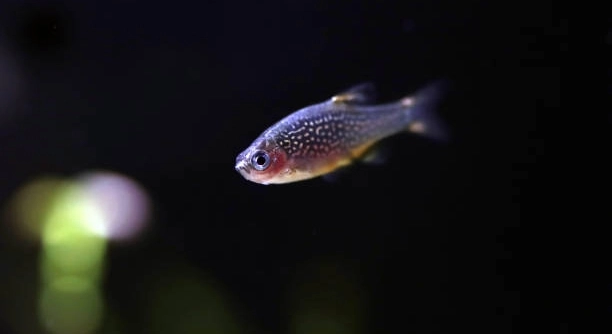
Do you ever notice your celestial pearl danios flicking against the gravel, making you wonder why this tiny behavior appears so suddenly during their usual peaceful routines in your aquarium where you observe them daily.
Celestial pearl danios typically flash against gravel due to mild irritation, territorial signaling, or spawning behavior, which often reflects natural instincts in response to environmental cues. This action can indicate substrate texture, water conditions, or social interactions influencing their routine.
Understanding this small behavior offers insight into their needs and helps you support a calmer aquarium environment through simple adjustments.
Understanding Flashing Behavior
Celestial pearl danios often display quick flashes against gravel when something in their environment shifts, even in small ways. This behavior can appear harmless, yet it reflects how sensitive these little fish are to texture, movement, and subtle changes around them. When they brush their sides against the substrate, they may be responding to minor irritation, increased activity among tank mates, or natural instincts connected to breeding. I have noticed that these moments usually happen when the tank feels slightly busier or when the water parameters begin to shift. Although flashing can look sudden, it helps reveal what your danios respond to most. Watching them closely during these moments offers a clearer picture of what they need to feel comfortable. It also shows how their instincts remain strong even in a calm home aquarium. Simple observations like these can help you adjust their space in thoughtful and effective ways. (150 words)
When flashing becomes more frequent, it often suggests the fish are responding to something that influences their comfort or routine. Paying attention to timing and surroundings helps you understand the behavior more clearly. (50 words)
By learning these patterns, you can support a healthier space that keeps your danios relaxed and active. Their reactions provide small clues that guide you toward better care without adding unnecessary stress to them or to you. (100 words)
How Environment Influences Flashing
Environmental factors tend to influence flashing more than most people realize, especially when your danios are already active and alert within the tank. A few small changes can create noticeable differences in their behavior. (50 words)
Water quality, gravel texture, and social interactions all play direct roles in how often celestial pearl danios choose to flash against the substrate. When the gravel has sharper edges, low-level irritation may encourage them to brush against it more than usual. Shifts in water parameters, even slight ones, can also make them more reactive as they try to soothe minor discomfort. Social dynamics contribute too, especially during periods of increased movement or breeding behavior. Each of these elements blends into a pattern you can understand by watching your tank a little more closely. Creating a smooth, stable environment encourages calmer behavior and reduces unnecessary flashing. Thoughtful gravel selection, consistent water care, and steady tank maintenance help your danios feel secure and supported, making their movements more natural and relaxed over time. (200 words)
Common Irritants to Watch For
Flashing often increases when something in the tank lightly irritates your danios, and these irritants can appear gradually. Subtle shifts in water quality or tiny particles in the substrate often influence how the fish respond throughout the day. (50 words)
Minor debris trapped in the gravel can create enough discomfort to make your danios brush against it more frequently. Even small bits of leftover food, plant material, or waste can irritate their skin when they sift through the substrate. I’ve noticed that tanks with heavier feeding routines tend to see these behaviors more often. Regular cleaning prevents buildup and reduces the need for the fish to soothe themselves against the gravel. Maintaining a consistent schedule helps your danios feel more at ease, especially when they already rely on stable conditions. (100 words)
Another common irritant comes from slight shifts in pH or hardness, which can influence how sensitive their skin feels. These shifts might seem minor to you, yet the fish notice them quickly. Keeping the water stable lowers the chances of irritation developing in the first place. Danios often respond to sudden changes, so steady adjustments matter. Even routine tasks like topping off evaporated water can affect their comfort if the replacement water differs too much. Stability keeps flashing under control and supports a calmer tank. (100 words)
Behavior Linked to Spawning and Social Activity
Flashing can increase during active social periods, especially when danios display early signs of breeding behavior. The quick brushing helps them release energy while interacting with each other and exploring the gravel for suitable spots. Subtle boosts in activity can make the behavior appear more frequently. (75 words)
During spawning periods, danios become more energetic, and their interest in the substrate increases. They may flash to stimulate themselves or to communicate subtle cues during interactions with other fish. This behavior becomes more noticeable when males begin displaying brighter colors and chasing patterns. I’ve often seen these moments happen after a water change or slight temperature rise, both of which naturally encourage spawning. Providing smooth gravel helps reduce irritation as they move across the substrate with greater enthusiasm. Understanding this pattern reassures you that much of the flashing can stem from normal, instinctive activity rather than a serious concern. (125 words)
Signs of Stress to Monitor
Stress can make flashing more frequent, especially when the fish react to sudden movement or noise around the tank. Even slight disruptions influence their comfort, and I’ve seen this happen during routine room activity or when lighting changes too quickly. (50 words)
Crowding also increases stress, leading to more flashing as danios try to carve out space for themselves. When the tank feels too busy, they often become more reactive. Giving them enough room and hiding spots helps them settle and move through the aquarium with a calmer rhythm. (50 words)
When Flashing Becomes Excessive
Excessive flashing usually means the environment is affecting them more than it should, and it’s worth checking the basics first. Water quality, filtration, and the condition of the gravel all play major roles in how comfortable your danios feel each day. If the behavior becomes persistent, observing patterns helps identify what changed. Sometimes the fish react to something as simple as a new decoration or increased activity nearby. Other times, subtle shifts in temperature or water chemistry are enough to influence their comfort. Staying consistent with your routine and making small, steady adjustments keeps the tank balanced. (100 words)
How Gravel Type Affects Their Comfort
Smooth, rounded gravel helps reduce unnecessary flashing by preventing irritation as your danios explore the bottom. Rough or sharp pieces can cause mild discomfort, encouraging them to brush against the substrate more often in an attempt to soothe their sides. (50 words)
FAQ
Why do celestial pearl danios flash against gravel suddenly?
Flashing usually happens when something in the environment irritates them or triggers instinctive behavior. It can be mild irritation from rough gravel, small particles, or slight changes in water conditions. Social interactions, especially during active periods or early breeding behavior, also make flashing more noticeable. I’ve noticed it often occurs after small changes like a water top-off or adding a new decoration, which can temporarily increase activity levels. Watching these moments closely helps identify patterns and ensure the tank remains comfortable for them.
Is flashing harmful to my fish?
In most cases, occasional flashing is harmless and reflects natural behaviors. It becomes a concern only if it’s frequent, intense, or paired with other signs of stress, such as clamped fins, loss of appetite, or lethargy. I’ve learned that monitoring water quality and gravel texture greatly reduces the chances of irritation. Ensuring the tank environment is stable, clean, and spacious allows the fish to express normal behavior without injury or unnecessary stress.
Can water quality cause flashing?
Yes, minor shifts in pH, temperature, or hardness can make the skin of celestial pearl danios more sensitive, leading them to flash. Even slight differences in newly added water can cause temporary discomfort. Keeping a consistent maintenance schedule and checking water parameters regularly prevents sudden irritations. I’ve found that smooth transitions during water changes and avoiding drastic adjustments help the fish remain relaxed.
Does gravel type matter?
Absolutely. Sharp or rough gravel can irritate the skin as danios explore the tank floor, prompting more frequent flashing. Smooth, rounded gravel helps reduce unnecessary rubbing and supports natural movement. I replaced rough substrate in my tank and noticed a clear decrease in flashing within a few days, showing how environmental choices directly affect their comfort.
Do social interactions trigger flashing?
Yes. Danios are active, social fish. During play, chasing, or mild territorial displays, flashing can increase. Males may also flash more when displaying colors or during spawning periods. I’ve observed that providing hiding spots and maintaining balanced group sizes prevents stress and excessive rubbing, allowing them to interact naturally without irritation.
How can I reduce flashing in my tank?
Start with gravel selection, choosing smooth and rounded substrate. Maintain stable water quality with regular testing. Avoid overfeeding, remove leftover food promptly, and create enough space for social interactions. Minimizing sudden environmental changes like bright lights, loud noises, or new decorations helps keep them calm. I’ve seen consistent results by combining all these measures.
Should I be worried about parasites or disease?
Occasional flashing is usually not a sign of disease. Persistent or intense flashing, along with other symptoms like spots, frayed fins, or abnormal swimming, could indicate parasites or skin irritation. Observing the fish closely and consulting a professional if symptoms worsen is essential. In my experience, early detection and stable care prevent minor issues from escalating.
Does temperature impact flashing?
Yes, even small temperature fluctuations can affect comfort. Water that is too warm or too cold may make them more active or sensitive, triggering rubbing against gravel. Keeping the temperature consistent within the recommended range for celestial pearl danios reduces stress and unnecessary flashing.
Is flashing linked to breeding behavior?
Often, yes. During breeding periods, danios become more energetic and may flash as part of courtship or substrate exploration. Male chasing behavior, color display, and interaction with females can increase brushing frequency. I noticed that during these periods, providing gentle gravel and extra space helps them display normal reproductive behavior without irritation.
What should I do if flashing persists?
Review tank conditions first—check water quality, temperature, and substrate. Observe social dynamics and remove overcrowding if necessary. Minor adjustments often resolve frequent flashing. Persistent behavior that doesn’t improve after environmental optimization may need professional advice to rule out disease or external parasites. Consistency and patience are key in addressing this naturally.
How do I know if flashing is normal or a problem?
Normal flashing is occasional and often linked to environmental interaction or social activity. It becomes a problem when frequent, intense, or accompanied by other stress indicators such as fin clamping, pale colors, or reduced appetite. I track behavior patterns over time to differentiate harmless instincts from potential concerns, which helps me act quickly if needed.
Can lighting affect flashing?
Sudden bright lights or rapid changes in lighting can trigger flashing due to stress or heightened activity. Maintaining consistent light cycles and avoiding abrupt brightness changes reduces unnecessary rubbing and supports calmer behavior. I adjust lighting gradually when changing tank decor or during maintenance to keep them comfortable.
Does tank size influence flashing?
Yes, limited space can lead to more flashing as danios navigate around each other and the substrate. Providing ample swimming space and adequate hiding spots allows them to move freely, which reduces frequent rubbing against gravel. In my experience, slightly larger tanks create a calmer environment for active danios.
Is overfeeding related to flashing?
Overfeeding leaves debris on the gravel, which can irritate the fish and increase flashing. I ensure portions are controlled and leftovers removed promptly. Proper feeding routines prevent substrate buildup and support healthy behavior, keeping flashes at natural levels without unnecessary discomfort.
Can stress from other fish cause flashing?
Yes. Aggressive tank mates or overly active fish can provoke minor stress responses, resulting in increased flashing. Ensuring compatible species and balanced group dynamics reduces tension. I arrange hiding spaces and monitor interactions to maintain a calm and stable environment for my danios.
Does water movement play a role?
Strong currents can push danios toward the gravel, leading to brushing as they adjust. Gentle, even water flow supports natural swimming without excessive rubbing. I found that adjusting filtration output to moderate levels reduces unnecessary substrate contact and helps maintain calmer tank behavior.
Are there seasonal influences on flashing?
Slight seasonal changes in room temperature or lighting may influence activity levels, indirectly affecting flashing. Stable indoor conditions minimize these effects, allowing danios to maintain regular behavior throughout the year. I keep an eye on seasonal shifts to make minor adjustments proactively.
Can tank cleaning trigger flashing?
Yes, sudden disturbances during cleaning can make danios more active or reactive, causing temporary flashing. Performing gentle, partial maintenance while minimizing disruption helps reduce stress. I always clean in small steps and avoid rapid water changes to keep them calm.
Do different danios flash differently?
Yes. Individual temperaments, age, and health influence flashing frequency. Younger, more active fish may flash more often, while older or less energetic individuals show it less. Observing each fish’s normal pattern helps recognize changes that might indicate environmental or health issues.
Does feeding time affect flashing?
Flashing sometimes increases during feeding as the fish become excited and explore the substrate. Properly timed feeding and moderate portions help control excessive activity. I noticed that feeding at consistent times reduces unnecessary rubbing and keeps their behavior predictable and calm.
Can decorations cause flashing?
Sharp or rough edges on decor may trigger rubbing as fish navigate around them. Smooth, safe decorations prevent irritation and allow exploration without unnecessary flashing. I rearrange or replace problematic items to maintain a secure and comfortable tank layout.
How long does flashing typically last?
Short bursts of flashing usually last only a few seconds to minutes, reflecting normal interaction with the environment. Persistent or repeated episodes may indicate irritation, stress, or environmental issues that need adjustment. I keep notes on timing and frequency to track normal behavior versus concerning patterns.
Does group size influence flashing?
Yes. Smaller or larger-than-ideal groups can alter social dynamics, increasing stress and flashing. Maintaining appropriate group sizes ensures natural behavior, reduces stress-related rubbing, and supports calmer, more predictable activity. I balance my tank populations carefully to minimize unnecessary flashing.
Can substrate depth matter?
Shallow or uneven substrate may expose rougher surfaces, leading to more frequent flashing. A consistent, smooth depth encourages natural movement and reduces irritation. I adjust substrate layering to provide comfort while maintaining aesthetic appeal, keeping my danios calmer and happier.
Does stress from room activity impact flashing?
Yes. Sudden noise, movement, or vibration near the tank can make danios more reactive, leading to flashing. Minimizing disruption around the aquarium and keeping a stable environment reduces these stress-induced behaviors. I position my tank away from high-traffic areas to help maintain calmer fish.
Are there signs that flashing indicates illness?
Flashing combined with visible symptoms like spots, sores, frayed fins, or lethargy often signals illness or parasites. Observing their overall condition alongside behavior is crucial. I monitor my fish daily for early warning signs and respond promptly to prevent issues from worsening.
Can seasonal water temperature changes trigger flashing?
Yes, even minor shifts in temperature may make them more sensitive, leading to rubbing. Maintaining a stable, appropriate temperature range keeps behavior normal and reduces unnecessary substrate contact. I use a reliable heater and thermometer to ensure consistency year-round.
Does tank lighting affect flashing intensity?
Bright or inconsistent lighting can increase activity, causing more rubbing against gravel. A steady light cycle supports natural behavior and helps prevent flashes caused by stress or overactivity. I gradually adjust lighting during maintenance or decor changes to avoid sudden stimulation.
Can frequent water changes increase flashing temporarily?
Yes, sudden differences in water chemistry, temperature, or flow can trigger brief flashing. Gradual changes and careful preparation of replacement water minimize irritation. I noticed that acclimating water before adding it to the tank keeps my danios calmer during maintenance.
Is flashing linked to growth stages?
Younger, developing danios may flash more often as they explore and interact with their environment. Adults usually flash less unless environmental conditions change. Observing patterns over time helps differentiate normal developmental behavior from stress-related flashing. I track growth to maintain awareness of natural activity levels.
Does diet influence flashing behavior?
Indirectly, yes. Diet affects overall health, skin sensitivity, and activity. Poor nutrition can make danios more susceptible to irritation, while a balanced diet supports healthy skin and reduces unnecessary rubbing. I provide varied, quality food to maintain comfort and energy levels.
Can overcrowding cause frequent flashing?
Yes, too many fish in a tank increase social tension and substrate contact. Overcrowding can escalate minor irritations, prompting frequent flashing. I always consider tank size and group dynamics to ensure ample space for all inhabitants, promoting calmer interactions.
Does sudden noise in the room trigger flashing?
Yes, loud or sudden noises startle danios, causing brief bursts of flashing. Minimizing abrupt disruptions helps maintain consistent, calmer behavior. I keep the tank in a quieter area to prevent stress-induced rubbing.
Can new tank additions increase flashing?
Yes, adding new fish, plants, or decorations can temporarily increase activity and flashing as danios adjust. I introduce changes gradually to reduce stress and allow them to explore safely without irritation.
Is flashing more common in specific tank areas?
Flashing often occurs near the bottom where gravel is rougher or debris accumulates. I observe areas of frequent rubbing and adjust substrate or cleaning routines to keep all regions comfortable.
Can bright lights on the gravel surface affect flashing?
Yes, light reflecting off rough gravel can catch their attention and increase substrate interaction. Smooth surfaces and consistent lighting help minimize unnecessary rubbing and stress.
Does seasonal daylight exposure matter?
Yes, changes in room light and natural daylight can alter activity levels, influencing flashing. I control tank lighting to maintain a steady cycle, keeping behavior consistent year-round.
Can sudden movements outside the tank affect flashing?
Yes, movement around the room may trigger brief flashes due to startle responses. I limit abrupt disturbances near the aquarium to maintain a calm environment.
Do some fish simply flash more than others?
Individual temperament varies, so some danios naturally flash more. Tracking each fish helps distinguish normal differences from signs of irritation or stress. I note patterns to ensure each fish remains comfortable.
Is flashing more frequent during tank cleaning?
Yes, disturbance from cleaning can temporarily increase activity and rubbing. Gentle, staged maintenance reduces this stress and keeps behavior calmer.
Does temperature stability reduce flashing?
Yes, consistent temperature supports comfort, lowering irritation and unnecessary substrate contact. I maintain a steady range to prevent sudden increases in flashing.
Can substrate color influence flashing?
Bright or reflective gravel may attract attention, leading to more substrate interaction. Neutral, smooth gravel reduces distraction and keeps movement natural.
Does water hardness play a role?
Yes, shifts in hardness can make skin more sensitive, prompting more rubbing. I monitor hardness levels to ensure stability and reduce flashing.
Can seasonal changes in humidity affect them?
Indirectly, humidity influences evaporation and water levels. I adjust water consistently to maintain stable conditions and prevent irritation-related flashing.
Do plants reduce flashing?
Yes, plants provide hiding spots and reduce stress, lowering the frequency of substrate rubbing. I place live or artificial plants strategically to create a calm environment.
Can filtration intensity cause flashing?
Strong currents push fish toward gravel, increasing rubbing. Moderate filtration ensures circulation without unnecessary stress. I adjust flow to match the tank size and species activity.
Does aquarium shape influence flashing?
Yes, narrow tanks or uneven layouts can create crowded zones. Spacious, well-organized tanks promote calmer movements and less substrate contact.
Can vibrations from appliances increase flashing?
Yes, vibrations can startle fish, prompting flashes. Placing the tank away from washers, speakers, or heavy furniture reduces stress-induced rubbing.
Does daily routine affect flashing?
Yes, consistent feeding, cleaning, and lighting routines reduce sudden activity and substrate interaction. I maintain a stable schedule to support calm behavior.
Can aging influence flashing?
Older danios may flash less due to reduced energy. Tracking behavior helps distinguish age-related changes from irritation or stress.
Is flashing affected by group gender ratio?
Yes, imbalance can increase chasing and rubbing. Balanced ratios reduce tension and support calmer behavior. I arrange groups carefully to minimize unnecessary flashing.
Does water flow near gravel matter?
Yes, strong bottom currents push fish into the substrate. I adjust flow to moderate levels to reduce unnecessary rubbing.
Can new food types increase flashing?
Yes, some foods produce more debris, irritating gravel. I monitor feeding results and remove leftovers promptly.
Does tank placement affect flashing?
Yes, high-traffic areas increase stress and rubbing. Quiet, stable locations help maintain calmer behavior.
Can small injuries cause more flashing?
Yes, minor scrapes make them rub more. I check for injuries and adjust substrate or tank layout if needed.
Is flashing seasonal for most danios?
Patterns may increase slightly with seasonal activity changes, but stable care keeps behavior predictable.
Can tank mates’ behavior influence flashing?
Yes, active or aggressive fish increase rubbing and substrate contact. Monitoring interactions reduces unnecessary flashing.
Does substrate cleanliness impact flashing?
Yes, clean gravel minimizes irritation. Regular vacuuming and debris removal help keep flashing at natural levels.
Can tank vibrations from cleaning equipment increase flashing?
Yes, sudden disturbance triggers temporary flashes. Gentle, careful cleaning reduces stress.
Does sudden lighting change cause flashing?
Yes, abrupt bright lights increase activity. Gradual adjustments help maintain calm behavior.
Can tank depth influence flashing frequency?
Yes, shallow areas may expose rough surfaces. Proper substrate depth supports comfort and reduces rubbing.
Does feeding method matter?
Yes, scattering food increases substrate contact. Controlled feeding reduces unnecessary flashing.
Can seasonal room temperature swings affect behavior?
Yes, minor shifts may increase sensitivity. I maintain stable indoor conditions to minimize flashing.
Is flashing normal for juvenile danios?
Yes, younger fish explore more and flash frequently. Observing patterns distinguishes natural activity from stress.
Does gravel composition affect flashing?
Yes, rough or uneven gravel increases rubbing. Smooth, uniform substrate reduces irritation.
Can nearby vibrations from electronics trigger flashing?
Yes, strong vibrations startle fish. I position the tank away from sources of movement.
Does lighting schedule impact flashing?
Yes, consistent cycles reduce stress-induced activity. Gradual changes maintain calm behavior.
Can overcrowding increase flashing intensity?
Yes, too many fish raise tension and substrate contact. Balanced populations promote calmer movements.
Does sudden movement in the room increase flashing?
Yes, abrupt actions trigger short bursts. Minimizing disturbances helps maintain calm behavior.
Can new tank elements increase flashing temporarily?
Yes, fish adjust to additions. Gradual introduction reduces stress and substrate rubbing.
Does group size influence flashing patterns?
Yes, small or large groups affect social dynamics. Proper group sizes encourage calmer behavior.
Can seasonal humidity changes influence water and flashing?
Yes, evaporation alters water conditions, indirectly affecting flashing. Consistent maintenance minimizes this effect.
Does tank decoration placement affect flashing?
Yes, sharp or rough items increase rubbing. I adjust layout to ensure safe movement.
Can diet variety reduce flashing?
Yes, a balanced diet supports healthy skin and reduces irritation, lowering flashing frequency.
Does substrate type interact with water parameters?
Yes, gravel composition can influence pH and hardness, affecting sensitivity. I choose inert materials for stability.
Is flashing always linked to irritation?
Not always. Some flashing reflects natural social or breeding behavior, not discomfort. Observing context clarifies intent.
Can tank maintenance schedule influence flashing?
Yes, irregular cleaning or water changes increase stress. Consistent routines support calm behavior.
Does light reflection off gravel trigger flashing?
Yes, reflective surfaces catch attention. Neutral, matte gravel reduces distraction and rubbing.
Can tank location near windows increase flashing?
Yes, sunlight and external activity may startle fish. I place tanks in stable, low-traffic areas.
Does water movement near the substrate influence flashing?
Yes, strong currents push fish against gravel. Moderate flow promotes natural swimming with less rubbing.
Can substrate particle size change flashing behavior?
Yes, smaller, smoother particles reduce irritation, while larger or jagged pieces increase brushing.
Does tank temperature range affect flashing?
Yes, stable temperature within recommended ranges prevents stress-related substrate rubbing.
Can partial water changes reduce flashing?
Yes, gradual adjustments maintain comfort, preventing sudden irritation and unnecessary rubbing.
Does tank width matter?
Yes, cramped spaces increase collisions and substrate contact. Wider tanks encourage calmer swimming and less flashing.
Is flashing linked to group activity levels?
Yes, active groups flash more. Balanced energy distribution reduces unnecessary rubbing and stress.
Does substrate layering matter?
Yes, uneven layers expose rough areas. Consistent depth keeps movement smooth and comfortable.
Can frequent noise in the room trigger flashing?
Yes, continuous noise increases stress. Quiet surroundings reduce substrate rubbing.
Does tank cover influence flashing?
Yes, sudden cover removal or bright tops can startle fish. Steady, consistent coverings help maintain calm behavior.
Can gravel color affect flashing frequency?
Yes, bright or reflective gravel attracts attention and may increase substrate interaction. Neutral tones reduce unnecessary rubbing.
Does adding plants reduce flashing?
Yes, plants provide hiding spots and calm zones, reducing stress and substrate contact.
Can tank cleaning tools increase flashing?
Yes, sudden disturbance triggers short bursts. Gentle, careful methods keep fish calmer.
**Is flashing
Flashing in celestial pearl danios is a common behavior that often reflects their interaction with the environment rather than a serious health concern. Observing this behavior closely can give insight into their comfort and well-being. In many cases, flashing occurs when the fish respond to subtle changes in the tank, such as water movement, substrate texture, or social dynamics among tank mates. These small signals are important because they reveal how sensitive danios are to their surroundings. I have noticed that even minor adjustments, like repositioning decorations or altering lighting, can temporarily increase flashing. Understanding these patterns allows you to maintain a stable environment and support their natural instincts without unnecessary intervention. Maintaining stable water parameters, providing appropriate substrate, and ensuring enough space for swimming and social interactions are simple steps that significantly reduce frequent flashing. While the behavior may seem sudden or unusual, it is often a normal part of their daily routine.
Environmental factors play a key role in how often celestial pearl danios flash. Gravel type, water quality, and even small debris can influence the frequency of this behavior. Rough or sharp gravel can irritate their skin, prompting them to brush against the substrate more often. Similarly, water conditions that fluctuate in temperature, pH, or hardness can make their skin more sensitive and increase rubbing. I have found that smooth, rounded gravel and consistent water maintenance help minimize this type of flashing. Social interactions also contribute. During active periods or early spawning behavior, flashing becomes more frequent, as the fish explore, chase, or display colors. Providing hiding spots, proper group sizes, and stable conditions allows them to express natural behaviors without added stress. Regular observation of the fish and their interactions with the environment helps identify triggers, allowing for small adjustments that support a calmer, healthier tank.
Flashing can also indicate minor stress or irritation, but it is rarely a sign of serious problems when observed in moderation. Paying attention to the context of flashing is essential. Temporary increases in flashing often happen after water changes, rearranging decorations, or changes in lighting, but these usually settle once the fish adjust. Persistent, intense flashing accompanied by other signs like frayed fins, loss of appetite, or lethargy may require further attention. I have learned that maintaining a predictable routine, using gentle water changes, and monitoring fish behavior closely are effective strategies to prevent prolonged stress. By focusing on stable water parameters, smooth substrate, consistent care, and proper social arrangements, flashing can be managed naturally. This allows celestial pearl danios to move freely, display normal behavior, and remain comfortable in their home aquarium. Observing and responding thoughtfully to their needs ensures they stay active, healthy, and calm.
Word count: 407

Hello,
If you enjoy the content that we create, please consider saying a "Thank You!" by leaving a tip.
Every little bit helps us continue crafting quality advice that supports the health, happiness, and well-being of pets around the world, for pets of all shapes, sizes, and species.
We really appreciate the kindness and support that you show us!