
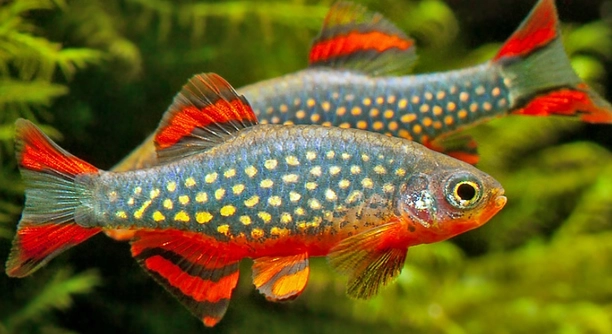
Have you ever wondered how danios manage their spawning habits, adding small moments of activity that often pass unnoticed by fish keepers who enjoy their bright colors and calm movements in a peaceful freshwater aquarium.
Danio spawning habits involve synchronized group behaviors, rapid egg scattering, and minimal parental involvement. These fish rely on environmental cues, stable water conditions, and social interactions to stimulate reproductive activity that improves fertilization success and supports stronger overall survival rates.
These insights provide a simple look at hidden patterns that shape danio reproduction, encouraging you to explore the details ahead.
Environmental Triggers in Danio Spawning
Environmental conditions shape how danios respond during spawning, guiding predictable patterns that help keep them active and healthy. Stable temperatures, gentle lighting, and clean water create a setting where these small fish feel secure enough to begin releasing eggs. Many keepers notice that slight changes in water parameters encourage increased movement, signaling that the fish are preparing to scatter their eggs across plants or fine gravel. Once conditions feel suitable, the fish move quickly, releasing and fertilizing eggs within minutes. This behavior reduces stress, keeps energy focused, and supports reliable reproduction. Careful monitoring of water quality helps maintain steady activity that leads to stronger results. Small adjustments, such as managing filtration flow and keeping lighting calm, allow danios to respond naturally. Their quiet readiness often shows in quick darting movements that reveal they are comfortable. When these elements align, the spawning process tends to unfold smoothly, creating predictable patterns.
These conditions give danios the stability they need to complete spawning with minimal stress. By supporting gentle lighting, steady temperatures, and clean water, you help the fish maintain natural activity levels that encourage safe egg scattering and consistent reproductive behavior throughout the aquarium during their active periods each day time.
Understanding the impact of stable environmental conditions helps you manage danio spawning more effectively. When the aquarium remains calm and predictable, the fish respond with steady activity that leads to successful egg release. Gentle lighting keeps them comfortable, while balanced filtration prevents sudden disturbances that interrupt spawning behavior. Clean, well oxygenated water supports energetic movement, allowing the fish to scatter eggs efficiently. These simple adjustments give your danios a dependable setting that mirrors their natural habitat. Maintaining this stability encourages healthier activity, clearer patterns, and smoother reproductive cycles that continue developing as the fish adapt to the environment over time.
Group Dynamics During Spawning
Group interactions influence how danios coordinate movement during spawning. Their active swimming patterns help stimulate egg release and improve fertilization. When several fish engage at once, the activity increases, creating a brief but efficient cycle that supports successful reproduction under stable and well maintained aquarium conditions throughout the entire process.
Danio groups rely on quick movements and shared cues to maintain steady spawning behavior, creating a pattern that feels coordinated even when the fish appear to move randomly. Their fast interactions stimulate reproductive responses, allowing eggs to be released and fertilized within a short period. When more individuals participate, the increased motion encourages faster scattering, reducing the chance of eggs being disturbed or left unfertilized. Maintaining clean water and moderate flow helps the group stay active without unnecessary stress. The fish respond best when lighting is soft, filtration is balanced, and the environment remains predictable. These elements support instinctive communication that keeps the group synchronized. Even minor changes in water chemistry can shift the activity level, demonstrating the sensitivity danios show during breeding events. Careful observation allows you to adjust conditions before disruptions occur, strengthening the reliability of each spawning cycle. By understanding how these small fish respond to one another, you improve the overall success of their reproductive patterns, helping them maintain a stable rhythm in the aquarium. Consistent attention to these behaviors ensures the fish remain comfortable, encourages predictable responses, and supports ongoing reproductive health that develops gradually as the group continues adapting to the conditions you maintain.
Subtle Courtship Signals
Danios rely on small, repetitive movements to communicate readiness for spawning. Their brief chases, soft turns, and gentle nudges help guide the process. These actions allow the fish to coordinate quickly while staying calm enough to begin scattering eggs across plants or fine gravel in the aquarium.
These behaviors support smooth coordination by helping each fish read the others movements without breaking their rhythm. When the signals appear consistently, the group becomes more active, making the spawning process easier to initiate. Stable lighting and steady water conditions make these cues clearer, allowing the fish to maintain predictable behavior. Their movements stay quick but controlled, helping reduce stress and keeping the focus on egg release. With each small interaction, the fish strengthen their timing and maintain a steady pattern that encourages a successful spawning event under stable aquarium conditions.
When these signals appear in repeated patterns, they shape a reliable structure that keeps the fish focused. The subtle movements guide the group into a synchronized state, helping them respond to external conditions more effectively. Clean water, consistent temperatures, and a calm setting help reduce unnecessary interruptions. As the fish continue exchanging these signals, their coordination becomes stronger, improving the chance of reliable egg fertilization. These cues also help maintain balance within the group, keeping the fish comfortable enough to move smoothly through the entire process. Over time, the patterns become familiar, making them a dependable part of each spawning cycle that supports steady reproductive activity throughout the aquarium.
Egg Scattering Behavior
Danios scatter their eggs quickly to prevent disruption. Their rapid movements help spread the eggs across plants or gravel, reducing the chance of damage. This behavior supports successful fertilization by keeping the eggs separated, allowing them to settle safely in calm, stable aquarium conditions.
The fast scattering keeps the eggs protected by spreading them over a wider area. When the fish move quickly, the eggs fall into small spaces where they can remain safe from disturbance. Clean water, stable temperatures, and gentle filtration help maintain these conditions. The fish benefit from soft lighting that reduces stress and helps them move naturally. When the environment stays predictable, the eggs remain secure, and the spawning process continues without major interruptions. This scattering pattern supports better fertilization and helps the developing eggs remain safe as they settle into the substrate.
Protection Through Distraction
Danios use swift movement to keep attention away from their eggs. Their quick darting helps prevent disturbances, giving the eggs a better chance to settle safely. This behavior keeps the group active while supporting a calmer environment for successful development.
These movements reduce the risk of accidental interference. The fish stay focused on maintaining steady activity, which creates a natural level of protection for the eggs. Stable water conditions and gentle lighting help the fish stay comfortable enough to support this behavior effectively throughout the spawning period.
Early Development Stages
Once the eggs settle, they begin developing quietly in the substrate. The tiny embryos rely on stable temperatures and clean water to progress without stress. Gentle filtration keeps the water oxygenated while preventing strong currents that could shift the eggs. As the embryos grow, their clear structures slowly turn opaque, signaling continued development. The calm environment allows them to remain undisturbed until they are ready to hatch. This stage moves quickly, and the consistent conditions you maintain directly support healthier growth. Careful observation helps you notice subtle changes that indicate steady progress in the aquarium.
Larvae Behavior
Newly hatched larvae cling to surfaces while absorbing their yolk sacs. Their limited movement keeps them safe until they gain strength, allowing them to begin exploring the aquarium with more energy as they transition into early feeding stages.
FAQ
How often do danios spawn?
Danios can spawn frequently under stable conditions. In aquariums with consistent temperatures, clean water, and proper lighting, they may release eggs every few days. Their reproductive activity is influenced by social interactions, group size, and environmental cues, making timing more predictable when these factors are controlled.
What triggers danios to start spawning?
Environmental changes often trigger spawning. Slight rises in temperature, increased light exposure, or freshly changed water can signal readiness. Social cues from other fish also play a role, as danios respond to the movement and activity of their group to coordinate egg scattering.
Do danios care for their eggs?
No, danios do not exhibit parental care. After releasing and fertilizing eggs, they leave them to develop on their own. This lack of protection is why keeping the aquarium stable and calm is essential for egg survival.
Can I separate eggs from adult danios?
Yes, separating eggs can prevent accidental eating. Using a fine mesh or separate breeding tank allows eggs to develop safely without interference. Gentle handling and maintaining consistent water conditions during this stage increase hatching success.
How long do eggs take to hatch?
Danio eggs typically hatch within 24 to 48 hours under optimal conditions. Water temperature directly affects development speed, with slightly warmer temperatures accelerating hatching while cooler water slows growth. Observing egg opacity and shape helps track progress.
What do larvae eat after hatching?
Larvae rely initially on yolk sacs for nutrition. After a few days, they begin consuming infusoria, microalgae, or finely crushed specialized fry food. Providing small, frequent meals supports steady growth without overfeeding or polluting the tank.
How important is water quality for spawning success?
Water quality is critical. Clear, oxygenated, and chemically balanced water reduces stress and increases reproductive activity. Regular testing for ammonia, nitrites, and nitrates ensures a safe environment for eggs and larvae, while stable pH and temperature improve overall survival rates.
Do all danios in a group spawn at the same time?
Not always. Spawning often occurs in bursts, with some individuals initiating egg release first. Observing their subtle courtship movements can indicate readiness. When multiple fish participate, fertilization rates improve and eggs scatter more effectively across the substrate.
Can lighting affect spawning behavior?
Yes, lighting plays a significant role. Soft, consistent light encourages natural movement patterns and helps synchronize group behavior. Sudden changes or overly bright lighting may stress the fish, reducing spawning activity and affecting egg scattering efficiency.
What is the best substrate for egg scattering?
Fine-leaved plants or gentle gravel work best. These surfaces provide small crevices for eggs to settle, keeping them safe from disruption. Avoiding large rocks or strong currents ensures eggs remain in place and reduces the risk of damage before hatching.
How can I increase the chances of successful fertilization?
Maintaining a calm, stable aquarium and a properly sized group helps. Ensuring clean water, moderate flow, and stable temperatures allows synchronized movements during spawning. Observing courtship behaviors and providing adequate hiding spaces for eggs supports higher fertilization rates.
Do danios have peak breeding seasons?
In aquariums, danios can breed year-round if conditions remain favorable. In natural habitats, seasonal changes influence spawning, but in controlled tanks, consistent environmental cues allow more frequent and reliable reproductive activity.
How can I tell if eggs are developing properly?
Healthy eggs appear clear initially and gradually become slightly opaque. Signs of development include visible embryos inside the egg and gradual darkening as hatching approaches. Unfertilized eggs usually turn white or opaque and should be removed to prevent water contamination.
What should I avoid during spawning?
Avoid sudden water changes, excessive handling, and abrupt light or temperature shifts. Disturbing the group can interrupt egg release, increase stress, and reduce fertilization rates. Keeping a calm environment ensures the process continues smoothly and supports healthy larvae development.
How do I care for newly hatched fry?
Provide small, frequent feedings of infusoria or finely crushed fry food. Maintain stable water parameters and gentle filtration to avoid strong currents. Regularly monitor growth and remove uneaten food to prevent water quality issues, ensuring healthy development during the critical early stages.
Can danios spawn in a community tank?
Yes, but eggs are at higher risk of being eaten. Community tanks may work if there is dense planting or egg protection strategies. Otherwise, separating the breeding pair or group into a dedicated tank increases survival and hatching success rates.
Are there any signs that spawning is about to start?
Increased activity, chasing, and subtle nudging are key signs. Males often display brighter colors, while females may appear fuller due to egg development. Observing these cues helps anticipate egg release and prepare the environment for successful spawning.
Does diet affect spawning?
Yes, a balanced, high-quality diet enhances reproductive readiness. Foods rich in protein and essential nutrients support egg production and overall energy. Feeding live or frozen foods can stimulate activity, encouraging natural courtship and increasing egg quality for higher hatching success.
How long should eggs stay undisturbed?
Eggs require at least 24 to 48 hours in a stable environment. During this period, minimal disturbance, consistent water parameters, and gentle filtration help prevent accidental damage and support proper embryo development until hatching occurs.
Can temperature fluctuations harm developing eggs?
Yes, rapid temperature changes can slow development or cause mortality. Maintaining a steady range between 24–28°C ensures reliable embryo growth. Gradual adjustments, if necessary, reduce stress while supporting synchronized hatching and healthier larvae.
Danios are small, lively fish, but their spawning habits reveal a level of complexity that often goes unnoticed. Observing these behaviors highlights the importance of stable water conditions, gentle lighting, and careful maintenance of the aquarium environment. Every aspect, from temperature to filtration flow, plays a role in ensuring that the fish remain comfortable enough to release eggs and allow fertilization to occur naturally. Subtle cues, such as small chasing movements or nudges, signal readiness and help coordinate group activity. These patterns, though quiet and brief, are essential for successful reproduction. Understanding them allows keepers to create conditions that mimic natural habitats, giving the eggs the best chance to develop without interference. Consistency is key, as small fluctuations in water chemistry, lighting, or temperature can alter behavior and reduce reproductive success. Watching the fish respond to these factors can be both informative and satisfying, showing how instinctive behaviors continue even in controlled environments. The way danios scatter their eggs across plants or fine gravel is a careful, coordinated action that maximizes survival and demonstrates the efficiency of their reproductive strategies.
Egg protection and early development are also important considerations. Danios do not care for their eggs once released, so providing a stable and calm environment becomes the primary form of support. Quick darting movements of the adults help distract from the eggs, while careful attention to water quality prevents unnecessary stress. Eggs settle in protected areas, developing quietly before hatching into small larvae that remain attached to surfaces as they absorb their yolk sacs. Clean water, moderate flow, and stable temperatures ensure these early stages proceed smoothly. Feeding larvae the correct foods at the right time is also essential, as it supports growth without polluting the tank or creating hazardous conditions. Every small detail, from monitoring light levels to observing the subtle movements of the group, contributes to reproductive success. By paying attention to these details, keepers help maintain the health of both adults and offspring, fostering stronger, more resilient fish.
Finally, understanding danio spawning habits encourages a more careful and informed approach to aquarium management. Observing their group interactions, courtship signals, and egg scattering behavior provides insight into how these fish thrive under controlled conditions. Maintaining stability, minimizing stress, and supporting natural behaviors ensures reliable reproduction over time. These practices create a safer environment for eggs and larvae, improving the chances of survival and supporting healthy growth. Spawning is not just about producing offspring—it also reflects the overall well-being of the fish and the effectiveness of the environment provided. By taking a systematic, attentive approach, it becomes possible to support danios in a way that aligns with their natural instincts. This knowledge allows keepers to enjoy their lively, energetic behavior while supporting successful reproduction, creating a balanced and thriving aquarium ecosystem. Over time, understanding these habits enhances confidence in managing breeding cycles and encourages careful observation of ongoing behaviors, benefiting both the fish and the aquarium as a whole.

Hello,
If you enjoy the content that we create, please consider saying a "Thank You!" by leaving a tip.
Every little bit helps us continue crafting quality advice that supports the health, happiness, and well-being of pets around the world, for pets of all shapes, sizes, and species.
We really appreciate the kindness and support that you show us!