
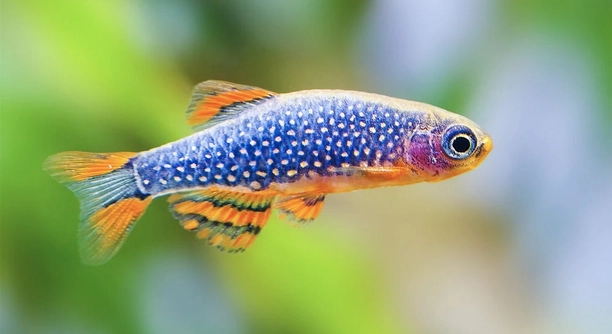
Do you ever notice your Celestial Pearl Danios swimming apart instead of together in their usual tight school? It can be surprising when these normally social fish suddenly begin drifting alone in your aquarium.
Celestial Pearl Danios may stop schooling due to stress, illness, poor water conditions, or a lack of compatible tank mates. Addressing environmental factors and health concerns often restores normal schooling behavior in these fish.
Understanding why they behave differently helps maintain a healthy and balanced aquarium environment, ensuring your Danios thrive in their aquatic home.
Changes in Water Conditions
Even slight changes in water parameters can impact Celestial Pearl Danios significantly. They are sensitive to temperature fluctuations, pH shifts, and increased ammonia or nitrate levels. If the water becomes too warm or too cold, their metabolism and behavior can change. Poor filtration or irregular water changes may cause stress, leading them to stop schooling. It is important to test water regularly using reliable kits. Adjustments should be gradual to avoid shocking the fish. Soft, slightly acidic water tends to suit them best. Providing a stable and clean environment encourages them to return to their natural schooling habits. Observing their swimming patterns and behavior can indicate whether the water quality is affecting them. Plants and hiding spots also contribute to a secure habitat, which helps reduce stress. A calm environment often restores their social behavior.
Monitoring water conditions closely ensures your Danios remain healthy and active.
Creating consistent water conditions and maintaining filtration support a stable and stress-free habitat. Over time, Danios are more likely to swim together naturally.
Tank Mates and Social Dynamics
Aggressive or incompatible tank mates can make Danios keep to themselves.
Celestial Pearl Danios are peaceful by nature. Introducing fin-nipping or territorial fish can disrupt their schooling. If they feel threatened, they may hide or swim alone. Choosing compatible, non-aggressive species ensures a harmonious tank. Maintaining groups of at least six Danios also encourages natural schooling. Properly spaced decorations allow escape routes and reduce conflict. Observing interactions regularly helps identify stress triggers. Small adjustments, like rearranging plants or adding more hiding spots, can make a noticeable difference.
When selecting tank mates, consider temperament, size, and activity level. Peaceful species like small rasboras, guppies, or shrimp can coexist without causing stress. Avoid overcrowding, as limited space can increase tension and disrupt social behavior. Introducing new fish slowly allows Danios to acclimate. Providing consistent feeding schedules and monitoring water quality further reduces stress. Over time, a well-structured community tank encourages schooling behavior to resume. Social balance in the aquarium is essential for both health and natural activity. Watching them interact daily helps you understand their dynamics and address any issues promptly. Creating an environment where each fish feels secure ensures they return to their typical, coordinated swimming patterns.
Diet and Feeding Habits
Inconsistent feeding can affect Danios’ schooling behavior. They need a balanced diet of high-quality flakes, micro-pellets, and occasional live or frozen foods to stay healthy. Skipping meals or overfeeding can cause stress and lethargy.
A varied diet ensures that Celestial Pearl Danios receive all necessary nutrients. Live foods like daphnia or brine shrimp stimulate activity, while flakes and pellets maintain overall health. Overfeeding can pollute the water, causing stress that makes schooling less likely. Feeding small portions multiple times a day is often better than one large meal. Observing their eating habits helps determine if diet is impacting behavior. Healthy fish are more likely to swim together consistently.
Poor feeding routines can also lead to competition or aggression among tank mates. Ensuring all fish get access to food reduces stress. Maintaining feeding consistency supports energy levels and encourages natural social behavior, which helps restore schooling patterns in Celestial Pearl Danios.
Stress and Environmental Factors
Stress from sudden changes can make Danios stop schooling. Loud noises, frequent tank disturbances, or bright lights increase anxiety.
Environmental stressors disrupt natural behavior. Overcrowded tanks, inadequate hiding spots, or strong currents can overwhelm Danios. Even small disturbances, like tapping on the glass, can trigger fear responses. Gradual adjustments to lighting, decoration, or water flow minimize stress and encourage normal schooling.
Monitoring signs of stress, such as rapid breathing or hiding, allows timely intervention. Reducing external disturbances and providing secure spaces promotes confidence. Stress-free conditions enhance immune health, reducing susceptibility to illness. Proper tank setup, calm routines, and consistent maintenance create an environment where Celestial Pearl Danios feel safe. When stress is minimized, schooling naturally resumes, reflecting their healthy social instincts.
Illness and Health Issues
Sick Danios often isolate themselves from the group. Common illnesses like fin rot, parasites, or swim bladder problems can reduce activity and cause schooling to break down.
Early detection is key. Observe changes in appetite, swimming patterns, or appearance. Treating health issues promptly improves recovery and helps restore social behavior.
Age and Maturity
Younger Celestial Pearl Danios may school more tightly, while older fish sometimes prefer swimming alone. Maturity affects energy levels, social interaction, and group dynamics.
Tank Size and Space
Overcrowded or undersized tanks stress Danios, disrupting schooling behavior. Proper space allows free swimming and reduces conflict.
FAQ
Why are my Celestial Pearl Danios swimming alone?
Isolation in Danios is usually a response to stress, illness, or environmental changes. Poor water quality, incompatible tank mates, or sudden changes in lighting and temperature can make them retreat. Sick or weak fish also tend to separate from the group for safety. Observing water parameters and behavior often reveals the cause.
How many Danios should be kept together?
A minimum of six Celestial Pearl Danios is recommended. Smaller groups can lead to insecurity and scattered swimming patterns. Larger groups encourage natural schooling, reduce stress, and promote social behavior. Maintaining at least six helps them feel safe and confident in the tank.
Can water temperature affect schooling?
Yes. Celestial Pearl Danios thrive in 22–26°C (72–79°F). Sudden drops or rises in temperature slow their metabolism and disrupt activity levels. Stable, consistent temperature ensures they remain active and swim in coordinated groups. Gradual adjustments are important if changes are needed.
Do tank decorations influence their behavior?
Decorations, plants, and hiding spots play a significant role. Dense plants provide security and reduce stress, while open swimming areas allow natural schooling. Too many obstacles or crowded decorations may fragment groups, causing fish to swim apart. Balanced tank layout encourages normal social behavior.
How does diet affect schooling?
A varied, high-quality diet supports energy and activity levels. Live or frozen foods like daphnia and brine shrimp stimulate movement and natural behavior. Overfeeding can pollute the water, causing stress and lethargy. Feeding small, consistent portions keeps Danios healthy and encourages coordinated swimming.
What role do tank mates play?
Aggressive or fin-nipping species can disrupt schooling. Peaceful fish like small rasboras or guppies coexist well and reduce anxiety. Incompatible species increase stress, prompting Danios to hide or swim alone. Ensuring compatible tank mates preserves group cohesion and natural behavior.
Can age affect schooling behavior?
Yes, age influences social dynamics. Younger Danios often school tightly, while older fish may swim independently. Age-related changes in energy levels and mobility can alter group patterns, but providing adequate space and companions usually encourages them to school together.
How can I tell if my Danios are stressed?
Signs of stress include rapid breathing, hiding, loss of appetite, clamped fins, or erratic swimming. Environmental changes, loud noises, overcrowding, or poor water quality often trigger stress. Identifying and addressing these factors helps restore natural schooling and overall health.
Will sick fish return to schooling after recovery?
Most healthy Danios rejoin the group once illness or stress is resolved. Treating the underlying issue, maintaining clean water, and providing secure space support reintegration. Observing behavior during recovery helps ensure they regain confidence and swim with the group naturally.
Can overcrowding prevent schooling?
Overcrowding reduces space for movement, increases stress, and may fragment schools. Adequate tank size and proper population density are essential. Providing enough room allows fish to swim freely, reduces aggression, and promotes natural social interactions. Balanced stocking ensures coordinated schooling and overall well-being.
How often should I test water quality?
Regular testing is crucial. Weekly checks for ammonia, nitrites, nitrates, and pH help maintain a stable environment. Sudden changes in water parameters can stress Danios and interrupt schooling. Consistent monitoring ensures healthy fish and encourages natural group behavior.
Do lighting conditions affect their behavior?
Lighting influences activity and stress. Too bright or inconsistent light can make Danios skittish and less likely to school. Natural day-night cycles with moderate aquarium lighting create a comfortable environment, encouraging coordinated swimming and reducing stress-related isolation.
Is it normal for Danios to occasionally swim alone?
Short periods of solitary swimming can occur, especially during feeding or exploring. However, prolonged isolation often signals stress, illness, or environmental issues. Observing patterns and making adjustments usually helps restore consistent schooling behavior.
How can I encourage my Danios to school again?
Address water quality, tank mates, diet, and space first. Gradual adjustments to lighting, decorations, or water parameters reduce stress. Ensuring healthy, compatible companions and proper feeding routines helps restore confidence. Over time, Danios will resume natural schooling patterns in a stable, secure environment.
What are common health problems that affect schooling?
Fin rot, parasites, swim bladder issues, and infections can reduce activity. Sick fish often separate from the group. Early detection, treatment, and maintaining a clean, stable environment are key to recovery and regaining normal social behavior.
Can stress from loud noise or vibrations affect schooling?
Yes. Sudden or repeated noise, tapping on the glass, or external vibrations can startle Danios. Stress responses may include hiding or swimming alone. Reducing disturbances and providing secure spaces encourages calm behavior and helps maintain group cohesion.
Does water flow influence swimming patterns?
Strong currents can fragment schools, especially if fish struggle to swim against the flow. Gentle, consistent water movement supports natural behavior. Adjusting filters or adding drift-reducing decorations can help Danios swim together comfortably.
Are Celestial Pearl Danios naturally social?
Yes. They are schooling fish by nature. Healthy individuals feel safer in groups and exhibit coordinated swimming. When conditions are suitable and stressors are minimized, schooling becomes a consistent, visible behavior that reflects their well-being.
How long does it take for Danios to resume schooling?
Recovery time varies depending on stress or illness severity. Minor issues may see results within days, while health problems or major environmental changes can take weeks. Patience, consistent care, and monitoring behavior are essential for a full return to natural schooling patterns.
Should I separate a sick Danio from the group?
Quarantining sick fish prevents disease spread and reduces stress for the rest of the tank. Treatment in a separate tank allows observation and recovery. Once healthy, the Danio can safely rejoin the school, resuming normal social behavior.
Can changing decorations suddenly cause isolation?
Yes. Sudden rearrangement can disorient fish and increase stress. Gradual or minimal changes reduce anxiety. Providing familiar hiding spots and open swimming areas encourages Danios to maintain schooling behavior even after adjustments.
Do all Celestial Pearl Danios behave the same?
Individual personalities vary. Some may naturally explore alone, while others remain tightly grouped. Differences in age, health, or temperament can influence schooling patterns. Observing their behavior over time helps distinguish temporary issues from consistent tendencies.
What is the best way to maintain a peaceful tank?
Balance population, choose compatible species, maintain clean water, and provide secure hiding spots. Consistent feeding and minimal disturbances reduce stress. A calm, stable environment encourages natural schooling and overall health. Watching interactions regularly allows adjustments to keep harmony.
How do I know if water quality is causing issues?
Signs include unusual swimming, lethargy, or color changes. Testing ammonia, nitrites, nitrates, and pH confirms conditions. Addressing imbalances promptly restores comfort, reduces stress, and encourages schooling to return.
Can overcrowding and stress cause illness?
Yes. Stress weakens immune systems, making Danios more susceptible to fin rot, parasites, or infections. Proper tank size, compatible mates, and regular water maintenance minimize these risks. Healthy fish are more likely to maintain normal schooling behavior.
Is schooling behavior important for health?
Schooling provides security, reduces stress, and encourages activity. Isolation can signal underlying issues and may lead to poor health. Maintaining conditions that support natural schooling contributes to both social behavior and overall well-being.
What should I do if my Danios still won’t school?
Review water quality, tank mates, diet, and stress factors. Treat illnesses, ensure adequate space, and provide secure hiding spots. If issues persist, consulting experienced aquarists or veterinarians can help identify less obvious problems affecting schooling.
How does group size affect schooling confidence?
Smaller groups feel insecure, often splitting apart. Larger groups provide reassurance and encourage synchronized swimming. Maintaining at least six Danios supports social cohesion, reduces stress, and promotes natural schooling behavior.
Are occasional solitary moments normal?
Short periods of independent swimming are normal, particularly during feeding or exploring. Persistent isolation, however, usually indicates stress, illness, or environmental problems requiring attention to restore normal schooling.
Does lighting schedule matter?
Consistent day-night cycles reduce stress and maintain regular activity. Sudden or irregular changes can make Danios skittish and less likely to school. Balanced lighting encourages natural behavior and synchronized swimming.
Can adding plants help restore schooling?
Yes. Plants provide hiding spaces and reduce stress. Properly spaced vegetation allows free movement while offering security, helping Danios feel safe and more likely to swim in coordinated groups.
What is the simplest way to encourage schooling?
Maintain stable water quality, provide compatible companions, ensure adequate space, and reduce stressors. Healthy, confident Danios will naturally resume coordinated swimming without constant intervention.
How do I prevent future schooling issues?
Regular water testing, consistent feeding, proper tank mates, and secure habitat reduce stress. Monitoring behavior and addressing minor changes early keeps Danios healthy and schooling naturally. Consistency and attention to environmental factors are key.
Can stress be completely eliminated?
No, minor stress is normal. The goal is to minimize chronic stressors, ensuring a safe, stable environment. Reduced stress supports health, encourages social behavior, and maintains consistent schooling in Celestial Pearl Danios.
Celestial Pearl Danios are naturally social fish that thrive in groups. When they stop schooling, it is often a signal that something in their environment or health has changed. Stress, illness, water quality, tank mates, and even age can influence their behavior. Paying attention to these factors is important to ensure that they remain active and healthy. Observing daily behavior can help identify problems early before they become serious. Small adjustments, like stabilizing water parameters or improving tank layout, can have a noticeable effect on their schooling patterns. Healthy, well-cared-for Danios are more likely to swim together in coordinated groups, which is their natural behavior.
Maintaining consistent water conditions is one of the most important aspects of caring for Celestial Pearl Danios. They are sensitive to temperature, pH, and chemical fluctuations, which can cause stress and lead to isolation. Regular water testing, proper filtration, and gradual changes help create a stable environment. Overfeeding or underfeeding can also disrupt behavior, so providing a balanced diet in controlled amounts supports energy and overall health. Tank decorations and plants play a role as well. Providing hiding spots and open swimming areas reduces stress and allows them to feel secure. When their environment meets their needs, Danios regain confidence and return to normal schooling behavior.
Social dynamics are equally important in encouraging natural schooling. Aggressive or incompatible tank mates can cause fear and isolation. Keeping at least six Danios together supports their social instincts and ensures a sense of security within the group. Illness and age also influence behavior, so monitoring their health and accommodating their energy levels is essential. Minor stress is normal, but chronic stress should be minimized to prevent long-term problems. By providing a stable environment, proper diet, and compatible companions, Celestial Pearl Danios can thrive and exhibit natural schooling patterns. Understanding these factors allows you to create a healthy, balanced aquarium where your Danios feel safe, confident, and active.

Hello,
If you enjoy the content that we create, please consider saying a "Thank You!" by leaving a tip.
Every little bit helps us continue crafting quality advice that supports the health, happiness, and well-being of pets around the world, for pets of all shapes, sizes, and species.
We really appreciate the kindness and support that you show us!