
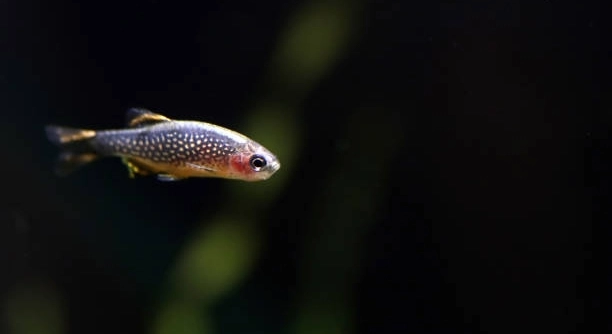
Do you ever notice your danios weaving gracefully through the plants in your aquarium? Their playful movements bring life to the tank, and selecting the right plants can make their environment more engaging and comfortable.
Danios thrive in aquariums with plants that offer both shelter and open swimming space. Popular choices include Java fern, Anubias, hornwort, Amazon sword, water wisteria, crypts, and floating plants. These provide structure, hiding spots, and natural pathways for active swimming.
Knowing which plants suit your danios’ habits will enhance their activity and well-being, creating a lively and visually pleasing aquarium environment for them to enjoy.
Java Fern
Java fern is a hardy plant that adapts well to different water conditions. Its broad leaves create natural hiding spots for danios while allowing open spaces for swimming. It attaches to driftwood or rocks, making it versatile in aquascaping. This plant grows slowly, which reduces maintenance, and it doesn’t require strong lighting, making it ideal for tanks with moderate setups. Danios often dart around its leaves, using them for quick cover when they feel cautious. Its textured leaves also provide surfaces for biofilm and algae, which some fish nibble on. Java fern can thrive in a community tank, as it isn’t easily disturbed by fish activity. Overall, its durability and low-maintenance needs make it a top choice for those who want a natural-looking tank without constant upkeep.
Its resilience and minimal care requirements make Java fern a reliable choice for creating comfortable spaces for danios.
Java fern’s attachment points and layered growth help simulate a natural environment. Danios can explore, hide, or rest among the leaves, which reduces stress and encourages active swimming patterns. Pairing it with other plants or open swimming zones helps balance the tank layout and keeps your fish engaged. Its slow growth also means fewer trimming sessions, allowing the aquarium to maintain its aesthetic longer.
Anubias
Anubias grows slowly and can attach to stones or driftwood, offering shaded areas for danios.
This plant’s thick leaves are sturdy and resist being torn, making it excellent for tanks with active fish. Danios often swim around or beneath Anubias, using the space for exploration. It tolerates low light and a range of temperatures, providing flexibility for different setups. Planting Anubias properly reduces uprooting, and its broad leaves also support beneficial microorganisms. Combining it with faster-growing plants can enhance visual contrast and provide additional cover. The plant’s low maintenance and adaptability make it a staple in many community aquariums. Danios seem to favor the shaded zones created by Anubias, and its placement can influence swimming routes in the tank. Regularly inspecting leaves for algae growth ensures the plant stays healthy and continues offering shelter for the fish.
Hornwort
Hornwort grows quickly and floats or anchors in the substrate, giving danios plenty of places to swim around. Its fine, feathery leaves create a natural barrier and help maintain water quality by absorbing excess nutrients.
Danios often weave through hornwort’s dense foliage, which gives them a sense of security while still leaving space for swimming. Its rapid growth helps control algae by competing for nutrients, and it tolerates a wide range of water conditions. Placing it in areas with moderate flow allows leaves to sway, mimicking a natural environment. This movement encourages exploration and reduces stress among the fish. Hornwort’s versatility in placement also makes it easy to rearrange without damaging roots, allowing for flexible aquascaping.
Using hornwort with other plants can create layered swimming zones, from dense cover to open space. Danios benefit from these zones for play and rest. Its fast growth and adaptability reduce frequent maintenance, making it ideal for active aquariums.
Amazon Sword
Amazon sword has broad, tall leaves that provide shelter for danios while letting them swim freely around the tank. Its strong roots anchor it firmly in the substrate.
The plant’s structure creates both hiding spots and open corridors, which helps reduce stress in danios. Its leaves also support small microorganisms, adding a minor food source for curious fish. Amazon sword thrives in moderate lighting and benefits from nutrient-rich substrates. Regular pruning keeps it healthy and prevents it from overshadowing other plants. Placement in the middle or back of the tank allows for balanced aquascaping, offering visual depth and accessible swimming space.
Danios are drawn to the shaded areas under Amazon sword leaves, where they can rest or hide. The combination of dense foliage and open space encourages natural swimming patterns and activity levels. Its broad leaves help maintain water quality by absorbing excess nutrients, and the plant’s stability prevents uprooting. Integrating it with other plants like Java fern or Anubias can enhance variety in texture and height, creating a more dynamic environment. Proper care ensures that Amazon sword continues to thrive and provide both functional and aesthetic benefits to the tank.
Water Wisteria
Water wisteria grows quickly and provides floating or rooted cover, giving danios spaces to swim through and explore. Its lacy leaves move gently with water flow, adding natural movement to the tank.
This plant helps control excess nutrients and reduces algae growth. Danios enjoy weaving among its stems, which offer both hiding spots and open swimming zones.
Cryptocoryne
Cryptocoryne thrives in low to moderate light and attaches firmly to the substrate. Its broad, textured leaves offer danios shaded areas for resting and quick retreats from more active tankmates.
The plant adapts well to stable water conditions, and its slow growth reduces maintenance. Cryptocoryne’s natural structure creates a balanced layout when paired with taller or floating plants. Its dense foliage encourages danios to explore different swimming paths while providing shelter. The variety of leaf shapes and colors adds visual interest to the aquarium. Overall, it supports both the aesthetic and functional aspects of a danio-friendly tank.
Floating Plants
Floating plants drift on the water’s surface, creating shaded zones and reducing light intensity. Danios swim underneath, enjoying the calmer, covered areas.
FAQ
What types of plants are safest for danios?
Danios do best with hardy plants that can withstand active swimming. Java fern, Anubias, hornwort, Amazon sword, water wisteria, crypts, and floating plants are ideal because they offer structure without easily breaking or uprooting. Broad leaves and feathery stems create hiding spots while leaving room for movement.
How do floating plants benefit danios?
Floating plants provide shade and reduce light intensity in the aquarium, creating calmer areas for danios to swim. They help regulate the tank environment by minimizing algae growth and providing shelter for shy or young fish. Floating plants also support biofilm growth, which danios may nibble on occasionally.
Do danios need plants to thrive?
While danios can survive in a bare tank, plants significantly improve their well-being. Plants reduce stress by offering cover, mimic natural habitats, and encourage active exploration. Open swimming areas combined with planted zones create a balanced environment for social and individual behaviors.
Can fast-growing plants handle active danios?
Yes. Plants like hornwort and water wisteria grow quickly and tolerate constant movement. Their stems and leaves sway with currents, reducing the chance of uprooting. Fast growth also helps maintain water quality by absorbing nutrients and competing with algae, keeping the tank healthier.
How should I arrange plants for danios?
Place taller plants like Amazon sword and water wisteria toward the back or sides of the tank. Shorter or slow-growing plants like Anubias and crypts go in the midground or foreground. Floating plants can cover the surface. This arrangement balances open swimming zones and shaded areas, making the tank feel natural and secure.
Do danios eat plant leaves?
Danios are primarily omnivorous and may occasionally nibble on soft leaves, but they rarely destroy healthy, sturdy plants. Plants like Anubias and Java fern resist nibbling due to their tough texture, while delicate plants may need extra care or protection until they grow stronger.
How often should I trim or care for plants?
Trimming depends on growth rate. Fast-growing plants like hornwort may need weekly attention, while slow-growing plants like Java fern or Anubias only require occasional trimming. Regular checks for algae and damaged leaves maintain plant health and ensure safe swimming areas for danios.
Can plants improve water quality for danios?
Yes. Plants absorb nitrates and other excess nutrients, which helps keep the water cleaner and more stable. They also produce oxygen during the day, which supports fish health. Combining plants with proper filtration creates a balanced environment that benefits both danios and the overall aquarium ecosystem.
Are there plants that should be avoided?
Delicate or highly fragile plants may not last in a danio tank. Fast-growing fish can uproot soft plants, so avoid thin-stemmed or easily torn species unless heavily anchored. Choosing hardy, adaptable plants ensures the aquarium remains functional and visually appealing.
Can danios coexist with all types of aquarium plants?
Most hardy plants are compatible with danios, especially those that offer structure without impeding swimming. Avoid overcrowding the tank, as too many dense plants may reduce open space. A mix of tall, broad, and floating plants creates variety, shelter, and active zones suitable for danios of all ages.
How do plants affect danio behavior?
Plants provide hiding spots, reducing stress and aggressive interactions. They encourage exploration, swimming through gaps, and resting among leaves. Floating plants create shaded areas that mimic natural habitats, while tall and broad-leafed plants guide movement patterns. A planted environment supports natural behavior, improving health and overall vitality.
Is it necessary to use substrate for planting?
Some plants like Anubias and Java fern attach to driftwood or rocks and don’t need substrate. Others like Amazon sword or crypts require nutrient-rich substrate for strong root development. Using a mix allows both anchored and free-growing plants to coexist, supporting varied plant types and enhancing the tank layout.
Can planted tanks reduce maintenance for danios?
Yes. Plants help stabilize water conditions, reduce algae growth, and offer hiding zones, which decreases stress-related issues. Fast-growing species absorb nutrients efficiently, lowering the frequency of water changes. A balanced mix of slow and fast growers minimizes upkeep while keeping the tank visually appealing and functional for danios.
How many plants should I have in a danio tank?
A good rule is 40–60% coverage, leaving ample open swimming space. Combining foreground, midground, and background plants, along with floating species, creates layers. This ensures danios have areas for exploration, hiding, and active swimming, while also supporting water quality and tank aesthetics.
Do danios prefer planted tanks over bare tanks?
Most danios thrive in planted environments. The variety of swimming paths, shaded areas, and biofilm surfaces offer stimulation and safety. Bare tanks can work, but plants encourage natural behaviors, reduce stress, and create a visually richer environment that keeps the fish more active and healthy.
How do I introduce new plants without stressing my danios?
Add plants gradually, placing them in sections instead of all at once. Ensure proper acclimation by rinsing and removing any chemicals or pests. Danios adjust quickly when plants are stable and offer consistent water quality. Gradual addition prevents sudden changes in water parameters and reduces stress.
Can plants help with breeding danios?
Yes. Dense foliage like hornwort or floating plants provides spawning sites and cover for fry. Shaded areas and protected corners reduce predation by adult fish. Using a mix of broad-leafed and fine-leafed plants increases the chances of successful breeding by simulating natural habitats.
Are artificial plants suitable for danios?
Artificial plants can provide cover, but they lack the water-quality benefits of live plants. Soft, smooth artificial plants work best to prevent fin damage. Live plants are preferable for nutrient absorption, oxygen production, and supporting natural behaviors, but artificial options are acceptable if chosen carefully.
How do I keep plants healthy in a danio tank?
Provide appropriate lighting, moderate water flow, and nutrient support through substrate or liquid fertilizers. Monitor for algae and remove damaged leaves promptly. Ensuring water parameters are stable and compatible with plant species promotes long-term health, while maintaining swimming areas for danios.
Can I mix different plant types together?
Yes. Combining fast and slow growers, anchored and floating plants, and varying leaf shapes creates a natural and functional tank. This approach provides layered swimming zones, shelter, and enrichment. Mixing species enhances aesthetics while supporting the diverse activity patterns of danios throughout the aquarium.
How do I prevent plants from taking over the tank?
Regular trimming and spacing control plant growth. Fast growers like hornwort need frequent pruning, while slow growers require occasional attention. Monitoring growth patterns and removing excess leaves maintains balance between open swimming areas and planted zones, keeping the aquarium healthy and functional for danios.
What lighting is best for planted tanks with danios?
Moderate lighting works well for most plants like Anubias, Java fern, and Amazon sword. Avoid intense light that encourages algae overgrowth. Floating plants naturally reduce light penetration, creating shaded zones. Proper lighting supports healthy growth without stressing the fish or causing rapid algae proliferation.
How do I manage algae in a planted danio tank?
Use fast-growing plants to absorb nutrients and reduce algae competition. Limit direct sunlight, maintain balanced lighting, and perform regular water changes. Introducing algae-eating species or manually removing growth helps maintain a clean tank, ensuring plants thrive and danios have a clear environment for swimming.
Are some plants toxic to danios?
Most commonly used aquarium plants are safe, but it’s important to check before adding new species. Avoid plants treated with pesticides or fertilizers that could harm fish. Choosing established, hardy aquarium plants ensures safety while supporting natural behaviors and overall well-being for danios.
Can plants help reduce stress in danios?
Yes. Plants provide hiding spots, shaded areas, and natural swimming pathways. Danios feel safer with accessible cover, which reduces aggression, promotes rest, and encourages natural activity. A planted tank mimics elements of their natural habitat, creating a more comfortable and less stressful environment.
How often should I clean planted tanks?
Cleaning depends on plant growth and waste accumulation. Removing debris, trimming dead leaves, and performing partial water changes weekly or biweekly maintains water quality. Avoid disturbing roots excessively to protect plant health while keeping swimming areas open for danios. Proper maintenance balances aesthetics and functionality.
Can I use fertilizers in a danio tank?
Liquid fertilizers or nutrient-rich substrates support plant growth but must be used carefully. Choose fish-safe products and follow dosage instructions. Fertilizers help maintain vibrant leaves and robust growth, benefiting both the plants and the overall aquarium environment without harming danios.
Do plants affect water temperature in the tank?
Plants have minimal impact on temperature but provide shaded areas that can slightly reduce light heat exposure. They contribute indirectly by promoting water quality and oxygen levels, creating a more stable environment that supports danio health and comfort.
Can I grow plants without CO2 injection?
Yes. Many hardy plants like Java fern, Anubias, and hornwort grow well without CO2. Moderate lighting and proper nutrients are sufficient. While CO2 injection can enhance growth, it’s not essential for danio-friendly plants and avoids complications or stress for fish.
How do I prevent plants from being uprooted by danios?
Anchor plants securely to substrate, driftwood, or rocks. Fast-growing plants tolerate some disturbance, but slow-growing species like Anubias and Java fern should be attached rather than planted in loose substrate. Proper placement and spacing reduce the likelihood of uprooting while keeping swimming areas open.
Are live plants better than artificial for breeding?
Live plants offer natural cover, spawning surfaces, and support microorganisms beneficial to fry. While artificial plants provide hiding spots, they lack the additional environmental benefits of live species, making them less effective for successful breeding or promoting natural behaviors in danios.
Can plants improve the color and health of danios?
Yes. A well-planted tank reduces stress and mimics natural habitats, which helps maintain bright colors and active behavior. Plants also support a healthier tank environment, indirectly improving fish vitality and longevity while giving them enrichment through exploration and hiding opportunities.
How do I start a planted danio tank?
Choose hardy plants, arrange them to provide both open swimming zones and shaded areas, and ensure proper lighting and substrate. Introduce plants gradually, monitor water quality, and maintain regular trimming. A balanced mix of anchored and floating species creates a functional and visually appealing environment for danios.
Can plants help control ammonia and nitrate levels?
Yes. Plants absorb nitrates and other nutrients from the water, reducing toxin buildup. This natural filtration supports water stability, helping danios remain healthy. Combining plant growth with proper filtration creates a low-stress, cleaner tank environment that benefits both fish and plants.
Do danios prefer certain textures of plants?
Danios are drawn to both fine, feathery leaves like hornwort and broad leaves like Anubias. They use dense textures for shelter and smooth surfaces for swimming around. A mix of textures encourages natural behavior and exploration while providing comfort and hiding spaces.
Can plants survive in a heavily stocked danio tank?
Yes, if they are hardy species. Fast-growing plants like hornwort and water wisteria tolerate disturbance, while tough-leaved plants like Anubias and Java fern resist nibbling and uprooting. Proper spacing, substrate, and maintenance ensure plant survival even in active tanks.
How do I know if a plant is thriving with danios?
Healthy growth, vibrant color, minimal algae, and intact leaves indicate thriving plants. Danios should swim comfortably around them without uprooting or tearing leaves. Regular observation and trimming help maintain plant health and ensure the tank remains balanced and suitable for fish activity.
Are there seasonal care differences for planted danio tanks?
Light intensity and temperature changes may require minor adjustments in fertilization, pruning, or water changes. Most hardy plants tolerate seasonal shifts, but monitoring growth and water quality ensures consistent conditions, keeping both plants and danios healthy throughout the year.
Do plants help reduce aggression in danios?
Yes. Providing hiding spots and visual barriers reduces territorial behavior and stress. Shaded areas and dense foliage create spaces where danios can retreat, encouraging peaceful interaction while maintaining natural swimming patterns.
How do I integrate new plants with existing ones?
Acclimate new plants by rinsing them and checking for pests. Introduce gradually, spacing them to prevent overcrowding. Ensure they receive compatible lighting and nutrients. Integration is smoother if new species have similar care requirements, maintaining balance and continuity in the tank layout.
Can plants support fry survival?
Dense plants like hornwort and floating species offer protection for fry, reducing predation. Fine leaves provide hiding spots, and natural microorganisms offer supplemental food. Combining anchored and floating plants improves chances of fry survival while supporting a healthy, active environment for adult danios.
Do danios interact differently with live versus artificial plants?
Yes. Live plants encourage natural behaviors like exploring, hiding, and nibbling biofilm. Artificial plants provide cover but lack environmental enrichment. Live plants create a more stimulating and dynamic environment, promoting activity and reducing stress, while artificial plants mainly serve as static hiding spots.
What is the ideal plant-to-open-space ratio for danios?
A balanced layout with roughly 40–60% plant coverage ensures ample swimming space. This mix of foreground, midground, background, and floating plants provides shelter, exploration zones, and open water, supporting natural behaviors and maintaining tank aesthetics.
How do plants influence water flow in a danio tank?
Plants slow water flow in dense areas, creating calm zones and microcurrents. This encourages danios to explore and rest in shaded sections. Taller plants and floating species redirect flow without obstructing movement, maintaining a dynamic yet manageable aquatic environment.
Are there benefits to rotating plant placement periodically?
Yes. Rotating plants prevents overgrowth in specific areas, maintains open swimming paths, and provides variety for danios. It also helps ensure light and nutrients reach all plants evenly, supporting balanced growth and healthier aquarium conditions overall.
Can plants reduce tank odor?
Healthy plants absorb nutrients and organic waste that contribute to odor. By stabilizing water conditions and limiting algae and decay, they help maintain a cleaner, fresher-smelling aquarium while supporting fish health and activity levels.
Do plants affect filtration needs?
Plants supplement filtration by absorbing excess nutrients, reducing the load on mechanical and biological filters. While they don’t replace filters, they enhance water quality and stability, especially in tanks with active fish like danios.
How long does it take for plants to establish in a danio tank?
Hardy plants like Anubias and Java fern establish within a few weeks. Faster-growing plants like hornwort and water wisteria grow quickly and adapt within days. Proper lighting, substrate, and nutrient support accelerate establishment while providing functional cover for danios.
Can I combine slow-growing and fast-growing plants effectively?
Yes. Fast-growing plants absorb nutrients and reduce algae, while slow-growing plants provide durable cover. Together, they balance aesthetics, shelter, and swimming space. Danios benefit from both dynamic and stable environments for exploration, hiding, and resting.
Do plants improve oxygen levels in the tank?
Live plants produce oxygen during the day, supporting fish respiration. This contributes to a healthier environment, especially in densely stocked or warm tanks. Combined with aeration or filtration, plants enhance overall water quality and fish vitality.
Are some plants better for small versus large danio tanks?
Smaller tanks benefit from compact plants like crypts and Anubias, providing cover without overcrowding. Larger tanks allow for taller species like Amazon sword or water wisteria, creating layered swimming zones and more dynamic spaces. Choosing plants based on tank size ensures both fish comfort and visual appeal.
How do I remove unhealthy plants safely?
Trim damaged leaves and remove entire plants carefully, avoiding disturbance to roots of surrounding plants. Check for pests or disease before disposal. Prompt removal prevents decay from affecting water quality and maintains healthy swimming conditions for danios.
Can plants help with temperature regulation?
Indirectly. Shading from floating or broad-leafed plants reduces light exposure and minor heat buildup. While they don’t significantly change water temperature, they create microhabitats that provide cooler, calmer areas for danios.
Do plants affect feeding behavior?
Yes. Plants encourage natural foraging, as danios nibble on biofilm or search for small microorganisms. Dense or feathery plants offer hiding spots near feeding zones, making feeding less stressful and more natural, supporting healthy activity and diet.
Can plants be used to separate aggressive danios?
Dense plants create visual barriers that reduce line-of-sight aggression and territorial disputes. Using tall or thick-leafed plants in key areas helps manage interactions while maintaining open swimming zones for active play.
How do I balance light, nutrients, and plant growth?
Moderate lighting, fish-safe fertilizers, and proper substrate create optimal conditions. Avoid over-fertilizing or excessive light, which encourages algae. Monitoring plant health, trimming when necessary, and maintaining consistent water parameters ensure a balanced, thriving planted danio tank.
Are there signs plants are stressed from danios?
Torn leaves, uprooted roots, or algae overgrowth indicate stress. Adjust placement, protect delicate species, and ensure stable water conditions. Using hardy plants in high-activity areas prevents damage and keeps the aquarium functional for both plants and danios.
Do plants affect pH or hardness in a danio tank?
Most hardy plants have minimal effect on pH or hardness. Some substrates used for plant growth may slightly alter water parameters. Monitoring water conditions ensures compatibility for both plants and danios, maintaining a stable and healthy environment.
Can plants survive with constant danio activity?
Yes, if they are durable species. Java fern, Anubias, and hornwort resist uprooting and damage. Proper placement, anchoring, and spacing allow plants to thrive despite frequent swimming and exploration by danios.
How do I know which plants my danios prefer?
Observe swimming and hiding patterns. Danios gravitate toward areas with cover, shaded zones, or textured leaves. Preference varies, but hardy, layered plants with open spaces consistently attract more interaction and activity from the fish.
Are there seasonal growth considerations for plants in a danio tank?
Yes. Seasonal light changes may slow or accelerate growth. Adjust trimming, fertilization, and placement accordingly. Stable water temperature and nutrient levels help maintain consistent plant health throughout seasonal shifts, keeping the environment comfortable for danios.
Do plants help reduce stress during tank cleaning or changes?
Yes. Dense or floating plants provide refuge when fish are exposed to disturbances. Shaded areas reduce visibility and stress during water changes, maintenance, or new additions, supporting calmer behavior in danios.
Can I use mosses in a danio tank?
Yes. Mosses like Java moss offer dense cover, attachment points, and biofilm surfaces. They thrive in low to moderate light, are hardy, and create natural hiding spots without obstructing swimming paths for active danios.
**How do I prevent plant decay
Final Thoughts
Choosing the right plants for a danio tank is important for creating a healthy and comfortable environment. Plants like Java fern, Anubias, hornwort, Amazon sword, water wisteria, crypts, and floating plants offer both shelter and open swimming areas. Each species provides unique benefits, from hiding spots to surfaces for biofilm growth. Incorporating a mix of slow-growing and fast-growing plants helps maintain balance and reduces the need for constant maintenance. By carefully selecting plants that can tolerate active swimming, you create a tank that supports natural behaviors, encourages exploration, and minimizes stress. Understanding the needs of both the plants and the danios ensures that the aquarium remains visually appealing and functionally sound. Planting strategically with consideration for height, texture, and placement enhances the overall layout, giving danios access to a variety of spaces where they can swim, hide, or rest.
Maintaining a planted tank requires attention, but the effort benefits both the fish and the plants. Regular trimming, monitoring water quality, and checking for algae or damaged leaves help keep plants healthy. Hardy species like Java fern and Anubias require minimal care, while fast-growing plants like hornwort and water wisteria may need more frequent attention. Floating plants provide shaded zones and reduce light intensity, which can help calm danios and reduce stress. Proper placement of taller plants in the back and shorter plants in the foreground allows for layered swimming spaces, while open areas ensure the tank does not feel overcrowded. Combining plants with proper filtration, moderate lighting, and stable water conditions creates a supportive environment where danios can thrive. Over time, a well-maintained planted tank becomes a dynamic ecosystem, benefiting from natural filtration, oxygen production, and nutrient absorption by plants, all of which contribute to the overall health of the aquarium.
Observing danios interact with plants is rewarding and provides insight into their behavior. Fish use plants for hiding, resting, and exploring, and different species appeal to different behaviors. For example, feathery plants like hornwort encourage weaving and playful movement, while broad-leaved plants like Anubias provide shelter and resting areas. Plants also support fry survival, offer enrichment through biofilm and microorganisms, and help reduce aggression by providing visual barriers. Even though some plants may require adjustments or extra care, the advantages far outweigh the challenges. A thoughtful combination of plant species, proper arrangement, and consistent maintenance ensures a visually pleasing and functional tank that meets the needs of the danios. Overall, integrating the right plants creates an environment that is both practical and natural, allowing danios to display their active, social, and curious behavior in a setting that mirrors their natural habitat.

Hello,
If you enjoy the content that we create, please consider saying a "Thank You!" by leaving a tip.
Every little bit helps us continue crafting quality advice that supports the health, happiness, and well-being of pets around the world, for pets of all shapes, sizes, and species.
We really appreciate the kindness and support that you show us!