
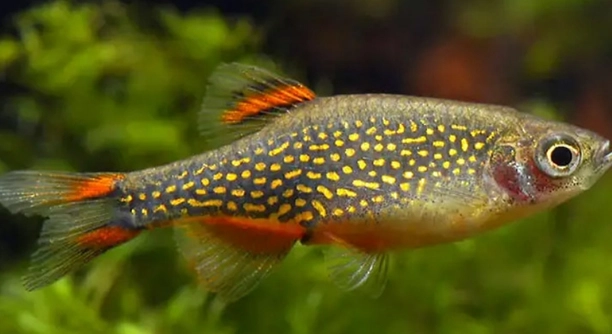
Have you ever admired a small, shimmering fish gliding gracefully across your aquarium, its tiny scales sparkling like tiny stars under the light? Celestial Pearl Danios are delicate and colorful, attracting many fish enthusiasts to their charm.
Celestial Pearl Danios are commonly called Galaxy Rasboras because of their striking appearance, which resembles a starry night sky. Their vibrant, pearl-like spots along a dark body create a visual effect similar to galaxies scattered across the cosmos.
Learning more about these tiny fish can help you appreciate their unique beauty and better understand their care in a home aquarium.
Origins of Celestial Pearl Danios
Celestial Pearl Danios were first discovered in small, remote lakes in Myanmar. Their habitat is quiet, shallow water with dense vegetation, where they remain mostly hidden from predators. The water there is cool and slightly acidic, which helps maintain their vivid colors and delicate scales. Locals sometimes noticed them, but they remained largely unknown to the global aquarium market until the 2000s. When introduced to aquariums, they quickly gained attention because of their sparkling appearance and calm nature. Unlike larger fish, they move gracefully in small groups, creating a peaceful atmosphere in tanks. Maintaining water quality similar to their natural habitat is essential for their health, as sudden changes in temperature or pH can stress them. Breeding in captivity has become easier over the years, but it still requires patience. These fish thrive best in planted tanks with hiding spaces, which mimic their natural surroundings and support their natural behavior.
Their small size and peaceful temperament make them compatible with other non-aggressive fish in community tanks.
Keeping Celestial Pearl Danios healthy requires attention to water parameters and tank setup. They prefer a stable temperature between 22–26°C and a slightly acidic to neutral pH. Regular water changes help reduce stress and prevent disease, while live plants provide shelter and promote natural behaviors. Feeding them a varied diet, including micro-pellets, frozen foods, and tiny live foods, ensures proper growth and coloration. Observing their interactions is important, as they form small shoals and display social hierarchies, which adds interest to the aquarium. Pairing them with gentle tank mates avoids conflicts and allows them to flourish. Understanding their origins and habits helps create a supportive environment that showcases their natural beauty and sparkling patterns. A well-planned tank setup will keep them active, healthy, and visually stunning, making them a joy to care for over the long term.
Appearance and Behavior
Their body is small, usually around 2.5 cm long, with a dark base color highlighted by bright, pearl-like spots.
The behavior of Celestial Pearl Danios is calm but active. They swim in groups, exploring their surroundings without disturbing other fish. Males often display more vivid colors, especially during breeding, with fins fanning gently as they move. Their spots shimmer under light, giving the impression of tiny stars scattered along their bodies. They are shy at first but quickly adapt to their tank once comfortable, often seeking shelter in plants or decorations. Watching their coordinated swimming patterns can be calming and adds life to any aquarium. Small movements and social interactions are subtle but fascinating to observe. Over time, they establish a routine and interact consistently with their environment, making them engaging to care for. Their peaceful nature allows them to coexist with many small, non-aggressive fish, enhancing the overall harmony of the tank and creating a serene display.
Tank Setup and Environment
A well-planned tank makes a big difference for Celestial Pearl Danios. They need plenty of plants, hiding spots, and gentle water flow to feel secure. Substrate can be dark to highlight their colors.
Keeping a stable temperature between 22–26°C is crucial, as sudden changes stress the fish. A pH slightly acidic to neutral works best, and soft water enhances their natural coloration. Adding live plants not only provides hiding spots but also helps maintain water quality. Lighting should be moderate to mimic natural conditions, bringing out their shimmering spots without causing stress. Including small decorations like rocks or driftwood can create natural boundaries and encourage swimming patterns that reflect their behavior in the wild. Regular tank maintenance, including partial water changes and monitoring water parameters, ensures the fish remain healthy and active.
Filtration should be gentle, avoiding strong currents that may tire these small fish. A combination of sponge filters and low-flow hang-on-back filters works well, creating clear water without disturbing them. Positioning plants strategically allows them to explore and rest safely. Using floating plants can diffuse light and add extra cover. Grouping at least six or more fish encourages natural shoaling behavior, which reduces stress and promotes social interactions. Keeping tankmates small and peaceful ensures harmony, while maintaining water quality and regular feeding routines supports overall health and vibrant coloration.
Diet and Feeding
A varied diet keeps Celestial Pearl Danios healthy and colorful. They eat micro-pellets, tiny frozen foods, and small live foods like daphnia or brine shrimp.
Feeding small amounts two to three times daily is ideal to prevent overfeeding, which can harm water quality. Live foods stimulate natural hunting instincts and enhance colors, while high-quality micro-pellets provide essential nutrients. Rotating food types ensures balanced nutrition and keeps the fish active and interested during feeding. Observing their eating patterns helps detect any signs of illness or stress early. Removing uneaten food promptly prevents waste buildup, which could impact tank conditions. Treating food gently, such as thawing frozen items carefully, preserves nutrients.
Some owners supplement with occasional plant-based foods, like spirulina flakes, to support digestion and overall health. Variety in the diet strengthens immune systems and encourages growth, especially for younger fish. Feeding routines can also be a form of interaction, letting you notice behavioral patterns and preferences among your fish. Over time, fish develop subtle responses to feeding schedules, creating predictable and manageable care. Combining live, frozen, and prepared foods consistently results in bright, active fish with long-term well-being, adding vibrancy to the aquarium display.
Breeding Celestial Pearl Danios
Breeding Celestial Pearl Danios requires a separate tank with soft, slightly acidic water. Dense plants or spawning mops give females places to lay eggs safely, preventing adults from eating them.
Raising the temperature slightly can encourage spawning. Males become more colorful, displaying spots and fins to attract females. Providing live foods improves health and readiness for breeding. Eggs usually hatch in two to three days, and fry need tiny food like infusoria at first. Careful monitoring and gentle water changes keep fry healthy as they grow, eventually blending safely into a community tank.
Common Health Issues
Watch for signs of stress or disease, including clamped fins, discoloration, or lethargy.
Early detection is crucial for treatment. Quarantining new fish before adding them to the tank reduces disease spread. Maintaining clean water and a balanced diet prevents many common illnesses. Regular observation ensures any problems are addressed quickly, keeping fish healthy and active.
Lifespan and Care Expectations
Celestial Pearl Danios typically live three to five years in captivity. Proper care, stable water parameters, and a suitable environment help them reach their full lifespan. Observing their behavior and maintaining consistent routines ensures they remain vibrant and healthy throughout their lives.
Ideal Tankmates
They thrive with other small, peaceful fish like tetras or small rasboras. Aggressive or larger fish can stress them and should be avoided.
FAQ
How many Celestial Pearl Danios should I keep together?
These fish are social and thrive in groups of at least six. Smaller groups may become shy or stressed, while larger groups allow them to display natural shoaling behaviors. Keeping enough together also helps males distribute attention evenly and reduces aggression during breeding.
What water conditions do they prefer?
They do best in slightly acidic to neutral water, with a pH between 6.5 and 7.0. Temperature should stay between 22–26°C. Soft to moderately hard water is ideal, and regular partial water changes help maintain quality and stability, which prevents stress and illness.
Can they live with other fish?
Yes, they coexist well with small, peaceful fish such as small tetras, rasboras, or dwarf gouramis. Avoid large or aggressive species that may harass or eat them. Careful selection of tankmates ensures a harmonious environment where all fish can thrive.
How often should I feed them?
Feed small amounts two to three times per day. Offer a mix of micro-pellets, frozen foods, and live foods. This keeps them healthy, colorful, and active while preventing overfeeding, which can pollute the tank and harm water quality.
Do they need live plants in the tank?
Yes, live plants are important. They provide shelter, reduce stress, and offer places for breeding and hiding. Plants also help maintain water quality by absorbing nitrates. Dense planting closely mimics their natural environment, encouraging natural behavior.
How long do Celestial Pearl Danios live?
With proper care, they typically live three to five years. Providing stable water conditions, a balanced diet, and a peaceful environment helps maximize lifespan and allows them to maintain vibrant colors throughout their life.
Are they easy to breed at home?
Breeding is possible but requires attention. A separate tank with soft, slightly acidic water and dense plants or spawning mops encourages egg-laying. Raising the temperature slightly and offering live foods increases success. Eggs hatch in two to three days, and fry need tiny foods like infusoria initially.
What signs indicate they are stressed or sick?
Stress or illness can show as clamped fins, faded colors, lethargy, or loss of appetite. Early detection is important. Quarantining new fish and maintaining clean water with proper feeding helps prevent disease. Regular observation allows quick intervention if problems arise.
Can they live in small aquariums?
They can live in smaller tanks, but at least a 10-gallon setup is recommended for a small group. This provides enough space for swimming, hiding, and shoaling behaviors while making water maintenance manageable. Overcrowding can lead to stress and poor health.
What is the best diet to maintain their colors?
A varied diet helps retain vibrant spots. Include micro-pellets, frozen foods, and live foods like daphnia or brine shrimp. Occasional plant-based foods, like spirulina flakes, improve digestion and add subtle coloration. Rotating foods ensures proper nutrition and keeps them active and healthy.
How should I introduce new fish to the tank?
Quarantine new fish for at least two weeks before introducing them. This prevents spreading disease to established fish. Introduce them slowly, allowing the new fish to acclimate to water conditions, reducing stress and helping them integrate peacefully into the group.
Are they suitable for beginners?
Yes, they are relatively easy to care for but require attention to water quality and social needs. Their peaceful nature and small size make them manageable for beginners who are committed to maintaining proper tank conditions and diet routines.
What kind of substrate is best for them?
A dark substrate enhances their colors and mimics natural conditions. Fine gravel or sand works well, allowing plants to root properly and giving the fish a comfortable environment for swimming and exploring. Substrate also affects water chemistry and should be chosen carefully.
Do they need special lighting?
Moderate lighting is sufficient. Too bright can stress them, while low lighting may reduce color vibrancy. Floating plants or shaded areas can help balance light, creating a comfortable environment and highlighting their sparkling appearance naturally.
How do I handle aggression between males?
Aggression is mild but can occur during breeding. Keeping a larger group disperses attention and reduces conflicts. Providing plenty of plants, hiding spots, and visual barriers gives each male space and prevents prolonged fights. Observing interactions allows you to separate overly aggressive individuals if needed.
Can fry survive in a community tank?
Fry are vulnerable in a community tank and are often eaten by adults or other species. Raising them in a separate breeding tank with dense plants or spawning mops increases survival. Once large enough, they can be safely introduced to the main tank without risk.
Are they sensitive to sudden changes in water?
Yes, they are sensitive. Sudden shifts in temperature, pH, or hardness can stress them and weaken their immune system. Gradual adjustments and regular monitoring maintain stability, keeping them healthy and reducing the likelihood of disease or unusual behavior.
Do they prefer any particular tank decorations?
They enjoy plants, rocks, and driftwood that provide hiding spaces and swimming routes. Decorations should create a natural layout without overcrowding. Small caves or densely planted corners help them feel secure while allowing natural exploration and shoaling patterns.
How can I tell the difference between males and females?
Males have more intense coloration, especially during breeding, and their fins are slightly longer. Females are rounder, particularly when carrying eggs, and their colors are generally more subdued. Observing shoaling behavior can also help identify males displaying dominance or courtship patterns.
Is it safe to keep them in a planted tank with snails or shrimp?
Yes, they are compatible with small snails and shrimp. These invertebrates help with cleaning and create a more dynamic environment without threatening the fish. Make sure shrimp have hiding spots to prevent accidental predation, especially if the tank is small.
Can they adapt to tap water?
They can adapt if the water is treated and stable. Use a water conditioner to remove chlorine and heavy metals, and adjust pH or hardness as needed. Gradual acclimation prevents shock and supports long-term health and color retention.
Do they require any special care during winter?
Indoors, maintaining stable aquarium temperature avoids seasonal stress. If using heaters, check regularly for consistency. Winter sunlight may be lower, so lighting should remain moderate. Feeding routines stay the same, but avoid overfeeding if activity slows slightly during cooler periods.
How often should I clean their tank?
Partial water changes of 20–25% weekly are ideal. Regular cleaning prevents waste buildup and maintains water quality. Avoid complete cleaning, which can remove beneficial bacteria. Checking filters, substrate, and decorations ensures a healthy environment without stressing the fish.
What makes them sparkle under aquarium light?
Their pearlescent spots reflect light, creating a sparkling effect. The dark body provides contrast, highlighting the bright spots. Proper lighting and clear water maximize this effect, making them appear like tiny stars gliding through the tank.
Are they suitable for planted nano tanks?
Yes, they are ideal for planted nano tanks because of their small size and peaceful nature. Dense planting provides cover and simulates their natural habitat. Maintaining water quality and avoiding overcrowding ensures they remain healthy and display natural behaviors beautifully.
Can stress affect their colors?
Stress causes fading or dulling of their spots. Poor water quality, aggressive tankmates, or sudden changes in conditions are common stressors. Maintaining stable parameters, a peaceful environment, and proper diet preserves their vibrant appearance and overall well-being.
Do they require hiding spaces even in a well-stocked tank?
Yes, hiding spaces reduce stress and support natural behavior. Even in a calm community, small fish benefit from areas where they can rest, escape attention, or feel safe while exploring. Plants, rocks, and decorations serve this purpose effectively.
Can they live with bettas?
It depends on the betta’s temperament. Peaceful or inactive bettas may coexist, but aggressive males can harass or harm Celestial Pearl Danios. Observing initial interactions and having escape routes ensures safety for both species if attempted.
Is it normal for them to hide frequently?
Yes, hiding is natural, especially when first introduced to a tank. Once they feel secure, they explore more freely. Providing plants and decorations encourages natural behavior while giving them safe spaces to retreat when needed.
How do I encourage natural shoaling behavior?
Keep at least six individuals together, offer open swimming areas, and maintain stable conditions. Shoaling provides comfort and reduces stress. Observing their group interactions can be rewarding, as coordinated movements reflect their social instincts and natural patterns.
Are they prone to common aquarium diseases?
They are relatively hardy but can develop issues like ich or fin rot if water quality is poor. Maintaining clean water, stable parameters, and proper diet prevents most problems. Early detection and treatment are key to avoiding serious health concerns.
What is the best way to acclimate them to a new tank?
Float the bag in the tank to equalize temperature, then gradually mix tank water with the bag water over 30–60 minutes. Slowly releasing them reduces shock, stress, and helps them adjust smoothly to their new environment.
Can they tolerate slightly alkaline water?
They tolerate mild alkalinity, but prolonged exposure can affect health and coloration. Slightly acidic to neutral water is preferred. Gradual adjustments allow adaptation if tank water is naturally alkaline, but monitoring behavior and appearance is important.
Do they require any supplements or vitamins?
A balanced diet usually provides all necessary nutrients. Occasional high-quality supplements can support coloration and immune health, especially during growth or breeding periods. Supplements are not mandatory if the diet is varied and nutrient-rich.
How often should I check water parameters?
Testing weekly ensures stable temperature, pH, hardness, and ammonia/nitrate levels. Frequent checks prevent stress or illness and help maintain an optimal environment. Monitoring parameters allows prompt correction of any changes that may affect fish health.
Are Celestial Pearl Danios active at night?
They are primarily diurnal, active during the day and resting at night. Providing a day-night cycle with moderate lighting supports their natural rhythm. Nighttime hiding and reduced activity are normal behaviors in a healthy tank.
Can they tolerate brackish water?
No, they are freshwater fish and do not thrive in brackish conditions. Salt or mineral levels outside their freshwater preference can cause stress, health problems, and eventually reduce lifespan if not corrected.
Is it necessary to provide a breeding tank?
Yes, a separate breeding tank increases survival of eggs and fry. Adults may eat eggs, and controlled conditions help maintain water parameters suitable for spawning and fry growth. Spawning mops or dense plants are essential for protection.
How long does it take for fry to reach adult size?
Fry grow gradually, reaching adult size in about six to eight months. Proper feeding, stable water conditions, and protection from predators accelerate growth while ensuring strong, healthy fish ready for community integration.
Do they enjoy swimming near the surface or bottom more?
They prefer mid to upper levels for swimming but explore all areas. Dense planting at the bottom provides shelter, while open areas near the surface allow active movement. This range supports natural behavior and reduces stress.
Are they sensitive to sudden light changes?
Yes, abrupt changes can stress them. Gradual lighting adjustments and floating plants help diffuse intensity, creating a comfortable environment while highlighting their colors naturally. Sudden bright light may cause hiding or erratic swimming.
Can they coexist with snails that reproduce quickly?
Yes, they do not harm snails, even in large numbers. Snails help clean the tank, but rapid reproduction may require occasional population control. Celestial Pearl Danios will swim around them without interference, maintaining harmony in the tank.
Do they need a specific water flow in the tank?
They prefer gentle flow. Strong currents can tire them and stress their small bodies. Sponge filters or low-flow setups provide clean water without disturbing natural swimming patterns, making them more comfortable and active.
How can I tell if the tank is too crowded?
Signs include increased hiding, stress behaviors, or fin nipping. Overcrowding reduces water quality and can trigger aggression. Maintaining appropriate stocking levels and monitoring fish behavior ensures a healthy, balanced environment for all inhabitants.
Are they suitable for tanks with fluctuating temperatures?
No, they are sensitive to sudden changes. Stable water temperature is essential for health, activity, and coloration. Gradual adjustments during seasonal changes are safer than sudden shifts. Consistent heating equipment helps maintain the ideal range.
Do they interact with tank decorations?
Yes, they explore and swim around plants, rocks, and driftwood. Decorations create boundaries, resting spots, and hiding places. This interaction provides enrichment and encourages natural behaviors, keeping the fish active and reducing stress.
Can Celestial Pearl Danios live alone?
No, they are social fish. Isolation causes stress, hiding, and loss of color. Keeping them in groups allows natural shoaling, social interaction, and displays their full personality and activity in the tank.
Are they suitable for outdoor ponds?
They can survive outdoors only in temperate climates with stable temperatures. Protection from predators, consistent water conditions, and seasonal adjustments are necessary. Otherwise, indoor aquariums are safer and easier to maintain for these delicate fish.
Do they require any special cleaning tools?
No special tools are needed beyond standard aquarium maintenance equipment. Regular siphoning, water changes, and gentle cleaning of decorations keep the tank healthy without disturbing the fish.
Can they tolerate a small amount of salt in the water?
A tiny amount may help treat mild illness but is not necessary for normal care. Salt can stress them if used incorrectly, so it should only be applied cautiously under guidance for treatment purposes.
Do they need companions of the same species to breed successfully?
Yes, males and females need each other. A small group encourages natural breeding behavior. Pairing only one male with one female may reduce courtship and spawning activity, while a group promotes interaction and healthy reproduction.
Are Celestial Pearl Danios active swimmers or mostly stationary?
They are active swimmers, constantly exploring the tank and interacting with each other. Mid-to-upper levels see the most movement, though they occasionally rest near plants or decorations. Their activity adds life and dynamic movement to the aquarium.
What is the easiest way to identify males during non-breeding periods?
Males retain slightly brighter colors and longer fins than females. Their body is slimmer, while females are rounder when carrying eggs. Observing subtle fin movements or interactions within a group can help differentiate males without breeding cues.
Can stress cause them to stop eating?
Yes, stress from poor water conditions, overcrowding, or aggressive tankmates may reduce appetite. Correcting the cause and ensuring a calm environment usually restores normal eating patterns, supporting health and color.
Do they need hiding places even in a calm tank?
Yes, hiding spots reduce stress and offer security. Even in a peaceful environment, small fish benefit from plants, caves, or decorations to retreat and explore naturally. Hiding spaces encourage normal behavior and comfort.
Is it normal for them to dart quickly occasionally?
Yes, quick movements are natural, often caused by curiosity, minor disturbances, or playful behavior. Occasional dashing does not indicate stress unless accompanied by other signs like clamped fins, loss of color, or lethargy.
Can Celestial Pearl Danios adapt to low-light tanks?
They adapt slowly but may lose some color vibrancy. Moderate lighting is best to highlight their sparkling spots while supporting plant growth and maintaining natural behavior patterns in the tank.
Are they compatible with shrimp that are smaller than them?
Yes, they usually ignore small shrimp, though fry may be at risk. Providing hiding spots ensures shrimp safety and allows coexistence, maintaining harmony and a lively tank environment for both species.
Do they require frequent water changes?
Partial water changes of 20–25% weekly are sufficient. Consistency maintains water quality, reduces stress, and prevents disease. Over-cleaning or complete changes can remove beneficial bacteria, so regular, moderate maintenance is ideal.
How fast do they grow?
They grow slowly, reaching full size in six to eight months. Proper feeding, water conditions, and space promote steady growth, ensuring healthy, vibrant adults that display their natural sparkling patterns in the tank.
Can they tolerate slightly hard water?
Yes, but soft to moderately hard water is preferred. Hard water may affect color vibrancy and breeding success. Monitoring parameters ensures the fish remain healthy and visually striking.
Are they active during feeding times?
Yes, they respond quickly, often swimming together toward food. Activity increases with live or frozen foods. Feeding is also an opportunity to observe health and behavior, as active fish are generally healthy.
Do they show preference for certain areas of the tank?
They prefer mid-to-upper levels but explore all areas. Plants and decorations provide cover and resting spots. Offering varied spaces allows them to display natural behaviors and reduces stress.
Can temperature fluctuations cause health problems?
Yes, sudden changes can stress them and lower immunity, leading to illness. Stable temperature maintenance is crucial, especially during seasonal transitions or power outages, to keep them healthy and active.
Are they suitable for aquariums with strong filtration?
They prefer gentle filtration. Strong currents can tire them and cause stress. Sponge filters or low-flow systems maintain water quality without disrupting swimming or behavior patterns.
Do they interact with other small fish?
Yes, they swim alongside peaceful tankmates, displaying curiosity and occasional group interactions. Social behavior is natural, though they remain primarily focused on their shoal. Properly matched species reduce stress and create a harmonious tank.
Can sudden introduction of new fish stress them?
Yes, introducing new fish abruptly can cause hiding, color fading, or reduced activity. Quarantine and gradual acclimation prevent stress and ensure smooth integration into the tank environment.
Are they sensitive to chemicals in tap water?
Yes, untreated tap water may contain chlorine or heavy metals. Use a water conditioner to make it safe. Gradual acclimation prevents shock and ensures long-term health and color retention.
Do they need hiding spaces even in a planted tank?
Yes, dense plants alone may not provide sufficient shelter. Additional decorations or rocks create secure retreats, encouraging natural behavior and reducing stress.
Can Celestial Pearl Danios tolerate temporary crowding?
Short periods may be manageable, but prolonged overcrowding causes stress, reduced activity, and poor water quality. Maintaining proper stocking levels ensures health and longevity.
Are they prone to fin damage?
They are generally hardy, but poor water quality, aggressive tankmates, or sharp decorations can cause damage. Smooth surfaces, gentle care, and monitoring prevent injuries.
Can they live with fast-swimming fish like danios?
Larger or more aggressive danios may outcompete them for food and stress them. Stick to small, gentle species to maintain harmony and reduce aggression.
Do they need a specific light cycle?
Yes, around 10–12 hours of light per day
Celestial Pearl Danios, also called Galaxy Rasboras, are small, peaceful fish that bring life and sparkle to any aquarium. Their shimmering spots and gentle behavior make them a favorite for those who enjoy observing fish without needing large, aggressive species. Despite their delicate appearance, they are hardy when kept in proper conditions, making them suitable for both beginners and more experienced hobbyists. Providing the right environment, including stable water parameters, a planted tank, and suitable tankmates, ensures these fish can thrive and display their natural beauty. Their small size and calm demeanor make them ideal for community tanks, as they coexist well with other peaceful species. Watching a shoal of Celestial Pearl Danios move together can be calming, adding a dynamic yet serene quality to your aquarium setup.
Proper care for these fish requires attention to diet, tank maintenance, and social needs. They thrive on a varied diet of micro-pellets, frozen foods, and small live foods, which support their growth, health, and vibrant colors. Feeding small amounts two to three times daily keeps them active while preventing water quality problems caused by uneaten food. In addition, regular partial water changes and gentle filtration are essential to maintain a stable and healthy environment. Including dense plants, rocks, or decorations gives them places to hide and explore, which reduces stress and encourages natural behavior. Shoaling behavior is an important part of their social life, so keeping a small group is necessary for their well-being. By paying attention to these simple aspects, you can ensure a long and healthy life for your Galaxy Rasboras.
Breeding and observing these fish adds another layer of enjoyment for aquarium keepers. Although breeding requires a separate tank with appropriate water conditions and hiding spots for eggs and fry, the process is rewarding for those who want to watch their fish grow. Fry need tiny food like infusoria initially and require careful monitoring to ensure survival. Even if breeding is not the main goal, understanding their behavior and natural instincts helps in creating a supportive environment. Over time, these fish become a consistent, lively part of the aquarium, interacting with each other and exploring their surroundings. Their lifespan, usually three to five years, can be maximized through steady care and proper attention to their habitat. By maintaining stable water, feeding routines, and social groups, Celestial Pearl Danios provide lasting beauty and gentle activity, making them a charming addition to any home aquarium.

Hello,
If you enjoy the content that we create, please consider saying a "Thank You!" by leaving a tip.
Every little bit helps us continue crafting quality advice that supports the health, happiness, and well-being of pets around the world, for pets of all shapes, sizes, and species.
We really appreciate the kindness and support that you show us!