
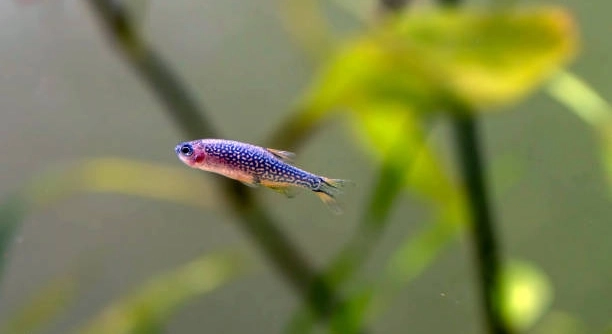
Celestial Pearl Danios are small, colorful fish that brighten up any freshwater tank. They are generally peaceful, but subtle changes in behavior can signal underlying stress. Observing them closely helps maintain a healthy and happy aquarium environment.
Stress in Celestial Pearl Danios often manifests through subtle changes in behavior and appearance, including loss of color, erratic swimming, reduced appetite, hiding, fin clamping, increased aggression, and changes in social interaction. Early detection is key to proper care.
Noticing these signs early can make a big difference in keeping your Danios healthy and thriving in their home environment. Proper observation ensures a stress-free habitat for these delicate fish.
Loss of Color
Celestial Pearl Danios are known for their vibrant hues, and when those colors start to fade, it can be a sign of stress. Stress affects their physiology, causing pigments to dull or shift. This often happens when water quality drops, temperature fluctuates, or tankmates become aggressive. Even subtle fading can indicate discomfort, so monitoring color regularly is important. Feeding a balanced diet and maintaining stable water conditions helps prevent prolonged stress. Bright, healthy fish usually swim confidently, showing off their full color patterns. When you notice dullness, it’s a signal to check water parameters, tank setup, and social dynamics. Sometimes, minor adjustments like reducing light intensity or rearranging decorations can help them feel more secure. Observing their color alongside behavior provides a clearer picture of their well-being. Healthy Danios exhibit vivid blues, reds, and silvers, while stressed fish may appear muted or almost grayish. Addressing these early signs can prevent more serious health issues.
Loss of color often signals environmental stress or illness, requiring immediate attention to water quality, diet, and tank stability.
Maintaining color involves stable water parameters, regular feeding, and minimizing stressors. Small steps like adding plants or gentle lighting can boost confidence and pigment intensity. Avoid sudden changes that can worsen stress. Monitoring behavior alongside color ensures early intervention, helping your Danios remain vibrant, active, and social.
Erratic Swimming
Erratic swimming includes darting, sudden stops, or swimming in unusual patterns. Stress can make fish feel insecure, leading to unpredictable movements.
Erratic swimming can stem from poor water quality, overcrowding, or sudden changes in the tank environment, all of which increase stress levels in Danios.
Observing swimming patterns helps identify discomfort early. Fish that suddenly swim against the current, hover near the surface, or repeatedly bump into objects may be signaling stress. Correcting environmental factors like maintaining a proper temperature, ensuring clean water, and limiting strong currents can restore normal behavior. Providing hiding spots or rearranging decorations helps them feel secure. Social stress from incompatible tankmates can also trigger erratic movements, so balancing group dynamics is essential. Over time, consistent monitoring and careful adjustments improve confidence and swimming patterns, allowing the Danios to regain a calm, stable routine while maintaining overall health.
Hiding Behavior
Hiding more than usual is a clear sign of stress in Celestial Pearl Danios. They may retreat to plants, decorations, or corners of the tank. Excessive hiding indicates discomfort with water conditions, tankmates, or sudden environmental changes.
Fish that hide often are signaling insecurity. Stress from overcrowding, poor water quality, or aggressive tankmates can trigger this behavior. Even small adjustments in tank setup, like adding more plants or rearranging decorations, can provide shelter and reduce stress. Observing when and where they hide helps identify patterns, making it easier to correct environmental issues. Consistent water testing and monitoring social interactions are key. Over time, these adjustments encourage Danios to explore the tank more confidently, reducing hiding frequency.
Hiding can also result from sudden changes in temperature or lighting. Gradual adjustments, maintaining a stable routine, and offering plenty of cover allow Danios to feel safe. Pairing compatible tankmates ensures social balance. By watching hiding tendencies closely, you can address stress before it affects appetite, coloration, or overall health, ensuring a calm and vibrant aquarium environment.
Fin Clamping
Fin clamping occurs when a Danio holds its fins close to the body. It usually indicates discomfort or stress and can result from illness, poor water conditions, or aggressive tankmates.
Clamped fins reduce movement efficiency and indicate the fish is trying to conserve energy or protect itself. Stress factors like sudden temperature changes, high nitrate levels, or overcrowding often lead to this behavior. Observing clamping alongside other signs like reduced swimming or loss of color helps pinpoint the issue. Treatment involves stabilizing water parameters, checking for illness, and creating a calm environment. Ensuring a proper diet also supports recovery.
Regular monitoring of fins and overall posture is essential. Gentle water flow, consistent lighting, and minimal disturbances encourage natural fin movement. If clamping persists, reviewing tank setup and social dynamics can uncover underlying causes. Addressing fin clamping promptly prevents further stress, supports healthy growth, and maintains social harmony among your Celestial Pearl Danios.
Reduced Appetite
Reduced appetite is a common sign of stress in Celestial Pearl Danios. Stressed fish may eat less or ignore food entirely. This behavior can indicate water issues, illness, or social tension within the tank.
Consistent monitoring of feeding habits is essential. Sudden changes in appetite often signal that adjustments are needed. Maintaining a stable routine, ensuring water quality, and providing high-quality food can help restore normal eating behavior.
Increased Aggression
Stress can lead to increased aggression among Danios. Fish may nip fins, chase tankmates, or dominate certain areas of the tank. Aggression often arises from overcrowding, incompatible tankmates, or environmental changes.
Social Withdrawal
Social withdrawal occurs when stressed Danios isolate themselves from the group. They may stay in corners or remain motionless. This behavior indicates discomfort, insecurity, or health issues.
How can I tell if my Celestial Pearl Danios are stressed?
Stress in Celestial Pearl Danios shows up in several ways. Look for dull colors, clamped fins, erratic swimming, hiding, reduced appetite, increased aggression, or social withdrawal. Observing their usual behavior helps you notice small changes early. Even minor shifts in swimming patterns or activity levels can indicate stress. Checking water quality, tank conditions, and social interactions is essential whenever you see these signs. Healthy Danios are active, social, and maintain bright coloration, so any deviation from this norm should be addressed promptly.
What are the main causes of stress in Celestial Pearl Danios?
Common causes of stress include poor water quality, sudden temperature fluctuations, overcrowding, incompatible tankmates, and frequent disturbances. Inconsistent feeding schedules or improper nutrition can also contribute. Stress can arise from lack of hiding spots or inadequate environmental enrichment. Even small changes in the tank setup, like moving decorations or changing lighting, can unsettle sensitive fish. Stress weakens the immune system, making Danios more prone to disease. Regular monitoring of water parameters, maintaining a clean tank, and keeping a stable, calm environment helps prevent most stress-related issues.
How can I improve water quality for my Danios?
Maintaining clean, stable water is crucial for Celestial Pearl Danios. Perform regular water changes, ideally 25% weekly, to reduce nitrate and phosphate buildup. Use a good filtration system to remove waste and toxins. Test parameters such as ammonia, nitrite, nitrate, and pH frequently to ensure they stay within safe ranges. Avoid sudden chemical treatments or drastic water changes, as these can shock the fish. Maintaining stable temperature and gentle water flow also reduces stress. A balanced, clean environment encourages healthy behavior, vibrant colors, and consistent appetite.
Can tankmates cause stress?
Yes, aggressive or incompatible tankmates can stress Danios. Species that chase, nip, or dominate space can trigger hiding, fin clamping, or erratic swimming. Overcrowding increases competition for resources, creating tension in the group. To reduce stress, choose peaceful, similarly sized fish and monitor social dynamics. Providing plants, rocks, or decorations offers shelter and reduces conflicts. Ensuring each fish has enough space helps maintain calm, encourages natural schooling behavior, and prevents long-term health issues caused by chronic stress.
How does diet affect stress levels?
A balanced diet supports both physical health and stress resilience. Poor nutrition or irregular feeding can weaken the immune system and reduce energy levels, making Danios more sensitive to environmental changes. Feeding high-quality flakes, pellets, or frozen foods that meet nutritional needs keeps them active and vibrant. Avoid overfeeding, which pollutes the water, and maintain a consistent feeding schedule. Offering variety and ensuring sufficient food for each fish helps reduce competition and related stress, supporting overall well-being and stability in the tank.
When should I consult a veterinarian?
Consult a vet if stress signs persist despite improving water quality, diet, and environment. Persistent hiding, clamped fins, loss of color, or unusual lethargy may indicate illness. A professional can diagnose underlying health issues, recommend treatments, and guide preventive care. Early intervention improves recovery chances and prevents long-term harm. Regular observation and proactive care help catch problems before they become severe. In some cases, stress may mask disease, so a thorough assessment ensures both environmental and medical factors are addressed.
Are there ways to prevent stress long-term?
Preventing stress involves maintaining stable water conditions, a balanced diet, compatible tankmates, and proper tank setup. Avoid sudden changes in temperature, lighting, or decorations. Provide hiding spots and plants to give Danios a sense of security. Monitor behavior regularly and act quickly if signs appear. Consistency in care routines builds a stable environment, supporting healthy social interactions and vibrant fish. Minimizing stress not only improves their appearance and activity but also strengthens immunity and promotes longevity, creating a more harmonious aquarium for both fish and caretaker.
Can stress affect reproduction?
Yes, stressed Danios may delay or avoid breeding. Chronic stress reduces energy, impacts hormonal balance, and lowers overall health, which can prevent mating behaviors. Ensuring calm, stable conditions, proper nutrition, and minimal disturbances encourages natural breeding behavior. Adequate space and compatible partners also improve success rates. Addressing stress early helps maintain reproductive health and ensures the fish can reproduce safely and successfully.
How do I know if my interventions are working?
Monitor behavior, appetite, color, and activity levels closely. Improvement is seen when Danios regain bright coloration, normal swimming, regular feeding, and social interaction. Persistent hiding or fin clamping signals more adjustments are needed. Regular observation and small, consistent changes help track progress and ensure the fish return to a healthy, stress-free state.
Celestial Pearl Danios are small, delicate fish that thrive best in stable, calm environments. Observing them regularly is the key to keeping them healthy. Even subtle changes in behavior, such as hiding more often, clamped fins, or reduced appetite, can indicate stress before it becomes serious. Paying attention to their color and swimming patterns also provides important clues. Healthy Danios are active, social, and brightly colored. When any of these traits change, it’s important to check water quality, tankmates, and feeding routines. Simple adjustments, like improving water parameters or adding plants for shelter, can make a significant difference in their comfort and overall health.
Stress in Danios often comes from environmental factors that seem small but have a big impact. Overcrowding, aggressive tankmates, sudden temperature changes, or inconsistent feeding routines can all lead to stress. Even minor disturbances, such as moving decorations or introducing new fish too quickly, can unsettle them. Maintaining stable water conditions and a consistent daily routine helps reduce these stressors. A clean, well-maintained tank with plenty of hiding spaces allows Danios to feel safe and secure. Supporting their social behavior by keeping compatible fish together also helps them stay calm and active. Over time, these careful measures contribute to longer, healthier lives and allow their natural behaviors and bright colors to flourish.
Watching your Celestial Pearl Danios closely helps you respond quickly to any signs of stress. Early intervention is always easier than trying to fix more serious problems later. By keeping water clean, providing a balanced diet, ensuring enough space, and monitoring interactions with other fish, you create an environment where stress is minimized. Even small, gradual changes to the tank setup or feeding routine can have a big impact on their well-being. Understanding their behavior, recognizing subtle signs of stress, and making small adjustments when needed ensures that your Danios remain vibrant, active, and healthy. With consistent care and attention, these beautiful fish can thrive, adding color and life to your aquarium for years.

Hello,
If you enjoy the content that we create, please consider saying a "Thank You!" by leaving a tip.
Every little bit helps us continue crafting quality advice that supports the health, happiness, and well-being of pets around the world, for pets of all shapes, sizes, and species.
We really appreciate the kindness and support that you show us!