
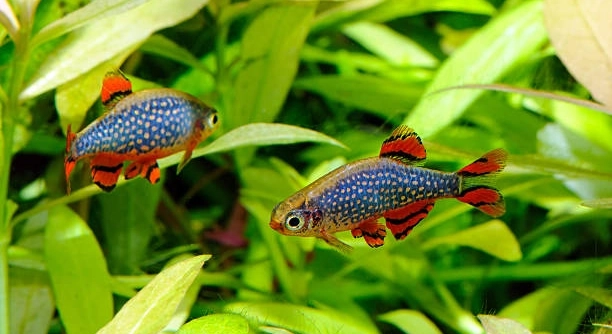
Many aquarists enjoy keeping Celestial Pearl Danios for their vibrant colors and gentle nature. These tiny fish often display unique swimming habits, which can be both fascinating and puzzling for hobbyists observing their daily routines in the tank.
Celestial Pearl Danios hover near the bottom primarily due to environmental comfort and stress factors. Lower water zones provide stability, shelter, and reduced light intensity, which aligns with their natural behavior in shallow, densely planted habitats, supporting their safety and feeding preferences.
Understanding why these fish favor the lower areas of the tank helps improve care, tank setup, and overall fish well-being for a healthier aquatic environment.
Water Temperature and Comfort
Celestial Pearl Danios are sensitive to water temperature. When the water is too cold, they tend to stay near the bottom where it feels more stable. Even a small drop in temperature can make them sluggish and reduce their activity. Warmer water encourages them to explore more freely, but temperatures that fluctuate frequently can stress them out. Maintaining a consistent range of 22–26°C (72–79°F) helps them feel secure and reduces bottom-dwelling behavior. I noticed that after adjusting the heater in my tank, the danios became more active and started swimming throughout the middle levels again. Temperature isn’t the only factor, but it plays a key role in how these fish behave daily. Observing them closely and recording water conditions can help identify patterns, ensuring that the environment is comfortable for their natural tendencies.
Stable temperature keeps Celestial Pearl Danios active and confident, preventing prolonged bottom hovering and improving overall health in the aquarium.
Keeping the tank at the right warmth also allows them to interact more, explore hiding spots, and display brighter colors.
Tank Decoration and Hiding Spots
Dense plants, rocks, and caves give Celestial Pearl Danios places to hide.
When the tank lacks enough decoration or cover, these fish feel exposed and retreat to the bottom for protection. Providing plenty of hiding spaces mimics their natural habitat, reducing stress. My danios immediately started exploring after I added floating plants and small caves.
Decorations influence behavior in multiple ways. Bottom-dwelling is often a response to feeling vulnerable. In a sparsely decorated tank, fish hover low to avoid predators, even if none exist. Dense plants create shade and comfort, making mid-level swimming feel safer. Small caves or rock clusters act as secure zones for resting or escaping sudden disturbances. Observing their interaction with these areas shows their preference for certain spots over others. Floating plants also soften bright light, which these fish tend to avoid. Arranging hiding spots evenly encourages movement throughout the tank while still offering retreat options. This balance reduces stress and encourages healthier swimming patterns, allowing them to display natural colors and behaviors consistently. Proper decoration can turn a timid bottom dweller into a confident, active swimmer.
Water Quality and Oxygen Levels
Poor water quality can make Celestial Pearl Danios stay at the bottom. High ammonia, nitrite, or nitrate levels stress them, causing sluggish behavior. Proper filtration and regular water changes keep conditions safe and oxygen levels balanced.
Maintaining clean water is essential for healthy danios. These fish are small and sensitive, so even minor imbalances in water chemistry can impact their activity. When I first noticed my danios hovering low, testing revealed slightly elevated nitrate levels. After performing a partial water change and checking the filter, they gradually became more active. Adequate aeration also matters because low oxygen encourages them to stay near the substrate where water may hold more dissolved oxygen. Frequent monitoring of pH, ammonia, and nitrates prevents long-term stress and ensures fish remain energetic, swim freely, and show natural coloration. A consistent maintenance schedule improves their confidence and reduces bottom-dwelling tendencies, promoting a healthier tank environment.
Even slight changes in water chemistry can alter behavior quickly. Maintaining stable parameters keeps danios comfortable and encourages swimming at all levels of the tank.
Tank Size and Swimming Space
Small tanks can restrict movement and cause danios to hover near the bottom. They prefer enough horizontal space to swim comfortably.
A cramped tank limits the natural behavior of Celestial Pearl Danios. In my experience, moving them from a 10-gallon to a 20-gallon tank noticeably changed their activity levels. With more room, they began exploring the middle and upper layers of the aquarium instead of clinging to the substrate. Open swimming space is crucial because these fish are active by nature. Crowded conditions can lead to stress, fin nipping, and poor health. Providing at least 10 gallons for a small group allows them to establish territories and swim freely. Vertical space matters less than horizontal, but having a layered setup with plants and hiding spots enhances comfort. Adequate room also improves oxygen distribution and reduces aggressive encounters, creating a balanced environment where bottom-hanging behavior diminishes.
Expanding the tank size gave my danios more confidence to explore, interact, and display natural swimming patterns without constant bottom-hiding.
Stress from Tank Mates
Aggressive or larger tank mates can make Celestial Pearl Danios stay at the bottom. They retreat to avoid confrontation and feel safer near hiding spots.
Even peaceful fish can intimidate smaller danios if the tank is crowded. Observing interactions helps identify which species may be causing stress.
Feeding Habits
Celestial Pearl Danios often hover near the bottom while searching for food. They naturally pick small particles that settle, like flakes or micro pellets. In my tank, I noticed they linger low during feeding times, especially when other fish eat faster at the surface. Bottom-feeding encourages slower, cautious foraging, which is normal behavior. Providing small portions and occasional sinking food ensures all danios get enough nutrition without creating competition. Regular feeding schedules help them feel secure, reduce stress, and balance activity across all tank levels.
Illness or Weakness
A sick or weak danio may spend more time at the bottom. Lethargy and reduced swimming are common indicators, signaling the need for care or observation.
Why do Celestial Pearl Danios prefer the bottom of the tank?
Celestial Pearl Danios often hover near the bottom because it feels safer and more stable. They are naturally small and cautious fish, so lower areas with plants or rocks provide cover from perceived threats. I noticed that when my tank was sparsely decorated, the danios barely left the substrate. Adding hiding spots encouraged them to explore more, but even in a well-decorated tank, they still spend time near the bottom. This is normal behavior, reflecting their instinct to stay close to shelter while feeding or resting.
Can water temperature affect their swimming levels?
Yes, water temperature significantly affects where danios swim. They prefer a consistent range between 22–26°C (72–79°F). Cooler water slows their metabolism and makes them less active, so they often stay at the bottom where the water feels more stable. I observed that after adjusting the heater in my tank, my danios became more active and explored higher areas. Rapid temperature changes can stress them, leading to prolonged bottom-dwelling. Maintaining a stable temperature helps them feel comfortable and encourages more natural swimming behavior.
Does tank size influence bottom-hanging behavior?
Tank size is very important for Celestial Pearl Danios. Small or crowded tanks limit horizontal swimming space, causing them to hover near the bottom. In my experience, moving my danios from a 10-gallon to a 20-gallon tank encouraged them to swim more freely through the middle and upper layers. Open space reduces stress and allows them to interact without feeling confined. While vertical space is less critical than horizontal, having layers of plants and decorations also promotes exploration. Proper tank sizing directly influences activity levels and reduces the tendency to cling to the bottom.
Do tank mates affect their position in the water?
Yes, other fish can impact where danios swim. Aggressive or larger tank mates may intimidate them, causing them to retreat to the bottom or hiding spots. Even generally peaceful fish can stress small danios if the tank is overcrowded. I noticed that after separating my danios from a more boisterous species, they started exploring mid-levels of the aquarium. Watching interactions closely helps identify which species are creating stress. Providing a calm and compatible community reduces bottom-hanging tendencies and promotes healthier behavior.
Can feeding routines influence their swimming behavior?
Feeding habits are closely tied to bottom activity. Celestial Pearl Danios naturally forage for food particles that settle on the substrate. In my tank, I saw them hovering low during feeding, picking up small flakes or sinking pellets. Slow, cautious foraging is normal and helps prevent competition with faster surface feeders. Sinking foods and multiple small portions ensure all fish get enough nutrition. Consistent feeding schedules also reduce stress and encourage more balanced swimming throughout the tank, rather than constant bottom-dwelling during meal times.
How do water quality and oxygen levels play a role?
Poor water quality and low oxygen levels can cause Celestial Pearl Danios to stay at the bottom. High ammonia, nitrites, or nitrates stress them, while insufficient aeration makes lower areas the most comfortable. In my experience, testing the water and performing partial changes quickly restored activity. Proper filtration and aeration are essential. Stable water chemistry keeps the fish healthy, energetic, and willing to explore all levels of the tank. Regular monitoring ensures they remain comfortable and reduces prolonged bottom-hanging behavior.
Could illness cause them to hover near the bottom?
Yes, sickness or weakness often results in bottom-hanging. Lethargy, reduced swimming, or clamped fins indicate the fish may need attention. I once had a danio stay low for several days, which led me to isolate and treat it for a minor infection. Observing physical signs and behavior allows for early intervention. Addressing illness quickly improves recovery and prevents prolonged stress, helping them regain normal swimming patterns and regain energy.
Does light intensity affect their position?
Celestial Pearl Danios often avoid very bright light, hovering near shaded lower areas. Strong overhead lighting can make them feel exposed, especially if there are limited plants or decorations. In my tank, adding floating plants and shaded regions encouraged them to swim more comfortably at mid-levels. Adjusting light gradually and providing hiding spots allows them to regulate exposure naturally while maintaining activity throughout the aquarium.
Is it normal for them to prefer the bottom sometimes?
Yes, occasional bottom-hanging is normal. Even in ideal conditions, danios may rest near the substrate, explore hiding areas, or feed. I often see mine lingering near the bottom for short periods without concern. Monitoring their overall health, activity levels, and appetite ensures this behavior is part of normal routines rather than a sign of stress or illness. It reflects their natural instincts and preference for safety in certain situations.
Can stress from changes in the tank affect their swimming?
Stress from new tankmates, rearranged decorations, or sudden environmental changes can make Celestial Pearl Danios hover near the bottom. They rely on predictable surroundings to feel safe. I noticed that after moving rocks and plants, my fish temporarily stayed low. Gradual adjustments and stable conditions help them regain confidence. Minimizing sudden changes reduces anxiety, encourages normal swimming, and supports healthy social behavior among the group.
Celestial Pearl Danios are small, peaceful fish that naturally spend time near the bottom of the tank. This behavior is often linked to their instincts and comfort, rather than a serious problem. Many factors influence why they choose lower areas, including water temperature, tank size, oxygen levels, and the presence of hiding spots. In my own experience, these fish tend to hover low when they feel exposed or when the environment doesn’t fully meet their needs. Even in a healthy, well-maintained tank, it is normal for them to rest near the substrate, forage for food, or use plants and decorations as shelter. Understanding these tendencies helps aquarists provide better care and create a supportive environment for their danios. Over time, observing these subtle behaviors gives insight into what adjustments might be necessary to make the tank feel safe and balanced for the fish.
Maintaining consistent water conditions is one of the most important ways to reduce stress and encourage active swimming. Celestial Pearl Danios thrive in stable temperatures and well-oxygenated water. Sudden changes in temperature or chemistry can lead to prolonged bottom-hanging, sluggish movement, and increased vulnerability to illness. Regular testing, water changes, and monitoring help ensure that ammonia, nitrites, nitrates, and pH levels stay within safe ranges. Providing a variety of hiding spots and plants also improves comfort, allowing the fish to explore without feeling exposed. Tank size and layout play a role too. A cramped tank or limited swimming space encourages them to stay at the bottom, while open areas and a well-planned arrangement promote confidence and natural behavior. The combination of environmental stability and thoughtful tank design supports healthy activity levels, better feeding habits, and overall well-being.
Finally, observing the individual behavior of your Celestial Pearl Danios is key. Each fish has its personality, and occasional bottom-hanging is not necessarily a sign of trouble. Illness, stress from tankmates, or insufficient food can contribute to prolonged low swimming, but many times it reflects normal behavior patterns. Adjustments such as increasing tank size, improving water quality, adding decorations, or moderating light levels can make a noticeable difference. Patience and careful observation allow you to distinguish between normal resting behavior and signs of concern. By providing a stable, comfortable environment and paying attention to daily routines, these fish can thrive, swim confidently throughout the tank, and display their vibrant colors while maintaining their natural instincts. Over time, understanding their needs ensures a healthier, more engaging experience for both the fish and the aquarist.

Hello,
If you enjoy the content that we create, please consider saying a "Thank You!" by leaving a tip.
Every little bit helps us continue crafting quality advice that supports the health, happiness, and well-being of pets around the world, for pets of all shapes, sizes, and species.
We really appreciate the kindness and support that you show us!