
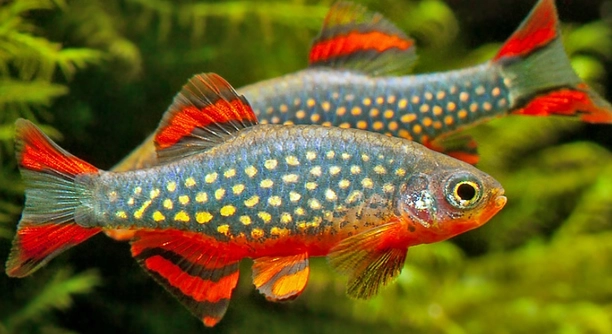
Celestial Pearl Danios are small, peaceful fish that brighten home aquariums with their vibrant colors. Their delicate nature makes breeding a special experience for hobbyists, and many enjoy observing their spawning behaviors in a calm, controlled environment.
Celestial Pearl Danios are known to eat their eggs under certain conditions. This behavior typically occurs when eggs are left unattended or in an environment lacking sufficient hiding spots. Providing plants or egg traps reduces the likelihood of egg predation.
Knowing how to protect the eggs ensures higher survival rates and a more rewarding breeding experience for these delicate fish. Proper care helps maintain a thriving and balanced aquarium.
Why Celestial Pearl Danios Eat Their Eggs
Celestial Pearl Danios may eat their eggs for a variety of natural reasons. Stress is a major factor, especially in crowded or poorly maintained tanks. Inexperienced or young fish are more likely to consume eggs, as instinctive behaviors can sometimes misfire. Lack of hiding places for eggs increases vulnerability, making them easy targets. Environmental factors, such as fluctuating water temperature or poor water quality, can also trigger this behavior. Nutrition plays a role too; fish that are underfed or lacking essential nutrients may turn to eggs as a supplementary source of protein. Observing the fish during spawning can provide insight into their behavior and highlight potential triggers. By identifying the reasons behind egg predation, aquarists can implement strategies to minimize losses. Simple adjustments, such as adding floating plants, moss, or breeding nets, can create safer conditions. Over time, careful observation and tank management help reduce egg consumption and support healthy fry development.
Preventing egg predation starts with providing plenty of cover in the tank. Plants and spawning mops are effective solutions.
Creating a secure environment for eggs involves strategic placement of hiding spots. Floating plants, Java moss, and dedicated breeding traps protect eggs from being eaten. Separating adults from eggs after spawning further increases survival rates. Regular monitoring ensures that any aggressive or overactive fish do not disturb the eggs. Maintaining consistent water parameters also reduces stress, making the adults less likely to consume eggs. Nutrition is important; feeding high-quality food before and after spawning can reduce the temptation for adults to eat their own eggs. Patience and attention to these details lead to higher fry survival, offering a rewarding experience for those breeding Celestial Pearl Danios.
Best Practices for Breeding and Egg Care
Successful breeding requires careful tank preparation and attention to the fish’s needs.
Using separate breeding tanks prevents egg loss to adults and provides optimal conditions. Keep water clean and stable in temperature and pH. Provide soft surfaces like plants or spawning mops for eggs to attach. Monitor adults and remove them after spawning if necessary. Feeding adults high-quality food before breeding supports healthy eggs and reduces predation. Daily observation allows quick responses to any issues, improving fry survival rates. Consistency in care is key, as sudden changes can stress the fish and lead to egg consumption. Over time, establishing these routines creates a predictable and safe breeding environment. Regularly replacing or cleaning spawning materials ensures hygiene and supports healthy development of eggs. Understanding natural behaviors while controlling environmental factors strikes a balance between observation and intervention. By following these practices, breeders can increase the number of eggs that successfully hatch and grow into strong, healthy fry.
Feeding and Nutrition Impact
Providing balanced nutrition is essential to reduce egg predation in Celestial Pearl Danios. Adults that receive adequate protein and vitamins are less likely to consume their own eggs. Regularly offering small portions of high-quality food supports overall health and minimizes stress-related behaviors.
High-quality flakes, micro-pellets, and live or frozen foods such as daphnia, brine shrimp, and bloodworms provide essential nutrients. Feeding several small meals throughout the day helps maintain energy levels and prevents adults from seeking extra protein from eggs. Inadequate nutrition can lead to aggression and egg consumption, especially during the breeding period. Ensuring a varied diet promotes healthy spawning behavior and reduces losses. Monitoring feeding habits allows adjustments as needed, helping maintain optimal health and encouraging natural breeding cycles. Balanced nutrition directly supports both adult vitality and the survival of eggs and fry in the tank.
Consistent feeding routines also help regulate behavior. Overfeeding or irregular schedules can stress adults, making them more likely to eat eggs. Observing how the fish respond to different foods ensures dietary needs are met without excess.
Tank Setup and Environment
Providing adequate space and hiding spots reduces stress and egg predation. Plants, moss, and spawning mops give eggs places to attach safely.
Maintaining stable water conditions is equally important. Temperature, pH, and hardness should match ideal breeding parameters. Crowded or small tanks increase stress, leading to higher chances of adults consuming eggs. Placement of decorations and plants should create natural barriers, giving eggs protection. Clear water, gentle filtration, and low current help prevent eggs from being displaced or damaged. Using a dedicated breeding tank is often the most effective strategy. This separation ensures eggs are safe while adults remain healthy. Observing adult behavior in a well-prepared environment allows for timely interventions if aggression or predation occurs. These measures collectively support higher survival rates and healthier fry development.
Spawning Behavior
Celestial Pearl Danios scatter their eggs among plants and fine surfaces. Males chase females briefly, encouraging them to release eggs. This natural behavior can sometimes lead to eggs being eaten if there are not enough hiding spots.
Spawning often occurs early in the morning. Providing dense vegetation or spawning mops helps protect eggs. Observing their behavior can guide adjustments to the tank setup.
Egg Protection Techniques
Using breeding nets or separating adults immediately after spawning ensures higher survival rates. Floating plants and moss give eggs a safe place to develop. These simple interventions can dramatically reduce egg losses and improve fry health.
Observing Fry Development
Fry begin swimming freely within a week. Monitoring growth and maintaining clean water is crucial for healthy development. Regularly feeding finely crushed food supports survival and proper growth.
Water Quality Importance
Stable water conditions reduce stress in adults and prevent egg consumption. Temperature, pH, and cleanliness directly impact breeding success and fry survival.
FAQ
Do Celestial Pearl Danios always eat their eggs?
No, they do not always eat their eggs. Egg consumption usually occurs under stress, crowded conditions, or when eggs lack hiding spots. Proper tank management and adequate nutrition significantly reduce the likelihood of adults consuming their own eggs.
How can I prevent my Celestial Pearl Danios from eating their eggs?
Providing dense plants, Java moss, or spawning mops gives eggs places to attach and hide. Separating adults after spawning or using breeding traps also improves survival rates. Maintaining stable water parameters and consistent feeding schedules further reduces predation behavior.
How long does it take for eggs to hatch?
Celestial Pearl Danio eggs typically hatch within 2–3 days under optimal water conditions. Temperature and water quality directly affect development speed, so monitoring these factors is crucial for ensuring successful hatching.
When should I remove adults from the breeding tank?
Adults should be removed immediately after spawning if you want to protect eggs. Males and females may eat eggs if left in the tank. Using a temporary divider or transferring adults helps ensure higher fry survival rates.
What is the best diet for adult Celestial Pearl Danios during breeding?
A varied diet rich in protein supports spawning and reduces egg predation. High-quality flakes, micro-pellets, and live or frozen foods like daphnia and brine shrimp provide essential nutrients and energy needed for healthy spawning.
Can egg predation indicate stress in the tank?
Yes, frequent egg consumption can signal stress from overcrowding, poor water quality, or sudden environmental changes. Adjusting tank conditions, providing hiding spots, and maintaining a stable environment often help mitigate stress-related behaviors.
Do hiding spots really increase fry survival?
Absolutely. Eggs that attach to moss, floating plants, or spawning mops are less accessible to adults. Providing adequate cover is one of the simplest and most effective ways to improve egg survival and reduce losses in the tank.
How often should I monitor eggs and fry?
Daily observation is recommended, especially during the first week after spawning. Checking for signs of fungus, damaged eggs, or poor water conditions allows quick action, ensuring a healthier environment for developing fry.
Are there any signs that eggs have been eaten?
Yes, missing or damaged eggs often indicate adult predation. Uneaten eggs may turn opaque or develop fungus. Promptly identifying these signs allows for preventive measures in future breeding attempts.
Is it necessary to use a separate breeding tank?
While not strictly necessary, a separate breeding tank significantly increases egg survival. It allows better control over water parameters, reduces stress on adults, and prevents accidental predation, making breeding outcomes more reliable and consistent.
Can nutrition alone prevent egg consumption?
Nutrition helps but is not the sole solution. Well-fed adults are less likely to eat eggs, yet environmental factors like hiding spots, water quality, and tank space remain equally important for protecting eggs and supporting fry development.
How long should I leave fry in the breeding tank before moving them?
Fry can remain in the breeding tank until they are strong enough to compete for food and swim freely, usually around 3–4 weeks. Adequate space, clean water, and proper feeding ensure healthy growth during this period.
Do Celestial Pearl Danios ever eat their fry after hatching?
Yes, newly hatched fry are sometimes eaten if adults remain in the tank. Using dividers or removing adults after spawning prevents accidental predation and allows fry to grow safely.
What water parameters are ideal for breeding Celestial Pearl Danios?
Stable water temperature around 24–26°C (75–79°F), slightly soft to moderately hard water, and a pH between 6.5–7.5 create optimal conditions for spawning. Regular testing ensures conditions remain suitable for both adults and eggs.
How do I know when fry are ready for regular tank life?
Fry are ready when they can swim actively, feed independently on finely crushed foods, and show growth comparable to their peers. At this stage, they can be gradually introduced to the main tank or a larger grow-out tank.
Can stress from other fish affect egg survival?
Yes, aggressive or overly active tank mates can disturb eggs, increasing the risk of predation or damage. Keeping breeding tanks separate or using barriers minimizes external stress and improves survival rates.
What role does light play in breeding success?
Moderate, consistent lighting helps regulate natural behaviors. Too much light can stress adults, while too little may reduce spawning activity. A balanced day-night cycle encourages normal breeding patterns and healthy egg development.
Are there alternative methods to protect eggs without removing adults?
Yes, floating plants, dense moss, and spawning mops provide hiding spots while keeping adults in the tank. Specialized breeding traps or egg-collecting nets allow eggs to be safe without separating the adults completely.
How long should I maintain breeding tanks for fry care?
Breeding tanks should be maintained for at least 3–4 weeks until fry are strong enough to handle regular tank conditions. Frequent water changes, proper feeding, and monitoring ensure survival and growth during this critical stage.
Does overcrowding affect egg consumption?
Yes, overcrowded tanks increase stress, competition, and aggression among adults. Providing sufficient space and avoiding overstocking reduces stress-induced egg predation and encourages healthier breeding behavior.
Can temperature fluctuations lead to egg loss?
Yes, unstable temperatures stress adults and can slow egg development, making eggs more vulnerable to being eaten. Keeping the tank temperature steady promotes successful hatching and healthy fry growth.
Is it necessary to remove uneaten eggs?
Yes, removing uneaten or fungus-infected eggs prevents contamination of healthy eggs and maintains clean water. Prompt removal protects the remaining eggs and supports higher survival rates.
Do all adults display egg-eating behavior?
No, not all adults will eat their eggs. Individual temperament, age, and environmental conditions influence behavior. Providing optimal conditions reduces the likelihood, but observation is still important to intervene when needed.
How can I tell if adult behavior is affecting fry survival?
Watch for chasing, nibbling, or adults disturbing eggs or fry. Any aggressive interactions suggest that intervention is needed, such as separating adults or adding protective cover to improve survival rates.
What is the best way to introduce fry to the main tank?
Gradually acclimate fry to the main tank by slowly adjusting water conditions and ensuring they are strong swimmers. Feeding small amounts of finely crushed food and avoiding larger, aggressive fish ensures safer integration and continued healthy growth.
Final Thoughts
Celestial Pearl Danios are delicate, peaceful fish that bring color and life to home aquariums. Understanding their natural behaviors, especially around spawning and egg care, is key to successful breeding. Egg consumption is a common issue, but it is largely influenced by environmental conditions, nutrition, and tank setup. Adults do not always eat their eggs, but certain triggers such as stress, overcrowding, or lack of hiding spaces can increase the chances. Observing these behaviors carefully allows aquarists to take proactive measures to protect eggs and support healthy fry development. While some trial and error is often part of the process, careful attention to tank conditions and adult behavior can significantly reduce losses.
Creating a suitable environment for breeding involves several factors. Providing plants, moss, or spawning mops gives eggs secure places to attach and hide, reducing the risk of predation. Some aquarists choose to use separate breeding tanks or temporary dividers to further protect eggs from adults. Consistent feeding routines and a balanced diet for adults are equally important, as well-fed fish are less likely to consume their eggs. Maintaining stable water conditions, including temperature, pH, and hardness, supports both adult health and fry development. Regular observation ensures that any signs of stress, aggression, or egg loss are addressed quickly. Over time, these practices create a safer environment that encourages successful spawning and higher survival rates for fry.
Patience and attention to detail are crucial when working with Celestial Pearl Danios. While natural behaviors like egg predation can seem discouraging at first, they can be managed through thoughtful tank management and proper care. Protecting eggs and supporting fry requires a combination of environmental preparation, nutrition, and monitoring. By learning and understanding the needs of these fish, aquarists can enjoy the full process of breeding while minimizing losses. The focus should be on creating stable, safe, and nourishing conditions that encourage natural behavior without undue stress. In the end, observing the growth and development of healthy fry provides a rewarding experience and a deeper appreciation for the subtle and fascinating habits of Celestial Pearl Danios.

Hello,
If you enjoy the content that we create, please consider saying a "Thank You!" by leaving a tip.
Every little bit helps us continue crafting quality advice that supports the health, happiness, and well-being of pets around the world, for pets of all shapes, sizes, and species.
We really appreciate the kindness and support that you show us!