
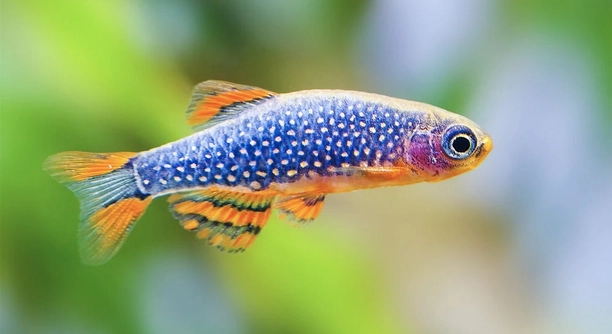
Fry development is a delicate process that depends on many environmental factors. Even small changes in water temperature, quality, or surrounding conditions can influence their growth. Observing and managing these shifts is key to healthy fry populations.
Several environmental changes can directly affect fry development, including water temperature fluctuations, oxygen levels, pH balance, light exposure, water flow, nutrition availability, and the presence of pollutants. Each factor can alter growth rates, survival chances, and overall health.
Understanding these shifts is essential for maintaining healthy fry. Recognizing and adjusting these factors can significantly improve their growth and survival outcomes.
Water Temperature
Water temperature is one of the most critical factors for fry development. Fry are highly sensitive to changes in temperature, which can affect their metabolism, feeding behavior, and growth rates. If water is too cold, fry may become lethargic and fail to feed properly. Conversely, water that is too warm can accelerate metabolism, leading to stress and increased susceptibility to disease. Gradual changes are less harmful than sudden shifts, as fry need time to adjust. Maintaining a stable temperature within the species-specific range ensures consistent growth and reduces mortality. Monitoring daily and using reliable heaters or chillers can prevent unexpected fluctuations. Temperature also influences oxygen availability; warmer water holds less oxygen, which can further affect fry health. Consistent temperature management supports proper organ development, swim bladder inflation, and overall vitality. Proper attention to this single factor can drastically improve survival rates and growth consistency for young fish.
Temperature stability is key to supporting fry health and avoiding stress-related issues that impact growth and survival.
Even minor deviations in water temperature can lead to long-term developmental issues in fry. Small, frequent checks using accurate thermometers help detect fluctuations early. Adjustments should be gradual to minimize stress. Additionally, pairing temperature monitoring with proper aeration ensures oxygen levels remain adequate. This combined approach improves feeding efficiency, promotes normal growth patterns, and reduces disease risk. For species with narrow temperature tolerances, seasonal changes or equipment failures can be particularly harmful. Taking proactive steps to maintain consistent conditions allows fry to grow uniformly and strengthens their immune systems. Over time, a stable thermal environment fosters healthier, more resilient fish ready to thrive in their habitat.
Water Quality
Maintaining clean, balanced water is essential for fry survival. Poor water quality can stunt growth, cause deformities, or even result in high mortality. Parameters like ammonia, nitrite, nitrate, and pH must be carefully monitored. Filtration systems, partial water changes, and avoiding overfeeding all help keep water healthy. Consistency is important, as sudden chemical changes can shock fry. Regular testing and gentle adjustments reduce stress and support proper organ and tissue development. Water clarity and absence of pollutants allow fry to feed efficiently and grow without interference. Even minor contaminants can accumulate quickly, so vigilance is necessary. Fry in optimal water conditions are more active, feed readily, and develop stronger immune systems. By prioritizing water quality, caregivers ensure a safer, more nurturing environment that promotes long-term health and growth.
Good water quality prevents stress, supports feeding, and promotes steady growth for fry.
Maintaining water quality requires daily attention. Testing for ammonia, nitrite, nitrate, and pH levels is essential. Regular partial water changes help prevent toxic buildup, while proper filtration keeps the environment stable. Avoiding overfeeding reduces waste and nutrient spikes. Consistent water parameters reduce stress and support fry health, ensuring uniform growth. Over time, a clean environment minimizes disease outbreaks and strengthens immunity. Attention to water quality benefits not only individual fry but also overall population stability. Properly balanced water creates favorable conditions for organ development, swimming ability, and feeding behavior. Careful management supports long-term survival, resulting in a healthier, more robust fry population ready to thrive.
Oxygen Levels
Low oxygen levels can quickly stress fry and slow growth. Proper aeration and water movement are essential to keep oxygen sufficient for healthy development.
Oxygen supports metabolic processes, feeding activity, and overall health in fry. Insufficient oxygen reduces energy, causing weaker swimming and slower growth. Strong aeration or gentle water flow helps maintain consistent oxygen distribution, preventing localized low-oxygen zones. Temperature and water quality also influence oxygen levels, as warmer or polluted water holds less oxygen. Fry rely on dissolved oxygen for respiration, and small changes can create noticeable impacts on survival. Regular checks and adjustments ensure that young fish remain active, feed well, and develop normally, avoiding complications associated with low oxygen environments.
Ensuring oxygen levels remain stable is vital for survival and growth. Proper aeration, flow, and monitoring reduce stress and improve overall fry vitality. Regular observation helps identify early signs of oxygen deficiency, allowing timely adjustments.
Light Exposure
Light exposure influences fry behavior, feeding, and development. Fry need consistent day-night cycles for proper growth and physiological regulation.
Excessive light can stress fry, causing erratic swimming and disrupted feeding patterns. Too little light may reduce activity and delay growth, as fry often rely on visual cues to locate food. Natural or controlled artificial lighting should mimic natural conditions as closely as possible. Gradual transitions between light and dark periods prevent sudden stress, supporting normal circadian rhythms. Consistent light exposure helps regulate hormone production, metabolism, and activity levels. Light also affects algae growth and water temperature, indirectly influencing fry health. Monitoring intensity, duration, and timing ensures fry remain active and feed efficiently, supporting healthy development.
Balanced light cycles improve feeding efficiency, growth rates, and behavior. Proper control of lighting prevents stress, supports metabolism, and encourages uniform development in fry populations.
Water Flow
Moderate water flow helps fry build strength and improves oxygen distribution. Too strong a current can tire them quickly, while stagnant water reduces oxygen and increases waste buildup.
Gentle, consistent flow encourages swimming activity, supports healthy muscle development, and prevents debris accumulation. Adjusting flow to match fry size and species is essential for their safety and growth.
Nutrition Availability
Providing appropriate food is critical for fry growth. Small, frequent feedings ensure they receive enough nutrients without polluting the water. Fry need easily digestible foods suited to their developmental stage. Balanced nutrition supports organ development, immune function, and energy for active swimming. Observing feeding behavior helps adjust portions and avoid overfeeding.
Pollutants
Even minor pollutants can harm fry. Chemicals from cleaning, runoff, or decaying matter can disrupt development and increase mortality risk. Maintaining a clean, controlled environment reduces these risks and supports healthy, active fry.
What is the ideal water temperature for fry?
The ideal water temperature varies by species, but generally it should remain stable within the recommended range for the specific fish. Sudden changes can stress fry and slow growth. Using a reliable thermometer and gradually adjusting the temperature helps avoid shock. Maintaining stable conditions supports feeding behavior, metabolism, and overall health, ensuring fry develop evenly and remain active. Monitoring temperature daily is essential, especially during seasonal changes or when using heaters and chillers. Even small fluctuations can have noticeable effects, so consistent care is necessary for successful fry development.
How often should I check water quality for fry?
Water quality should be monitored daily. Key parameters include ammonia, nitrite, nitrate, and pH levels. Partial water changes and proper filtration help maintain stability. Overfeeding can quickly degrade water quality, so portion control is important. Clean, balanced water reduces stress, prevents disease, and ensures fry grow uniformly. Regular checks allow early detection of harmful conditions and help avoid long-term developmental problems. Using test kits or electronic monitors can simplify monitoring and keep conditions consistent. Healthy water promotes active feeding, proper organ development, and improved survival rates.
How much oxygen do fry need?
Fry require consistently high oxygen levels to support metabolism, swimming activity, and growth. Aeration and gentle water flow help maintain sufficient oxygen throughout the tank. Warm water holds less oxygen, so monitoring both temperature and aeration is essential. Signs of low oxygen include lethargy, gasping at the surface, or reduced feeding. Adjusting flow and adding air stones or sponge filters can improve oxygen distribution. Ensuring proper oxygen levels reduces stress, prevents stunted growth, and improves survival. Fry in well-oxygenated water are more active and feed efficiently, supporting overall health.
What lighting conditions are best for fry?
Fry benefit from consistent light-dark cycles that mimic natural conditions. Too much light can stress them and disrupt feeding, while too little reduces activity and slows growth. Gradual transitions between light and dark periods prevent shock. Light intensity and duration should match species-specific needs. Controlled lighting helps regulate circadian rhythms, hormone production, and metabolism. It also indirectly affects water temperature and algae growth, which can influence fry health. Observing fry behavior helps determine if adjustments are needed. Balanced light supports proper activity, feeding, and uniform growth.
How important is water flow for fry development?
Water flow encourages swimming activity, strengthens muscles, and ensures even oxygen distribution. Gentle, consistent currents prevent stagnant areas and reduce debris accumulation. Strong currents can exhaust fry, while stagnant water lowers oxygen and allows waste to build up. Flow should be adjusted to match fry size and species. Observing their ability to swim and feed helps determine the appropriate level. Proper water movement supports healthy growth, strengthens swimming muscles, and improves survival rates. Maintaining consistent flow throughout the tank creates a safe, active environment for fry development.
What should fry eat and how often?
Fry need small, frequent feedings of easily digestible foods. Overfeeding can foul water, while underfeeding slows growth. Newly hatched fry often require specialized foods, such as infusoria, micro worms, or finely crushed flakes. As fry grow, transitioning to larger foods is necessary. Balanced nutrition supports organ development, immunity, and energy for swimming. Observing feeding behavior allows portion adjustments. Providing consistent, high-quality food ensures healthy development, uniform growth, and active behavior. Combining proper nutrition with stable water conditions maximizes survival rates and produces stronger, healthier fry.
How do pollutants affect fry?
Even minor pollutants can be harmful. Chemicals from cleaners, runoff, or decaying matter can impair growth, cause deformities, and increase mortality. Maintaining a clean tank, using filtered water, and avoiding chemical contamination reduces risks. Pollutants disrupt feeding, metabolism, and immune function, making fry more vulnerable to disease. Regular water changes, monitoring for toxins, and keeping the environment controlled are essential for healthy fry development. Removing decaying material and preventing chemical exposure allows fry to grow in a stable, safe environment. Vigilance against pollutants is crucial for long-term survival and proper development.
How can I tell if fry are stressed?
Signs of stress include lethargy, erratic swimming, reduced feeding, and hiding. Stress can result from poor water quality, temperature fluctuations, low oxygen, or strong currents. Observing behavior and monitoring environmental conditions helps identify stress early. Addressing the cause quickly prevents stunted growth, disease, or death. Fry that remain active, feed consistently, and swim normally are generally healthy. Maintaining stable, clean water, proper nutrition, gentle flow, and balanced lighting reduces stress and promotes consistent growth. Regular observation allows timely interventions for healthier, stronger fry.
Can changes in water conditions permanently affect fry?
Yes, significant or prolonged changes in temperature, oxygen, pH, or pollutants can cause lasting developmental issues. Stunted growth, deformities, or weakened immune systems may occur. Gradual adjustments, careful monitoring, and proactive maintenance prevent permanent harm. Stability in water conditions is essential for proper organ development, feeding efficiency, and survival. Fry raised in consistent, well-maintained conditions develop more uniformly and have better long-term health outcomes. Awareness of potential impacts helps maintain a controlled environment that supports strong, resilient fry populations.
How do I maintain a healthy environment for fry?
Maintaining a healthy environment requires daily attention to water quality, temperature, oxygen, light, and flow. Regular testing, partial water changes, and proper feeding are essential. Avoiding pollutants and adjusting conditions gradually prevents stress. Consistency ensures fry develop normally and remain active. Observing behavior helps detect issues early. Using reliable equipment like heaters, filters, and aerators maintains stability. Controlling all environmental factors together supports balanced growth, strong immunity, and survival. A well-maintained tank allows fry to thrive, reducing risks of disease and promoting uniform development. Proper care builds a strong foundation for their long-term health.
Fry development is highly sensitive to environmental conditions, and small changes can have a significant impact on their growth and survival. Temperature, water quality, oxygen levels, light exposure, water flow, nutrition, and pollutants all play important roles in determining how well fry develop. Each factor interacts with the others, so careful attention to the overall environment is essential. Consistent monitoring and gradual adjustments help create conditions that allow fry to grow steadily and remain healthy. Fry in a stable, well-maintained environment are more likely to feed actively, develop normally, and reach their full potential without unnecessary stress or complications. Understanding the importance of each factor allows caregivers to take proactive steps and avoid common mistakes that could compromise fry health.
Maintaining optimal conditions for fry requires a combination of daily observation, regular testing, and careful management. Temperature fluctuations, chemical imbalances, or low oxygen can quickly lead to stress, slow growth, or increased mortality. By using reliable tools such as thermometers, water test kits, and aeration devices, it becomes easier to monitor and control these factors. Feeding practices should be tailored to the fry’s developmental stage to ensure proper nutrition without polluting the water. Even small improvements in water clarity, filtration, or lighting can make a noticeable difference in fry activity and growth. Paying attention to their behavior is equally important; active, responsive fry generally indicate a healthy environment, while lethargic or irregular activity may signal a need for adjustment.
Creating a healthy environment for fry is a continuous process that requires patience and attention to detail. Regular water changes, careful feeding, and proper aeration support growth and prevent stress. Avoiding pollutants and maintaining consistent conditions helps fry develop strong organs, muscles, and immune systems. Observing their development allows early intervention if problems arise, ensuring that fry have the best possible chance to thrive. Over time, these practices build a more resilient population, reducing the risk of disease and improving survival rates. By focusing on stability, nutrition, and careful management, fry can grow steadily and develop into strong, healthy fish ready to thrive in their aquatic environment.

Hello,
If you enjoy the content that we create, please consider saying a "Thank You!" by leaving a tip.
Every little bit helps us continue crafting quality advice that supports the health, happiness, and well-being of pets around the world, for pets of all shapes, sizes, and species.
We really appreciate the kindness and support that you show us!