
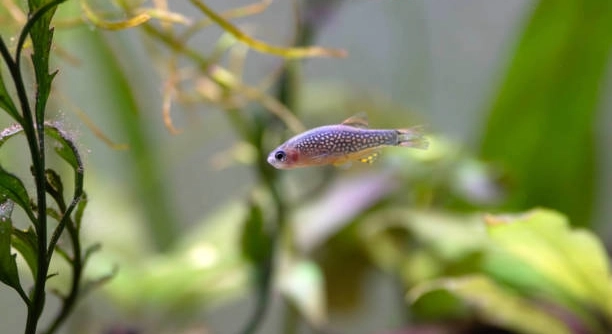
Do you enjoy keeping freshwater fish but find yourself fascinated by the vivid colors of Celestial Pearl Danios? These tiny fish are popular for their sparkling appearance and peaceful nature in home aquariums. Their breeding colors can be especially striking.
Celestial Pearl Danio breeding colors are influenced by genetics, diet, water quality, and stress levels. Males exhibit brighter colors during courtship, while females maintain softer tones. Optimal conditions promote intense pigmentation and healthy reproductive behavior in the species.
Observing their transformation during breeding is rewarding, revealing details about their health, environment, and interactions. These subtle shifts are important for any aquarist seeking a thriving, colorful tank.
Understanding Male Coloration
Male Celestial Pearl Danios display their most vibrant colors during breeding periods. Their bodies develop deep blues, bright oranges, and shimmering pearl-like spots. These colors are not constant and often fade when the fish are stressed or in non-optimal water conditions. Lighting also enhances the appearance of their scales, making the colors appear more vivid. Providing high-quality food with color-enhancing nutrients can further intensify the brightness. Observing males during courtship can help determine if they are ready to breed. Healthy males show active behavior, flaring fins, and increased swimming around females. Maintaining stable water parameters, including pH, temperature, and ammonia levels, supports consistent coloration. Male dominance can also affect color intensity, as dominant individuals often display more pronounced patterns. By carefully monitoring tank conditions, diet, and interactions, it is possible to ensure that males retain their natural brilliance, improving the overall visual appeal of the aquarium. This attention to detail encourages successful breeding outcomes and healthier fish.
Breeding males often show brighter colors than non-breeding males, signaling readiness and vitality to females.
When males display full breeding coloration, it is easier to pair them with suitable females. The contrast between vivid males and softer-toned females helps identify healthy, compatible mates. Tank conditions, diet, and social dynamics all play a role in ensuring males retain these colors. Observing the nuances in their appearance provides insight into their reproductive health. Bright coloration indicates strong genetics and a higher chance of successful spawning. Conversely, dull colors can point to stress or illness, signaling the need for environmental adjustments. Providing hiding spaces, balanced lighting, and a consistent feeding schedule encourages natural color expression and reduces competition-related stress. Additionally, documenting color patterns over time allows for better selection of breeding pairs, enhancing the long-term vitality of the aquarium population. Understanding these subtleties ensures a thriving, visually appealing tank.
Female Color Patterns
Females generally have softer, more subdued colors than males, often showing gentle blues and pale orange spots.
Although less flashy, female coloration is crucial for identifying health and breeding readiness. Healthy females display consistent patterns and clear eyes, reflecting optimal tank conditions and diet.
Female Celestial Pearl Danios exhibit delicate color changes in response to environmental factors and reproductive cycles. Their muted tones provide a visual balance against the brighter males, creating a harmonious display within the tank. Subtle changes in their color can indicate hormonal shifts, preparing them for egg-laying. Providing a nutritious diet rich in vitamins and carotenoids enhances their natural pigmentation without overstressing them. Females are sensitive to water quality fluctuations, so maintaining stable temperature, pH, and low ammonia levels is essential for consistent coloration. Observing female patterns also helps in selecting suitable mates, as health and reproductive readiness are reflected in their appearance. Over time, careful attention to female coloration can guide successful breeding strategies, improving offspring quality and maintaining a healthy, visually appealing aquarium population.
Environmental Influence on Color
Water temperature, pH, and clarity directly impact Celestial Pearl Danio coloration. Clear, stable water encourages bright and consistent patterns, while sudden changes can dull their appearance and reduce breeding readiness.
Maintaining optimal water conditions ensures that both males and females display their true colors. Temperature fluctuations or high ammonia levels stress the fish, causing colors to fade. Providing plants, hiding spots, and gentle filtration reduces stress and promotes natural behavior. Even lighting schedules affect pigment expression, as too little light can make colors appear muted, while too much can cause fatigue. Feeding high-quality foods rich in carotenoids and proteins further supports vibrant coloration. A stable environment also reduces aggression, which allows males to exhibit breeding colors without competition interference. Monitoring water parameters daily and making gradual adjustments can prevent sudden stress. Observing how colors shift in response to environmental changes gives insight into fish health. By prioritizing consistent conditions, it is possible to maintain intense, healthy coloration across all individuals.
Subtle environmental factors, like plant placement and water flow, also influence how colors appear.
Adjusting tank layout and light intensity can enhance natural brilliance. Dense plants provide shade that reduces stress, while open swimming areas allow males to display fully. Water movement stimulates activity, which often increases color intensity. Proper nutrient distribution and controlled feeding schedules support consistent pigmentation, while avoiding overcrowding prevents dulling caused by stress. These small adjustments can make a noticeable difference in breeding colors, helping both males and females achieve their optimal appearance.
Diet and Color Enhancement
A nutrient-rich diet is essential for vivid coloration in Celestial Pearl Danios. Foods high in carotenoids, vitamins, and proteins support natural pigment expression.
Feeding live or frozen foods like daphnia and brine shrimp enhances orange and red tones. Supplementing with high-quality flakes or pellets ensures balanced nutrition.
Color intensity is closely linked to diet quality. Fish lacking essential nutrients may appear pale, with less pronounced spots and weaker overall patterns. Carotenoids directly affect red and orange pigments, while overall protein intake supports scale health and growth. Rotating food types prevents nutritional gaps and maintains interest in feeding. Overfeeding, however, can lead to water quality issues, indirectly dulling colors through stress. Offering occasional treats like bloodworms can intensify colors temporarily, but consistent daily nutrition is key for sustained vibrancy. Monitoring the effects of different foods over time allows fine-tuning of the diet to achieve optimal coloration. By combining live foods, enriched flakes, and controlled feeding, it is possible to support both health and visual appeal in a breeding tank.
Stress and Color Fading
Stress causes Celestial Pearl Danios to lose brightness quickly. Overcrowding, sudden water changes, or aggressive tank mates can trigger dull coloration and reduce breeding readiness.
Minimizing stress involves stable water parameters, adequate hiding spots, and a calm environment. Observing behavior helps identify stressed individuals before colors fade completely.
Lighting Effects
Lighting intensity and duration impact pigment expression in these fish. Proper lighting highlights their pearl-like spots and enhances orange and blue tones. Inconsistent or harsh light can cause colors to appear washed out, while soft, natural-like lighting encourages consistent brightness and supports overall health and activity.
Genetics and Inheritance
Genetics determine the baseline coloration of Celestial Pearl Danios. Selective breeding for specific traits can enhance intensity and pattern clarity over generations. Crossbreeding different strains may produce offspring with new or more vibrant colors, but consistent line maintenance ensures predictable outcomes and avoids weakening pigment expression in the population.
Observation Tips
Regular observation helps track color changes and overall health. Noticing even subtle shifts allows timely intervention for water, diet, or stress adjustments, maintaining the fish’s vivid appearance and promoting successful breeding outcomes.
FAQ
What are the ideal water conditions for Celestial Pearl Danio breeding colors?
Water clarity, temperature, and pH have a direct effect on coloration. Temperatures around 24–26°C (75–79°F) and a pH of 6.5–7.5 support healthy pigmentation. Stable, clean water without sudden fluctuations prevents stress-induced fading, allowing both males and females to show their best colors.
How does diet influence their color intensity?
Diet plays a key role in color expression. Foods rich in carotenoids, proteins, and vitamins enhance red, orange, and blue pigments. Live or frozen foods such as daphnia, brine shrimp, or bloodworms can intensify breeding colors, while high-quality flake or pellet food ensures daily nutritional balance. Rotating food types prevents deficiencies.
Do males and females show different color patterns during breeding?
Yes. Males develop more intense colors with bright blue and orange tones, particularly along the body and fins. Females maintain softer shades with subtle blues and pale orange spots. These differences help identify breeding readiness and indicate overall health in both sexes.
How does stress affect their coloration?
Stress dulls colors rapidly. Overcrowding, aggressive tank mates, or sudden water changes can lead to faded spots and muted body tones. Providing hiding spaces, consistent lighting, and stable water conditions reduces stress and helps maintain natural brilliance, especially during breeding periods.
Can lighting change the way their colors appear?
Yes, lighting significantly impacts visual appearance. Soft, natural-like lighting enhances pearl-like spots and overall brightness, while harsh or inconsistent lighting can wash out colors. A balanced day-night cycle supports healthy pigment expression and encourages natural activity, making colors more vivid.
Is selective breeding necessary for stronger colors?
Selective breeding improves color intensity over generations. Choosing males and females with the most vibrant and healthy pigmentation helps retain strong patterns in offspring. Crossbreeding different strains can produce new color variations, but consistent line management ensures predictable results without weakening pigmentation.
How often should their colors be monitored?
Regular observation is important. Daily or weekly checks allow you to notice subtle changes in color that might indicate stress, illness, or water quality issues. Early intervention helps maintain vivid coloration and ensures that fish remain healthy and ready for breeding.
Do tank mates affect color development?
Aggressive or overly active tank mates can stress Celestial Pearl Danios, causing colors to fade. Peaceful species are recommended for community tanks. Providing adequate space, plants, and hiding spots reduces competition and supports natural color expression for both males and females.
Are there any supplements that enhance coloration?
Yes, carotenoid-rich supplements or color-enhancing foods can boost red and orange pigments temporarily. However, consistent high-quality nutrition is more important for long-term color health. Overuse of supplements should be avoided, as it can affect water quality and overall fish health.
How can I tell if breeding readiness affects color changes?
Males show brighter colors and more pronounced fins during courtship, signaling readiness to breed. Females may display slightly deeper body tones and fullness when preparing to lay eggs. Observing these natural shifts helps in pairing compatible fish and ensuring successful breeding.
Do seasonal changes impact coloration?
Indirectly, yes. Seasonal changes that affect room temperature, lighting, or water stability can influence fish stress levels and pigment expression. Maintaining consistent tank conditions year-round minimizes these effects, allowing colors to remain stable regardless of external seasonal changes.
Can poor water quality permanently affect colors?
Prolonged exposure to poor water conditions may weaken pigmentation and overall health. Chronic ammonia, nitrite spikes, or fluctuating pH can lead to dull or patchy colors. Consistent water testing, partial water changes, and proper filtration are essential to maintain long-term vibrant coloration.
Is there a difference in color expression between juvenile and adult fish?
Yes. Juveniles often show muted colors, with patterns becoming more pronounced as they mature. Males develop brighter blue and orange tones during their first breeding season, while females gradually exhibit subtle spot patterns. Age, diet, and environment collectively influence full adult coloration.
How does breeding frequency influence their colors?
Frequent breeding can temporarily intensify male colors due to hormonal activity, but excessive stress or insufficient recovery time may dull colors. Providing periods of rest, optimal nutrition, and stable tank conditions ensures that repeated breeding cycles do not compromise pigmentation.
What role do tank decorations play in color display?
Decorations, plants, and substrates affect how colors appear. Darker backgrounds and live plants enhance contrast, making bright spots and fins more visible. Adequate open swimming space allows males to display full breeding colors, while hiding spots reduce stress that could dull pigmentation.
Can I improve colors without changing genetics?
Yes. Diet, water quality, lighting, and stress management can significantly improve visible coloration. Even fish with average genetics can display stronger colors when environmental and nutritional needs are fully met, highlighting the importance of proper tank care.
Are there signs that colors indicate health issues?
Dull or patchy colors often indicate stress, disease, or nutritional deficiencies. Lethargy, clamped fins, or faded spots are warning signs. Timely adjustment of water quality, diet, and tank conditions helps restore both color and overall health.
Is it normal for colors to fluctuate daily?
Minor daily fluctuations are normal and often linked to activity, lighting, or feeding. Bright colors usually appear during active periods, while resting fish may appear slightly muted. Consistent observation ensures that changes are natural and not stress-induced.
Do breeding pairs need different care to maintain colors?
Yes. Males require stress-free space to display full colors, while females need high-quality nutrition and stable conditions to maintain their subtle patterns. Pairing compatible fish and providing optimal environmental support ensures both sexes retain healthy, vibrant coloration during breeding periods.
How long does it take for colors to return after stress?
Recovery time varies depending on the cause and severity of stress. Minor stress may allow colors to return within a few days, while prolonged poor conditions may take weeks. Consistent water quality, nutrition, and calm surroundings accelerate color restoration.
What is the simplest way to support natural pigmentation daily?
Maintain stable water parameters, provide a balanced diet with live or enriched foods, and reduce stress through adequate tank space and decorations. Consistency in care promotes long-term vivid coloration without relying on artificial enhancements.
Can lighting alone replace proper diet for bright colors?
No. While lighting highlights colors, diet is essential for pigment production. Without proper nutrition, fish may appear dull regardless of lighting conditions. Combining both ensures natural brilliance and overall health.
Do all individuals show the same level of color intensity?
No. Genetics, age, sex, and individual health create natural variation. Even in optimal conditions, some males or females may display more vibrant colors than others. Observation helps identify the strongest individuals for breeding purposes.
How can I tell if diet supplements are working?
Enhanced coloration over several weeks, improved spot brightness, and overall body health indicate effectiveness. Pale or unchanged colors suggest adjustments to diet or supplement quality may be needed. Monitoring results ensures balanced nutrition supports consistent pigmentation.
Are there long-term effects of poor nutrition on colors?
Yes. Extended nutrient deficiencies can lead to permanently dull colors, weak fins, and reduced breeding success. Consistently providing high-quality food prevents long-term damage and supports healthy, vibrant fish throughout their lifespan.
Do tank size and population density affect color display?
Overcrowding and small tanks increase stress, leading to dull colors. Adequate space allows natural behavior, reduces aggression, and supports the full expression of breeding colors, especially in males competing for female attention.
Can seasonal light changes in the room affect breeding colors?
Indirectly, yes. Reduced or excessive ambient light may influence activity and stress, affecting pigment intensity. Maintaining consistent artificial lighting schedules in the tank mitigates these effects and stabilizes coloration.
How often should I check for stress-related color changes?
Frequent observation is important. Daily checks allow early detection of fading, fin clamping, or lethargy. Prompt intervention with water adjustments, diet improvements, or hiding spaces helps restore healthy colors before problems escalate.
Is there a difference in color retention between young and mature males?
Mature males often maintain more intense colors due to fully developed fins and spots, while younger males may fluctuate with growth and environmental changes. Patience and consistent care allow juveniles to reach their full potential over time.
Can females influence male color expression?
Yes. Presence of receptive females encourages males to display brighter breeding colors. Social interaction triggers hormonal changes that enhance pigmentation, showing the importance of balanced male-female ratios in breeding tanks.
Are there safe ways to intensify colors quickly?
Temporary boosts can be achieved with live foods, carotenoid supplements, and gentle lighting adjustments. Long-term color health requires consistent nutrition, stable water, and minimal stress. Quick fixes without proper care may lead to fading or stress later.
Does age affect pigment recovery after stress?
Older fish may take longer to regain full coloration after stress compared to juveniles. Consistent care, optimal diet, and calm tank conditions support recovery, but age-related slower regeneration should be considered when planning breeding or tank management.
Can breeding success be predicted by color intensity?
Bright, healthy colors often indicate good genetics, vitality, and reproductive readiness. While not a guarantee, males and females with strong pigmentation generally have higher chances of successful spawning, making color a useful visual indicator in breeding selection.
Do different strains show unique color patterns?
Yes. Various strains of Celestial Pearl Danios have distinct spot patterns, fin colors, and body hues. Selecting specific strains helps achieve desired visual outcomes in a tank, while careful breeding maintains these unique traits over generations.
How important is water hardness for color retention?
Moderate water hardness supports natural pigmentation. Extremely soft or hard water can stress the fish, causing color fading or irregular patterns. Maintaining a balanced level helps ensure vibrant coloration and overall health.
Are there visual cues that indicate color improvement or decline?
Increasing brightness, defined spots, and active swimming indicate improvement. Fading, dull spots, or clamped fins suggest decline. Monitoring these cues helps guide adjustments in care to maintain healthy, vibrant fish.
Does tank cleaning frequency influence color?
Yes. Regular partial water changes prevent waste buildup and maintain stable water parameters. Consistent cleanliness reduces stress, preventing dulling of colors and supporting overall health and reproductive readiness in both males and females.
Can colors change after spawning?
Males may temporarily lose intensity after breeding due to hormonal changes, while females may appear slightly paler post-spawning. Recovery depends on diet, water quality, and stress reduction, usually restoring full coloration within days to weeks.
Is there a correlation between activity levels and color brightness?
Active fish often display more vivid colors. Swimming, flaring fins, and courtship behaviors enhance pigment visibility, while lethargy or hiding can make colors appear muted. Ensuring an environment that encourages natural activity supports consistent color expression.
Do hiding spots improve color retention?
Yes. Hiding spots reduce stress from aggression or overexposure, allowing fish to maintain natural pigmentation. Plants, rocks, and decorations create secure spaces, balancing safety with areas for males to display full breeding colors.
How does tank temperature consistency affect color?
Stable temperatures prevent stress-induced fading. Sudden rises or drops in temperature can dull colors and reduce activity. Maintaining a consistent range suitable for breeding ensures both males and females display their true pigmentation.
Can water flow patterns in the tank influence color?
Moderate water flow encourages swimming and activity, which enhances color display. Too strong currents cause stress, dulling colors. Strategic placement of filters and decorations creates gentle, consistent flow, supporting both visual appeal and health.
Is color intensity always a sign of health?
Mostly, but not always. Bright colors usually indicate good health and low stress, while extreme intensity may sometimes result from temporary hormonal surges. Consistent observation and context, including behavior and appetite, provide a more accurate health assessment.
Can sudden diet changes affect coloration?
Yes. Abrupt removal of nutrient-rich foods may cause fading, especially in males during breeding. Gradual diet transitions ensure stable pigment retention while maintaining digestive health and overall vitality.
Do males compete for color dominance?
Yes. Males often flare fins and intensify colors to assert dominance. This behavior is normal but can cause stress if tank space is limited. Providing adequate swimming areas and hiding spots reduces conflict while allowing natural display behaviors.
Are there any visual differences between stressed and healthy juveniles?
Stressed juveniles appear pale, with less defined spots and muted fins. Healthy juveniles show subtle patterns that gradually intensify with growth, reflecting proper diet, water conditions, and minimal stress exposure.
Does the background color of the tank affect perception of colors?
Yes. Darker substrates and backgrounds enhance contrast, making spots and fin colors more noticeable. Light or reflective backgrounds may make colors appear less vivid, even if fish are healthy and well-nourished.
How can observation help improve breeding outcomes?
Tracking subtle color shifts allows identification of stress, health issues, or readiness to spawn. Adjustments in diet, tank conditions, and pairing decisions based on observation improve the chances of successful breeding.
Do males regain their full colors after spawning immediately?
Recovery is gradual. Depending on stress and nutrition, males regain brightness within a few days to weeks. Maintaining optimal care accelerates restoration of full breeding coloration.
Can poor lighting permanently affect coloration?
Extended exposure to improper lighting may reduce visible brightness and stress fish. While some color returns with improved conditions, consistent, suitable lighting is essential for long-term pigmentation health.
Are there signs that females are ready for breeding based on color?
Females may show slightly deeper body tones and fuller bellies. These subtle changes, combined with healthy, consistent patterns, indicate reproductive readiness and suitability for pairing with males.
Can selective pairing improve offspring coloration?
Yes. Choosing brightly colored, healthy males and females increases the likelihood that offspring inherit strong pigmentation, maintaining or enhancing visual appeal in subsequent generations.
Does seasonal water temperature change affect color expression?
Fluctuating temperatures may stress fish, causing dull colors. Maintaining controlled tank conditions minimizes seasonal effects, allowing fish to retain their full coloration year-round.
Is it normal for some individuals to always be less colorful?
Yes. Genetics, age, and natural variation create differences in intensity. Even under optimal conditions, some fish will consistently display softer colors without indicating poor health.
How do I balance breeding frequency with color maintenance?
Provide recovery periods between breeding cycles, stable water conditions, and high-quality nutrition. Balanced care ensures males retain bright colors and females maintain subtle tones without long-term fading or stress.
Can I enhance colors with temporary light adjustments?
Short-term lighting changes can highlight natural brilliance, but long-term intensity requires consistent diet, stress management, and water quality. Temporary adjustments should complement overall care, not replace it.
How does fin condition relate to color expression?
Healthy fins support vivid patterns, particularly in males. Torn, clamped, or damaged fins reduce visible color. Maintaining water quality, nutrition, and minimal aggression preserves fin health and pigmentation.
Do younger females have less distinct spots than adults?
Yes. Female spots gradually become more defined with age and proper nutrition. Observing these subtle changes helps assess growth, health, and breeding readiness over time.
How can I tell if color loss is reversible?
If fading is due to stress, diet, or water issues, restoring conditions typically returns full pigmentation. Permanent loss may result from genetics, illness, or chronic poor care. Tracking changes and response to adjustments indicates reversibility.
Can tank plants affect color perception?
Yes. Plants provide contrast and reduce stress. Live plants can enhance color visibility while creating natural hiding spaces, supporting both visual appeal and healthy, calm behavior in the aquarium.
Is continuous observation necessary for all fish?
Regular checks are important, but brief daily monitoring is usually sufficient. Noticing subtle behavior or color changes allows timely interventions to maintain health and vibrant pigmentation.
Do males need extra space for full color display?
Yes. Males display brighter colors when they have open swimming areas for courtship and dominance displays. Crowded tanks limit expression, potentially reducing breeding readiness and visual impact.
Are there external factors outside the tank that affect color?
Indirectly, yes. Room temperature, ambient light, and vibrations can stress fish and dull colors. Maintaining stable tank conditions mitigates external influences and preserves natural pigmentation.
Can color-enhancing foods replace stable water conditions?
No. Nutrition supports pigmentation, but unstable water causes stress that overrides dietary effects. Both diet and environment are essential for maintaining vibrant, healthy coloration.
How long does it take for diet improvements to show in color?
Changes are noticeable within weeks. Consistent feeding with nutrient-rich foods gradually enhances pigmentation. Temporary improvements from treats are possible, but sustained diet quality ensures long-term color retention.
Is color variation normal among siblings?
Yes. Genetics and minor environmental differences cause variation. Even in the same tank, some siblings will appear brighter or duller, reflecting natural diversity in pigmentation expression.
Do females need special lighting for color enhancement?
Not necessarily. Females benefit from stable, soft lighting to display subtle patterns, but extreme intensity is unnecessary. Proper diet and water quality have a greater impact on their coloration.
Can mild stress ever enhance color temporarily?
Brief activity-related stress, such as courtship, can temporarily intensify male colors. Chronic or severe stress, however, dulls pigmentation and should be avoided.
Does the substrate color affect male display during breeding?
Yes. Dark substrates enhance contrast, making bright spots and fins more visible. This visual enhancement supports natural display behaviors and highlights breeding readiness.
Can colors fade during illness recovery?
Yes. Sick fish often lose brightness. Restoring health through proper treatment, nutrition, and stable water conditions typically returns full pigmentation over time.
Are there differences in color retention between tank-bred and wild-caught fish?
Tank-bred fish often maintain consistent colors under controlled conditions, while wild-caught fish may show greater variation and sensitivity to water changes. Gradual acclimation helps wild-caught individuals express their full pigmentation.
Do males lose color if isolated from females?
Yes. Lack of female presence can reduce hormonal triggers, causing males to appear less vibrant. Periodic interaction with females encourages natural breeding colors.
Can color changes indicate sexual maturity?
Bright, fully developed male colors and subtle female spot intensification indicate sexual maturity. Observing these visual cues helps identify breeding-ready individuals and plan pairing.
Is there a difference in color intensity between dominant and subordinate males?
Dominant males usually display brighter, more pronounced colors, while subordinate males appear duller. Social hierarchy influences pigmentation expression during breeding interactions.
Do stress-reducing decorations help maintain color?
Yes. Plants, rocks, and caves create safe spaces, reducing stress and allowing males to display full colors without competition interference, benefiting overall tank aesthetics.
How important is consistency in feeding for color?
Consistent, high-quality feeding supports pigment health and prevents
Celestial Pearl Danios are small, peaceful fish that bring a lot of visual interest to an aquarium. Their sparkling colors, especially during breeding periods, are one of the main reasons they are popular among hobbyists. Both males and females display distinct patterns, with males showing brighter, more vivid tones and females maintaining softer, subtler spots. These differences make it easier to identify healthy individuals and determine readiness for breeding. Observing the variations in coloration provides insight into their overall health, environment, and social interactions. Careful attention to these details ensures the fish are thriving and can display their natural beauty fully. It also highlights how environment, diet, and stress all play a crucial role in maintaining their brilliance, showing that successful care is not only about feeding or tank size but about a combination of factors working together.
Maintaining stable water conditions is essential for vibrant coloration in Celestial Pearl Danios. Sudden changes in temperature, pH, or water clarity can lead to stress and cause colors to fade quickly. Providing a balanced environment with gentle filtration, moderate lighting, and hiding spots reduces stress and encourages natural behavior. Stress-free conditions also help males retain their bright breeding colors while females maintain healthy, consistent patterns. Nutrition is equally important, as a diet rich in proteins, vitamins, and carotenoids directly supports pigment expression. Live or frozen foods like daphnia and brine shrimp, combined with high-quality flakes or pellets, ensure that both males and females receive the nutrients needed to display their colors fully. Regular observation of their behavior and coloration provides early warning signs if adjustments are needed, helping to prevent issues before they affect the health or appearance of the fish. By combining careful water management, proper nutrition, and stress reduction, it is possible to maintain strong, healthy coloration and overall vitality in the tank.
Color expression in Celestial Pearl Danios is also influenced by genetics, social interactions, and age. Males tend to show more intense colors when dominant or during courtship, while females gradually develop subtle patterns as they mature. Tank setup, including background, substrate, and plant placement, can enhance the appearance of their colors while also providing security and comfort. Temporary stress or illness may dull colors, but with consistent care, most fish recover their natural brilliance over time. Observing these changes closely allows hobbyists to support both health and breeding success effectively. Paying attention to these factors ensures that the fish are not only visually striking but also living in conditions that promote long-term well-being. With consistent care, proper diet, and a stable environment, Celestial Pearl Danios can thrive, displaying their full range of colors and patterns, making them a rewarding addition to any freshwater aquarium.

Hello,
If you enjoy the content that we create, please consider saying a "Thank You!" by leaving a tip.
Every little bit helps us continue crafting quality advice that supports the health, happiness, and well-being of pets around the world, for pets of all shapes, sizes, and species.
We really appreciate the kindness and support that you show us!