
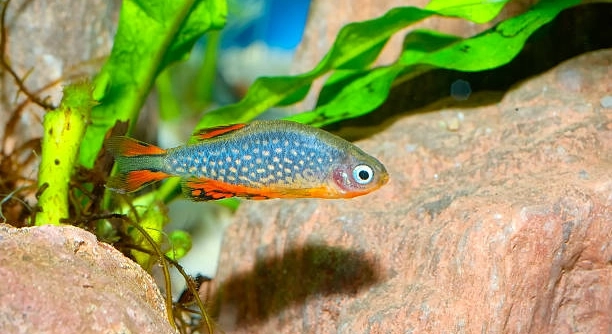
Danios are small, active fish that bring life to any aquarium. Their movements and behaviors are influenced by their surroundings, including the materials and textures found in their tank. Choosing the right elements can make a big difference.
Danios gravitate toward natural materials such as smooth pebbles, fine sand, live plants, driftwood, leaf litter, moss, and rocks. These elements provide shelter, foraging opportunities, and surfaces that support healthy behaviors, promoting both physical and psychological well-being.
Knowing which materials appeal to danios can enhance their environment and encourage natural activity, making your aquarium a more vibrant and healthy space.
Smooth Pebbles
Smooth pebbles are one of the most natural materials you can include in a danio tank. They create a soft, safe surface for your fish to explore without risk of injury. Pebbles vary in size, so choosing ones that are not too sharp or rough is essential. Small pebbles allow danios to forage and sift through them, mimicking behaviors they would perform in rivers and streams. Larger pebbles can be used to create hiding spots or gentle slopes, adding depth to the tank’s layout. Over time, pebbles also collect beneficial bacteria, contributing to a balanced aquarium ecosystem. Arranging them carefully can prevent water stagnation and improve overall water flow. Many danios seem to prefer pebbles over artificial substrates because of the natural texture and feel. The colors of pebbles also provide a subtle contrast against plants and driftwood, enhancing the visual appeal while giving danios areas to explore.
Pebbles provide both functional and aesthetic benefits, making them a staple in creating a comfortable danio habitat.
Choosing the right size and arrangement of pebbles ensures that the tank feels natural, safe, and engaging. Proper placement avoids dead zones where waste can accumulate, supports plant growth, and encourages danios to display natural foraging behavior. The combination of comfort, safety, and enrichment makes smooth pebbles a key element in a thriving aquarium.
Live Plants
Live plants are essential for a healthy danio tank. They provide shelter, oxygen, and surfaces for exploration.
Plants like Java fern, Anubias, and hornwort grow well in freshwater tanks and are resilient. They create hiding spaces for shy danios and resting spots for those that like to pause mid-swim. Live plants improve water quality by absorbing nitrates and helping maintain a stable pH, reducing stress on your fish. Plant roots also encourage natural digging behaviors, letting danios interact with their environment. Over time, plants can attract microorganisms, which danios nibble on for extra nutrition. Placement matters: taller plants at the back and shorter plants in the front help create depth and swimming lanes. This setup allows danios to feel secure while still having open areas for exercise and exploration. Maintaining plants with regular trimming and proper lighting ensures they continue to thrive, benefiting both the fish and the aquarium ecosystem.
Including live plants can transform a tank, offering both environmental enrichment and aesthetic appeal, making it more suitable for danios to display natural behaviors.
Driftwood
Driftwood offers hiding spots and resting areas for danios. Its natural texture encourages exploration, and it slowly releases tannins that can slightly soften water, which many danios prefer.
Placing driftwood in a tank helps create vertical and horizontal structures for danios to swim around. The surfaces also support biofilm growth, which fish may nibble on. Driftwood can be combined with plants or rocks to form cozy shelters and break up open swimming space, reducing stress. Over time, it darkens the water slightly, mimicking natural habitats. Choosing pieces without sharp edges prevents injuries, and soaking driftwood before adding it ensures it sinks and reduces cloudiness.
Driftwood also promotes territorial behaviors in a subtle way. Danios may dart in and out of its crevices or explore nooks as part of natural activity. Regular cleaning prevents algae buildup while keeping the wood functional. It blends well with other materials, providing contrast in color and texture, and helps maintain a balanced environment that encourages movement, exploration, and comfort.
Leaf Litter
Leaf litter creates soft areas and natural hiding spaces in the aquarium. Danios feel more secure among leaves.
Leaves such as Indian almond or oak slowly decompose, releasing beneficial tannins and mild acids that slightly lower pH. This mimics streams and rivers where danios originate. Leaf litter encourages foraging, as tiny organisms develop on decomposing leaves. Danios can nibble on the surfaces or sift through the leaves for food. Leaves also provide shaded areas, reducing stress for timid fish, and enhance the tank’s natural aesthetic. Regular replacement prevents water quality issues and keeps the environment healthy.
In addition, leaf litter interacts with substrate and other natural materials, forming microhabitats. It allows danios to display natural behaviors like exploring, hiding, and grazing. Leaves also soften water and act as a gentle filter by absorbing small impurities. By combining leaf litter with pebbles, plants, and driftwood, the tank becomes a dynamic environment. The layered setup encourages activity, reduces aggression, and gives each fish a sense of space. Regular monitoring ensures decomposing leaves do not overwhelm the aquarium, maintaining a balanced habitat for the danios to thrive naturally.
Moss
Moss provides soft surfaces for danios to explore and rest on. It also offers shelter for fry and shy fish, creating a more comfortable environment.
Moss helps maintain water quality by absorbing excess nutrients. Its dense texture encourages danios to swim carefully, adding variety to their activity patterns.
Rocks
Rocks offer stable hiding spots and surfaces for grazing. Danios enjoy swimming around them and using them to break up open spaces, which reduces stress.
Sand
Fine sand allows danios to sift and forage naturally. It is gentle on their bodies and promotes behaviors similar to those seen in their native habitats.
FAQ
What materials are safest for danios?
Smooth pebbles, fine sand, driftwood, live plants, and leaf litter are the safest. These materials have no sharp edges, allow for natural behaviors, and are gentle on their fins and bodies. Avoid rough or jagged substrates that could cause injury.
Can danios live without live plants?
Yes, they can survive without live plants, but their environment may feel less secure. Live plants provide shelter, reduce stress, and improve water quality. Including them promotes natural behaviors like hiding, resting, and grazing on biofilm or microorganisms growing on leaves.
How should I arrange driftwood and rocks?
Place driftwood and rocks to create hiding spots, resting areas, and swimming lanes. Avoid overcrowding the tank to maintain open areas for active swimming. Ensure all edges are smooth and secure to prevent injuries or shifting that could trap fish.
Is leaf litter necessary for danios?
Leaf litter is not essential, but it offers natural shelter and encourages foraging. Decomposing leaves release beneficial tannins, slightly lower pH, and support microorganisms that danios nibble on. Regularly replace leaves to prevent excess decay and maintain water quality.
What substrate works best for danios?
Fine sand or small, smooth pebbles work best. Sand allows danios to sift naturally, while pebbles provide texture and support for foraging. Both options reduce the risk of injury and contribute to a more natural and comfortable environment.
How often should I clean natural materials?
Rinse pebbles, rocks, and driftwood occasionally to remove debris. Trim plants and replace leaf litter as needed. Avoid harsh cleaning agents; use water only to preserve beneficial bacteria and maintain the tank’s natural balance.
Can moss grow in all aquarium conditions?
Moss is adaptable but grows best with moderate lighting and stable water conditions. It provides shelter and surfaces for grazing. Regular maintenance, such as removing debris and trimming overgrowth, keeps moss healthy and functional in the tank.
Do natural materials affect water parameters?
Yes. Driftwood and leaf litter release tannins, slightly softening water and lowering pH. Live plants absorb nutrients, improving water quality. Understanding these effects helps maintain stable conditions, reduces stress, and supports the overall health of your danios.
How many materials should I include in one tank?
Include a mix of substrates, plants, driftwood, and rocks to create a varied environment. Balance is key—enough materials to provide hiding spots and enrichment, but leave open swimming areas. Overcrowding can stress danios and hinder their natural behaviors.
Can danios display natural behaviors in a small tank?
Yes, but providing varied substrates, plants, and hiding spaces is crucial. Even a small tank can support natural behaviors like foraging, exploring, and resting if materials are arranged thoughtfully. Open swimming lanes combined with secure shelters encourage active, healthy fish.
How do I prevent algae on natural materials?
Algae growth is normal but can be managed. Adjust lighting duration, clean surfaces gently, and include plants that compete for nutrients. Occasional water changes help keep algae in check without disrupting the tank’s natural balance.
Are natural materials more beneficial than artificial decorations?
Natural materials provide texture, hiding spots, and surfaces for grazing, supporting both physical and psychological health. While artificial decorations can be visually appealing, they usually lack the enrichment and subtle water benefits that natural materials provide.
Can I combine different leaf types?
Yes, mixing leaves like Indian almond and oak creates variety in shelter and biofilm growth. Each leaf type decomposes at a different rate, maintaining a continuous source of cover and microhabitats for danios to explore and forage.
How do I ensure the materials remain safe over time?
Inspect regularly for sharp edges, excess algae, or decaying matter. Replace or trim materials as needed. Rinse rocks and driftwood gently, and remove decomposing leaves to keep the tank safe, clean, and supportive of natural behaviors.
Do natural materials require special care when first added?
Yes. Soak driftwood to prevent floating and remove tannins, rinse pebbles and rocks to eliminate debris, and monitor leaf litter for initial decay. Live plants may need acclimation to tank lighting and water conditions for best growth.
Can danios damage live plants?
Danios are generally small and less destructive than larger fish. They may nibble on plants occasionally but usually leave them intact. Choosing hardy species like Java fern, Anubias, or moss ensures plants remain healthy while providing shelter.
How do I balance open swimming areas with hiding spots?
Arrange materials to create lanes and clear zones while still providing cover. Place taller plants or driftwood toward the back and sides, leaving the center more open. This supports active swimming and reduces territorial conflicts.
Are there any materials I should avoid?
Avoid sharp-edged rocks, chemically treated wood, and decorations that may leach harmful substances. Plastic items that trap waste or disrupt swimming paths can also stress danios. Stick to natural, inert materials to ensure safety and comfort.
How often should I monitor water conditions with natural materials?
Check water parameters weekly, especially after adding driftwood, leaf litter, or new plants. Monitor pH, hardness, and clarity to ensure materials are not causing unwanted changes. Early adjustments prevent stress and maintain a healthy environment for your danios.
Can natural materials influence breeding behaviors?
Yes. Leaf litter, plants, and moss provide sheltered areas where danios feel secure. These spaces encourage spawning and protect fry. A well-structured tank with natural materials increases the likelihood of natural breeding behaviors occurring.
Do natural materials need to be sterilized?
Sterilization is usually unnecessary and can remove beneficial bacteria. Rinsing thoroughly and soaking driftwood or leaves before use is sufficient. Maintaining natural bacteria helps support water quality and the overall health of the aquarium.
How do I introduce new natural materials safely?
Rinse and soak new driftwood or rocks. Trim or rinse plants and leaf litter. Slowly add them to avoid sudden changes in water chemistry. Observe danios for stress and adjust placement to maintain a safe and enriching environment.
Can combining different materials improve danio activity?
Yes. A mix of substrates, plants, moss, driftwood, and leaf litter encourages exploration, foraging, and hiding behaviors. Varied textures and structures simulate a more natural environment, keeping danios active, healthy, and engaged.
Are there seasonal considerations for natural materials?
Leaf litter may vary in availability, and plant growth can be influenced by seasonal lighting changes. Adjust placement and maintenance routines to account for these variations, ensuring continuous shelter and enrichment for danios year-round.
How do I maintain aesthetics while using natural materials?
Arrange materials in layers, combining plants, driftwood, rocks, and leaf litter to create depth and contrast. Clean or replace materials as needed, keeping the tank visually appealing while maintaining functional benefits for the fish.
Do all danios prefer the same materials?
Individual preferences vary. Some may spend more time near plants, while others explore rocks or driftwood. Providing a mix allows each fish to find comfortable spaces, encouraging natural behavior and reducing stress across the group.
Can natural materials help reduce aggression?
Yes. Hiding spots, varied substrates, and visual barriers allow danios to establish personal space. This reduces chasing and territorial conflicts, especially in active groups, creating a calmer and healthier tank environment.
How long do materials like driftwood and leaf litter last?
Driftwood can last years if maintained, while leaf litter decomposes in weeks. Regular inspection and replacement prevent decay from affecting water quality and ensure materials continue to provide shelter and enrichment.
What is the easiest way to keep natural materials clean?
Rinse or soak rocks and driftwood, trim plants, and remove old leaf litter. Gentle maintenance preserves textures and biofilm, supporting natural behaviors and water quality without harming the beneficial ecosystem.
Can natural materials affect lighting needs?
Dense plants or moss may require moderate lighting for growth. Driftwood and leaf litter may slightly darken areas, creating shaded zones. Adjust lighting to balance plant health and visibility for the fish.
Do danios prefer certain substrates over others?
Many prefer fine sand or smooth pebbles for foraging and gentle contact. Providing variety ensures different behaviors are supported, and the tank feels more natural and comfortable for all fish.
Are natural materials compatible with all fish species?
Most freshwater species benefit from similar natural materials, but some may require specialized substrates or conditions. Research compatibility to ensure all tank inhabitants thrive together.
How often should I rearrange materials?
Frequent rearrangement can stress fish. Adjust placement occasionally to prevent algae buildup or accommodate plant growth, but keep core hiding spots and swimming areas consistent for comfort and stability.
Can natural materials reduce tank odors?
Yes, by supporting beneficial bacteria and plant growth, natural materials help break down waste. Leaf litter absorbs some compounds, while plants filter nutrients, contributing to a cleaner-smelling environment.
Are there risks to using too many materials?
Overcrowding can limit swimming space, reduce oxygen circulation, and trap debris. Balance materials with open areas to maintain a healthy, active tank for danios.
Can I propagate moss and plants within the tank?
Yes. Moss and some plants like Java fern can be trimmed and replanted. This promotes growth and replenishes cover, enhancing shelter and enrichment without introducing new items constantly.
Do natural materials require special storage before use?
Store driftwood, rocks, and leaves in a dry, clean place. Soak driftwood before use, and rinse all items to prevent contamination. Proper storage ensures they remain safe and functional for the tank.
How do I know if a material is causing stress?
Watch for unusual hiding, erratic swimming, or fin clamping. Check water parameters and examine materials for sharp edges, algae, or decay. Removing or adjusting problematic items restores comfort.
Can natural materials support fish health beyond shelter?
Yes. They provide surfaces for biofilm, improve water chemistry, and encourage natural behaviors. These factors reduce stress, support immune function, and promote overall well-being for danios in a home aquarium.
Do natural materials impact filtration needs?
Some materials, like leaf litter, may slightly increase debris. Adequate filtration ensures water remains clean. Combining filtration with natural substrates and plants helps maintain a balanced, low-stress environment.
How do I introduce natural materials to an established tank?
Rinse thoroughly, soak if needed, and add gradually. Observe fish behavior and water parameters to prevent sudden changes. Introduce materials strategically to enhance enrichment without disrupting existing tank dynamics.
Are there signs that materials need replacing?
Yes. Excessive decay, sharp edges forming, algae overgrowth, or discoloration indicate replacement is needed. Regular monitoring keeps the environment safe, functional, and supportive of natural behaviors.
Can natural materials improve feeding behaviors?
Yes. Surfaces like pebbles, moss, and leaves encourage grazing, foraging, and exploration, making feeding more natural. This variation supports digestion and keeps fish active and engaged.
How do I combine materials for a balanced setup?
Mix substrates, driftwood, rocks, plants, moss, and leaf litter strategically. Provide hiding spots, open lanes, and varied textures. Balance ensures safety, comfort, and stimulation, promoting healthy behaviors and reducing stress for all danios.
Are there materials that encourage breeding?
Yes. Moss, leaf litter, and dense plants provide secure spawning sites. These areas make danios feel safe, supporting natural reproductive behaviors and protecting eggs and fry.
Can natural materials be used in small tanks?
Yes. Use scaled-down versions of pebbles, plants, and driftwood to maintain hiding spaces and enrichment without overcrowding. Even small tanks benefit from the textures and shelters that natural materials provide.
How long should I wait to observe the full effects of natural materials?
Fish usually start interacting within days, but full behavioral changes, plant growth, and biofilm development may take weeks. Patience ensures the tank becomes a balanced, comfortable environment.
Do natural materials influence tank aesthetics?
Yes. They create depth, contrast, and natural textures. Properly arranged materials enhance visual appeal while providing functional benefits for fish behavior and tank health.
Can natural materials reduce stress for new danios?
Yes. Hiding spots, varied substrates, and shaded areas help newcomers acclimate. This reduces chasing and fear, allowing new fish to explore and adapt comfortably.
Are there budget-friendly natural materials?
Pebbles, sand, driftwood, and moss are widely available and affordable. Leaf litter can often be collected locally. Careful selection provides functional benefits without high costs.
Do danios need a mix of materials or is one type enough?
A mix is best. Combining substrates, plants, moss, driftwood, and leaf litter supports natural behaviors, reduces stress, and creates a more engaging and functional habitat for all fish.
How often should I check materials for decay or damage?
Weekly observation is ideal. Look for sharp edges, rotting leaves, or algae buildup. Prompt maintenance ensures the tank remains safe and healthy for the fish.
Can natural materials influence fish coloration?
Yes. Comfortable, low-stress environments with natural textures and hiding spots can enhance coloration, making danios appear more vibrant and active.
Do I need to quarantine materials before adding them?
Quarantine is optional for most rocks and driftwood if rinsed thoroughly. Plants may require soaking or inspection for pests. Proper preparation prevents introducing harmful organisms.
Can natural materials be reused in another tank?
Yes. Clean and inspect thoroughly before reuse. Soak driftwood or rinse substrates to remove buildup, ensuring safety and functionality in the new environment.
Are there risks of mold or fungus on natural materials?
Yes, especially on decaying leaves or overly damp moss. Remove affected materials promptly and replace with fresh items to prevent water quality issues and stress.
Do natural materials help regulate temperature?
Indirectly. Materials provide shaded zones and hiding spots, allowing danios to move to cooler or warmer areas within the tank, helping them manage minor temperature variations naturally.
Can I combine natural materials with artificial decorations?
Yes, but prioritize natural items for functional benefits. Artificial decorations can be used for aesthetics, but natural materials provide enrichment, shelter, and better support for natural behaviors.
How do I maintain a healthy balance of natural materials and tank cleanliness?
Rinse and trim regularly, replace decomposing leaves, monitor water parameters, and avoid overcrowding. This balance keeps the tank visually appealing, safe, and supportive of natural behaviors.
Do natural materials require special lighting conditions?
Moderate lighting supports plant and moss growth. Driftwood and leaf litter may darken some areas. Adjust lighting to maintain visibility while supporting natural behaviors and plant health.
Can natural materials help reduce aggression in community tanks?
Yes. Hiding spots, plants, and driftwood create visual barriers, giving fish space to retreat and reducing stress-related aggression.
How do I monitor fish interaction with materials?
Observe swimming patterns, hiding, and foraging. Healthy interaction includes exploration, grazing, and resting. Avoid materials that cause constant hiding or avoidance, indicating discomfort.
Are certain materials better for juvenile danios?
Soft substrates, moss, and fine leaves provide safer surfaces for juveniles. They allow natural foraging and exploration without risk of injury, supporting growth and development.
Can natural materials encourage schooling behavior?
Yes. Open lanes with scattered hiding spots encourage coordinated swimming. Danios feel safe in groups while still having areas to explore individually.
How often should I update or refresh the materials?
Replace decomposing leaves and trim plants as needed. Driftwood and rocks require occasional cleaning. Regular upkeep maintains a functional and safe environment.
Do natural materials help with stress from transport or tank changes?
Yes. Providing familiar textures and hiding spots helps danios acclimate, reducing stress from new environments or sudden changes.
Are there any seasonal maintenance tips for natural materials?
Monitor plant growth and leaf litter decomposition rates, adjust lighting, and replace worn materials. Seasonal changes in temperature or light may affect plant and moss health.
Can natural materials improve overall fish activity?
Yes. Varied textures, hiding spots, and foraging surfaces encourage movement, exploration, and natural behaviors, keeping danios active and engaged throughout the day.
Are all driftwood types safe for danios?
Most untreated hardwoods are safe. Avoid resin-coated or chemically treated wood. Softwoods like pine may release harmful resins. Always soak and inspect before adding.
Do natural materials require feeding adjustments?
No major changes are needed, but biofilm and microorganisms on leaves or moss provide supplemental grazing opportunities. Regular feeding can continue as usual.
Can moss and plants reduce waterborne pathogens?
Indirectly. Healthy plant growth supports beneficial bacteria, which compete with harmful organisms, improving overall water quality and reducing disease risk.
How long does it take for natural materials to settle in a tank?
Pebbles and rocks settle immediately. Driftwood may take days to sink. Leaf litter gradually decomposes. Plants and moss adapt over weeks, establishing a balanced and functional environment.
Do natural materials require special water chemistry?
No, but driftwood and leaves may lower pH slightly. Monitoring water conditions ensures stable parameters, keeping danios comfortable and healthy.
Can natural materials help shy danios feel more confident?
Yes. Hiding spots and shaded areas allow timid fish to explore safely, gradually increasing confidence and activity levels.
Are there risks of using imported materials?
Imported driftwood or rocks may carry pests or chemicals. Always rinse, soak, and inspect before use to ensure safety.
Can natural materials be part of a breeding tank setup?
Yes. Moss, leaf litter, and plants provide secure spawning sites and protect eggs, increasing the chances of successful breeding.
Do natural materials affect water flow in the tank?
They can alter currents, creating sheltered zones and gentle eddies. Proper arrangement ensures adequate circulation while providing resting and hiding areas.
Can natural materials reduce boredom for danios?
Yes. Varied textures, hiding spots, and foraging opportunities keep fish stimulated, encouraging exploration and natural behaviors.
How do I combine materials for maximum enrichment?
Use a mix of sand, pebbles, plants, moss, driftwood, and leaf litter. Arrange to create layers, hiding spots, and swimming lanes, supporting exploration, comfort, and activity.
Are natural materials suitable for beginner aquarists?
Yes. They are low-maintenance, widely available, and provide multiple benefits for fish health and behavior. With basic care, beginners can create a thriving tank environment.
Do natural materials need different care in planted tanks?
No major differences. Plants may require trimming, and substrates or driftwood need occasional rinsing. Maintaining balance ensures plant growth and fish comfort.
Can natural materials impact tank pH over time?
Yes. Driftwood and leaf litter release tannins, slightly lowering pH. Monitor regularly to prevent abrupt
Danios are active and curious fish that benefit greatly from a well-thought-out aquarium environment. Using natural materials such as smooth pebbles, fine sand, live plants, driftwood, moss, leaf litter, and rocks can create a more comfortable and engaging habitat. Each material provides specific benefits, from offering hiding spots and resting areas to supporting natural foraging and grazing behaviors. By mimicking elements of their natural surroundings, these materials help reduce stress and encourage healthier, more active behaviors. Over time, the presence of these natural materials contributes not only to the physical health of the fish but also to their mental well-being, creating a more balanced and lively tank ecosystem that supports natural routines and daily activity.
When setting up a tank for danios, it is important to consider both the arrangement and the selection of materials. Open swimming lanes combined with secure hiding spots give the fish freedom while still providing areas for shelter and rest. Driftwood and rocks add structure, while live plants and moss create shaded zones and surfaces for grazing. Leaf litter enhances enrichment by encouraging foraging and supporting microorganisms that fish may eat. Choosing the right mix of materials helps maintain water quality and creates a visually appealing tank. Regular maintenance, including rinsing driftwood and rocks, trimming plants, and replacing decomposing leaves, ensures that the tank remains safe, clean, and functional, supporting long-term health and natural behaviors.
The benefits of using natural materials extend beyond aesthetics. They contribute to water chemistry, promote healthy behaviors, and offer a variety of textures and surfaces that keep danios engaged. A carefully balanced combination of substrates, plants, moss, driftwood, leaf litter, and rocks creates a dynamic environment where fish can explore, hide, and rest naturally. While it may take time to observe the full effects, patience and thoughtful placement result in a healthier, more active, and comfortable aquarium. By prioritizing these natural materials, you are not only enhancing the tank visually but also providing an environment that meets the physical and psychological needs of danios, helping them thrive in a setting that closely resembles their natural habitat.

Hello,
If you enjoy the content that we create, please consider saying a "Thank You!" by leaving a tip.
Every little bit helps us continue crafting quality advice that supports the health, happiness, and well-being of pets around the world, for pets of all shapes, sizes, and species.
We really appreciate the kindness and support that you show us!