
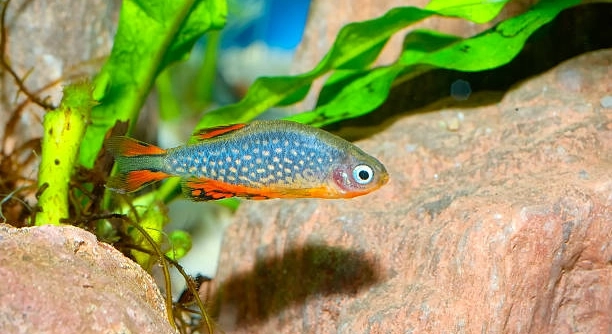
Transporting Celestial Pearl Danios can feel overwhelming for first-time fish keepers. These small, delicate fish require careful handling to avoid stress and injury, making preparation and attention to detail essential for a safe journey.
The most effective method to transport Celestial Pearl Danios safely is to use a well-oxygenated, temperature-stable container with minimal water. Maintain calm handling, avoid sudden movements, and ensure the fish are not overcrowded to reduce stress and prevent physical harm.
Following proper preparation and handling practices ensures your Danios arrive healthy, setting the stage for a smooth transition into their new aquarium environment.
Preparing the Container
Before transporting Celestial Pearl Danios, it is important to select an appropriate container. A clean, leak-proof plastic bag or small aquarium container works best. Fill it only halfway with water from their current tank to minimize sloshing. Adding a small amount of liquid stress coat can help reduce stress during transport. Ensure the container has enough oxygen by either adding an air stone if possible or leaving space for air at the top. Temperature stability is crucial; avoid exposing the container to direct sunlight or cold drafts. Labeling the container with the fish type and number can help avoid confusion if transporting multiple species. Handle the container gently to prevent sudden movements. Avoid shaking or jostling it during transport. Double-bagging can prevent leaks, and sealing the bag with a secure knot is recommended. Keep noise and vibrations minimal to reduce stress on the fish.
Keeping the water level low and maintaining oxygen ensures your Danios stay calm during transport.
Checking the container for leaks and ensuring it is stable will make the handling process much smoother, reducing the risk of stress or injury.
Temperature and Water Management
Maintaining stable water conditions is critical for Celestial Pearl Danios. Sudden temperature changes can cause stress or shock. Use an insulated cooler or box to keep the water temperature steady. Avoid exposing the container to extreme heat or cold, especially if transporting over long distances. If traveling for extended periods, a small portable heater or heat pack can help maintain warmth. Water quality matters as well; make sure ammonia levels are minimal and the water is free from debris or contaminants. Adding a few drops of water conditioner can neutralize chlorine and chloramine in tap water, but avoid over-treating. During transport, check the water occasionally to ensure it remains clear and oxygenated. Avoid feeding the fish immediately before transport, as uneaten food can pollute the water. Planning ahead and monitoring these factors closely ensures your Danios arrive healthy and stress-free. Proper preparation and attention to water conditions directly impact their well-being.
Proper temperature and clean water support the Danios’ health, preventing shock and promoting a smooth acclimation once they reach their new tank.
Handling During Transport
Hold the container carefully to prevent tipping or shaking. Minimize movement and avoid sudden stops or turns while carrying the fish.
Gently lifting and placing the container reduces stress. Avoid tapping on the sides, as Celestial Pearl Danios are sensitive to vibrations. Keep the container level and steady throughout transport. If using a car, place it on a flat surface away from air vents. Small movements or bumps can startle the fish, causing injury or panic. Handling with a calm and deliberate approach ensures the fish remain safe and comfortable.
During stops, check that the container is secure and stable. Avoid opening the lid unnecessarily. Keep the container shaded from direct sunlight and away from extreme temperature fluctuations. Even small disturbances can increase stress levels. Limit handling as much as possible and ensure the container is always supported to prevent tipping. This careful approach keeps your Danios healthy and calm, reducing the risk of shock or injury.
Acclimating to the New Tank
Float the sealed container in the new tank for 20-30 minutes to equalize temperature. Gradually add small amounts of tank water into the bag.
Slow acclimation prevents stress caused by sudden temperature or water chemistry changes. Open the bag after floating, and continue adding tank water every 5 minutes for about 30-45 minutes. This process allows the fish to adjust to differences in pH, hardness, and temperature. Avoid pouring the bag water directly into the tank, as it may carry contaminants. After acclimation, gently net the fish and place them in the tank. Watch for signs of stress, like rapid gill movement or erratic swimming, and give them a quiet space to settle. Maintaining calm during this process helps ensure a smooth transition and supports long-term health.
Minimizing Stress During Transport
Keep the environment quiet and avoid sudden loud noises. Limit handling and vibrations to help the Danios remain calm.
Covering the container lightly can reduce visual stress. Keeping the fish in a dim, stable environment prevents panic and protects their delicate health.
Monitoring Oxygen Levels
Ensure the water in the transport container remains well-oxygenated. A few small air bubbles or space at the top allows sufficient oxygen for the trip. Regularly checking the water helps prevent oxygen depletion and keeps the fish safe.
Feeding Before Transport
Avoid feeding Celestial Pearl Danios immediately before transport. Uneaten food can pollute the water, increasing ammonia levels and stressing the fish.
Positioning in Vehicle
Place the container on a flat, stable surface in the vehicle. Avoid areas prone to sudden temperature changes or direct sunlight exposure during transport.
FAQ
How long can Celestial Pearl Danios be safely transported?
Celestial Pearl Danios are small and hardy but can only tolerate limited transport time. Ideally, transport should last no more than 4 to 6 hours. Longer periods increase stress and the risk of oxygen depletion. Using a well-oxygenated, temperature-stable container can help them endure short trips comfortably.
Can I feed them before transport?
Feeding right before transport is not recommended. Uneaten food quickly pollutes the water, producing ammonia that can harm the fish. It is best to stop feeding at least 12 hours before transport. This helps maintain water quality and reduces stress.
What type of container is best?
A clean, leak-proof plastic bag or small, secure aquarium container works best. Bags should be filled halfway with water to minimize sloshing and allow space for air. Double-bagging adds safety against leaks. Insulated boxes can help maintain temperature stability during transport.
How should I handle the container during transport?
Keep the container level and stable at all times. Avoid shaking, tapping, or sudden movements. Place it on a flat surface away from air vents or direct sunlight. Covering the container lightly can reduce visual stress and keep the fish calmer.
Do I need to acclimate them to the new tank?
Yes, acclimation is crucial. Float the sealed container in the new tank for 20-30 minutes to equalize temperature. Gradually add small amounts of tank water every few minutes for about 30-45 minutes. Once acclimated, gently release the fish into the tank, avoiding pouring in the bag water.
How can I reduce stress during transport?
Stress can be minimized by keeping the container quiet and dimly lit, avoiding loud noises, and limiting handling. Adding a small amount of liquid stress coat can help calm the fish. Using low water levels and proper oxygenation also contributes to a calmer environment.
What should I do if the fish show signs of stress?
Signs include rapid gill movement, erratic swimming, or hiding at the bottom. If these occur, ensure the water is oxygenated, the temperature is stable, and the container is calm. Minimize disturbances and continue the acclimation process slowly once in the new tank.
Is temperature control important?
Absolutely. Sudden temperature changes can shock the fish. Use insulated containers or boxes to maintain a stable temperature. Avoid placing the container near air vents, heaters, or cold drafts. For long trips, portable heat packs can help maintain warmth, but monitor carefully to prevent overheating.
Can multiple fish be transported together?
Yes, but avoid overcrowding. Too many fish in a single container increases stress and the chance of injury. Keep the density low and ensure adequate oxygenation. Overcrowding can also lead to faster water quality deterioration, which may harm the fish during transport.
How do I handle long trips?
For trips longer than a few hours, check the container occasionally to ensure oxygen levels and water temperature are stable. Avoid feeding, keep the environment calm, and consider periodic breaks in a safe, shaded area. For very long trips, consult a professional on temporary oxygenation solutions.
Can I use tap water for the transport container?
Yes, but it should be treated to remove chlorine or chloramine. Adding a small water conditioner helps neutralize harmful chemicals. Ensure the water is clean, debris-free, and similar in temperature to the fish’s original tank to reduce stress during transport.
Are stress coats really necessary?
Stress coats are optional but helpful. They can reduce slime coat damage and calm the fish slightly during handling. Only a few drops are needed, and they should not replace proper handling, oxygenation, or temperature control.
How soon after transport can I feed them?
Wait until the fish have fully acclimated to their new tank, usually a few hours after release. Observe their behavior; once they start swimming normally and exploring, small, light feedings can begin. Overfeeding right after transport can stress them further and degrade water quality.
Is there anything to avoid during transport?
Avoid sudden movements, loud noises, overcrowding, extreme temperatures, and feeding just before transport. Don’t pour transport water directly into the tank. Avoid direct sunlight and shaking the container. Careful handling and attention to environmental stability are key to a safe transfer.
What is the best way to check if they are healthy after transport?
Observe swimming patterns, gill movement, and coloration. Healthy fish should explore the tank gradually and interact with their environment. Watch for stress signs like hiding, clamped fins, or lethargy. Ensuring water quality remains stable supports recovery and long-term health.
This FAQ covers the main aspects of transporting Celestial Pearl Danios safely, helping ensure their health and well-being during transfer and acclimation. Proper planning, calm handling, and monitoring are essential for a smooth process.
Final Thoughts
Transporting Celestial Pearl Danios safely is all about careful planning and attention to detail. These fish are small and delicate, which makes them more sensitive to stress, temperature changes, and water quality issues. Ensuring a stable environment during transport is essential for their health. Choosing the right container, using water from their home tank, and leaving enough space for oxygen are simple steps that make a big difference. Even small actions, like minimizing vibrations and handling the container gently, can help prevent injury or panic. It is important to remember that these fish react quickly to their surroundings, so maintaining calm conditions throughout the transport process is crucial.
Acclimating the Danios to their new tank is another key factor in ensuring they remain healthy. Sudden changes in temperature, pH, or hardness can shock the fish, so a gradual introduction to the new water is necessary. Floating the sealed container in the tank and slowly adding small amounts of tank water over time allows the fish to adjust. Avoid pouring transport water directly into the tank, and monitor the fish for signs of stress as they settle in. A calm and gradual approach during acclimation gives the Danios the best chance to adapt without unnecessary stress, supporting their long-term well-being.
Proper handling, careful monitoring, and maintaining clean water conditions are ongoing responsibilities after the fish arrive in their new home. Observing their behavior in the first hours and days can indicate whether they are adjusting well. Healthy Danios will swim actively, explore the tank, and interact with their environment. Providing a quiet, stable environment with proper lighting, hiding spots, and suitable companions helps them feel secure. Transport may seem like a simple task, but attention to these details ensures that Celestial Pearl Danios remain healthy, stress-free, and ready to thrive in their new environment. Small, consistent efforts in handling, acclimation, and observation create a safe experience for these beautiful fish.

Hello,
If you enjoy the content that we create, please consider saying a "Thank You!" by leaving a tip.
Every little bit helps us continue crafting quality advice that supports the health, happiness, and well-being of pets around the world, for pets of all shapes, sizes, and species.
We really appreciate the kindness and support that you show us!