
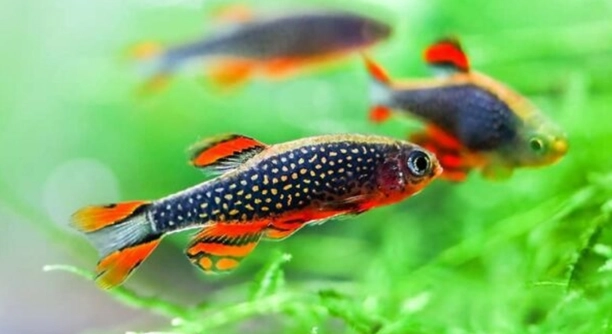
Have you ever noticed your Celestial Pearl Danio swimming in an unusual way around the tank? Many owners observe small changes in movement that seem strange, especially when their fish usually swim gracefully and in sync.
Abnormal swimming behavior in Celestial Pearl Danios is often linked to environmental stress, water quality issues, or internal health problems. Poor water conditions, improper diet, or infections can all cause erratic swimming patterns and reduced mobility.
Learning more about these common causes will help you maintain your fish’s well-being and ensure they remain active and healthy in your aquarium.
Water Quality and Its Impact on Swimming
Water quality has a huge effect on how your Celestial Pearl Danio behaves. These fish are sensitive to changes in pH, ammonia, nitrites, and nitrates. Even small fluctuations can stress them, causing unusual swimming patterns. Temperature also plays an important role, as sudden changes can shock their system. Filtration and regular water changes are essential to maintain stable conditions. Overcrowding in the tank may increase waste buildup, making the water unhealthy. Poor water quality can lead to fin damage, lethargy, and abnormal movements. Monitoring parameters with test kits is a simple step that prevents problems before they escalate. Additionally, ensuring the tank is fully cycled before introducing fish helps reduce stress. Sediments or leftover food can decompose, raising ammonia levels, so cleaning the substrate is important. Observing your fish daily allows early detection of swimming issues, which are often related to their immediate environment.
Proper water maintenance ensures your fish remain active and swim naturally without frequent interruptions.
Consistent care creates a balanced habitat. Stable water conditions prevent stress, support strong immunity, and reduce the chance of infection. Even small changes can affect your fish’s health, so keeping parameters in check is a daily routine that pays off with healthy, lively fish.
Diet and Nutrition Effects
A poor diet can cause your Danios to swim oddly. They need a balanced mix of flakes, pellets, and occasional live or frozen foods.
Feeding too much or too little can lead to digestive problems, swim bladder issues, or energy fluctuations. Uneaten food should be removed to prevent water pollution. Nutritional deficiencies directly affect their movement, making them float awkwardly or struggle near the bottom. Some commercial foods may lack essential vitamins or protein, which impacts muscle development and overall strength. Supplementing their diet with small amounts of daphnia or brine shrimp encourages natural behavior and activity. Observing how they eat helps you adjust portions and maintain a healthy balance. Feeding at regular times and avoiding sudden changes reduces stress and maintains consistent energy levels. Nutrient-rich diets support internal organs, including the swim bladder, which is key for proper swimming. Small, frequent feedings are better than large, infrequent ones. Overfeeding can be as harmful as underfeeding, both leading to swimming abnormalities.
A consistent, nutrient-rich diet improves their swimming, health, and daily activity, keeping them lively and energetic in your tank.
Stress and Environmental Factors
Stress can make Celestial Pearl Danios swim erratically. Sudden loud noises, aggressive tankmates, or frequent handling may trigger nervous movements.
Stress affects their immune system, making them more vulnerable to disease. Crowded tanks or lack of hiding spots can increase anxiety, causing your fish to dart or float oddly. Providing plants, caves, and gentle lighting reduces stress. Frequent changes to the tank setup can confuse them, so keeping a stable environment helps them feel secure. Even small disturbances like tapping on the glass may lead to brief swimming issues, so observing their reactions carefully is important. Over time, minimizing stress improves overall health, appetite, and natural swimming behavior.
Consistent care and a calm environment reduce erratic swimming, allowing your Danios to maintain steady, natural movements in the tank.
Stress affects growth and social behavior. Fish under constant pressure may avoid feeding, become lethargic, or exhibit repetitive swimming patterns.
Stress triggers hormonal changes that can influence reproductive health and organ function. When Danios are exposed to frequent disturbances, they may compete aggressively for food or territory, weakening weaker individuals. Stress-induced behaviors include erratic darting, rubbing against surfaces, and hiding for long periods. Providing sufficient space and compatible companions helps minimize tension. Hiding spots allow them to retreat and recover, which is vital in multi-species tanks. Maintaining a stable routine for feeding, lighting, and water changes keeps stress levels low. Observing their interactions daily helps identify potential stressors. Reducing environmental stress directly improves their swimming consistency, health, and overall lifespan.
Illness and Physical Conditions
Physical conditions like swim bladder disorder can make Danios swim oddly. Infections, parasites, or injury often cause imbalance and unusual floating patterns.
Illnesses often begin subtly. Fish may tilt, float sideways, or struggle to maintain depth. Poor water quality or improper diet can worsen these issues. Parasites may cause sudden changes in swimming and appetite, while bacterial infections can lead to fin rot or bloating. Timely intervention with proper treatment is essential to prevent long-term damage. Observing your fish closely and isolating sick individuals reduces risk to the rest of the tank. Maintaining a clean, stable environment and balanced nutrition supports recovery and prevents future health problems. Early detection increases the chance of restoring normal swimming behavior.
Monitoring physical signs such as bloating, clamped fins, or lethargy helps detect illness early. Regular observation combined with preventive care keeps your Danios healthy and swimming correctly.
Tank Size and Space
Small tanks can limit your Celestial Pearl Danios’ movement, causing them to swim awkwardly. Crowded conditions increase stress and competition, leading to erratic patterns.
Providing enough space for swimming and exploration helps maintain natural behavior. Overcrowding not only affects movement but also water quality, creating further health risks.
Tank Mates Influence
Aggressive or larger tankmates can intimidate your Danios, making them dart, hide, or swim strangely. Peaceful companions reduce stress and encourage normal activity.
Observing interactions is crucial. If your Danios are constantly chased or bullied, they may develop abnormal swimming habits. Introducing compatible species and providing hiding spots ensures calmer behavior.
Temperature and Water Flow
Temperature fluctuations affect energy levels and coordination. Too cold slows movements, too warm increases stress. Stable conditions support healthy swimming.
Maintaining proper water flow is also important. Strong currents can tire fish or push them into unusual patterns, while stagnant water may reduce activity and energy.
Observation and Routine Checks
Regular observation helps spot changes early. Checking water parameters, diet, and behavior keeps your Danios healthy and swimming normally.
FAQ
Why is my Celestial Pearl Danio floating sideways?
Floating sideways usually indicates a swim bladder issue. This can result from overfeeding, constipation, or sudden changes in diet. Providing smaller meals, feeding high-quality food, and occasionally giving a fasting day helps prevent this problem. Water quality and temperature should also be stable to avoid stress that can worsen the condition.
Can poor water quality make my Danio swim weirdly?
Yes, poor water quality is a major factor. High ammonia, nitrite, or nitrate levels can stress fish, making them swim erratically. Regular testing, partial water changes, and proper filtration are essential. Even small fluctuations can affect sensitive species like Celestial Pearl Danios, so maintaining stability is key.
Do tankmates affect swimming behavior?
Aggressive or overly large tankmates can intimidate Danios. Constant chasing or bullying makes them dart, hide, or swim abnormally. Choosing peaceful companions and providing plants or caves for hiding reduces stress and encourages normal swimming. Observing social interactions helps identify and correct issues early.
Could stress be causing unusual swimming?
Stress significantly affects movement. Loud noises, tapping on the glass, or frequent tank rearrangements can cause erratic swimming. Providing a calm environment, consistent routine, and adequate hiding spots helps reduce stress. Overcrowding or incompatible tankmates also increase anxiety, which can lead to long-term behavior changes.
Is diet a factor in swimming problems?
Yes, improper diet often leads to swimming issues. Overfeeding, underfeeding, or lack of nutrients can cause constipation or swim bladder problems. A balanced diet of flakes, pellets, and occasional live or frozen foods supports digestive health and muscle development. Small, frequent feedings are better than large, infrequent meals.
How does temperature impact swimming?
Temperature fluctuations can slow or stress fish. Water that is too cold reduces energy and coordination, while too warm increases metabolism and anxiety. Maintaining a stable, species-appropriate temperature is essential for natural swimming and overall health. Using a reliable heater or thermometer ensures consistency.
Can illness make my Danio swim oddly?
Yes, infections, parasites, or injuries often cause abnormal movement. Symptoms like bloating, clamped fins, or lethargy often accompany swimming problems. Isolating sick fish, maintaining clean water, and providing proper treatment supports recovery. Early detection improves outcomes and prevents spread to other tankmates.
Do hiding spots affect behavior?
Yes, the absence of hiding spots can make fish feel unsafe, leading to erratic swimming. Plants, rocks, or caves provide security, reducing stress and encouraging natural swimming. A well-decorated tank helps shy or stressed individuals maintain normal activity and social interactions.
Can overcrowding cause weird swimming?
Overcrowding leads to stress, competition for food, and poor water quality. These factors make Danios swim abnormally. Adequate space and careful population management allow for normal movement, reduce stress, and maintain a healthier tank environment.
How often should I monitor my Danios?
Daily observation is ideal. Watching their swimming, feeding, and interactions helps spot early signs of illness or stress. Regular checks of water parameters and tank cleanliness prevent problems before they escalate, keeping fish active and healthy.
Are sudden changes in the tank harmful?
Yes, sudden changes such as new decorations, lighting, or water parameters can stress fish. Gradual adjustments and a stable environment prevent erratic swimming and long-term anxiety. Maintaining consistency supports natural behavior and overall well-being.
Can water flow affect swimming?
Strong currents may tire fish or push them into unusual patterns, while stagnant water may reduce activity. Balanced water flow encourages exercise without causing exhaustion. Observing your Danios’ response helps fine-tune the flow for optimal swimming conditions.
Is it normal for Danios to swim in small circles?
Occasional circling can be normal social or exploratory behavior. Persistent or frantic circling may indicate stress, illness, or water issues. Monitoring other signs like appetite, fin condition, and social interactions helps determine if action is needed.
What are the first steps if my Danio swims strangely?
Check water parameters, observe for illness, and review diet. Isolate affected fish if needed and ensure a calm environment. Small changes in routine or environment can often correct swimming problems without major intervention. Early action improves recovery chances.
How long does it take for a Danio to return to normal swimming?
Recovery time depends on the cause. Minor stress or diet adjustments may show improvement in a few days, while illness or chronic water issues could take weeks. Consistent care, monitoring, and patience are crucial for full recovery.
Can seasonal changes impact behavior?
Seasonal temperature shifts or light changes can affect swimming. Maintaining indoor stability with heaters, thermometers, and consistent lighting minimizes stress and prevents abnormal swimming patterns. Seasonal awareness ensures their environment remains suitable year-round.
Are young Danios more prone to swimming problems?
Yes, juveniles are sensitive to water conditions, diet, and stress. Careful monitoring, stable tank conditions, and proper nutrition support healthy growth and swimming patterns. Early attention reduces the risk of long-term behavioral issues.
Can fin damage cause swimming issues?
Damaged fins affect balance and propulsion. Causes include aggressive tankmates, sharp decorations, or bacterial infections. Treating injury, isolating affected fish, and maintaining clean water allow recovery and normal swimming restoration. Preventing further damage is key to maintaining proper movement.
Do tank decorations influence swimming?
Overcrowded or sharp decorations can restrict movement or cause injury. Arranging plants and rocks to allow open swimming areas encourages natural behavior. Providing a balance of cover and free space supports healthy activity and reduces stress-related swimming problems.
How does lighting affect swimming?
Bright or flickering lights may stress fish, causing erratic movements. Gradual lighting changes, timers, and shaded areas reduce anxiety. Proper lighting mimics natural conditions, supporting calm and consistent swimming behavior.
Is it normal for Danios to rest near the bottom?
Occasional resting is normal, but persistent bottom-dwelling may indicate stress, illness, or water issues. Observing other behavior and environmental conditions helps determine if intervention is needed to restore normal swimming.
Can genetics influence swimming style?
Some variation in swimming patterns may be inherited. While most Danios swim smoothly, minor differences in balance or agility can appear. Environmental care still plays the largest role in overall behavior.
How can I prevent swimming problems long-term?
Maintain clean, stable water, provide balanced nutrition, reduce stress, and choose compatible tankmates. Regular observation, proper tank size, hiding spots, and gentle handling support healthy swimming behavior throughout their life. Preventive care is more effective than treating issues later.
What are signs of permanent swimming damage?
Persistent tilting, inability to maintain depth, or severe fin loss may indicate long-term damage. Veterinary guidance or specialized care can help, but prevention and early treatment remain the most reliable methods to avoid lasting effects.
Can overfeeding cause immediate swimming changes?
Yes, overeating can cause bloating or constipation, leading to temporary swim bladder problems. Adjusting portion sizes, offering varied foods, and fasting occasionally helps restore normal swimming and prevents recurring issues.
Do older Danios swim differently?
Aging can slightly slow movement or reduce agility. Regular care, stable environment, and proper nutrition maintain the healthiest possible swimming patterns even as fish age. Minor changes are natural but should be monitored for underlying health problems.
How often should water be tested to prevent swimming issues?
Weekly testing of ammonia, nitrites, nitrates, and pH is recommended. Frequent monitoring allows early correction of imbalances that could stress fish and cause abnormal swimming. Consistent observation and testing keep your Danios active and healthy.
Can live plants help improve swimming?
Yes, live plants provide hiding spots and oxygenate the water, reducing stress and promoting natural movement. They also help maintain water quality by absorbing excess nutrients. A planted tank supports both physical and mental well-being for your Danios.
Are there signs that swimming problems are serious?
Persistent floating, tilting, clamped fins, lethargy, or loss of appetite are serious signs. Prompt intervention, including water checks, isolation, and treatment, is crucial to prevent worsening health issues.
Does water hardness affect swimming?
Extreme hardness or softness can stress Danios, affecting balance and energy. Maintaining moderate, species-appropriate hardness ensures comfort and natural swimming behavior. Regular testing and adjustments help create optimal conditions.
Can adding a heater stabilize swimming behavior?
Yes, consistent temperature prevents stress-related swimming issues. Heaters, combined with thermometers, maintain a stable environment that supports normal activity and reduces the risk of erratic movements caused by sudden temperature changes.
Is it normal for Danios to explore the tank actively?
Yes, active exploration is typical. Reduced or erratic activity may indicate stress, illness, or poor water conditions. Observing patterns helps distinguish between normal curiosity and behavior that requires attention.
Do sudden light changes disrupt swimming?
Abrupt changes can startle fish, causing erratic movements. Gradual transitions or timers provide a stable environment, encouraging smooth, natural swimming and reducing stress-related behavior.
Can medication affect swimming?
Some treatments may temporarily alter movement or appetite. Always follow dosage instructions carefully and observe fish behavior. Removing medications when no longer needed and performing water changes helps restore normal swimming.
Does substrate type matter for swimming?
Rough or sharp substrate can injure fins and affect movement. Smooth gravel or sand allows safe exploration and supports healthy, consistent swimming behavior. Regular cleaning prevents buildup that could stress fish or alter swimming patterns.
How long should I observe new fish for swimming issues?
Monitoring new additions for at least two weeks is recommended. Early detection of stress, illness, or abnormal swimming helps prevent spreading issues and ensures a smooth integration into the existing tank.
Can seasonal lighting changes stress Danios?
Yes, sudden changes in daylight duration or intensity can affect behavior. Using indoor lighting controls ensures stability, minimizing stress and supporting consistent swimming patterns.
Are there natural remedies for minor swimming problems?
Occasional fasting, dietary adjustments, and ensuring stable water conditions can correct minor swimming issues. Providing hiding spots and reducing stress supports recovery without medications in many cases.
How do I know if swimming behavior is improving?
Steady, balanced movements, normal feeding, and active social behavior indicate improvement. Tracking changes daily helps confirm recovery and allows adjustments to care routines as needed.
Can overstocking cause long-term swimming issues?
Yes, chronic overcrowding increases stress, competition, and disease risk, leading to persistent abnormal swimming. Proper tank population and sufficient space prevent long-term behavioral and health problems.
Does water aeration affect movement?
Insufficient oxygen can reduce activity and make fish sluggish or float oddly. Adequate aeration and water circulation support normal swimming and overall vitality.
How do I prevent future swimming problems?
Stable water, proper diet, calm environment, compatible tankmates, regular observation, and preventive care create the best conditions for healthy, natural swimming throughout a Celestial Pearl Danio’s life.
Is erratic swimming always a sign of a problem?
Not always. Short bursts of unusual movement can be normal exploration or social interaction. Persistent or severe changes in swimming, combined with other symptoms, usually indicate an underlying issue that needs attention.
Final Thoughts
Watching your Celestial Pearl Danios swim is one of the most rewarding parts of keeping an aquarium. Their tiny, colorful bodies move gracefully through the water, adding life and movement to your tank. But when you notice unusual swimming behavior, it can be concerning. Observing your fish carefully and understanding the reasons behind their erratic or awkward movements helps you respond appropriately. Many swimming problems are linked to water quality, diet, stress, or illness. By paying attention to these factors, you can create an environment that allows your fish to thrive and return to normal, natural behavior.
Maintaining a stable and clean tank is one of the most important steps in preventing swimming issues. Regular water testing, partial water changes, and proper filtration keep harmful chemicals like ammonia, nitrites, and nitrates under control. Temperature should remain consistent, and strong currents should be avoided unless the species prefers them. Providing a balanced diet, including high-quality flakes, pellets, and occasional live or frozen foods, supports digestion, muscle development, and overall health. Overfeeding or underfeeding can both lead to swim bladder issues or bloating, which directly affects swimming. Stress is another factor that is often overlooked. Overcrowding, aggressive tankmates, sudden changes in the environment, or frequent tapping on the glass can make fish anxious. Creating a calm, secure tank with hiding spots and gentle lighting encourages natural swimming and reduces erratic movements.
Even with all preventive measures, illness or physical injury can still affect swimming. Parasites, bacterial infections, or fin damage can alter movement and lead to long-term issues if left untreated. Regular observation allows you to notice subtle changes early, such as clamped fins, tilting, or unusual floating. Promptly addressing problems through isolation, treatment, or adjustments to water and diet can prevent them from worsening. Patience is key, as recovery may take time, and small improvements often indicate progress. Ultimately, the health and well-being of your Celestial Pearl Danios rely on consistent care, attention, and a stable environment. Taking these steps ensures that your fish can enjoy active, normal swimming, making your tank both lively and balanced. Proper care not only supports their physical health but also helps you enjoy watching them flourish in their habitat.

Hello,
If you enjoy the content that we create, please consider saying a "Thank You!" by leaving a tip.
Every little bit helps us continue crafting quality advice that supports the health, happiness, and well-being of pets around the world, for pets of all shapes, sizes, and species.
We really appreciate the kindness and support that you show us!