
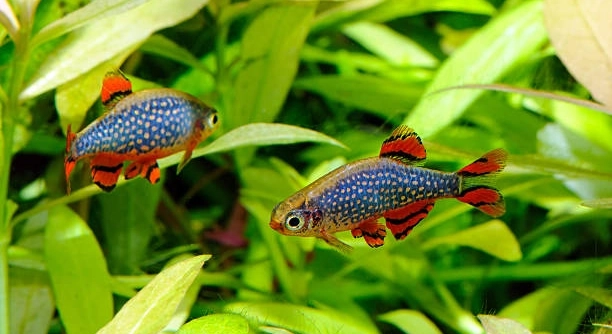
Celestial Pearl Danios are small, colorful fish that brighten any aquarium. Observing them swim together reveals patterns of movement and behavior that are both graceful and captivating to watch regularly. Their social nature is part of their charm.
Celestial Pearl Danios school together primarily for safety, social interaction, and coordinated foraging. Grouping reduces predation risk, enhances communication, and allows them to efficiently locate food while maintaining territory awareness, ensuring survival and stability within their natural and captive environments.
Understanding why these tiny fish form groups provides insight into their behavior, improving care and creating a harmonious aquarium environment for their long-term well-being.
The Importance of Grouping
Celestial Pearl Danios feel safer in numbers. When they swim together, each fish has a better chance of detecting potential threats. Their small size makes them vulnerable, so schooling is a natural defense. Additionally, moving in a coordinated group reduces stress levels and keeps them active. Observing their interactions shows a subtle hierarchy where dominant individuals lead the direction while others follow. This social structure is not aggressive but rather cooperative, helping the group navigate their environment efficiently. In aquariums, providing space and hiding spots encourages natural schooling behavior. Lack of companions can make them shy or inactive, reducing their overall health. Grouping also aids in foraging. As a collective, they can explore more areas safely and locate food efficiently. Watching them interact demonstrates how instinct and social behavior are intertwined. Their vibrant colors and synchronized swimming become more pronounced when they feel secure in a group.
Schooling enhances their safety and encourages natural movement, keeping the fish healthier and more active overall.
In addition to protection, schooling fosters communication. Danios signal each other through subtle body movements and flashes of color. This coordination allows them to maintain spacing, avoid collisions, and respond quickly to changes in the environment. Over time, these interactions strengthen the group, creating a sense of stability. For people keeping them in aquariums, understanding these behaviors can improve tank setup. Including plants, rocks, and open swimming areas allows them to express natural instincts. Observing a well-grouped school is not only visually pleasing but also indicates that the fish are thriving. Their behavior reflects comfort, trust, and adaptation to their surroundings. Maintaining proper water quality and providing balanced nutrition further supports their social structure. Ultimately, these small fish show how complex and delicate social behavior can be, even in tiny aquatic species, and how careful care enhances their well-being.
Coordinated Movement Patterns
Schooling helps Celestial Pearl Danios maintain rhythm and direction in the tank.
Their coordinated swimming is a combination of instinct and learned behavior. Each fish adjusts its speed and angle based on neighbors’ movements, allowing the group to flow like a single unit. This alignment reduces energy use and prevents collisions, which is crucial in confined spaces. Observing their patterns reveals subtle changes in direction, speed, and spacing that reflect the group’s response to stimuli such as light, food, or presence of other tank mates. Some individuals take turns leading, while others follow to maintain balance. The visual effect of synchronized movement is striking and highlights the fish’s natural instincts. In aquariums, providing adequate room is important to allow smooth, uninterrupted schooling. Decorations should not block swimming paths, as it can disrupt their coordination. Over time, a school develops a rhythm, creating a dynamic and engaging environment for both the fish and the observer. Proper care ensures these patterns remain consistent, reflecting a healthy and secure group.
Benefits of Schooling
Schooling reduces stress for Celestial Pearl Danios and keeps them active. Being part of a group provides comfort and stability. Fish in groups display more natural behavior, including synchronized swimming and cooperative exploration of their environment, which helps maintain their health and overall well-being in an aquarium setting.
Fish that school effectively tend to eat better and remain alert to changes in their surroundings. The presence of companions encourages them to explore the tank more confidently, preventing hiding or lethargy. Social interaction promotes balanced energy levels, which reduces the risk of illness. Observing a cohesive school also highlights their natural hierarchy and subtle communication, reflecting their instincts. Maintaining proper water conditions and providing enough space allows the school to thrive while minimizing conflicts or stress-related behavior. A well-structured environment supports both physical health and mental stimulation, ensuring the group remains active and secure over time.
Grouping also improves reproductive behavior. Male Danios display more vivid colors and courtship behaviors in the presence of a group, while females feel safer to move freely and forage. This social dynamic encourages natural breeding patterns and enhances the vitality of the entire school. Additionally, schooling strengthens coordination, helping the group respond quickly to potential threats and navigate complex spaces efficiently. Over time, these interactions build a stable and healthy community within the tank. Observing them swim together demonstrates how instinct, safety, and social needs combine to influence daily activity. The benefits are evident in their appearance, movement, and overall energy, reflecting a balanced and thriving environment that supports both survival and comfort.
Factors Influencing Schooling
Tank size, environment, and companion numbers directly affect schooling behavior. A crowded or poorly structured tank can disrupt cohesion, while appropriate conditions encourage natural group dynamics and movement.
Proper tank setup allows Celestial Pearl Danios to maintain a cohesive school. Adequate swimming space, hiding spots, and consistent water parameters reduce stress and prevent aggressive behavior. When companions are present in sufficient numbers, individuals feel secure and can exhibit natural synchronized swimming. Lighting and plant placement also play roles in visibility and comfort, influencing how the group navigates and interacts. Social balance is maintained when dominant and subordinate fish can coexist without excessive competition. Observing these dynamics provides insight into their instincts, coordination, and preferences. A carefully arranged environment ensures schooling behavior remains healthy, predictable, and visually appealing, while supporting long-term well-being and activity levels.
Environmental conditions like temperature, water quality, and light intensity impact energy levels and coordination. Poor conditions can cause the school to fragment or become inactive, affecting feeding and social interaction. Even slight changes in tank setup may alter movement patterns, as Danios adjust to maintain balance and security within the group. Consistent care promotes stable behavior, allowing the school to thrive naturally. Observing how they adapt to changes highlights their responsiveness and dependence on favorable conditions. By managing these factors, the group can maintain synchronization, reduce stress, and display the full range of natural behaviors that make them captivating to watch.
Social Hierarchy
Celestial Pearl Danios form subtle hierarchies within their school. Dominant individuals lead movement while others follow, creating an organized flow. This structure reduces conflict and ensures smoother coordination during swimming and foraging, making the group more efficient and stable in daily activity.
Subtle displays of color and body posture signal rank. Fish respond quickly to these cues, adjusting position and movement to maintain balance. Hierarchy is not aggressive but allows everyone to occupy a role, keeping the school cohesive.
Communication Within the School
Fish communicate through body movements, tail flicks, and changes in swimming speed. These signals coordinate movement, alert others to food or danger, and maintain spacing within the group. Synchronized patterns reflect continuous feedback and cooperation among individuals.
Influence of Tank Environment
Tank layout and decoration impact schooling behavior. Open spaces, plants, and hiding spots encourage natural movement, allowing the school to swim together comfortably and safely.
FAQ
How many Celestial Pearl Danios should I keep together?
Keeping at least six to eight individuals is ideal for their well-being. Smaller groups may lead to stress and shy behavior. A proper school allows natural social interactions, coordination, and movement, reducing fear and promoting activity. Larger groups can further enhance these behaviors but require adequate tank space.
What tank size is best for schooling behavior?
A minimum of 20 gallons is recommended for a small school. This provides enough room for swimming and reduces competition for space. Proper water flow and hiding areas help maintain comfort and reduce stress. Adequate space allows synchronized movement without crowding or injury.
Do Celestial Pearl Danios get along with other fish?
Yes, they are generally peaceful and coexist well with small, non-aggressive species. Compatibility depends on tank mates’ size, temperament, and activity level. Avoid large, aggressive fish that may intimidate or stress the school. Social harmony is crucial for maintaining natural schooling behavior.
How can I encourage natural schooling in my tank?
Provide consistent water conditions, balanced nutrition, and enough companions. Arrange plants and decorations to allow open swimming paths while offering hiding spots. Avoid sudden changes in environment or tankmates, as stress can disrupt the school’s cohesion and movement patterns.
What signs indicate my Danios are stressed?
Signs include hiding, reduced activity, loss of color, and erratic swimming. Schooling may fragment, and fish may isolate themselves. Stress often results from poor water quality, inadequate tank size, insufficient companions, or incompatible tankmates. Monitoring behavior closely helps maintain a healthy school.
How often should I feed them?
Feed small amounts two to three times a day. Use high-quality flakes, micro-pellets, or live foods to ensure proper nutrition. Overfeeding can harm water quality, while underfeeding reduces energy levels and may impact schooling behavior. Feeding should encourage natural foraging without leftover waste.
Do males and females behave differently in a school?
Males often display brighter colors and more active movement during courtship, while females maintain cautious, consistent swimming. These differences are subtle but affect group dynamics, with males occasionally taking the lead during exploration or feeding. Social balance is maintained through non-aggressive interactions.
Can schooling prevent illness?
While schooling itself does not prevent disease, social behavior reduces stress, which supports immune function. Stressed or isolated fish are more susceptible to illness. Maintaining a cohesive group, proper nutrition, and clean water minimizes risk and promotes overall health.
What tank decorations support schooling behavior?
Low plants, rocks, and open swimming areas allow the school to move freely. Avoid dense decorations that block paths. Proper layout helps maintain coordination, reduces collisions, and encourages natural interaction. Hiding spots provide security without disrupting flow.
How do I know if my school is thriving?
A thriving school swims together consistently, shows coordinated movement, and displays bright colors. Fish remain active, explore the tank confidently, and respond to feeding. Observing these behaviors indicates comfort, health, and effective social interactions within the group.
Final Thoughts
Celestial Pearl Danios are remarkable fish whose behavior reflects both instinct and adaptability. Observing a well-established school provides insight into how these small fish interact, communicate, and navigate their environment. Schooling is not only a natural survival strategy but also a key factor in their overall well-being. When kept in appropriate numbers, these fish display coordinated movement, social interaction, and vibrant colors that highlight their health and comfort. Each individual contributes to the cohesion of the group, following subtle cues and signals that allow the school to function as a unified unit. Understanding this behavior is essential for anyone keeping them in an aquarium, as it informs tank setup, feeding routines, and companionship decisions. By providing adequate space, hiding spots, and consistent water conditions, the natural schooling behavior can be preserved and observed in a controlled environment. The interplay between safety, coordination, and social dynamics becomes clear when the group is thriving, offering both a visual and behavioral study in miniature aquatic life.
Maintaining a healthy school requires attention to detail and commitment to proper care. Tank size, water quality, and environmental enrichment all influence how Celestial Pearl Danios interact and move together. A cramped or poorly maintained tank can fragment the school, reduce activity, and cause stress, which may result in color fading or reduced appetite. Likewise, inadequate numbers of companions can lead to isolation, affecting both physical health and social stability. Observing their swimming patterns provides clues about the group’s comfort, hierarchy, and energy levels. Subtle behaviors, such as tail flicks, synchronized turns, or coordinated foraging, indicate a well-adjusted school. Providing a balanced diet and maintaining clean, stable water conditions further supports their natural instincts. With careful attention, the school can flourish, demonstrating the full range of behaviors that make Celestial Pearl Danios captivating and rewarding to observe.
Beyond their visual appeal, schooling serves as a reminder of the importance of social structure and cooperation in aquatic life. Each fish relies on its companions for safety, communication, and exploration, creating a delicate balance within the group. The subtle hierarchy ensures that movement is organized, feeding is efficient, and stress is minimized. For aquarists, understanding and supporting these behaviors improves not only the fish’s health but also the overall harmony of the tank. Observing a school in motion offers insight into their instincts and resilience, showing how even small fish rely on social bonds and environmental cues to thrive. By respecting these natural behaviors and providing the proper conditions, Celestial Pearl Danios can live healthy, active lives, displaying the synchronized patterns and interactions that make them a unique and enjoyable species to care for.

Hello,
If you enjoy the content that we create, please consider saying a "Thank You!" by leaving a tip.
Every little bit helps us continue crafting quality advice that supports the health, happiness, and well-being of pets around the world, for pets of all shapes, sizes, and species.
We really appreciate the kindness and support that you show us!