
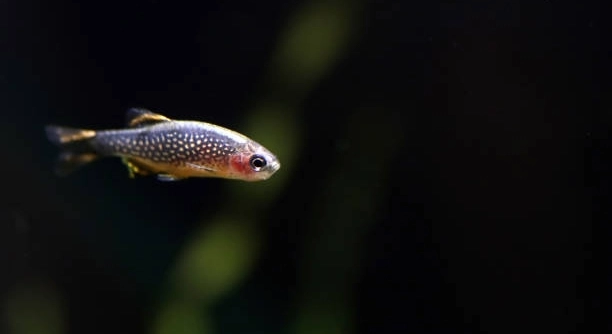
Celestial Pearl Danios are small, vibrant fish that bring life to any aquarium. Their shimmering colors and peaceful nature make them appealing to both new and experienced hobbyists. Many aquarists enjoy watching them thrive in community tanks.
Breeding Celestial Pearl Danios in a community tank is challenging but possible. Providing dense plant cover, maintaining stable water conditions, and minimizing stress from tank mates increases the likelihood of successful spawning and fry survival without disrupting the established tank environment.
Understanding the tank setup and fish behavior can greatly improve breeding outcomes. Careful attention to these details ensures the health of both adults and fry.
Preparing the Community Tank for Breeding
Before attempting to breed Celestial Pearl Danios, the community tank needs careful preparation. Start by adding dense plants such as Java moss or fine-leaved varieties to provide hiding spaces for fry. These plants also offer surfaces for eggs to attach naturally. Maintaining stable water conditions is critical, with temperatures around 24-26°C and a slightly acidic to neutral pH. Regular water changes and gentle filtration help reduce stress on both adults and fry. Avoid aggressive or overly active tank mates, as they can disturb spawning or eat eggs. Adjust lighting to a moderate level, giving the fish a sense of security while encouraging natural behavior. Feeding high-quality live or frozen foods, such as daphnia or brine shrimp, supports reproductive health and conditions the adults for spawning. Monitoring the tank daily allows you to spot any signs of stress, illness, or aggression early.
Breeding in a community tank requires patience and careful observation. Fry survival depends on preparation.
Proper preparation ensures a safer environment for spawning. Dense plants, gentle filtration, and nutritious feeding help maximize fry survival without compromising the peace of the community tank.
Spawning Behavior and Egg Care
Celestial Pearl Danios exhibit subtle courtship behaviors that include chasing and nipping near plants. Eggs are small, adhesive, and usually scattered among plant leaves or substrate. Adult fish may occasionally eat the eggs, so careful observation is necessary.
Once eggs are laid, it is best to maintain water stability.
Separating adults is not always necessary but can improve fry survival. The eggs usually hatch in 2-3 days depending on temperature. After hatching, the fry remain among plants and require infusoria or finely crushed foods for the first few days. Feeding small amounts multiple times a day ensures proper growth without fouling the water. Maintaining excellent water quality through partial water changes is essential, as fry are very sensitive. Over time, they grow stronger and can transition to larger foods. Observing their development and adjusting care helps ensure a higher survival rate. Proper tank setup, feeding, and gentle handling are key to raising healthy Celestial Pearl Danios from eggs to juveniles.
Feeding and Nutrition for Breeding
High-quality nutrition is essential for Celestial Pearl Danios before and during breeding. Live or frozen foods like daphnia, brine shrimp, and micro worms help condition the fish. Small, frequent feedings promote energy and readiness for spawning.
A balanced diet ensures that both males and females develop fully and remain healthy. Females benefit from protein-rich foods to produce viable eggs, while males require nutrients that enhance coloration and stamina. Including a mix of live and frozen options keeps the fish active and reduces stress, creating an environment conducive to natural breeding behavior. Avoid overfeeding, as leftover food can degrade water quality and harm fry. Consistent feeding schedules help maintain stable energy levels, encouraging proper courtship and spawning patterns.
Supplementing standard flake food with occasional live treats provides variety and improves overall reproductive success. Vitamins and minerals in high-quality flakes or frozen foods support egg development and strengthen fry once hatched. Feeding small portions multiple times per day reduces waste and maintains optimal tank conditions. Careful attention to nutrition directly affects the number of eggs laid and the health of emerging fry.
Tank Mates and Their Impact
Choosing compatible tank mates is crucial to successful breeding. Aggressive or large fish may stress adults or consume eggs and fry. Peaceful species that occupy different water levels are ideal.
Some tank mates can unintentionally disturb spawning. Fish that are overly active near the bottom or middle of the tank can disrupt eggs attached to plants or substrate. Monitoring interactions and removing particularly curious or boisterous fish during breeding periods helps protect both eggs and fry. Community tanks require balance, ensuring that the breeding pair can act naturally without constant interference. Proper selection and observation prevent loss of eggs and minimize stress on adults, improving overall breeding success.
In mixed-species tanks, compatibility depends on both temperament and size. Smaller, non-aggressive species are safer companions during breeding. Avoid fast-moving or territorial fish that may compete for space or food. Observing the tank regularly allows intervention if adults show signs of stress or aggression. Adjusting feeding schedules and plant density can reduce tension and provide safe zones for fry. Maintaining this balance supports natural behavior, allowing Celestial Pearl Danios to spawn successfully while coexisting peacefully with other fish in the community tank.
Water Parameters and Maintenance
Stable water conditions are essential for breeding success. Celestial Pearl Danios prefer temperatures between 24-26°C, slightly acidic to neutral pH, and low to moderate hardness. Sudden fluctuations can stress the fish and reduce spawning likelihood.
Regular water changes and gentle filtration maintain water quality. Clean water encourages natural behavior, reduces disease risk, and helps eggs and fry survive. Avoid strong currents that can disturb fry or dislodge eggs. Monitoring parameters daily ensures the environment stays suitable. Maintaining consistency supports healthy adults and improves breeding outcomes in a community tank.
Egg Hatching and Fry Care
Eggs usually hatch within 2-3 days depending on temperature. Fry are tiny and stay hidden among plants. They require infusoria or finely crushed foods initially to grow.
Monitoring Fry Development
Watch fry closely as they grow. Healthy fry become more active and begin accepting larger foods after about one week.
Common Challenges in Breeding
Adults eating eggs and fry is the most common issue. Dense plants and careful observation reduce these losses.
FAQ
How many eggs do Celestial Pearl Danios usually lay?
Celestial Pearl Danios typically lay between 20 and 100 eggs per spawning session, depending on the female’s size and health. Well-fed and healthy females produce more eggs, and environmental conditions like stable water and minimal stress also play a role in egg quantity.
How can I tell when my fish are ready to breed?
Males develop more intense coloration and display active chasing behavior, while females’ abdomens become rounder as eggs mature. Observing consistent courtship behavior and gentle nudging among adults indicates readiness to spawn. Proper nutrition and a calm tank environment encourage natural breeding patterns.
Do I need a separate breeding tank?
A separate breeding tank is not always necessary but can improve fry survival. In a community tank, dense plants and hiding spots help protect eggs and fry. If eggs are disappearing quickly, using a dedicated tank minimizes predation and allows easier monitoring.
How do I feed fry in the first week?
Newly hatched fry are very small and need microscopic food such as infusoria or finely crushed flake foods. Feed small amounts multiple times a day to prevent starvation. Gradually introduce slightly larger foods like baby brine shrimp as they grow stronger.
How often should I perform water changes during breeding?
Frequent, small water changes are best during breeding. Around 10-20% every two to three days maintains water quality without stressing adults or fry. Avoid sudden or large changes, which can shock the fish and disrupt spawning behavior.
Can I keep fry with adult fish?
Keeping fry with adults is possible but risky. Adults may eat eggs or fry if hiding spots are insufficient. Dense plants or breeding traps improve survival. Monitoring the tank carefully allows fry to grow while reducing the risk of predation.
What is the ideal temperature for breeding?
Maintaining water between 24 and 26°C encourages spawning. Slightly cooler or warmer water can delay or prevent egg-laying. Consistency is key, and using a reliable heater ensures temperature stability in the community tank.
How long until fry become free-swimming?
Fry usually become free-swimming three to five days after hatching, depending on temperature. During this stage, they leave plant cover and start searching for food. Keeping water calm and clean is important for their survival.
What kind of plants are best for breeding?
Fine-leaved plants like Java moss, hornwort, or dense carpeting plants work well. They provide surfaces for eggs to attach and hiding spaces for fry. Plants also help maintain water quality and reduce stress for adults during spawning.
How do I prevent adults from eating eggs?
Providing plenty of plant cover and monitoring adults closely helps prevent egg predation. Some aquarists temporarily move adults to a separate tank after spawning. Observing behavior and adjusting tank conditions improves egg survival rates.
Can I breed multiple pairs in one community tank?
It is possible but increases stress and competition. More pairs may lead to higher egg loss due to adults eating eggs or disturbing fry. Spacing out plants and monitoring closely is necessary when attempting multiple pairs in a shared tank.
How long do eggs take to hatch?
Eggs generally hatch within 2 to 3 days at the proper temperature. Cooler water may slow development, while warmer water speeds it up. Keeping consistent conditions ensures predictable hatching and improves fry survival.
What should I do if fry are not growing?
If fry are not growing, check water quality, food size, and feeding frequency. Ensure infusoria or small fry food is available in sufficient amounts. Overcrowding or strong currents can also stress fry and inhibit growth. Adjusting these factors helps support healthy development.
Is it necessary to remove uneaten food from the tank?
Yes. Uneaten food can quickly foul water, leading to poor water quality and stress for adults and fry. Removing leftovers after feeding maintains a cleaner environment and reduces the risk of disease, promoting healthy growth for fry.
How long until fry can join the main community tank?
Fry can safely join the main tank once they are large enough to avoid being eaten, usually after 6 to 8 weeks. They should be strong swimmers and able to compete for food. Gradual acclimation ensures they adapt successfully without stress.
Can Celestial Pearl Danios breed year-round?
They can spawn year-round if water conditions remain stable and nutrition is sufficient. Seasonal changes or fluctuating temperatures may reduce breeding frequency, so maintaining consistency in care supports continuous spawning.
What is the best lighting for breeding?
Moderate lighting works best. Bright lights may stress adults and fry, while too dim lighting can inhibit natural behavior. Plants provide shelter and help diffuse light, creating a safe and supportive environment for breeding and fry growth.
Do males guard the eggs?
Males do not actively guard eggs. They focus on courtship and chasing females. Protection relies on tank setup with plants and hiding spots. Dense planting and careful observation compensate for the lack of parental care.
What is the survival rate for fry in a community tank?
Survival rates vary depending on plant cover, tank mates, and water quality. Well-prepared tanks with hiding spaces and careful monitoring can see up to 70-80% of fry survive, though some losses are common due to predation or stress.
How long until fry show adult coloration?
Fry develop noticeable coloration over several weeks, usually around 8 to 12 weeks. Full adult colors appear gradually, with males showing more intense hues. Consistent care and proper nutrition accelerate healthy growth and color development.
Can stress prevent spawning?
Stress from aggressive tank mates, sudden water changes, or poor water quality can prevent spawning. Minimizing disturbances and providing a calm environment encourages natural behavior and increases the likelihood of successful breeding.
How often should I observe the breeding process?
Regular, gentle observation is important. Check for courtship, egg-laying, and fry survival without disturbing the fish. Frequent but careful monitoring helps identify problems early and allows adjustments to conditions for better results.
What is the best diet for adult breeders?
A mix of live and frozen foods like daphnia, brine shrimp, and micro worms, supplemented with high-quality flakes, supports reproductive health. Protein-rich diets improve egg quality and male coloration, encouraging successful breeding and stronger fry.
Can fry eat powdered food?
Yes, powdered fry foods or crushed flakes are suitable for the first week. Feed in small amounts several times a day. Gradually introduce larger foods as fry grow to support development and prevent nutritional deficiencies.
Do I need to adjust water hardness for breeding?
Celestial Pearl Danios prefer soft to moderately hard water. Extreme hardness or sudden changes can reduce egg viability and fry survival. Maintaining a stable, slightly acidic to neutral environment supports healthy development for both adults and offspring.
What signs indicate successful spawning?
Eggs attached to plants and consistent courtship behavior signal successful spawning. Fry appearing after 2-3 days confirms hatching. Monitoring growth, activity, and feeding ensures the breeding process is proceeding well.
Can breeding affect adult health?
Intense breeding can temporarily stress adults, especially females. Proper nutrition, stable water conditions, and rest periods between spawning sessions help maintain overall health and reduce potential complications.
How do I handle sudden tank problems during breeding?
If water quality drops or aggression arises, address the issue immediately. Perform small water changes, separate aggressive fish, or increase plant cover. Prompt intervention helps prevent egg loss and protects fry development.
Is there a best time of day for spawning?
Spawning often occurs in the morning when lights are on and water conditions are stable. Consistent lighting and feeding schedules encourage predictable reproductive behavior.
How do I know if fry are healthy?
Healthy fry are active, transparent at first, and begin swimming freely after a few days. They feed eagerly on infusoria and gradually accept larger foods. Weak or inactive fry may indicate poor water quality or insufficient food.
Can temperature fluctuations harm eggs or fry?
Yes. Sudden drops or spikes in temperature can kill eggs or stress fry. Maintaining a stable range of 24-26°C is crucial for consistent hatching and healthy development.
How long should I continue feeding high-protein foods?
High-protein foods should be provided during conditioning, spawning, and early fry stages. As fry grow, diet can gradually include more varied foods. Consistent nutrition ensures strong growth and healthy coloration.
What is the recommended tank size for breeding?
A minimum of 20 liters (5 gallons) per breeding pair is recommended. Larger tanks reduce stress, provide more hiding spots, and improve egg and fry survival in community setups.
Can I breed without live foods?
Breeding is possible with high-quality frozen or prepared foods, but live foods improve egg quality and fry survival. Providing a mix ensures adequate nutrition for successful spawning.
How do I manage multiple spawnings in a community tank?
Staggering breeding attempts and ensuring sufficient plant cover reduces stress and predation. Monitor each batch carefully, and adjust feeding and water maintenance to support multiple generations simultaneously.
What are common mistakes in breeding Celestial Pearl Danios?
Overcrowding, poor nutrition, aggressive tank mates, and unstable water are the most common issues. Dense plants, careful monitoring, and consistent care reduce problems and improve egg and fry survival.
How long until fry are independent?
Fry become independent once they can swim, eat larger foods, and avoid predation. This usually occurs around 6-8 weeks, depending on tank conditions and feeding quality.
Can adult fish breed repeatedly in a short period?
Adults can spawn multiple times, but females need rest between sessions. Overbreeding can weaken fish, reduce egg quality, and increase stress, so spacing attempts is beneficial.
Do water parameters affect male coloration?
Yes. Stable temperature, proper pH, and good nutrition enhance male coloration, which encourages mating and increases reproductive success. Stress or poor water conditions can dull colors and reduce breeding activity.
Are there any signs that breeding has failed?
No eggs, infertile eggs, or adults eating eggs indicate failure. Poor water quality, stress, or insufficient nutrition are often the cause. Adjusting conditions improves chances for the next attempt.
How can I increase fry survival rates?
Provide dense plant cover, stable water, appropriate feeding, and reduce aggressive tank mates. Observing fry closely and making adjustments ensures higher survival and stronger growth.
Is it better to breed in a planted tank or bare-bottom tank?
A planted tank provides protection and surfaces for eggs, increasing fry survival. Bare-bottom tanks allow easier cleaning but require additional precautions to prevent predation. Dense plants create a safer environment overall.
Can Celestial Pearl Danios adapt to minor changes during breeding?
They can tolerate minor fluctuations if changes are gradual. Sudden shifts in temperature, pH, or hardness can stress adults and affect spawning, so maintaining stability is essential for successful breeding.
What is the best method to separate fry if needed?
Using small mesh nets or breeding traps allows safe separation without harming fry. Dense plants or sponge filters can also provide natural barriers within the tank. Separation helps prevent predation and improves growth rates.
How do I transition fry to adult food?
Gradually introduce finely crushed flakes or baby brine shrimp once fry are larger. Increase food size slowly while continuing small, frequent feedings. Observe feeding to ensure all fry get enough nutrition.
How often should I check water parameters during breeding?
Daily checks for temperature, pH, and ammonia levels are recommended. Minor adjustments prevent stress, egg loss, and poor fry growth. Consistent monitoring is crucial for breeding success.
What is the most important factor for successful breeding?
Stable water, proper nutrition, adequate hiding spaces, and careful observation collectively determine success. Each factor supports healthy adults, proper spawning behavior, and higher fry survival.
Celestial Pearl Danios are small, peaceful fish that can bring color and life to a community tank. Breeding them requires careful attention to water quality, tank setup, and nutrition. Maintaining stable temperature, pH, and hardness creates an environment where adults feel secure and healthy, which encourages natural spawning behavior. Dense plants are essential, providing surfaces for eggs to attach and safe hiding places for newly hatched fry. Careful observation of the adults helps identify courtship behavior and egg-laying activity while minimizing stress caused by aggressive or overly active tank mates. Feeding a balanced diet with live, frozen, or high-quality prepared foods supports reproductive health and improves the likelihood of producing strong, viable fry. Attention to detail and consistent maintenance of tank conditions are crucial for breeding success in a community setup.
During the breeding process, patience is important. Fry are delicate during their first days and require infusoria or finely crushed foods until they are strong enough to accept larger meals. Frequent, small feedings combined with clean water and gentle filtration promote growth and reduce mortality. Adults may sometimes eat eggs, so providing plenty of plant cover or using small breeding traps can increase fry survival rates. Monitoring water parameters, adjusting feeding schedules, and creating safe zones in the tank help minimize stress on both adults and fry. Understanding and responding to subtle changes in behavior, appetite, or water quality can prevent common problems and improve the chances of successful breeding. Each batch of fry may have slightly different needs, and flexibility in care is key to supporting their development.
The experience of breeding Celestial Pearl Danios in a community tank can be rewarding if approached with careful preparation and attention. By providing a suitable environment, proper nutrition, and protection for eggs and fry, hobbyists can successfully raise healthy young fish while maintaining a peaceful community setting. Even with challenges like adult predation or fluctuating water parameters, careful planning and consistent care allow both adults and fry to thrive. Observing the process closely helps improve techniques over time, and small adjustments can lead to better outcomes in future breeding attempts. Creating a balanced tank with appropriate tank mates, dense plants, and stable water conditions ensures the health and wellbeing of all fish while supporting natural breeding behavior. With patience and diligence, breeding Celestial Pearl Danios in a community tank is achievable and can be a fulfilling addition to aquarium care.

Hello,
If you enjoy the content that we create, please consider saying a "Thank You!" by leaving a tip.
Every little bit helps us continue crafting quality advice that supports the health, happiness, and well-being of pets around the world, for pets of all shapes, sizes, and species.
We really appreciate the kindness and support that you show us!