
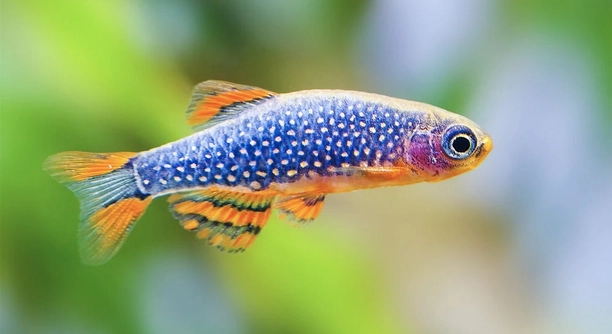
Celestial Pearl Danios are small, delicate fish that bring a splash of color to home aquariums. Their gentle nature makes them appealing, but it also means they need a carefully designed environment to feel secure and comfortable.
Providing hiding spaces in an aquarium is essential for Celestial Pearl Danios. These fish experience stress without adequate cover, which can affect their health and behavior. Plants, decorations, and small shelters allow them to retreat, reducing stress and promoting natural activity.
Creating an environment with thoughtful hiding spots enhances the wellbeing of your Danios and encourages more vibrant, natural behavior in their daily routines.
The Importance of Natural Cover
Celestial Pearl Danios thrive when their environment mimics natural conditions. In the wild, they live among dense plants, rocks, and crevices, which offer protection from predators. In an aquarium, lacking these features can cause anxiety and erratic behavior. Adding live or artificial plants, small caves, and decorations helps them feel safe and reduces stress. Fish will explore more confidently when they know they can retreat to a secure space at any moment. Hiding spots also give them a place to rest and sleep without being disturbed. Observing them navigate these spaces can be rewarding, as it shows their natural instincts at work. Structured environments not only improve mental health but also encourage feeding and social behaviors. Overcrowded tanks without cover can lead to aggression or timid behavior. By providing multiple small spaces rather than one large hiding area, each fish can claim its own territory, which promotes harmony and reduces competition.
Proper hiding spaces improve overall fish health and behavior in the tank.
Adding natural cover requires planning and consideration. Placement should allow open swimming areas while keeping shelters accessible. Varying the types of hiding spots—from tall plants to small caves—ensures all fish feel secure. Watch how Danios interact with these areas, adjusting positions as needed to suit their activity patterns. Regular maintenance, such as trimming plants or cleaning caves, keeps the environment safe and appealing. Over time, the tank becomes a balanced habitat where fish feel protected yet active, creating a visually pleasing display. Incorporating driftwood or smooth rocks adds variety and can prevent boredom. Each hiding space encourages exploration and reduces stress-related illnesses. By observing their preferences, you can enhance the setup for maximum comfort. Feeding near these areas can help reinforce positive associations, making the Danios more confident. Overall, a thoughtful approach to cover improves their wellbeing, making the aquarium a healthier, more natural environment for these delicate fish.
Choosing the Right Hiding Spots
Small caves and dense plants work best for Danios.
Selecting hiding spots requires understanding their size, swimming habits, and social dynamics. Celestial Pearl Danios are small and active, preferring low-lying cover they can access quickly. Decorations should not have sharp edges, and spaces must allow multiple fish to share without conflict. Plants can be placed in clusters to simulate a natural environment, offering shade and protection simultaneously. Floating plants create additional security near the water’s surface, while rocks or ceramic shelters provide solid retreats at the bottom. Avoid overcrowding with too many decorations, as it can restrict movement. The goal is a balance between open swimming areas and protective spaces. Over time, observing how fish interact with each hiding spot informs adjustments. Rotate or add new structures to maintain interest and encourage natural behavior. Providing a variety of textures, heights, and spaces ensures all fish feel comfortable and reduces stress-related aggression, contributing to a healthy and active aquarium ecosystem.
Feeding and Hiding
Hiding spaces influence how Celestial Pearl Danios eat. They prefer to feed near secure areas, feeling safer while foraging. Without cover, shy fish may avoid food or eat less, affecting growth and health. Proper placement of food near shelters encourages natural feeding behavior.
When feeding Danios, scatter small amounts of food near plants or caves. This allows timid individuals to eat without leaving safety zones. Over time, they learn to associate hiding spots with feeding, reducing stress and promoting healthy growth. Avoid overfeeding in open areas, as fish may hesitate to leave cover, leaving uneaten food to decay. Live or frozen foods can be offered near shelters to simulate natural conditions, while flake or pellet food should be gently distributed to prevent competition and aggression. Observing their feeding habits helps adjust the placement of hiding spots for optimal comfort and nutrition.
Hiding spaces also affect social dynamics during feeding. Danios are schooling fish, and secure areas allow weaker or smaller individuals to eat alongside more dominant fish. This reduces competition, aggression, and stress, promoting harmony within the group. By maintaining multiple feeding zones with accessible cover, all fish can thrive. Rotating hiding spots or rearranging plants occasionally keeps fish engaged and curious. These small changes reinforce natural behaviors, encouraging active and healthy fish. Over time, feeding near shelters becomes part of their routine, improving overall tank balance and wellbeing.
Breeding and Shelter
Shelter is critical for breeding success in Celestial Pearl Danios. Dense plants or fine-leaved foliage provide safe spawning areas where eggs are less likely to be eaten.
During breeding, males display near secure spots, and females deposit eggs in hidden areas. Without cover, stress can prevent spawning, or eggs may be eaten immediately. Plants like Java moss or fine-leaved aquatic species create ideal surfaces for eggs, keeping them protected. Multiple small shelters allow more eggs to survive, improving hatching rates. Spawning behavior is more natural when the tank mimics their wild habitat with plenty of cover. Observing this behavior provides insight into their social interactions, courtship, and hierarchy, helping maintain a healthy, balanced aquarium.
Providing shelter also ensures fry survival. After hatching, baby Danios hide among plants or under small decorations, avoiding predation from adults. A tank without adequate cover leads to high mortality rates, as young fish cannot escape attention. Arranging plants and caves strategically supports all stages of life, giving both adults and fry safe spaces to grow. Rotating or adding new foliage keeps the environment dynamic, preventing boredom and encouraging exploration. By prioritizing shelter for breeding, the aquarium supports natural reproduction and fosters healthier, more active fish populations.
Stress Reduction
Hiding spaces are essential to reduce stress in Celestial Pearl Danios. Fish feel vulnerable in open areas, and stress can lead to illness or lethargy. Providing cover allows them to retreat, regain confidence, and maintain normal activity levels.
Plants, caves, and decorations act as natural stress relievers. Multiple hiding spots prevent dominance issues and allow timid fish to coexist peacefully with more active individuals.
Interaction with Tankmates
Secure hiding spaces improve interactions with other fish. Danios can escape aggressive or curious tankmates without confrontation. This reduces injuries and promotes harmonious community living. Fish are more active and confident when they know shelter is nearby, allowing natural social behaviors to develop safely.
Placement Tips
Place hiding spots along the tank edges and near mid-level areas. This ensures access without blocking swimming paths, creating a safe and open environment.
Monitoring Behavior
Regular observation of fish behavior shows if hiding spots are sufficient. Timid or stressed individuals often indicate a need for additional cover.
FAQ
Why do Celestial Pearl Danios hide so often?
Celestial Pearl Danios are naturally shy and cautious fish. Hiding is a normal behavior that helps them feel secure. In the wild, they avoid predators by staying close to plants or rocks. In an aquarium, hiding reduces stress and allows them to maintain normal activity and feeding patterns.
How many hiding spaces does my tank need?
The number of hiding spaces depends on tank size and fish population. A general rule is at least one small shelter per fish, plus several larger areas for group retreats. Spread cover throughout the tank to allow multiple fish to access it without competition. Variety in size and type ensures everyone has a safe space.
What types of hiding spots work best?
Live plants with dense leaves, ceramic or resin caves, and smooth rocks are ideal. Fine-leaved plants, such as Java moss, create natural retreats. Floating plants offer cover near the surface, while small caves or hollow decorations provide secure resting areas. Avoid sharp-edged materials that could injure delicate fins.
Do hiding spaces affect feeding habits?
Yes, they do. Fish feel safer eating near cover. Timid individuals are more likely to feed when food is placed close to hiding spots. This reduces stress and ensures all fish get adequate nutrition. Over time, they learn to associate shelters with safety, improving overall wellbeing.
Can too many hiding spots be a problem?
Excessive cover can restrict swimming space and reduce visibility for feeding and observation. The key is balance: provide enough security without overcrowding the tank. Leave open swimming areas while distributing hiding spots evenly. This encourages exploration, natural behavior, and proper exercise.
Do hiding spaces help during breeding?
Absolutely. Dense plants and small shelters provide safe spawning sites. Females can lay eggs without interference, and fry can hide after hatching. Multiple small spaces increase survival rates, allowing both adults and young fish to thrive. Strategic placement also encourages natural courtship and social interaction.
How do I maintain hiding spots?
Regular maintenance is important. Trim live plants to prevent overgrowth, clean caves and decorations to remove debris, and check for any hazards. Rotating or rearranging plants occasionally keeps the environment stimulating and prevents stagnation. A well-maintained tank supports health, reduces stress, and encourages natural behavior.
Will hiding spaces reduce aggression among tankmates?
Yes, hiding spaces minimize conflicts. Fish can retreat from more dominant or curious tankmates, reducing stress and potential injuries. Multiple shelters allow timid fish to coexist with active individuals while maintaining normal social behavior. Proper cover promotes harmony in a community tank.
How do I know if my hiding spots are effective?
Observe your fish closely. If they spend too much time in corners or appear lethargic, you may need more or better-placed cover. Healthy hiding spaces allow exploration, confident feeding, and active schooling while providing secure retreats. Adjust placement based on behavior patterns to maximize comfort.
Can artificial plants be as effective as live ones?
Artificial plants can provide adequate cover if they are dense and placed strategically. They are easier to maintain and do not require trimming or care. Combining artificial and live plants can create a balanced, attractive, and safe environment for Celestial Pearl Danios, supporting both security and natural behavior.
Do hiding spots influence overall fish health?
Yes. Reduced stress from secure hiding areas helps prevent illness and promotes natural activity. Healthy fish feed more consistently, interact safely with tankmates, and reproduce successfully. Proper shelter contributes to longer lifespan, brighter colors, and a more active aquarium environment.
How should I introduce new hiding spots?
Add new cover gradually to prevent sudden changes in the tank. Rearranging plants or adding caves slowly allows fish to acclimate without stress. Observe how they respond, and adjust placement if fish seem hesitant or avoid certain areas. Gradual introduction supports confidence and natural exploration.
Are there alternatives to plants and caves for hiding spots?
Yes. Smooth driftwood, ceramic tubes, and rock formations can serve as effective cover. These options provide varied textures and spaces for retreat. Ensure all materials are aquarium-safe, free of sharp edges, and appropriately sized for your fish to prevent injury.
Can hiding spaces help with water quality issues?
Indirectly. By reducing stress, hiding spaces encourage normal feeding and activity, which supports overall health. Healthy fish are less prone to disease, and well-maintained plants in hiding areas can help with minor nutrient absorption and oxygenation. Proper cover contributes to a balanced and stable environment.
Should I change hiding spots frequently?
Occasional changes can stimulate natural exploration and prevent boredom. Move or rotate shelters gradually to allow fish to adapt. Avoid sudden or drastic rearrangements, which may increase stress. Balanced variation keeps the environment engaging while maintaining security for the Danios.
Do all Danios use hiding spaces the same way?
No. Individual behavior varies based on personality, size, and hierarchy. Some fish are bolder and explore more, while others are timid and rely heavily on cover. Providing multiple types and locations of hiding spots accommodates all temperaments and promotes harmonious social dynamics.
How can I make small tanks comfortable for Danios?
In smaller tanks, prioritize vertical space with taller plants or stacked decorations. Even limited space can include multiple hiding spots by layering plants, caves, or driftwood. Proper planning ensures that timid fish can retreat without overcrowding, creating a secure yet active environment.
Are hiding spaces necessary for single Danios?
Yes, even a single Danio benefits from cover. Isolation can be stressful without the comfort of secure spots. While schooling behavior is natural, hiding areas provide reassurance and support normal activity, reducing anxiety and promoting health.
Do hiding spots affect tank aesthetics?
Yes, and positively. Thoughtfully arranged plants, caves, and decorations create a visually pleasing aquarium while serving functional purposes. Balancing open swimming areas with cover ensures both beauty and practicality, making the tank enjoyable for observation and supporting fish wellbeing.
Can hiding spots prevent disease?
Indirectly, yes. Stress reduction from proper cover supports immune function. Fish with access to safe retreats are less likely to develop stress-related illnesses. Healthy, confident fish are more resilient to common aquarium diseases, contributing to a stable and thriving tank environment.
Is it necessary to adjust hiding spots seasonally?
Adjustments can be beneficial. Seasonal changes in lighting, plant growth, or tank population may require repositioning shelters. Observing fish behavior and tank dynamics allows for timely modifications, keeping the environment secure, stimulating, and aligned with the fish’s natural needs.
How do hiding spots influence social hierarchy?
They allow timid fish to escape dominant individuals, reducing stress and aggression. Sheltered spaces help maintain balance within groups, encouraging normal social interaction without constant confrontation. Proper distribution of cover ensures all fish can claim territory, promoting harmony and natural schooling behavior.
What is the most common mistake with hiding spaces?
Placing too few or poorly positioned shelters is a frequent issue. Overcrowding or using unsafe materials can also cause problems. Observing behavior, providing variety, and balancing cover with open space ensures hiding spots fulfill their purpose safely and effectively.
How can I improve existing hiding spots?
Enhance current cover by adding plants around caves, layering decorations, or including driftwood. Ensure openings are accessible and safe, and observe fish responses. Small modifications can greatly increase comfort and encourage natural activity, making the tank a healthier and more engaging environment.
What signs indicate hiding spaces are adequate?
Fish explore confidently, feed near shelters, and interact safely with tankmates. Timid individuals retreat when necessary but return to activity quickly. A balanced tank with multiple accessible cover points indicates that hiding spaces meet their needs, promoting overall wellbeing.
Can hiding spaces reduce mortality rates?
Yes. Proper cover protects eggs, fry, and timid adults, reducing stress and predation. Fish that feel secure are healthier, eat consistently, and reproduce successfully. Well-planned hiding spots are an essential component of a thriving aquarium for Celestial Pearl Danios.
How do hiding spaces affect tank maintenance?
They may require additional care, such as trimming plants or cleaning decorations, but the benefits outweigh extra work. Well-maintained shelters prevent debris buildup, support fish health, and allow for natural behavior. Strategic placement simplifies maintenance while providing security for the fish.
Are there any alternatives for temporary hiding spaces?
Temporary options like floating plants, small pots, or movable decorations can provide short-term security. These are useful during water changes, illness treatment, or rearrangement periods. They offer flexible solutions without permanently altering the tank setup, supporting fish comfort during transitions.
How important are hiding spaces for new tank setups?
They are critical. Newly introduced Danios are stressed by unfamiliar surroundings. Multiple secure spots help them acclimate quickly, reducing anxiety and encouraging normal feeding, swimming, and social interaction. Proper cover from the start creates a stable foundation for long-term health.
Can hiding spaces affect coloration in Danios?
Indirectly, yes. Reduced stress from secure cover allows fish to display brighter colors. Timid or stressed fish may appear dull or faded. Providing appropriate hiding spots supports natural behavior, enhances coloration, and contributes to a vibrant, visually appealing aquarium.
Do hiding spots need to be fish-specific?
While not strictly required, tailoring cover to Danios’ small size and cautious nature improves effectiveness. Openings, plant density, and decoration scale should suit their body size and swimming habits, ensuring security without restricting movement or causing injury.
Can hiding spots support multiple species?
Yes, but placement and type should consider all inhabitants. Each species’ size, temperament, and activity level influence their need for cover. Properly distributed hiding spaces reduce stress and competition, allowing a harmonious community tank while supporting natural behavior for all fish.
How long do hiding spots last?
Materials like ceramic, resin, or driftwood can last for years with proper care. Live plants require regular trimming and maintenance but provide dynamic, growing cover. Routine observation ensures longevity and functionality, keeping fish safe and comfortable.
Are there any materials to avoid for hiding spots?
Avoid sharp, rough, or toxic materials that could injure fish. Painted or treated decorations not meant for aquariums may leach chemicals. Always choose smooth, non-toxic, and aquarium-safe items to ensure fish safety and long-term usability.
Can hiding spaces help with acclimation of new fish?
Yes. Newly added Danios can retreat while adjusting to water parameters and tankmates. Shelters reduce stress and encourage gradual exploration, allowing new fish to integrate smoothly with existing inhabitants. This promotes healthier behavior and a stable tank environment.
Do hiding spaces influence lifespan?
Indirectly, yes. Reduced stress, improved feeding, and better social interactions from proper cover contribute to healthier, longer-lived fish. Sheltered environments support immune function and natural behaviors, enhancing overall life expectancy.
Are hiding spaces necessary in fully planted tanks?
Even in densely planted aquariums, additional caves or decorations are beneficial. Plants alone may not provide sufficient structure for rest, spawning, or territorial retreats. Combining plants with other shelters ensures complete protection for all fish.
Can hiding spots reduce bullying in Danios?
Yes. Providing multiple retreats allows submissive fish to escape dominant individuals. Shelters prevent constant harassment, reduce stress, and encourage peaceful coexistence, maintaining social balance within the tank.
Do hiding spots need to be changed as fish grow?
Yes, especially for fry and juveniles. Small openings may become too restrictive. Adjusting shelter size or adding larger cover ensures continued safety and comfort as fish develop.
How do I balance hiding spaces and open swimming areas?
Distribute cover along edges, mid-levels, and corners while keeping central areas open. This allows exploration and exercise while providing secure retreats. Balanced placement supports natural behavior, reduces stress, and maintains a visually appealing tank.
Can hiding spaces affect water circulation?
Large decorations or dense plants may slightly affect flow, but careful placement prevents stagnation. Ensuring water movement reaches all areas supports filtration, oxygenation, and overall tank health while maintaining adequate cover for Danios.
Are hiding spaces necessary for temporary tank conditions?
Yes. Even during water changes or short-term setups, secure spots reduce stress. Fish are less likely to panic, maintain normal feeding, and avoid injury when temporary cover is provided, supporting overall wellbeing.
Can hiding spaces help shy Danios become more confident?
Yes. With consistent access to secure areas, timid fish gradually explore, feed openly, and interact safely. Shelters provide reassurance, encouraging natural behavior and boosting confidence over time, resulting in healthier, more active fish.
Do hiding spaces need to be cleaned often?
Yes, regular cleaning prevents algae, debris, and bacteria buildup. Maintaining cleanliness ensures shelters remain safe and functional while supporting fish health and reducing stress-related problems. Proper care keeps the tank environment balanced and secure.
Can hiding spots prevent fish from jumping out?
Indirectly. Fish that feel secure are less likely to attempt escape. Providing cover reduces anxiety and sudden movements, minimizing the risk of jumping while promoting calm and confident behavior.
Are hiding spaces important in community tanks?
Absolutely. They allow all species to coexist, reducing stress and aggression. Multiple shelters accommodate timid individuals, encourage natural behavior, and maintain harmony among different fish species.
How do hiding spaces affect observation of fish?
They may limit direct visibility temporarily, but the benefits outweigh this. Fish will emerge confidently when comfortable, allowing observation of natural behavior, feeding, and social interaction while maintaining safety and wellbeing.
Can hiding spaces improve breeding success over time?
Yes, consistent access to secure cover increases spawning opportunities. Females feel safe depositing eggs, fry survival improves, and natural courtship behaviors are supported, enhancing long-term breeding outcomes and overall tank stability.
Should hiding spaces differ for young and adult fish?
Yes. Fry require smaller, denser cover, while adults benefit from larger, more open shelters. Adjusting size and placement ensures all life stages feel secure, promoting healthy growth and social development.
Do hiding spots help during illness or stress?
Yes, shelters provide refuge for weakened fish, reducing exposure to aggression or environmental stressors. Access to safe areas supports recovery and encourages normal feeding and resting behavior, aiding overall health.
How can I make hiding spots more engaging?
Layer plants, combine caves with driftwood, or vary heights to create stimulating, secure environments. Engaging setups encourage exploration, reduce boredom, and promote natural activity while maintaining safety and comfort for Danios.
Are there signs that hiding spaces are insufficient?
Fish remaining constantly in one spot, showing fear, or avoiding activity indicate inadequate cover. Adding more or adjusting placement can improve security, reduce stress, and support natural behavior.
Can hiding spots affect water temperature zones?
Yes, dense plants or caves may create slightly cooler or shaded areas. This provides comfort, especially for shy fish or during warmer periods, supporting consistent activity and reduced stress.
Do hiding spaces need to be replaced over time?
Some materials last indefinitely, while live plants or softer decorations may degrade. Regular assessment ensures shelters remain safe, functional, and adequate for fish needs, maintaining long-term health and comfort.
Can hiding spots improve overall tank harmony?
Yes, well-placed cover reduces stress, aggression, and competition. Fish interact naturally, school safely, and explore confidently, resulting in a balanced, healthy, and active aquarium environment for Celestial Pearl Danios.
Is it better to have multiple small hiding spots or a few large ones?
Multiple small shelters are preferable. They allow individual fish to claim personal space, reduce conflict, and provide options for both shy and active individuals. This arrangement promotes natural behavior and overall tank harmony.
Do hiding spaces influence growth rates?
Indirectly. Reduced stress and consistent feeding near shelters support proper nutrition, healthy activity, and natural behavior, contributing to optimal growth and development in Celestial Pearl Danios.
Are hiding spaces necessary for both male and female Danios?
Yes. Both sexes benefit from cover for safety, stress reduction, and breeding behavior. Providing adequate hiding spots ensures comfort, encourages natural interaction, and supports long-term wellbeing for all fish.
How often should hiding spots be reassessed?
Periodic observation every few weeks or after changes in population, plant growth, or tank layout ensures shelters remain effective. Adjust as needed to maintain security and support natural behavior.
Can hiding spots improve water oxygenation indirectly?
Live plants used as cover contribute to oxygen levels and minor nutrient absorption. While indirect, this supports overall health, reduces stress, and creates a more natural environment for Celestial Pearl Danios.
Are hiding spaces beneficial for small or nano tanks?
Yes, even small tanks benefit. Strategic placement of plants, small caves, or decorations provides necessary security without restricting swimming space, creating a comfortable and safe habitat for timid Danios.
Do hiding spaces affect how Danios school?
Proper cover encourages natural schooling behavior. Fish feel safe coordinating movements, retreating when needed, and exploring together. Shelters reduce conflict and allow cohesive, confident group activity.
Can hiding spots help during tank maintenance?
Yes, they provide refuge during water changes or rearrangements. Fish are less stressed, maintain normal behavior, and avoid sudden movements, ensuring safety and comfort during maintenance activities.
Do hiding spaces influence tank noise sensitivity?
Yes, secure cover helps fish feel insulated from vibrations or disturbances near the aquarium, reducing stress and overreaction to sudden noise. Shelters offer a sense of safety, maintaining calm behavior.
Can hiding spots support different life stages simultaneously?
Yes, by combining small and large shelters, plants, and caves, both juveniles and adults can find appropriate cover, ensuring safety, comfort, and natural behavior for all ages in the tank.
Are hiding spaces important for nighttime behavior?
Yes, Danios use cover for resting at night. Shelters allow them to sleep without disturbance, reducing stress and supporting a natural day-night cycle, which contributes to health and overall wellbeing.
How do hiding spaces influence tank aesthetics over time?
Well-maintained and thoughtfully arranged shelters create a dynamic, natural-looking aquarium. Rotating plants or adding new elements maintains visual appeal while supporting fish security and engagement.
Can hiding spots affect water flow patterns?
Yes, decorations and dense plants may alter localized flow. Careful placement ensures adequate circulation while maintaining secure retreats, supporting filtration, oxygenation, and fish comfort.
Do hiding spaces impact overall activity levels?
Yes, secure shelters reduce fear, encouraging exploration, feeding, and social behavior. Fish are more active when they have safe retreats, resulting in a lively, balanced tank environment.
Are hiding spaces necessary for new tanks?
Yes, early provision of cover reduces stress during acclimation, encourages feeding, and supports natural schooling and social behaviors. Proper shelter from the start establishes a healthy, confident tank population.
Can hiding spaces reduce fin damage?
Yes. By avoiding aggression and collisions with tankmates, smooth and well-placed shelters help maintain healthy fins. Fish can retreat and rest safely, reducing physical stress and injury.
Do hiding spaces influence how Danios interact with decorations?
Yes, fish explore and claim spaces as territory. Thoughtful arrangement encourages natural interaction while providing comfort, stimulating activity, and supporting a stable social structure within the aquarium.
Final Thoughts
Celestial Pearl Danios are delicate, small fish that thrive in environments that replicate natural conditions. Providing hiding spaces is not just an aesthetic choice but an essential part of their care. Shelters such as dense plants, small caves, smooth rocks, and driftwood allow Danios to feel secure, reducing stress and promoting healthy behavior. Fish that feel safe are more active, feed consistently, and display natural social behaviors. A tank without sufficient cover can lead to timid or erratic behavior, diminished feeding, and potential health issues. Observing how your Danios interact with their environment helps ensure that the placement and number of hiding spots meet their needs. Simple adjustments, like adding a small cave or rearranging plants, can make a significant difference in their comfort and overall wellbeing.
Hiding spaces also play a crucial role during breeding. Female Danios prefer to deposit eggs in sheltered areas, which reduces the risk of predation and increases survival rates for fry. Providing multiple small shelters allows both adult and young fish to thrive without excessive competition or stress. In addition, hiding spots influence feeding patterns. Timid fish are more likely to eat when food is placed near secure areas, preventing malnutrition and supporting steady growth. Even in community tanks, hiding spaces reduce aggression and promote harmony among different species. Thoughtful placement ensures that all fish have access to cover without restricting swimming space, allowing natural schooling and exploration behaviors. Properly maintained shelters also contribute indirectly to water quality by supporting healthy fish and live plants that can absorb nutrients. Over time, consistent provision of safe retreats fosters confident, active fish that display vibrant coloration and natural behavior.
Maintaining hiding spots requires attention but is manageable. Regular trimming of live plants, cleaning of decorations, and occasional rearrangement keeps the tank safe and stimulating. Combining artificial and live plants offers flexibility and reduces maintenance while still providing security. Observing fish behavior regularly helps determine whether additional shelters or adjustments are needed. Even a single Danio benefits from access to cover, and strategic placement improves confidence and reduces stress. Shelters support all life stages, from fry to adults, and contribute to the long-term health and happiness of the fish. By prioritizing the creation of a well-structured and secure environment, you ensure that your Celestial Pearl Danios can thrive naturally, interact safely, and exhibit their full range of behaviors. In the end, proper hiding spaces are a cornerstone of responsible aquarium care, combining functionality with visual appeal to create a balanced, engaging, and healthy habitat.

Hello,
If you enjoy the content that we create, please consider saying a "Thank You!" by leaving a tip.
Every little bit helps us continue crafting quality advice that supports the health, happiness, and well-being of pets around the world, for pets of all shapes, sizes, and species.
We really appreciate the kindness and support that you show us!