
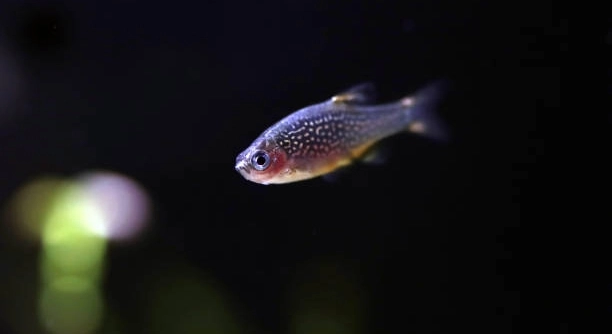
Are your Celestial Pearl Danios spending more time hiding than swimming around your tank? Watching them dart behind decorations or cling to corners can feel worrying, especially when you want to enjoy their bright colors and playful movements.
Celestial Pearl Danios often hide due to stress, poor water conditions, lack of proper hiding spots, illness, aggressive tank mates, sudden changes in environment, or insufficient food. Identifying and addressing these factors can improve their visibility and overall well-being.
Knowing why your fish choose to stay out of sight helps you create a calmer, healthier tank. Small changes can make a big difference in their comfort and activity levels.
Stress in the Tank
Stress is one of the main reasons Celestial Pearl Danios hide. Even small changes in their environment can make them nervous. Loud noises, sudden movements near the tank, or overcrowding can all lead to stress. Stress weakens their immune system, making them more susceptible to illness. Observing your fish closely can help you notice stress behaviors early, like staying in corners, hiding behind plants, or reduced swimming. Maintaining a calm environment with stable lighting and minimal disturbances is important.
Stress can also stem from temperature changes or water quality issues. Sudden fluctuations in heat or pH levels make them uncomfortable.
Providing plenty of plants, caves, and gentle water flow reduces stress significantly. A stable routine, consistent feeding times, and avoiding sudden rearrangements of decorations keep them more confident and active. Stress-free fish are more likely to show their colors, swim freely, and interact naturally with their surroundings. Adjusting tank conditions carefully can help them feel safe.
Poor Water Conditions
Poor water conditions are often linked to hiding behaviors. Even small amounts of ammonia or nitrate can affect health.
Water testing and regular changes are key. Temperature, pH, and cleanliness all need attention.
Water quality is critical for Celestial Pearl Danios. They thrive in clean, stable conditions with moderate pH levels and consistent temperature. Dirty tanks, leftover food, or decaying plants create toxins that stress them out. Testing water weekly and performing partial water changes ensures the environment stays safe. Using a gentle filter helps maintain circulation without stressing the fish. Watching your fish’s behavior gives clues about water health; if they hide frequently or gasp at the surface, water quality is likely an issue. Maintaining optimal water conditions supports their immune system and reduces the risk of disease. It also encourages natural swimming and social behavior. Investing time in keeping water clean improves both their health and your enjoyment of the tank.
Lack of Hiding Spots
Without enough places to hide, Celestial Pearl Danios feel exposed and stay in corners. Plants, rocks, and small caves give them security and reduce stress.
Adding live or artificial plants and decorations with spaces to swim through helps fish feel safe. Hiding spots let them rest, avoid aggressive tank mates, and explore without fear. Grouping decorations in clusters creates shaded areas that replicate their natural environment. Even small caves or ornaments can make a big difference. Observing which areas they prefer can guide future tank arrangements.
When designing the tank, consider both open swimming areas and secluded spots. Too many hiding places can limit swimming space, but too few leaves them stressed. A balance encourages exploration and reduces constant hiding. Rotate decorations occasionally to maintain interest without shocking them. Fish that feel secure will gradually become more visible and active, improving tank dynamics and making it more enjoyable to watch their behaviors.
Aggressive Tank Mates
Celestial Pearl Danios are small and peaceful, making them vulnerable to aggressive tank mates. Conflicts can drive them into constant hiding.
Aggressive fish may chase or nip at them, increasing stress. Keeping compatible species prevents this.
Introducing Danios to a tank with dominant or territorial fish often results in stress and hiding. Even subtle intimidation, like larger fish swimming close or sudden lunges, can cause prolonged retreat into decorations or corners. Proper research on tank mates is essential. Peaceful species like small tetras or rasboras work well with Celestial Pearl Danios. Monitoring interactions and separating aggressive individuals protects their well-being. Overcrowding worsens the problem, as stress and competition for space intensify. Adjusting the tank population and observing behavior daily ensures a calmer environment. Fish that feel safe will spend more time swimming openly, feeding properly, and displaying natural colors.
Sudden Environmental Changes
Sudden changes in light, temperature, or tank layout can make Celestial Pearl Danios hide. They rely on stability to feel secure and may retreat until they adjust.
Even small alterations, like moving decorations or changing lighting schedules, can trigger stress. Gradual adjustments help them adapt without fear.
Illness or Injury
When Danios feel unwell or are injured, hiding is a protective behavior. Illness can make them weak, slow, or less responsive, so retreating is natural. Observing for signs like discoloration, clamped fins, or erratic swimming helps identify health issues early. Proper diagnosis and treatment prevent worsening conditions and promote recovery.
Insufficient Food
If food is scarce, Danios may hide to conserve energy and avoid competition. Feeding consistent amounts at regular times encourages them to be active.
Why is my Celestial Pearl Danio hiding all the time?
Celestial Pearl Danios are naturally shy and can hide frequently if they feel unsafe. Constant hiding is often linked to stress, poor water quality, aggressive tank mates, or sudden changes in the environment. Observing their patterns and adjusting tank conditions helps them feel secure and encourages them to swim more openly.
How can I tell if my Danio is stressed or sick?
Signs of stress or illness include clamped fins, faded colors, erratic swimming, loss of appetite, or frequent hiding. Sick fish may also rub against objects or display labored breathing. Regular monitoring of behavior and water parameters can catch problems early. Prompt action, such as isolating the fish and treating underlying issues, improves recovery chances.
What are the best hiding spots for Celestial Pearl Danios?
Small caves, dense plant clusters, and decorations with tunnels provide ideal hiding spots. Floating plants can create shaded areas, giving a sense of safety. The goal is to replicate their natural environment, allowing them to retreat when stressed while leaving enough open swimming space for activity.
How often should I change water to keep Danios comfortable?
Partial water changes of 20-30% once a week maintain stability and reduce toxins. Testing ammonia, nitrite, nitrate, and pH levels ensures water remains safe. Clean, stable water prevents stress, supports immune function, and encourages normal behavior, including active swimming and feeding.
Can Danios hide because of aggressive tank mates?
Yes, aggressive or territorial fish cause Danios to retreat to corners or plants. Compatibility is essential. Pairing them with peaceful, similar-sized species reduces hiding. Monitoring interactions helps identify any bullying, and separating aggressive individuals ensures all fish remain stress-free.
Does lighting affect their hiding behavior?
Bright or fluctuating lights can make Danios feel exposed. Gentle, consistent lighting encourages normal activity. Using floating plants or dimming lights slightly during the day provides shaded areas that mimic natural conditions, helping them feel safer and reducing constant hiding.
Will they stop hiding if the tank is rearranged?
Sudden rearrangements can increase hiding temporarily. Gradual changes help them adjust without stress. Keeping a mix of open swimming space and secure spots ensures they remain comfortable and active. Observing their response after changes guides future tank modifications.
What should I feed my Celestial Pearl Danios?
High-quality flake, micro-pellets, and occasional frozen or live foods like daphnia and brine shrimp provide balanced nutrition. Feeding small portions two to three times daily prevents competition and ensures all fish get enough food, reducing stress-related hiding behavior.
Do temperature changes cause hiding?
Yes, Celestial Pearl Danios prefer stable temperatures around 22-26°C (72-79°F). Sudden drops or spikes stress them, leading to retreating behavior. Using a reliable heater and thermometer helps maintain consistency, supporting their activity and health.
How can I encourage them to come out more?
Creating a calm, stable environment with proper hiding spots, compatible tank mates, clean water, and regular feeding encourages Danios to explore. Avoid sudden movements, loud noises, and abrupt changes. Over time, they learn the tank is safe and become more visible, showing natural colors and behaviors.
Are there signs they are adjusting well?
Visible signs of adjustment include increased swimming in open areas, exploring decorations, consistent feeding, brighter colors, and social interactions with tank mates. Gradual improvement shows reduced stress and that environmental adjustments are effective. Regular observation ensures any recurring issues are addressed promptly.
How long does it take for Danios to stop hiding?
Adjustment time varies depending on the individual fish, tank conditions, and stress factors. Some Danios may become active within days, while others take weeks. Patience and consistent care with proper water parameters, hiding spaces, and compatible companions promote a safe environment for gradual acclimation.
Can breeding affect their hiding behavior?
During breeding, Danios may become more secretive or retreat to plants and corners. Providing suitable breeding areas with dense plants and shallow zones helps reduce stress. This temporary increase in hiding is natural and generally resolves once the breeding period ends.
Is it normal for some Danios to be shy while others are active?
Yes, individual personality plays a role. Some are naturally cautious and may hide more, while others explore freely. Providing ample hiding spots and a calm environment ensures shy individuals feel safe, and active ones continue their natural behaviors without causing stress.
Does tank size matter for hiding behavior?
Smaller tanks limit swimming space and can increase stress, causing more hiding. Larger tanks with well-placed decorations and plants give Danios both room to swim and secure areas to retreat, balancing activity and comfort. Proper population density also reduces stress and hiding tendencies.
Can I use decorations to reduce hiding?
Yes, carefully placed rocks, caves, and plants provide security without overcrowding. Avoid sharp or cluttered setups that restrict movement. Observing which areas the fish prefer helps optimize placement. A thoughtful layout encourages exploration while maintaining safe retreats.
Are there medications that affect hiding behavior?
Medications for illness can temporarily stress fish, causing hiding. Follow dosing instructions carefully, and maintain clean water to support recovery. Isolating sick fish in a separate tank with hiding spots reduces stress and prevents spreading disease to healthy tank mates.
How important is social behavior for Danios?
Danios are schooling fish and feel safer in groups. Keeping at least six together reduces fear and encourages swimming in open areas. Alone or in too-small groups, they may hide more frequently. Observing interactions ensures a harmonious, stress-free school.
What role does diet variety play in hiding?
A varied diet keeps them healthy and reduces stress-related hiding. Relying on a single food type may cause nutritional deficiencies, weakening them and increasing retreat behaviors. Mixing flakes, pellets, and occasional live or frozen foods ensures proper nutrition.
Can noise or vibration cause hiding?
Yes, sudden household noises, tapping, or vibrations can startle Danios, prompting them to hide. Placing the tank in a quiet, stable location helps them feel secure. Over time, they become more confident as they learn the environment is safe.
Is it normal for hiding behavior to change over time?
Yes, as fish grow, adjust to the tank, or interact with new tank mates, hiding patterns may change. Regular observation helps track these changes, allowing adjustments in tank setup, water quality, and feeding to maintain a healthy, active environment.
How do I balance hiding spots and open swimming areas?
Provide enough plants, caves, and shaded areas for security, while leaving open zones for swimming and social behavior. Too few hiding spots increase stress, while too many limit movement. Observing preferences ensures the balance meets the needs of all fish.
Can seasonal changes affect hiding?
Seasonal shifts in light, temperature, or household activity may influence behavior. Gradual adjustments to lighting and temperature during seasonal transitions help Danios stay comfortable and reduce excessive hiding. Consistency is key to maintaining stability in their environment.
What should I do if hiding continues despite changes?
Persistent hiding may indicate deeper issues like chronic stress, illness, or incompatibility with tank mates. Reviewing water quality, social dynamics, and health is essential. Consulting with an aquatic specialist or veterinarian ensures proper care and helps restore natural behavior.
Is it normal for Danios to hide at night?
Yes, they are less active during low light periods and may rest in plants or caves. This is natural behavior and not a cause for concern as long as they are active and feeding during the day.
How can I monitor hiding without disturbing them?
Use gentle observation from outside the tank or via reflections to avoid startling them. Avoid tapping on the glass or sudden movements. Noting patterns helps identify stressors and improve tank conditions while keeping the fish comfortable.
Can breeding pairs increase hiding in the tank?
Yes, when one pair becomes territorial or protective, others may hide. Providing multiple hiding spots and adequate space reduces stress for non-breeding individuals, maintaining a calmer tank environment and ensuring all fish have secure areas to retreat.
What environmental factors most reduce hiding?
Stable temperature, clean water, compatible tank mates, and well-placed decorations significantly reduce hiding. Consistency in daily care, feeding, and lighting creates a predictable, safe environment where Danios feel comfortable exploring and interacting.
How long do Danios typically hide after moving to a new tank?
Adjustment varies, but most take a few days to weeks. Providing hiding spots, maintaining water parameters, and keeping disturbances minimal accelerates acclimation. Patience is key to allowing them to feel secure and gradually become visible.
Are there behavioral cues that indicate they are ready to come out more?
Signs include swimming closer to open areas, gradually exploring decorations, interacting with tank mates, and feeding without hesitation. Increased activity and brighter colors suggest reduced stress and improved comfort in the environment.
Can adjusting tank temperature improve visibility?
Maintaining a consistent 22-26°C (72-79°F) prevents stress that causes hiding. Avoid sudden changes, as even minor fluctuations can make them retreat. A stable, comfortable temperature supports natural activity, feeding, and schooling behaviors.
Does the number of Danios affect hiding?
Yes, small groups or isolated individuals hide more. Keeping a minimum of six promotes schooling behavior, reduces fear, and encourages exploration. Proper group size balances social interaction with access to hiding spots for security.
Are floating plants helpful for shy Danios?
Yes, floating plants create shaded areas, reduce light intensity, and provide a sense of safety. They allow Danios to hide without feeling trapped, encouraging exploration while still offering protective cover when needed.
How can I tell if hiding is normal behavior or a problem?
Normal hiding occurs intermittently and the fish remain active and feed. Persistent, excessive hiding, faded colors, or loss of appetite indicates stress or illness. Monitoring frequency, behavior, and environmental factors helps determine if intervention is needed.
Do Danios need visual barriers to feel secure?
Yes, visual barriers like plants, rocks, or decorations give them privacy and reduce perceived threats. Strategic placement of these elements allows safe retreats while maintaining space for swimming and social interaction.
How do I encourage shy fish to socialize?
Minimize disturbances, ensure compatible tank mates, maintain clean water, and provide gradual exposure to open areas. Over time, shy fish gain confidence, join schooling activity, and participate in feeding, improving their visibility and interaction.
Can water current affect hiding behavior?
Strong currents may tire Danios and cause them to hide. Gentle filtration provides necessary oxygen and circulation without overwhelming them. Observing swimming patterns helps adjust flow to match their comfort level.
Does diet consistency impact hiding?
Yes, irregular feeding or inconsistent diet may stress them and increase hiding. Providing balanced, scheduled meals reduces anxiety and encourages normal swimming, socialization, and overall well-being.
Are there long-term effects of constant hiding?
Prolonged hiding due to stress or poor conditions can weaken immunity, reduce feeding, stunt growth, and affect social behavior. Addressing underlying causes early supports long-term health, activity, and a more natural display of behavior.
How can I maintain a balance between hiding and exploration?
Provide a mix of safe hiding spots, open swimming areas, stable water parameters, compatible tank mates, and a calm environment. This balance promotes natural activity while allowing security, reducing stress, and encouraging healthy, confident behavior in Celestial Pearl Danios.
What role does routine play in reducing hiding?
Consistent feeding times, regular water changes, and stable lighting create predictability. Danios feel safe knowing what to expect, which reduces stress-related hiding and encourages more visible, active behaviors.
Are there seasonal care tips for Danios to prevent hiding?
Maintain consistent temperature and light cycles, avoid sudden changes, and monitor tank activity during seasonal transitions. Gradual adjustments prevent stress and help fish remain comfortable, active, and visible throughout the year.
Can overstocking lead to excessive hiding?
Yes, overcrowding increases competition for food, space, and hiding spots. Stress rises, and timid individuals may retreat frequently. Proper stocking density ensures comfort, safety, and reduces hiding behavior while supporting healthy social interactions.
Is it normal for Danios to hide after introducing new tank mates?
Yes, initial hiding is a natural response. Shy or smaller fish may take time to assess new companions. Adequate hiding spaces and observing interactions help all fish acclimate without prolonged stress.
How do I prevent hiding when adding decorations?
Introduce decorations gradually and maintain familiar areas for swimming. Observe reactions and adjust placement to provide security without limiting movement. This approach reduces stress and encourages exploration while keeping fish comfortable.
Can a poor diet increase hiding?
Yes, insufficient nutrition weakens immunity and increases stress, causing more retreating behavior. Providing balanced, high-quality food and appropriate feeding amounts keeps them active, healthy, and visible.
Are there mental stimulation methods for Danios?
Adding varied decorations, floating plants, and occasional rearrangements encourages exploration. Introducing small amounts of live or frozen foods stimulates natural hunting behavior, reducing boredom-related hiding and promoting confidence.
Can water hardness affect hiding?
Extreme water hardness may stress Danios, causing retreating behavior. Maintaining moderate levels suited to their species supports comfort, normal activity, and overall health. Regular testing ensures stability and reduces hiding tendencies.
Is hiding more common in younger Danios?
Yes, juveniles are more cautious and rely heavily on hiding for protection. Providing ample secure areas and gentle conditions helps them grow confident and reduces excessive hiding as they mature.
Do Danios hide more during molting or growth periods?
Yes, periods of rapid growth or physical changes increase vulnerability, leading to temporary hiding. Ensuring proper nutrition, safe spaces, and minimal disturbances supports healthy development and reduces stress.
How can I tell if hiding is caused by water quality?
Look for hiding combined with clamped fins, gasping, or lethargy. Testing ammonia, nitrite, nitrate, pH, and temperature can reveal problems. Improving water quality typically results in increased activity and reduced hiding.
Are there ways to make shy Danios more visible gradually?
Encourage exploration by keeping the tank calm, providing hiding options, maintaining water quality, and gradually introducing open areas. Patience and consistent care allow fish to feel safe and become more active over time.
Can tank location affect hiding?
Yes, tanks near heavy traffic, loud noises, or frequent vibrations increase stress. Placing the tank in a quieter, stable area helps Danios feel secure, reducing constant hiding and encouraging natural behavior.
How important is observation for managing hiding behavior?
Regular observation identifies stressors, illness, or environmental issues early. Noting patterns and reactions allows timely adjustments, improving comfort, safety, and activity levels. Consistent monitoring supports long-term health and reduces excessive hiding.
Can stress from breeding pairs affect the entire tank?
Yes, territorial or protective breeding behavior can cause other fish to hide. Providing separate breeding areas or additional hiding spots helps maintain calm and reduces overall stress in the tank.
Are there seasonal lighting tips to reduce hiding?
Maintain consistent light schedules that mimic natural day and night cycles. Gradual changes during seasonal transitions prevent stress, helping Danios stay comfortable, active, and less prone to hiding.
Can I use water flow adjustments to reduce hiding?
Gentle, consistent flow prevents fatigue while providing oxygenation. Avoid strong currents that may force them into corners or decorations. Proper flow encourages swimming and exploration while offering comfort.
Does tank size influence hiding long-term?
Yes, adequate space balances swimming and hiding needs. Too small a tank increases stress and hiding, while too large without sufficient security spots may leave timid fish feeling exposed. A well-planned layout ensures comfort and activity.
How can I balance social interaction and hiding?
Maintain proper school size, compatible tank mates, and sufficient hiding areas. Observing interactions ensures shy fish feel safe, active fish can explore, and all individuals thrive without excessive stress or hiding.
Are there long-term care strategies to prevent hiding?
Maintain stable water quality, proper temperature, compatible companions, sufficient hiding spots, consistent feeding, and minimal disturbances. Regular observation, gradual adjustments, and balanced environmental conditions support confident, active, and healthy Celestial Pearl Danios.
Can enrichment reduce hiding?
Yes, varying decorations, providing live plants, and offering occasional live foods stimulate exploration. Mental and physical engagement helps shy or stressed fish gain confidence and spend more time swimming openly.
Does water chemistry consistency matter for shy fish?
Absolutely, stable pH, hardness, and temperature prevent stress-induced hiding. Frequent testing and gentle adjustments maintain a comfortable environment, promoting natural activity and reducing constant retreating behavior.
Are there signs hiding is due to social hierarchy?
Yes, timid fish may hide behind dominant individuals. Observing schooling patterns, feeding behavior, and interactions helps identify social stress. Adjusting school size or tank layout ensures all fish feel safe and reduces hiding.
Can overfeeding influence hiding?
Yes, excess food can pollute water, raising stress and retreat behaviors. Balanced, measured feeding supports health, clean water, and encourages normal swimming and exploration.
How does tank maintenance impact hiding?
Regular cleaning, water changes, and filter checks prevent toxin buildup and environmental stress. Well-maintained tanks promote comfort, reduce hiding, and encourage natural behaviors, including feeding and social interaction.
Does the number of hiding spots matter?
Yes, too few increase stress, too many limit swimming space. A balanced layout with secure areas and open zones ensures safety, encourages activity, and prevents excessive hiding.
Can seasonal temperature swings affect hiding?
Yes, abrupt seasonal changes can stress Danios. Maintaining consistent temperature and monitoring fluctuations reduces retreating behavior and supports overall well-being.
How can I monitor hiding without disturbing fish?
Use gentle observation from outside the tank or reflections. Avoid tapping or sudden movements. Noting patterns over time helps identify issues and improve tank conditions.
Does tank decoration complexity influence hiding?
Moderate complexity provides security without restricting movement. Overly crowded or sparse setups can increase stress and hiding. Observing preferences ensures decorations meet both safety and exploration needs.
Are there natural ways to reduce hiding?
Stable water, proper schooling, hiding spots, consistent feeding, gentle light, and calm surroundings help Danios feel secure. Natural plant growth and strategic decorations mimic a comfortable environment, reducing retreat behaviors.
Can acclimation methods affect hiding in new tanks?
Yes, slow acclimation to temperature, water chemistry, and lighting reduces initial stress. Gradual introduction allows fish to adjust safely, decreasing prolonged hiding in unfamiliar surroundings.
Do personality differences affect hiding?
Yes, some individuals are naturally cautious. Providing security, observing interactions, and balancing tank layout accommodates shy fish while allowing confident individuals to remain active and explore freely.
How do I know if hiding is improving?
Signs include more frequent swimming in open areas, exploration of decorations, feeding without hesitation, and interaction with tank mates. Gradual increase in visibility indicates reduced stress and comfort in the environment.
Can seasonal light adjustments help shy Danios?
Maintaining predictable light
Celestial Pearl Danios are naturally shy and cautious fish, and hiding is a common behavior. Many factors can influence this, including stress, water conditions, tank mates, and environmental changes. Observing their behavior closely helps you understand why they retreat and allows you to address the underlying causes. Small adjustments to the tank setup, such as adding plants, caves, or shaded areas, can create a sense of security. A calm, stable environment reduces stress and encourages them to explore, swim freely, and interact with other fish. Over time, with consistent care, they may become more visible and active, showing their vibrant colors and natural personality. Understanding their behavior is an important step toward creating a comfortable home for them.
Maintaining proper water quality is essential for keeping Danios healthy and minimizing hiding. Regular water testing, partial water changes, and keeping temperature and pH levels stable prevent stress and illness. Dirty or unstable water can weaken fish and increase hiding behavior, while clean, stable conditions promote confidence and activity. Tank mates also play a role in how comfortable they feel. Peaceful, similarly sized fish reduce intimidation and competition, while aggressive or overly dominant species can lead to constant retreating. By paying attention to both water conditions and social dynamics, you can create a balanced tank where all fish feel safe and able to swim openly. Small changes, such as adjusting water flow, feeding routines, or tank decorations, can make a big difference in how often they leave their hiding spots.
Finally, patience and observation are key when managing Celestial Pearl Danios’ hiding behavior. They adjust at different speeds depending on individual personality, environmental stability, and past experiences. Some may become confident quickly, while others take weeks to explore open areas regularly. Providing consistent care, adequate hiding spots, proper nutrition, and a calm environment helps them feel safe. Observing patterns in swimming, feeding, and interactions with tank mates allows you to notice improvements or identify new stressors. Over time, creating a stable, secure tank encourages natural behaviors, reduces excessive hiding, and supports long-term health. Being attentive to their needs ensures they thrive, giving you a more enjoyable and lively aquarium.

Hello,
If you enjoy the content that we create, please consider saying a "Thank You!" by leaving a tip.
Every little bit helps us continue crafting quality advice that supports the health, happiness, and well-being of pets around the world, for pets of all shapes, sizes, and species.
We really appreciate the kindness and support that you show us!