
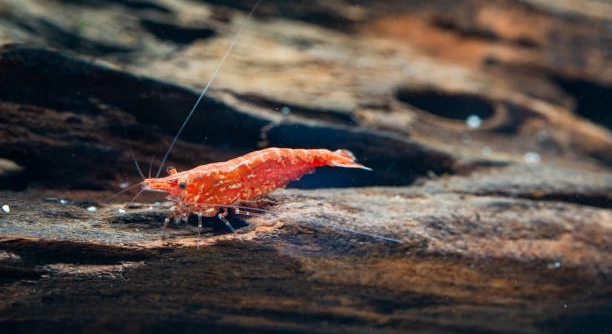
Many shrimp owners notice their pets gathering in one corner of the tank, seeming uninterested in other areas. This behavior can be puzzling and sometimes worrying for those who want a balanced and healthy aquarium environment.
Shrimp often settle in a single tank area due to factors such as water quality, temperature fluctuations, lack of hiding spaces, food distribution, stress from tank mates, illness, or uneven lighting. Each of these factors can significantly influence shrimp movement and behavior.
Understanding why shrimp cluster in one area helps maintain their health and comfort, allowing owners to create a more stable and enjoyable aquarium environment.
Water Quality and Parameters
Maintaining proper water quality is essential for shrimp health. Poor water conditions can drive shrimp to gather in a single area where conditions feel safer or more stable. Parameters such as pH, ammonia, nitrite, and nitrate levels directly impact shrimp comfort. Sudden shifts in these levels can cause stress, prompting shrimp to huddle together. Even minor changes in hardness or alkalinity can make certain areas of the tank more appealing. Regular testing of water parameters helps identify problem spots and prevents shrimp from concentrating in one corner. Filtration also plays a key role, as uneven water flow may create areas of stagnant or excessively strong current. These differences can affect oxygen levels and waste accumulation, influencing shrimp distribution. Temperature variations are equally important. Shrimp are highly sensitive to heat and cold spots. By monitoring and stabilizing the tank environment, owners can encourage more even movement and reduce clustering behavior, promoting overall health and vitality.
Shrimp will often cluster in areas where water feels most stable and comfortable, avoiding sections with poor parameters or rapid fluctuations.
Observing water patterns and testing regularly can prevent health issues and improve shrimp activity, helping them spread more evenly throughout the tank.
Temperature Fluctuations
Shrimp are very sensitive to changes in temperature. Small differences can make certain areas of the tank more comfortable than others.
Even a one- or two-degree difference can cause shrimp to move to areas with more suitable conditions. Tanks placed near windows, heaters, or vents may have uneven temperatures, creating warmer or cooler spots. Inconsistent temperatures can stress shrimp, reducing their activity and appetite. Stable temperatures encourage normal behavior and even distribution. Using reliable heaters, thermometers, and monitoring devices ensures the tank stays within the ideal range for your shrimp species. It is also important to avoid sudden changes during water changes or maintenance, as these can cause temporary clustering in more stable regions. Gradual adjustments and consistent monitoring help shrimp feel secure and promote healthier movement. Ensuring proper circulation also prevents cold or hot zones from forming, maintaining a balanced environment where shrimp are more likely to explore the entire tank rather than staying confined to one section. Consistency is key to creating a comfortable and stress-free habitat for all shrimp.
Lack of Hiding Spaces
Shrimp need places to hide for comfort and safety. Without adequate shelter, they often gather in one area that feels secure, like under plants or decorations.
When tanks lack moss, rocks, or caves, shrimp feel exposed and vulnerable. They tend to stay in areas where they can quickly retreat from perceived threats. Hiding spaces also provide resting spots and reduce stress, helping shrimp behave naturally. Adding more structures encourages them to explore and reduces clustering. Even small additions like leaf litter or driftwood create safer zones, helping shrimp disperse more evenly. This simple adjustment can improve activity and overall well-being.
Providing varied hiding spots allows shrimp to feel secure in multiple areas. It encourages movement and reduces stress-related behavior.
Creating a tank with sufficient cover involves thinking about natural shrimp habitats. Plants, moss, and decorations simulate environments they would seek out in the wild, giving them choices for resting, molting, or feeding. Overcrowded or bare tanks limit options, causing clustering. By carefully arranging hiding spaces and ensuring multiple secure zones, you can prevent all shrimp from gathering in a single corner. Observing their behavior after adding shelters helps identify preferred spots and informs future tank design. Variety in cover also supports healthier social interactions, reduces aggression, and allows shrimp to establish comfortable territories. This approach contributes to a more balanced and lively aquarium.
Uneven Food Distribution
Shrimp often cluster where food is most accessible. Uneven feeding can make one area more attractive, causing repeated gatherings.
If food consistently lands in one spot, shrimp quickly learn to congregate there. Unequal portions in different areas encourage clustering, while some shrimp may be left underfed. Rotating feeding spots or scattering food encourages more natural foraging and balanced distribution. Regular feeding schedules help shrimp know when and where to find food, reducing stress and competition. Different food types like flakes, pellets, or algae wafers can be used in various tank zones to promote even movement. Observing shrimp while feeding provides insight into their preferences and ensures all individuals get adequate nutrition. Even subtle adjustments can create a healthier feeding dynamic, preventing overcrowding in a single area and encouraging exploration of the entire tank.
Stress from Tank Mates
Aggressive or overly active tank mates can stress shrimp, forcing them to gather in safer areas.
Even passive fish may intimidate shrimp during feeding or exploration. Clustering is a natural response to reduce risk and stay out of reach.
Illness or Molting
Shrimp that are sick or molting often isolate themselves. Weakness, lethargy, or vulnerability during molting drives them to stay in one area. Observing for unusual behavior, discoloration, or missing limbs can help identify health issues early. Providing calm, stable conditions supports recovery and reduces clustering.
Lighting Conditions
Bright or uneven lighting can make shrimp prefer shaded or dimmer areas. They often settle where light is gentle and comfortable, avoiding direct glare or overly illuminated zones.
Why are my shrimp all staying in one corner of the tank?
Shrimp often gather in one corner when conditions in the tank feel safer or more comfortable. Factors such as uneven temperature, water quality, lack of hiding spaces, or stress from tank mates can influence where they settle. Observing their environment and checking parameters can help pinpoint the reason.
How do water parameters affect shrimp behavior?
Shrimp are sensitive to pH, ammonia, nitrite, and nitrate levels. Even minor fluctuations can cause stress, leading them to cluster in areas with more stable conditions. Regular testing and maintaining stable water parameters prevent this behavior and support overall shrimp health and activity.
Can temperature differences make shrimp cluster?
Yes. Shrimp respond to temperature fluctuations and often move to areas that feel most comfortable. Uneven heating from heaters, windows, or vents can create warmer or cooler zones. Stabilizing tank temperature and ensuring even heat distribution encourages more even movement throughout the tank.
Do hiding spaces influence where shrimp stay?
Absolutely. Shrimp feel safer with places to hide, especially when they are molting or stressed. A tank with few plants, moss, or decorations forces them to cluster in areas that provide shelter. Adding varied cover encourages exploration and helps them spread more evenly.
Could food placement cause shrimp to gather?
Yes. Shrimp quickly learn where food is available. If feeding consistently occurs in one area, they will cluster there. Scattering food or using multiple feeding spots encourages natural foraging and reduces overcrowding in a single corner. Rotating food types also keeps shrimp active.
Does stress from other tank inhabitants affect shrimp behavior?
Stress from aggressive or overly active fish can force shrimp to stay in safer areas. Even non-aggressive tank mates may intimidate shrimp during feeding or exploration. Providing calm conditions, adequate hiding spaces, and compatible species reduces stress and prevents clustering.
Are illness or molting times a reason for clustering?
Yes. Sick shrimp or those molting often isolate themselves to feel safe. Molting makes them vulnerable, while illness can reduce energy or mobility. Monitoring shrimp for discoloration, unusual behavior, or missing limbs helps detect problems early and supports recovery in secure areas.
Can lighting conditions influence shrimp movement?
Bright or uneven lighting can cause shrimp to prefer dimmer areas. They often avoid direct glare or intensely lit sections. Adjusting lighting intensity, adding shaded spots, and maintaining gradual light transitions encourages shrimp to explore more of the tank evenly.
How can I encourage shrimp to move more evenly in the tank?
Ensuring stable water parameters, even temperature, and consistent feeding helps balance movement. Adding hiding spaces, adjusting lighting, and reducing stress from other tank inhabitants promotes exploration. Observing behavior over time allows small adjustments to create a healthier, more dynamic environment for all shrimp.
When should I be concerned about clustering?
Occasional clustering is normal, but prolonged gathering in one spot may indicate stress, poor water conditions, or health issues. Frequent monitoring of behavior, water quality, temperature, and tank setup helps identify and resolve problems before they affect shrimp health.
Do different shrimp species behave differently in clusters?
Yes. Some species are naturally more social, while others are shy and prefer hiding. Understanding the specific needs and tendencies of your species allows better tank arrangement and helps prevent excessive clustering, ensuring all shrimp remain active and healthy.
Will adding more decorations or plants help reduce clustering?
Adding plants, moss, or decorations creates multiple safe zones, encouraging shrimp to explore instead of gathering in one area. Variety in hiding spots and resting places supports natural behaviors, reduces stress, and promotes even distribution throughout the tank.
How often should I check water and temperature to prevent clustering?
Frequent checks, ideally weekly or more often after maintenance, help maintain stable conditions. Monitoring pH, ammonia, nitrite, nitrate, and temperature ensures the tank remains comfortable, reducing stress-induced clustering and promoting healthier, more active shrimp behavior.
Can changing the tank setup too often cause shrimp to cluster?
Yes. Frequent rearrangements or sudden changes in water parameters, lighting, or decorations can stress shrimp. Gradual adjustments allow them to adapt and explore the entire tank rather than staying confined to one perceived safe area.
Are there any signs that clustering is due to health problems?
Shrimp that are lethargic, discolored, have missing limbs, or stop eating may be ill. Clustering with these symptoms often indicates health concerns. Early detection and proper care, including checking water quality and isolation if needed, can prevent serious issues and promote recovery.
Does tank size affect clustering behavior?
Smaller tanks may naturally lead to shrimp staying closer together, but even in larger tanks, poor conditions, limited hiding spaces, or uneven food distribution can cause clustering. Ensuring enough space, hiding spots, and balanced feeding helps shrimp move freely and reduces concentration in one corner.
Can temperature or water flow improvements alone stop clustering?
They can help, but clustering usually results from multiple factors. Combining stable temperature, proper water parameters, even food distribution, adequate hiding spaces, and calm tank mates is the most effective approach to encourage shrimp to spread evenly throughout the tank.
Shrimp clustering in one area of a tank is a behavior many owners notice, and it usually signals that something in the environment is affecting their comfort. While it can seem worrying at first, understanding the reasons behind this behavior helps create a healthier and more balanced habitat. Water quality, temperature, hiding spaces, food distribution, lighting, and stress from other tank inhabitants all play a role. Even small changes in one of these factors can lead shrimp to gather where they feel safest. Paying close attention to these conditions and making adjustments as needed can reduce clustering and support more natural, active behavior.
One of the most important aspects to consider is water quality. Shrimp are highly sensitive to pH, ammonia, nitrite, and nitrate levels. A sudden increase in ammonia or nitrite, for example, can push shrimp to move toward areas where water feels safer, often leaving parts of the tank unoccupied. Similarly, temperature fluctuations or uneven water flow can create spots that are either too warm, too cold, or lacking sufficient oxygen. Adding reliable heaters, thermometers, and filtration helps maintain a stable environment. Checking water regularly and keeping parameters consistent is one of the simplest ways to ensure shrimp feel secure throughout the entire tank.
Providing adequate hiding spaces and distributing food evenly are equally important. Shrimp naturally seek shelter when they are stressed or molting, and a tank with limited moss, plants, or rocks can force them to congregate in one corner. Adding decorations or plants creates multiple secure areas and encourages movement. Feeding also influences behavior; shrimp learn quickly where food is available and tend to cluster there if feeding is always done in one spot. By scattering food or using multiple feeding zones, you can encourage more natural foraging and balanced distribution. When combined with careful monitoring of lighting, tank mates, and overall conditions, these adjustments create an environment where shrimp are active, healthy, and spread evenly, allowing them to display normal behavior and thrive.

Hello,
If you enjoy the content that we create, please consider saying a "Thank You!" by leaving a tip.
Every little bit helps us continue crafting quality advice that supports the health, happiness, and well-being of pets around the world, for pets of all shapes, sizes, and species.
We really appreciate the kindness and support that you show us!