
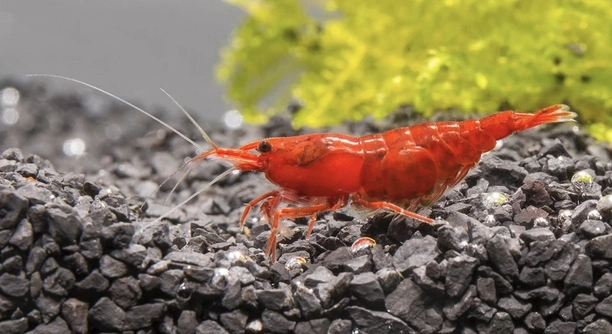
Many shrimp keepers enjoy watching their tanks flourish, but sometimes populations grow faster than expected. Managing shrimp numbers early helps maintain a healthy and balanced environment, ensuring every shrimp has enough space and resources to thrive.
Shrimp overpopulation occurs when the number of shrimp in a confined environment exceeds its carrying capacity. This leads to competition for food, reduced water quality, increased stress, and higher susceptibility to disease, which can negatively impact overall shrimp health and growth.
Monitoring tank conditions and observing shrimp behavior can prevent serious problems, helping your shrimp community remain vibrant and balanced for the long term.
Rapid Population Growth
Shrimp can reproduce very quickly under the right conditions. In a small tank, this rapid growth can easily lead to overcrowding. I noticed my own tank going from a manageable group to dozens within a few months. When shrimp multiply this fast, food becomes scarce, and water quality starts to drop. Overcrowding also increases stress levels among shrimp, which can make them more prone to disease. Observing their behavior early helps you act before the population reaches a critical point. Keeping track of breeding patterns and adjusting feeding routines can slow down population growth. Providing plenty of hiding spaces and plants can also reduce stress, but it won’t solve overpopulation entirely. Removing some shrimp or upgrading tank size becomes necessary if numbers keep rising. Ignoring the signs can quickly turn a healthy tank into a struggling one, which is stressful for both the shrimp and the keeper.
Rapid population growth can affect both water quality and shrimp health in just a few weeks.
Managing growth requires constant observation, selective breeding, and occasional thinning to maintain a healthy, balanced tank environment for all shrimp.
Competition for Food
Shrimp will fight for food when resources are limited.
In an overpopulated tank, smaller shrimp often struggle to get enough nutrition, leading to slower growth and weaker immune systems. I noticed that some of my younger shrimp were missing meals entirely while the more dominant ones thrived. Uneven access to food can lead to a population that is unhealthy overall, which is frustrating after putting effort into their care. Feeding more frequently or using specialized feeding stations can help, but it is only a temporary fix. Eventually, reducing the number of shrimp or dividing them into another tank becomes necessary. Overcrowding also leads to more waste, which further reduces water quality and increases the need for frequent water changes. Plants and hiding spots can reduce aggressive food competition slightly, but monitoring each shrimp’s condition is key. Ensuring that all shrimp get proper nutrition will maintain growth, color, and vitality. Regular observation of feeding habits can prevent serious health issues before they occur.
Stressed Shrimp
Shrimp show stress in subtle ways, like hiding more or moving slowly. In my tank, stressed shrimp seemed less active and occasionally lost color.
Stress increases quickly in crowded tanks because shrimp compete for space, food, and oxygen. I noticed that stressed shrimp often stayed in corners or under decorations, avoiding open areas. Their movements became jerky, and molting took longer than usual. Over time, stress weakens the immune system, making shrimp more susceptible to disease. Maintaining proper water parameters and giving them plenty of hiding spaces can reduce stress, but overcrowding remains the main issue. Watching shrimp behavior daily helps catch early signs of stress before serious health problems appear. Simple steps like adjusting feeding schedules and ensuring clean water made a noticeable difference in my tank’s overall calmness.
Stress in shrimp is closely tied to environment, population density, and food availability, which all need careful management.
Molting Issues
Shrimp often face molting problems when tanks are overcrowded, resulting in incomplete or failed molts.
I observed that many of my shrimp stopped molting on a regular schedule when numbers increased. They struggled to shed their old exoskeletons, and some got stuck partially molted, which can be fatal. Molting requires calcium and a stable environment, but overcrowding causes competition and stress, reducing access to food and proper nutrients. Young shrimp are especially vulnerable because they are smaller and weaker. Overcrowded conditions also lead to more injuries during molts, as shrimp bump into each other or get trapped in plants. Regular water changes and monitoring calcium levels helped somewhat, but the only long-term solution was reducing the population.
Incomplete molts and stress from overcrowding can stunt growth, decrease survival rates, and affect overall shrimp coloration and health, making population management essential.
Reduced Water Quality
Overpopulation quickly affects water quality. I noticed my tank’s ammonia and nitrite levels rising even with regular water changes.
Waste accumulates faster than filtration can handle. Uneaten food and extra shrimp produce more toxins, making the water less safe for everyone.
Uneven Growth
In crowded tanks, shrimp do not grow evenly. Smaller shrimp often lag behind because dominant shrimp get the best food.
I saw some of my younger shrimp remain tiny while others quickly reached full size. This uneven growth creates an unbalanced tank population and can make it harder to maintain overall health. Careful monitoring and occasional thinning helped improve growth patterns in my tank.
Increased Disease Risk
Overcrowded conditions make shrimp more prone to disease. High stress and poor water quality lower immunity, allowing infections to spread quickly.
How can I tell if my shrimp tank is overpopulated?
Overpopulation is often visible in behavior and tank conditions. I noticed shrimp fighting over food, hiding more, or moving sluggishly. Water quality also declined quickly, with higher ammonia, nitrite, and nitrate levels. Uneven growth among shrimp is another common sign. Regularly counting your shrimp and observing daily behavior helps identify overpopulation early.
What are the risks of keeping too many shrimp in one tank?
Overcrowding increases stress, reduces growth rates, and raises the likelihood of disease spreading. I learned the hard way that even with proper care, a densely populated tank can quickly deteriorate. Poor water quality, competition for food, and limited hiding spots combine to create an environment where shrimp struggle to thrive. Molting issues become more frequent, and young shrimp are often the most affected.
Can I fix overpopulation without removing shrimp?
Some measures help temporarily, but long-term solutions usually require reducing numbers. I tried adding extra hiding spaces, feeding more frequently, and upgrading filtration. These steps eased stress slightly but did not solve uneven growth or molting problems. Occasional water changes and careful monitoring can improve conditions temporarily, but if shrimp numbers continue to rise, relocating or thinning becomes necessary.
How often should I monitor shrimp behavior and water quality?
Daily observation is ideal. I check shrimp activity, feeding patterns, and water clarity every day. Testing ammonia, nitrite, nitrate, and pH at least weekly keeps conditions stable. Overcrowded tanks can change quickly, and catching problems early prevents major health issues. Logging observations helps track trends and decide when action is needed.
What methods can help control shrimp population?
Selective breeding and separating males from females can slow growth. I separated some adult shrimp into another tank to balance numbers. Partial harvests or selling excess shrimp also work. Avoid overfeeding, as extra food encourages faster reproduction. Maintaining a slightly larger tank with ample hiding spots reduces stress and prevents aggressive competition.
Are there any signs that indicate immediate action is needed?
Yes. I acted immediately when I saw multiple shrimp struggling to molt, sick or dying individuals, and water parameters outside safe ranges. Constant fighting over food or excessive hiding is also a warning. Immediate partial removal of shrimp or improved filtration and water changes can prevent rapid decline.
Does tank size affect overpopulation risk?
Absolutely. Smaller tanks fill up quickly and cannot support large numbers. I learned that even moderate populations in a 10-gallon tank stressed the shrimp. Bigger tanks provide more space, better water stability, and allow hiding areas, which reduces stress and disease risk. Population density should always match tank volume and filtration capacity.
Can adding plants or decorations help with overpopulation?
Yes, but only partially. Plants and hiding spots give shrimp safe spaces, which reduces aggression and stress. I added moss and small caves, and it improved activity and reduced injuries. However, decorations do not reduce the number of shrimp or prevent food competition, so they are a supportive measure rather than a solution.
What role does feeding play in managing population effects?
Feeding properly prevents malnutrition in overpopulated tanks. I divided food into multiple small portions throughout the day, ensuring all shrimp had access. Overfeeding can worsen water quality, while underfeeding leads to competition. Balanced nutrition supports molting, growth, and immunity, helping shrimp cope with higher population densities.
How do I maintain shrimp health if my tank is overpopulated?
Frequent water changes, careful feeding, and monitoring behavior are key. I also remove sick shrimp quickly to prevent disease spread. Aeration and filtration must be adequate, and hiding spaces should be plentiful. Even temporary measures help shrimp survive until the population can be managed properly, ensuring growth and overall vitality.
Managing shrimp populations requires careful attention and consistent care. Overpopulation is a common issue that can sneak up on even experienced keepers. When there are too many shrimp in a tank, problems like poor water quality, stress, and uneven growth start to appear. In my experience, the first signs are subtle, like shrimp hiding more than usual or young shrimp growing slower than the adults. Ignoring these signs can lead to bigger issues, including disease outbreaks or failed molts, which can be fatal. Maintaining a balanced population helps ensure that every shrimp has enough space, food, and access to clean water, which is essential for their health and long-term survival. Simple actions, like observing daily behavior and counting your shrimp regularly, can prevent overpopulation before it becomes a serious problem.
Adjusting your tank setup can also make a difference. Adding plants, moss, and decorations gives shrimp places to hide, reducing stress and aggressive behavior. While these measures do not reduce the number of shrimp, they help maintain calmer conditions and give smaller or younger shrimp a better chance to thrive. Proper filtration and aeration are also important because overcrowded tanks produce more waste, which can quickly affect water quality. In my own tanks, I found that frequent water changes, careful feeding, and monitoring key water parameters like ammonia, nitrite, nitrate, and pH significantly improved shrimp activity and health, even when populations were temporarily high. Feeding smaller portions multiple times a day ensures that all shrimp get proper nutrition without overloading the water with leftover food, which also helps slow the negative effects of overcrowding.
Ultimately, controlling shrimp numbers is the most effective way to maintain a healthy tank. I learned that temporary solutions, such as adding more hiding spaces or increasing feeding, can help, but long-term success comes from managing population density. This may involve moving some shrimp to another tank, selectively breeding, or removing excess individuals. Keeping population growth under control allows shrimp to grow evenly, molt properly, and remain strong and vibrant. By paying attention to their behavior, monitoring water quality, and taking action when needed, you can create a stable and thriving environment for your shrimp. A well-managed tank not only supports the health of every shrimp but also makes caring for them easier and more rewarding.

Hello,
If you enjoy the content that we create, please consider saying a "Thank You!" by leaving a tip.
Every little bit helps us continue crafting quality advice that supports the health, happiness, and well-being of pets around the world, for pets of all shapes, sizes, and species.
We really appreciate the kindness and support that you show us!