
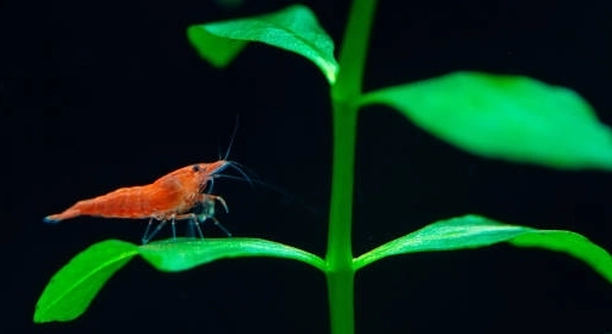
Shrimp are small, delicate creatures often seen scuttling along the bottom of aquariums and streams. They move carefully, seeking places that offer shelter and safety. Leaf litter provides a natural cover where shrimp can feel protected.
Shrimp spend time under leaf litter primarily for protection, foraging, and environmental stability. The leaf layer offers concealment from predators, a source of detritus and microorganisms for food, and a stable microhabitat that supports hydration and temperature regulation.
Observing shrimp under leaves reveals behaviors linked to survival, feeding, and comfort in their aquatic surroundings. These simple habits play an important role in their daily life and ecosystem.
Reasons Shrimp Seek Shelter Under Leaf Litter
Leaf litter creates a natural refuge for shrimp. These tiny creatures instinctively move toward areas that offer protection from larger predators. Beneath the leaves, shrimp can hide while remaining close to food sources. The litter also supports a microhabitat rich in microorganisms, which shrimp feed on throughout the day. By staying under leaves, they conserve energy and reduce stress from constant exposure in open spaces. In addition, the leaf layer moderates water temperature and provides shaded areas that help maintain hydration. This combination of safety, nourishment, and environmental stability makes leaf litter an essential part of a shrimp’s habitat. Over time, shrimp develop behaviors that rely on this natural cover, moving cautiously and exploring only when the surroundings feel secure. Observing these habits highlights how even small details in their habitat can significantly affect their overall health and activity levels.
Leaf litter is crucial for shrimp protection and consistent access to food in their environment.
Shrimp interact with leaf litter daily, often climbing, scraping, and nibbling on the decomposing material. These actions not only provide nutrition but also contribute to the breakdown of organic matter in their habitat. The detritus and biofilm that form on the leaves supply essential nutrients, helping shrimp maintain energy and proper growth. Leaf litter also encourages natural social behaviors, as multiple shrimp can share the same sheltered areas without excessive conflict. Even during molting, shrimp rely on the leaves for safety and a stable environment to complete the process successfully. By observing shrimp closely, it becomes clear that leaf litter supports both physical well-being and behavioral needs. Providing such structures in home aquariums ensures shrimp can maintain natural habits, remain active, and thrive in a more balanced ecosystem.
Feeding and Environmental Benefits of Leaf Litter
Shrimp gain nutrients from microorganisms growing on decomposing leaves. This natural food source complements other feeding options and encourages healthy foraging behavior.
The presence of leaf litter in aquatic habitats offers more than just protection. It serves as a continuous source of nutrition, as biofilms, algae, and tiny invertebrates colonize the surface. Shrimp feed by scraping these layers, which supports digestion and provides essential proteins and minerals. Additionally, the leaves help stabilize water quality by slowly releasing tannins and organic compounds that can buffer pH levels and create a slightly acidic environment favored by many freshwater shrimp species. Leaf litter also contributes to oxygen levels by promoting microbial activity and breaking down waste, indirectly maintaining a cleaner habitat. This environmental support allows shrimp to remain active, healthy, and engaged with their surroundings, while also reducing stress from drastic changes in water conditions. In both natural and captive habitats, incorporating leaf litter ensures shrimp have access to food, shelter, and a stable ecosystem, enhancing their longevity and natural behavior.
Leaf Litter as a Protective Habitat
Leaf litter provides a secure environment for shrimp to hide from predators. It offers shaded areas and nooks where they can remain mostly unseen while resting or foraging, reducing stress and increasing their chances of survival in both natural and aquarium habitats.
Shrimp use leaf litter for daily activities such as grazing on biofilm and tiny organisms growing on the leaves. The litter acts as a buffer against sudden changes in water conditions, including temperature fluctuations and minor disturbances. By staying among the leaves, shrimp conserve energy and avoid unnecessary exposure to open water, which could make them vulnerable. The microhabitat created by decomposing leaves encourages natural behaviors, allowing shrimp to interact with their surroundings safely. This shelter supports feeding, molting, and general movement, ensuring they maintain a healthy and active lifestyle.
The leaf litter also plays a role in molting. Shrimp frequently retreat under leaves during this process to avoid predators while they are vulnerable. The textured surface of the leaves provides a stable area to grip, helping them shed their old exoskeleton safely. This repeated behavior demonstrates how essential these small structures are for shrimp survival, health, and natural activity patterns. Over time, shrimp adapt to environments with consistent leaf litter, showing clear preference for areas that offer both safety and access to resources.
Leaf Litter and Water Quality
Decomposing leaf litter gradually releases tannins into the water, creating slightly acidic conditions that many shrimp species prefer. This process also supports microbial communities that contribute to nutrient cycling in the habitat.
The presence of leaf litter influences water quality in multiple ways. As the leaves break down, they supply dissolved organic compounds that nourish beneficial bacteria. These bacteria help maintain a balanced ecosystem by processing waste and preventing harmful spikes in ammonia or nitrite. Leaf litter also encourages slower water movement near the substrate, allowing particles to settle and improving overall clarity. Tannins released during decomposition can reduce pH slightly, creating favorable conditions for certain shrimp species. In aquariums, this mimics natural habitats where leaves and detritus accumulate on the bottom, providing both chemical and physical benefits that enhance shrimp health and longevity.
Leaf Litter Encourages Natural Foraging
Shrimp explore leaf litter to find microorganisms, algae, and detritus. This constant activity keeps them engaged and provides essential nutrients needed for growth and energy.
Leaf litter creates multiple surfaces for biofilm to grow. Shrimp graze on these areas, which helps maintain their digestive health and supports natural feeding habits consistently.
Shelter During Molting
Shrimp retreat under leaves while molting to stay safe. The leaves provide stability and protection, reducing stress and vulnerability during this delicate process.
Leaf Litter Supports Social Interaction
Shrimp often gather around the same leaf clusters, which encourages gentle interaction and reduces aggressive encounters. The shared space allows multiple shrimp to coexist comfortably while feeding and resting.
FAQ
Why do shrimp hide under leaves so often?
Shrimp hide under leaves primarily for safety and comfort. The leaf litter gives them shelter from predators, shaded areas to rest, and a place to feel secure while feeding. These spaces also reduce stress caused by constant exposure in open water, which helps shrimp remain active and healthy over time.
Do all shrimp species use leaf litter the same way?
Not all shrimp species interact with leaf litter identically. Freshwater shrimp like cherry shrimp and Amano shrimp rely heavily on leaves for protection and food. Some tropical species may use other types of shelter, such as plants or rocks, but leaf litter is generally favored for its combination of concealment, microhabitat stability, and abundant microorganisms for grazing.
Can leaf litter improve shrimp health?
Yes, leaf litter improves shrimp health by providing a natural food source through biofilm and tiny organisms. It also helps maintain water quality by releasing tannins and supporting beneficial bacteria. This creates a stable environment that reduces stress and encourages natural behaviors, which contributes to overall well-being.
How often should I add leaf litter to my aquarium?
The frequency depends on the size of your tank and the shrimp population. A small layer can last several weeks before fully decomposing. It’s best to monitor the litter’s condition and replace it gradually to ensure continuous food supply and shelter, avoiding sudden changes that could disrupt water chemistry.
Is leaf litter necessary if I provide other hiding spots?
While other hiding spots like plants, rocks, or caves are helpful, leaf litter adds nutritional and environmental benefits that artificial shelters cannot replicate. Shrimp graze on biofilm that naturally develops on leaves, and the litter supports microbial communities that help maintain water balance, making it a valuable addition even with other shelters present.
Do shrimp prefer fresh leaves or dried leaves?
Dried leaves, such as Indian almond leaves, are typically preferred because they decompose slowly and release beneficial tannins. Fresh leaves may decay too quickly, sometimes affecting water quality. Dried leaves also provide a textured surface for biofilm growth, which encourages natural foraging and supports shrimp health over a longer period.
Can leaf litter affect water chemistry negatively?
Leaf litter generally has a positive effect, but excessive amounts may slightly lower pH or cloud water. It’s important to use moderate amounts and monitor water parameters. Gradual decomposition stabilizes conditions and promotes beneficial microbial activity, but sudden additions of large quantities can create temporary imbalances in smaller tanks.
Do shrimp eat the leaves themselves?
Shrimp mainly graze on the biofilm, algae, and microorganisms growing on the leaves rather than the leaves themselves. Over time, small portions of the leaf may be broken down as shrimp forage, which also contributes to the decomposition process and nutrient cycling in the tank.
How does leaf litter affect shrimp behavior?
Leaf litter encourages natural behaviors such as hiding, grazing, and gentle social interaction. Shrimp feel safer under leaves, reducing stress-related behaviors like frantic swimming or excessive hiding in corners. The litter also provides areas for molting, allowing shrimp to shed their exoskeletons safely while remaining partially concealed.
Can leaf litter be used in both freshwater and brackish shrimp tanks?
Yes, leaf litter can be used in freshwater and mild brackish environments, as long as the leaves are compatible with the water parameters. In brackish tanks, decomposition may occur slightly faster, so monitoring water quality and replacing leaves as needed ensures shrimp continue to benefit from the shelter and natural grazing surfaces.
What types of leaves are best for shrimp tanks?
Leaves such as Indian almond, oak, and beech are commonly recommended. These leaves decompose slowly, release beneficial tannins, and support biofilm growth. Each type has slightly different properties, but all provide shelter, feeding surfaces, and contribute to a stable microhabitat that supports shrimp activity and health.
How can I clean leaf litter without removing beneficial biofilm?
Rinse leaves gently in tank water or dechlorinated water to remove debris without disturbing the biofilm too much. Avoid harsh scrubbing or chemicals, as these can damage the microbial layer that shrimp rely on for food. Gradual replacement with fresh leaves is better than full removal at once, preserving both shelter and nutrition.
Will leaf litter attract other organisms to the tank?
Yes, leaf litter naturally attracts microorganisms, tiny invertebrates, and biofilm, which are all beneficial for shrimp. These organisms provide extra food and help maintain a balanced ecosystem. However, it may also attract detritivores like snails, which can coexist without harming shrimp and often contribute positively to tank cleanliness.
Can I combine leaf litter with other decorations?
Absolutely. Leaf litter works well alongside rocks, driftwood, and live plants. The combination enhances both shelter and feeding opportunities while creating varied microhabitats. This allows shrimp to exhibit more natural behaviors, reduces stress, and improves overall activity and health within the tank.
How long does leaf litter last in a tank?
The lifespan of leaf litter depends on thickness, type, and tank conditions. Indian almond leaves may last four to six weeks, while softer leaves decompose faster. Regular monitoring ensures shrimp always have access to fresh biofilm and shelter, maintaining a stable environment without compromising water quality.
Does leaf litter help baby shrimp survive?
Yes, baby shrimp, or shrimplets, benefit from leaf litter because it provides protection from predators and gentle surfaces to graze on biofilm. The shaded areas and microhabitats under leaves reduce stress, support feeding, and create a safer environment for molting, improving survival rates and overall development in the early stages of life.
Can leaf litter reduce stress in shrimp?
Leaf litter reduces stress by providing hiding places, shaded areas, and stable microhabitats. Shrimp feel more secure when they can retreat under leaves, which supports normal activity levels and reduces behaviors associated with fear or discomfort. Stress reduction contributes to better health, growth, and resilience against environmental changes.
What is the best way to introduce leaf litter to an established tank?
Start by adding a small layer of dried leaves gradually. Observe shrimp behavior and water parameters closely. Over time, you can increase the amount, allowing biofilm and microbial communities to establish naturally. Gradual introduction ensures minimal disturbance and helps shrimp adapt to the new environment while maintaining water stability.
Can leaf litter prevent algae overgrowth?
Indirectly, yes. Leaf litter provides surfaces for shrimp grazing, which reduces algae growth on leaves and nearby surfaces. The biofilm that develops encourages shrimp to feed on microorganisms rather than letting algae dominate, helping maintain a balanced and clean tank ecosystem.
How often should old leaf litter be removed?
Remove leaves when they become overly soft, moldy, or fully decomposed. Gradual replacement is best to avoid disrupting beneficial biofilm and microbial activity. This keeps water conditions stable and ensures shrimp always have shelter, feeding surfaces, and a safe space to carry out natural behaviors.
Are there any risks of using leaf litter?
The main risks are pH drops or cloudy water if too many leaves are added at once. Moderation and monitoring prevent these issues. Using natural, dried leaves ensures slow decomposition, consistent benefits, and minimal impact on water chemistry while supporting shrimp health and natural behaviors.
Can leaf litter influence breeding in shrimp?
Leaf litter positively influences breeding by providing safe, shaded areas for female shrimp and shrimplets. The abundance of biofilm and microorganisms supports energy needs for reproduction. Shaded, secure spaces reduce stress during egg carrying and molting, creating favorable conditions for successful breeding and higher survival rates of offspring.
Does leaf litter affect water hardness?
Leaf litter may slightly soften water over time due to the release of organic acids, depending on the leaf type. This effect is usually minor but can benefit species that prefer softer water. Monitoring water parameters ensures conditions remain suitable for shrimp health while gaining the advantages of natural leaf decomposition.
How do I know if shrimp are using the leaf litter properly?
Shrimp will be observed hiding, grazing, and molting among the leaves. Active interaction, such as climbing over leaves and nibbling on biofilm, indicates they are benefiting. A healthy shrimp population shows consistent use of litter, with minimal stress behaviors and stable activity levels throughout the tank.
Is it better to use single or mixed leaf types?
Both approaches work, but a mix offers varied textures, decomposition rates, and nutrient sources. Mixed leaves create richer microhabitats and encourage more diverse microbial communities. Shrimp benefit from the combination of surfaces, food sources, and shelter, making the tank environment more natural and supportive.
Do shrimp leave any marks on the leaves?
Shrimp leave small grazing marks and scratches as they feed on biofilm and microorganisms. These markings are harmless and indicate healthy feeding behavior. Over time, this process also contributes to the breakdown of leaves, adding nutrients back into the tank and supporting ongoing microbial growth.
Can leaf litter be sterilized before use?
Sterilization is generally unnecessary and can remove beneficial microorganisms. If cleaning is needed, a gentle rinse in dechlorinated water is sufficient. Preserving the natural biofilm ensures shrimp have access to nutrients and maintains the microhabitat that supports feeding, shelter, and safe molting areas.
How does leaf litter impact oxygen levels?
Leaf litter slightly influences oxygen levels by providing surfaces for microbial activity. Decomposition consumes oxygen locally but encourages water movement and microbial balance. Proper tank aeration prevents significant oxygen depletion, ensuring shrimp continue to thrive while benefiting from the shelter and feeding surfaces provided by leaves.
Does leaf litter attract pests?
Leaf litter may attract snails or other harmless detritivores, which often coexist with shrimp. These organisms can contribute positively by cleaning debris and helping maintain a balanced ecosystem. With proper monitoring, pest issues are minimal, and shrimp continue to benefit from the added food and shelter provided by leaves.
Can leaf litter be used in planted tanks?
Yes, leaf litter works well in planted tanks. It enhances microbial activity, provides grazing surfaces for shrimp, and does not harm plants when used moderately. The combination of leaves and live plants creates varied microhabitats, supporting natural shrimp behavior and promoting a balanced, healthy aquarium ecosystem.
How do I remove leaf litter without disturbing shrimp?
Remove small amounts gradually, using tank water to rinse if necessary. Avoid abrupt removal or deep cleaning that could stress shrimp or destroy biofilm. Gradual replacement ensures continuous shelter and feeding surfaces, preserving shrimp comfort and maintaining stable environmental conditions.
Are all leaves safe for shrimp?
Not all leaves are safe. Avoid chemically treated, glossy, or toxic plant material. Stick to natural, dried leaves like Indian almond, oak, or beech. Safe leaves decompose slowly, release beneficial compounds, and provide biofilm for grazing, supporting shrimp health and natural behaviors without harming water quality.
Can leaf litter reduce aggression among shrimp?
Yes, the shelter and extra surfaces help disperse shrimp and reduce conflicts. Leaves provide multiple hiding spots and grazing areas, allowing shrimp to avoid direct competition. This promotes calmer interactions, lowers stress, and encourages natural social behaviors within the tank.
How should I store leaves before using them?
Keep leaves in a dry, cool place away from direct sunlight. Proper storage prevents mold and degradation, ensuring leaves remain suitable for tank use. Dried, well-stored leaves maintain their structure, nutrients, and ability to support biofilm growth when added to shrimp habitats.
Do shrimp prefer thicker or thinner leaves?
Shrimp can use both, but thicker leaves provide more stable surfaces for hiding and molting, while thinner leaves decompose faster and provide abundant biofilm. Combining both types offers a balance of shelter, feeding opportunities, and nutrient availability.
How does leaf litter affect tank aesthetics?
Leaf litter adds a natural, earthy look to aquariums. While some may see it as messy, it creates a more authentic habitat that supports shrimp health. The visual effect also complements plants, driftwood, and rocks, enhancing the overall appearance while maintaining functionality.
Is there a difference between live and dried leaves for shrimp?
Dried leaves decompose slowly, release beneficial tannins, and promote stable biofilm growth. Live leaves provide oxygen and natural plant material but may decay quickly or affect water chemistry unpredictably. Dried leaves are generally more practical for consistent shelter and nutrition in shrimp tanks.
Can leaf litter reduce disease in shrimp?
Indirectly, yes. By reducing stress and providing a stable environment, leaf litter supports immune health. Less stressed shrimp are less susceptible to disease, and the biofilm surfaces can harbor beneficial bacteria that help maintain water quality, indirectly contributing to disease prevention.
How do I know when to replace leaves?
Replace leaves when they become very soft, heavily decomposed, or moldy. Gradual replacement ensures shrimp maintain shelter and grazing surfaces without sudden changes in water conditions, supporting their health and natural behaviors consistently.
Are there alternatives to leaf litter?
Other shelters include driftwood, rocks, and artificial caves. While useful, these do not provide the nutritional and microbial benefits of natural leaf litter. Leaves remain unique in combining protection, biofilm grazing, and environmental stability for shrimp.
Can leaf litter be composted after use?
Yes, once fully decomposed and removed from the tank, leaf litter can be composted. It will have broken down into organic matter suitable for gardens, continuing its ecological role beyond the aquarium.
Does leaf litter affect shrimp coloration?
Indirectly, yes. Healthy shrimp grazing on biofilm and microorganisms from leaves often display more vibrant colors. The stress reduction and stable environment provided by leaf litter also contribute to overall appearance and vitality.
Can leaf litter be used with fish in the same tank?
Yes, but ensure fish species are compatible with shrimp. Leaf litter provides hiding spaces for shrimp, reducing predation risk and creating areas where shrimp can feed safely without interference from tankmates.
Are there seasonal considerations for using leaf litter?
In outdoor or partially exposed tanks, leaf litter may decompose faster during warmer months. Adjusting the amount and monitoring water parameters ensures shrimp continue to benefit regardless of seasonal changes.
How does leaf litter influence shrimp activity patterns?
Shrimp often move between shaded, sheltered areas and open spaces. Leaf litter encourages natural activity cycles, with grazing, hiding, and molting behaviors occurring more regularly. The varied surfaces and microhabitats support consistent engagement with the environment.
Can leaf litter help maintain tank pH naturally?
Yes, tannins from decomposing leaves slightly lower pH and create stable, mildly acidic conditions preferred by many shrimp species. Monitoring ensures changes remain within safe limits while benefiting shrimp health and natural behavior.
Does leaf litter decompose faster in warmer water?
Yes, higher temperatures accelerate microbial activity, leading to quicker decomposition. Monitoring water quality and replacing leaves as needed ensures continuous shelter, feeding surfaces, and environmental stability for shrimp.
Can leaf litter be used in small shrimp tanks?
Absolutely. Even a thin layer provides shelter and grazing surfaces without significantly affecting water chemistry. Adjust the amount to avoid overcrowding and ensure space for shrimp movement and other tank features.
How do I introduce leaf litter to a new tank?
Rinse leaves gently in dechlorinated water before placing them. Start with a small amount and observe water parameters. Gradually add more leaves to establish biofilm and microbial communities, giving shrimp safe, familiar areas to explore.
Do shrimp prefer flat or curled leaves?
Both types are useful. Flat leaves provide broad surfaces for grazing, while curled leaves create small hiding spots. A mix of shapes offers shelter, feeding opportunities, and encourages natural behaviors.
Can leaf litter affect tank filtration?
Properly managed, it does not interfere. Excessively thick layers may trap debris, so regular monitoring and gentle cleaning ensure filtration efficiency while preserving shelter and biofilm.
Are all dried leaves safe for shrimp?
No, avoid treated, glossy, or toxic leaves. Stick to natural types like Indian almond, oak, and beech. These decompose slowly, support biofilm, and maintain water quality, ensuring shrimp health and comfort.
Does leaf litter change the smell of the tank?
Some tannins release a mild earthy scent, which is normal and generally harmless. Proper water flow prevents excessive odor while maintaining the benefits of shelter, biofilm growth, and stable conditions for shrimp.
Can leaf litter help with breeding shrimps’ eggs?
Yes, shaded, secure areas under leaves provide safe spots for females to carry eggs. The biofilm and microorganisms offer nourishment, reducing stress and supporting reproductive success.
Does leaf litter influence shrimp survival during stress?
Yes, shaded, secure spaces reduce stress from predators, sudden water changes, or aggressive tankmates. This increases survival rates and allows shrimp to maintain natural behaviors safely.
How do I know if shrimp like the leaf litter?
Shrimp will actively hide, graze, and interact with the leaves. Regular use for molting and feeding shows they benefit from both protection and nutrition provided by the litter.
Is there an ideal thickness for leaf litter in shrimp tanks?
A thin to moderate layer is usually sufficient. Too thick may trap debris and affect water flow. The goal is enough coverage for grazing and shelter while maintaining tank cleanliness and movement.
Can leaf litter influence shrimp molting frequency?
By providing safe, stable areas, leaf litter indirectly supports healthy molting cycles. Reduced stress and secure surfaces allow shrimp to molt more successfully, contributing to proper growth and development.
Does leaf litter affect shrimp feeding habits?
Yes, it encourages grazing on biofilm and microorganisms rather than just pellet or flake food. This promotes natural feeding behaviors and better digestion while supplementing diet with essential nutrients.
Can leaf litter accumulate harmful bacteria?
Beneficial bacteria grow on leaves, but decaying leaves may foster unwanted microbes if left too long. Regular monitoring and gradual replacement maintain a healthy microbial balance for shrimp safety.
How do I combine leaf litter with substrate?
Spread leaves over sand, gravel, or soil lightly. This ensures contact with the substrate for stability while allowing shrimp to forage and hide naturally. Proper layering supports both shelter and biofilm growth.
Does leaf litter affect water hardness in soft water tanks?
Yes, some leaves slightly soften water through organic acid release. This can benefit soft water species but should be monitored to avoid drastic changes in parameters.
Can leaf litter influence shrimp coloration in the long term?
Consistent access to biofilm-rich surfaces improves overall health and vitality, which indirectly enhances coloration. Stress reduction and nutrient intake from leaf surfaces contribute to brighter, healthier shrimp.
Are certain leaves better for breeding shrimp?
Indian almond and oak leaves are preferred for breeding because they offer secure hiding spots and encourage biofilm growth, providing nourishment for females and shrimplets.
How long does it take for biofilm to develop on new leaves?
Biofilm can start forming within a few days but typically reaches a usable thickness in one to two weeks. This gives shrimp a reliable food source while decomposing leaves provide shelter.
Can leaf litter be layered over existing decorations?
Yes, it can cover rocks, driftwood, and plants, creating additional surfaces for grazing and hiding. Layering enhances habitat complexity while maintaining tank aesthetics.
Does leaf litter influence shrimp activity during night versus day?
Leaf litter provides shelter during the day when shrimp are less
Final Thoughts
Leaf litter plays a significant role in the daily life of shrimp, offering more than just a hiding place. It provides protection from potential predators, shaded areas to rest, and a stable microhabitat that helps maintain hydration and comfort. Shrimp are small and delicate, and exposure in open water can cause stress or make them vulnerable. By retreating under leaves, shrimp conserve energy and reduce risk, which supports their health and activity levels. Over time, shrimp naturally develop behaviors centered around leaf litter, including grazing, climbing, and careful exploration. These habits are not random; they reflect how critical the presence of leaves is in creating a safe and functional environment. Observing shrimp under leaf litter can reveal their subtle routines and how they interact with their surroundings in ways that might otherwise go unnoticed. The combination of shelter and stability allows shrimp to thrive while maintaining normal, natural behaviors that are essential to their well-being.
In addition to safety, leaf litter supports shrimp nutrition and feeding patterns. Leaves act as a substrate for biofilm, algae, and tiny microorganisms, all of which are primary food sources for shrimp. This natural foraging opportunity encourages shrimp to graze consistently, which supports digestion and provides essential nutrients. Leaf litter also contributes indirectly to water quality, as decomposing leaves release tannins and organic compounds that buffer pH levels and create slightly acidic conditions preferred by many freshwater shrimp. The slow decomposition process helps maintain stable environmental conditions, reducing sudden changes that could cause stress or illness. By combining protection with feeding opportunities, leaf litter creates an environment that meets multiple needs simultaneously. For both hobbyists maintaining aquariums and for shrimp in natural habitats, these leaves are more than just decoration—they are an essential part of the ecosystem. Providing and maintaining leaf litter ensures shrimp can live comfortably, feed effectively, and engage in behaviors that are vital to their long-term survival and overall health.
Leaf litter also plays a role in social behavior, molting, and reproduction. Shrimp use the leaves to find shelter while shedding their exoskeletons, which is a vulnerable process that requires both stability and safety. Shaded and secure areas reduce stress during molting and provide surfaces for shrimp to grip while completing this essential process. Social interactions are also affected, as multiple shrimp can share leaf clusters without causing excessive aggression or conflict. Females carrying eggs benefit from the protection and stable environment, which increases the chances of offspring survival. Over time, shrimp populations in habitats with leaf litter tend to exhibit more natural behaviors and higher activity levels, reflecting the multiple benefits these structures provide. Overall, leaf litter is a vital component of a healthy shrimp environment, supporting protection, feeding, social interaction, and reproduction, all while maintaining water quality and stability. Its presence ensures that shrimp can thrive in both aquariums and natural habitats, making it a simple yet highly effective addition to their surroundings.

Hello,
If you enjoy the content that we create, please consider saying a "Thank You!" by leaving a tip.
Every little bit helps us continue crafting quality advice that supports the health, happiness, and well-being of pets around the world, for pets of all shapes, sizes, and species.
We really appreciate the kindness and support that you show us!