
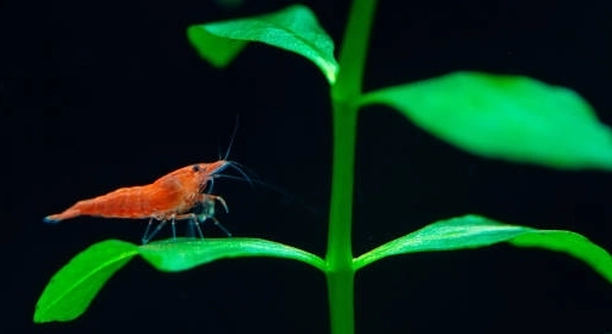
Do you enjoy watching your aquarium come to life with vibrant colors and movement? Shrimp can add a surprising level of activity and personality to your tank, creating a dynamic little underwater world.
Shrimp are capable of forming basic social structures within a tank environment. They exhibit behaviors such as establishing territories, recognizing tank mates, and interacting for feeding and grooming purposes, reflecting a primitive yet observable social organization.
Observing these small crustaceans can reveal patterns that are both fascinating and informative for aquarium enthusiasts. Understanding their interactions enhances the enjoyment of maintaining a balanced tank ecosystem.
How Shrimp Interact in a Tank
Shrimp exhibit a variety of interactions that can be observed in a home aquarium. They establish territories, often choosing specific hiding spots among plants or decorations. These small zones help reduce conflict and provide safe spaces for molting, which is a vulnerable time. Shrimp also communicate through subtle movements, antennal contact, and body postures, signaling aggression, submission, or readiness to feed. Some species display dominance hierarchies, where certain individuals consistently access food first, while others wait their turn. Grooming behavior is also common, with shrimp cleaning themselves and occasionally each other. In larger groups, patterns of movement emerge, as shrimp explore their environment together but remain mindful of each other’s space. Observing these behaviors helps in adjusting tank setup, feeding schedules, and stocking levels. By understanding their natural tendencies, aquarists can provide an environment that encourages healthy social behavior and reduces stress, leading to longer lifespans and more active shrimp populations.
Shrimp interaction depends on species, tank size, and available hiding places. These factors influence their behavior and comfort within the aquarium.
Providing proper shelter, feeding routines, and consistent water conditions supports positive social behavior. Watching these patterns reveals their subtle communication and routines.
Feeding Behavior and Social Dynamics
Feeding time often highlights the social structure within a shrimp group. Dominant individuals may approach food first, while more timid shrimp wait on the edges. They use their antennae to sense food location and to interact with other tank mates, coordinating access without direct conflict. Competition is usually minimal when food is distributed evenly, allowing all shrimp to eat without prolonged aggression. Observing feeding behavior can indicate if the hierarchy is well-established or if overcrowding and stress are affecting social balance. Careful attention to feeding frequency, food type, and placement can encourage fair access and reduce territorial disputes. Monitoring these interactions also helps detect illness or molting, as affected shrimp may eat less or behave differently. A balanced feeding routine contributes to overall health and reinforces natural social structures, making the tank a more stable and harmonious environment.
Territorial Behavior
Shrimp claim specific areas in the tank as their own, especially around hiding spots or food sources. They defend these spaces gently through posturing or minor nudges, rarely causing serious harm. These territories reduce conflicts and help each shrimp feel secure within the group.
Territorial behavior varies by species and tank conditions. In smaller tanks, space is limited, causing more frequent interactions and occasional disputes. Providing ample hiding spots, such as plants, rocks, and decorations, allows shrimp to retreat when threatened. Territoriality also increases during molting, as soft-bodied shrimp are more vulnerable. Observing how they move and interact reveals which individuals dominate certain areas and which prefer quieter spaces. This understanding can help adjust tank layout to minimize stress.
Territorial claims influence feeding order and social hierarchy. Dominant shrimp often occupy prime locations near food and shelter, while more submissive individuals wait their turn. Maintaining enough space and resources prevents chronic stress, which can affect growth and reproduction. By supporting their natural territorial instincts, the tank remains calmer, and shrimp can coexist more peacefully, showing clearer patterns of social organization.
Molting and Social Support
Molting is a critical time for shrimp, as they shed their exoskeleton and temporarily become vulnerable. During this period, many retreat to hiding spots, and tank mates usually respect these spaces. Observing molting schedules can indicate overall health and social stability.
Shrimp require consistent water conditions and adequate nutrition for successful molting. Stress, overcrowding, or poor water quality can lead to incomplete molts, which may result in injury or death. Tank mates generally recognize molting shrimp and avoid aggressive interactions during this time. Adding extra hiding areas and ensuring calcium-rich food supports exoskeleton formation. Molting also influences social interactions, as dominant shrimp may temporarily avoid these individuals, allowing them to recover safely. Understanding molting behavior helps maintain a balanced environment and supports healthy social dynamics.
Communication Through Movement
Shrimp communicate largely through movement and antennae signals. Subtle gestures like flicking or antennal contact convey intentions, such as submission or interest in food. These signals help maintain harmony and avoid direct confrontation within the tank.
Active observation reveals patterns of interaction, showing which shrimp dominate or defer. Antennae contact often establishes recognition, allowing individuals to coexist without conflict.
Group Dynamics
Shrimp form loose social groups that coordinate activity while maintaining individual space. Movement patterns, feeding behavior, and hiding spot selection reflect a basic hierarchy. Dominant shrimp may lead group movements, while others follow or remain cautious. This structure helps reduce unnecessary aggression and organizes feeding efficiency.
Stress Indicators
Shrimp display stress through color changes, rapid movements, or hiding more than usual. Stress can result from poor water quality, overcrowding, or aggressive tank mates. Recognizing these signs early allows corrective action to protect health and social stability within the tank.
FAQ
Can shrimp recognize each other in a tank?
Yes, shrimp can recognize familiar tank mates through repeated interactions and antennal contact. They use these cues to identify friends and rivals, which helps them navigate social hierarchies and reduce conflicts. Recognition also influences feeding order and territory use, allowing each shrimp to coexist more smoothly.
Do shrimp have leaders in their groups?
Shrimp do not have leaders in a traditional sense, but dominant individuals may consistently access food or prime hiding spots first. These shrimp influence movement patterns within the group, with others often deferring to them temporarily. The hierarchy is subtle and shifts depending on tank conditions and individual growth.
How do shrimp communicate without vocal sounds?
Shrimp rely on movements, antennal touches, and body gestures to communicate. Flicking antennae, tapping on surfaces, or posturing can indicate submission, dominance, or interest in feeding. These non-verbal signals maintain order and prevent aggressive encounters, ensuring the group functions with minimal stress.
Do shrimp help each other during molting?
While shrimp do not actively assist each other, tank mates typically respect molting shrimp by avoiding direct contact. Hiding behavior increases during molting, and the presence of adequate shelters allows vulnerable shrimp to recover safely without interference from others, supporting overall social stability.
Can shrimp develop friendships?
Shrimp do not form friendships as humans do, but they can form stable social bonds. Individuals that repeatedly interact peacefully tend to tolerate each other’s presence more. This tolerance helps maintain harmony, particularly in tanks with limited space, and prevents unnecessary stress or competition.
How does tank size affect social structures?
Larger tanks provide more hiding spots and space, reducing conflicts and allowing natural social hierarchies to develop smoothly. Smaller tanks increase interactions, sometimes resulting in stress or minor aggression. Ensuring sufficient territory, decorations, and plants is essential for promoting positive social behavior.
Do different shrimp species interact socially?
Different species may interact but usually maintain species-specific behaviors. Some species are more territorial, while others are more social, influencing how they coexist. Mixing species requires careful observation and tank management to avoid conflicts and ensure each shrimp feels secure.
What role does food play in social behavior?
Food distribution heavily influences social structure. Dominant shrimp often eat first, while others wait. Providing multiple feeding points and spreading food evenly minimizes competition. Monitoring eating patterns can reveal hierarchy, stress levels, and potential health issues, allowing adjustments for a balanced environment.
How can I tell if my shrimp are stressed?
Stress signs include hiding excessively, rapid swimming, color changes, or aggression. Overcrowding, poor water quality, and aggressive tank mates are common triggers. Identifying these behaviors early allows corrective measures such as adjusting stocking levels, improving water parameters, and providing extra shelters to maintain social balance.
Do shrimp change their social behavior over time?
Yes, social behavior can shift due to molting, growth, or changes in the tank environment. Newly molted shrimp may become submissive temporarily, while growth or introduction of new individuals can alter hierarchy. Observing these changes helps in understanding group dynamics and maintaining a harmonious tank.
Can shrimp live peacefully without a social structure?
While shrimp can survive without a defined social hierarchy, having a basic structure reduces stress and competition. Natural interactions such as territory establishment, feeding order, and recognition help maintain a balanced environment, making shrimp healthier and more active.
How often should I observe shrimp behavior?
Regular observation, even a few minutes daily, provides insights into health, social interactions, and stress. Noting changes in movement, feeding, and hiding patterns helps maintain proper tank conditions, ensuring social stability and early detection of problems before they escalate.
Does water quality affect social interactions?
Yes, poor water quality increases stress, aggression, and hiding behaviors. Clean, stable water conditions allow shrimp to display natural behaviors, form territories, and interact appropriately. Regular testing and maintenance are key to supporting healthy social structures and overall shrimp well-being.
Do shrimp groom each other?
Shrimp occasionally groom each other by touching and cleaning appendages, though self-grooming is more common. This behavior helps remove debris, parasites, and algae, and promotes social tolerance, as gentle contact reassures others and reinforces recognition between individuals.
Are there signs of dominance besides feeding order?
Dominance can be seen in choice of hiding spots, approach toward others, and confidence in moving through the tank. Dominant shrimp often occupy central or elevated positions and exhibit subtle postures that signal control. Submissive shrimp yield space and avoid direct confrontation, maintaining social balance naturally.
Observing shrimp in a tank reveals a surprising level of social complexity. Even small species can establish territories, communicate, and show dominance hierarchies. These behaviors are subtle but noticeable when paying close attention to their movement, feeding patterns, and interactions with tank mates. Territorial claims are common, particularly around hiding spots and food sources. Providing multiple shelters and plants helps minimize conflicts, as each shrimp can retreat when needed. Feeding routines also reveal social structures, with dominant individuals often accessing food first, while more submissive shrimp wait their turn. Understanding these patterns allows for better tank management and ensures a calmer, healthier environment.
Molting is another factor that significantly influences social behavior. During this vulnerable period, shrimp retreat to safe hiding spaces and avoid interaction with others. Tank mates typically respect these spaces, reducing aggression and stress. Providing extra hiding spots and maintaining consistent water conditions helps molting shrimp recover safely. Poor water quality or overcrowding can interfere with molting and increase stress, affecting the overall social dynamic. Observing molting schedules, along with feeding and movement patterns, provides insight into the hierarchy and behavior of the group. A well-maintained environment supports both individual health and harmonious social interactions.
Social dynamics in shrimp tanks are influenced by a combination of factors, including species, tank size, hiding spots, and food distribution. Larger tanks with more space allow natural hierarchies to develop with less conflict, while smaller tanks may require more careful monitoring to prevent stress. Shrimp communicate primarily through movements and antennal contact, establishing recognition and subtle social rules that keep the group functioning smoothly. Regular observation helps detect stress, illness, or changes in hierarchy, allowing adjustments to tank conditions as needed. Understanding shrimp behavior, from territoriality to feeding patterns, supports a balanced and stable environment. A well-structured tank encourages natural interactions, reduces aggression, and promotes overall shrimp well-being, making it easier to maintain a thriving, active group.

Hello,
If you enjoy the content that we create, please consider saying a "Thank You!" by leaving a tip.
Every little bit helps us continue crafting quality advice that supports the health, happiness, and well-being of pets around the world, for pets of all shapes, sizes, and species.
We really appreciate the kindness and support that you show us!