
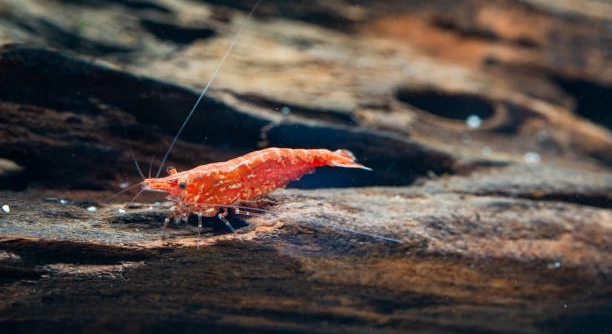
Are your cherry shrimp constantly moving along the glass walls of your tank? Many hobbyists notice their shrimp seem uneasy, especially when reflections appear on the tank surfaces. This behavior can leave aquarists puzzled and concerned.
Reflections in a tank can cause stress and disrupted behavior in cherry shrimp. They may perceive their own image as another shrimp, triggering territorial or defensive responses that affect feeding, hiding, and overall activity patterns within the aquarium.
Observing these subtle signs helps improve tank conditions and ensures shrimp remain healthy and comfortable in their environment.
How Reflections Affect Cherry Shrimp Behavior
Cherry shrimp are sensitive creatures, and their small size makes them easily stressed by changes in their environment. Reflections on tank glass can confuse them, making them perceive another shrimp where none exists. This can cause constant movement, hiding, or even aggression toward their own image. The effect is more noticeable in tanks with bright lighting or minimal decorations, where the glass surfaces are more reflective. Over time, repeated exposure to these reflections can reduce their willingness to explore or feed openly. Even minor disturbances, like shifting tank decorations or changing lighting angles, can increase the intensity of this behavior. Many hobbyists notice their shrimp spending long periods near the tank walls, brushing against the glass as if trying to interact with the reflection. Stress from these reflections may not be immediately harmful but can impact molting cycles, immune function, and overall activity. Proper tank setup and observation help mitigate these subtle but significant issues.
Controlling reflections reduces stress, allowing shrimp to exhibit normal behavior and engage with their environment safely.
Adding plants, hiding spots, and adjusting lighting minimizes reflective surfaces. Over time, shrimp become calmer, exploring the tank more naturally and feeding without interruption.
Preventing Stress from Tank Reflections
Removing reflective surfaces or covering parts of the tank can help shrimp stay calm. Minimal glass exposure makes a noticeable difference in behavior.
Using backgrounds, dense plants, and decorations can break up reflections effectively. Shadows and visual barriers give shrimp a sense of security. Positioning the tank away from direct sunlight or strong artificial light reduces mirror-like effects. For open tanks, frosted glass or aquarium film can soften reflections without affecting viewing. Consistent observation helps identify if shrimp are still stressed. Behavioral changes like hiding too much or refusing food indicate that adjustments are needed. Maintaining a stable environment with steady water parameters complements these visual adjustments, ensuring shrimp health. Over time, implementing these changes allows shrimp to explore more freely, interact naturally, and maintain regular molting and feeding patterns. A calm environment encourages social behavior in groups and reduces unnecessary energy expenditure caused by reacting to reflections, resulting in a more balanced and healthy aquarium ecosystem.
Recognizing Signs of Stress
Cherry shrimp that are stressed from reflections may hide constantly or move erratically. They can stop eating or become unusually aggressive toward other shrimp. Observing these behaviors early helps prevent long-term health issues and ensures they remain active and healthy in the tank.
Stress from reflections can affect feeding, molting, and social interaction. Shrimp may retreat to hiding spots for long periods, avoiding open areas of the tank. Some may repeatedly brush against glass or display sudden bursts of movement. Over time, stressed shrimp can experience slower growth and weakened immune systems. Monitoring their behavior, comparing normal activity to these signs, and making environmental adjustments can reduce stress and promote natural behavior patterns.
In group settings, stressed shrimp may disrupt tank dynamics. Dominant individuals might spend excessive time chasing their own reflections, while others remain isolated. This imbalance can affect breeding, feeding schedules, and overall energy levels. Providing visual barriers, adjusting lighting, and including ample hiding spaces allows all shrimp to feel secure. Regular observation ensures behavioral improvements and helps maintain a balanced, healthy tank environment.
Practical Ways to Reduce Reflections
Using backgrounds, plants, or decorations helps minimize reflective surfaces in the tank. This simple adjustment reduces confusion and stress for the shrimp.
Dense plants and hiding spots provide visual breaks, preventing shrimp from seeing their own reflection constantly. Light positioning also matters; avoiding direct bright light on glass reduces mirror-like effects. Frosted glass, aquarium film, or strategic decor placement can further soften reflections. Adjusting tank setup gradually while monitoring shrimp behavior ensures improvements without creating new stressors. Consistency in water conditions complements these changes, giving shrimp a calm, secure environment to explore and feed naturally.
Over time, these adjustments allow shrimp to interact normally within the tank. They become less reactive to movements near the glass, and group dynamics stabilize. Shrimp can feed without interruption, molt on schedule, and display natural exploratory behavior. Maintaining a balance between decor density and open swimming space ensures shrimp feel secure without overcrowding. Careful observation and minor adjustments make a noticeable difference in stress levels, promoting overall health and long-term well-being in the aquarium.
Adjusting Lighting and Tank Placement
Bright or direct light can make reflections more noticeable to shrimp. Positioning the tank away from windows or strong artificial light helps reduce mirrored surfaces and creates a calmer environment.
Using dimmers or softer lighting prevents shrimp from constantly reacting to their reflections. Gradual changes in light intensity allow them to adjust without stress.
Choosing the Right Decorations
Decorations like rocks, driftwood, and dense plants break up open glass areas. This prevents constant reflections and provides hiding spaces, helping shrimp feel secure and less stressed while exploring the tank naturally.
Monitoring Shrimp Behavior
Regularly observing shrimp ensures that environmental adjustments are effective. Changes in hiding, feeding, or activity levels indicate whether reflections are still causing stress.
FAQ
How can I tell if my cherry shrimp are stressed by reflections?
Stress from reflections can show in several behaviors. Shrimp may hide for long periods, stop eating, or move erratically along tank walls. Some may repeatedly brush against glass or display short, sudden bursts of movement. Noticing these patterns early helps prevent long-term health issues.
Are all shrimp affected by reflections the same way?
No, shrimp can react differently depending on their temperament, age, and the tank environment. Younger shrimp might be more sensitive, while older shrimp may ignore minor reflections. Tank lighting, decoration density, and the number of shrimp present also influence how strongly they respond.
Can reflections cause physical harm to cherry shrimp?
Direct physical harm is unlikely, but prolonged stress can affect molting, feeding, and immune function. Stressed shrimp may molt irregularly or experience slower growth, making them more vulnerable to illness. Reducing reflections and providing hiding spaces prevents these indirect effects.
Will adding more shrimp help reduce stress from reflections?
Adding more shrimp does not necessarily reduce stress. In some cases, a crowded tank can increase tension. Ensuring proper tank size, decorations, and hiding spots is more effective than increasing population. Observing interactions after changes helps maintain a balanced environment.
Are certain tank materials better at reducing reflections?
Yes, matte or frosted glass, aquarium films, and solid backgrounds can reduce mirrored surfaces. Dense plants, rocks, and driftwood also break up reflections, giving shrimp visual security. Proper placement and layering of decorations create natural barriers without overcrowding the tank.
Does light intensity affect reflection stress?
Absolutely. Bright or direct light can increase visible reflections. Adjusting lighting, using dimmers, or repositioning the tank away from sunlight helps minimize these effects. Gradual changes allow shrimp to adapt without causing sudden stress.
How long does it take for shrimp to adjust to reflection reduction?
Adjustment time varies. Some shrimp may calm within days after changes, while others take weeks. Continuous observation is key. Look for normalized feeding, exploration, and social interactions as signs that stress levels are decreasing.
Can reflections impact shrimp breeding?
Yes, stress from reflections can reduce breeding activity. Stressed shrimp may hide more and spend less time interacting with others. Creating a stable, low-stress environment with ample hiding places encourages natural breeding behavior.
Should I use a background on all sides of the tank?
Not necessarily. Covering at least one or two reflective surfaces is often sufficient. Balancing open swimming space with visual barriers ensures shrimp feel secure while still having room to explore and feed naturally.
Are there signs of stress that are easy to miss?
Yes, subtle behaviors like slower movement, reduced grazing on biofilm, or spending more time near decorations rather than open areas can indicate low-level stress. Regular observation helps catch these early, allowing you to make adjustments before serious problems occur.
Can tank size influence reflection stress?
Smaller tanks tend to amplify reflections because surfaces are closer together, making mirrored images more noticeable. Larger tanks with ample decor and plants reduce the impact of reflections and allow shrimp to avoid stressful visual stimuli.
Is it better to move the tank or change the lighting to reduce reflections?
Both approaches work. Moving the tank away from direct sunlight or reflective surfaces can reduce mirrored images, while adjusting lighting intensity or angle further minimizes stress. Combining both methods often produces the best results.
Do all types of shrimp react to reflections the same way as cherry shrimp?
Different species vary in sensitivity. Cherry shrimp are particularly reactive due to their small size and social behavior. Other species may be less affected, but monitoring behavior after introducing reflections or lighting changes is always recommended.
How do decorations specifically help with reflections?
Decorations create visual breaks in open glass areas, preventing shrimp from constantly seeing their own image. Rocks, plants, and driftwood provide hiding spots, reduce stress, and encourage natural exploration and social behaviors. Proper arrangement enhances both aesthetics and shrimp comfort.
Can reflections affect molting cycles?
Yes, chronic stress from reflections can delay or disrupt molting. Stressed shrimp may molt irregularly, become more vulnerable to illness, or fail to grow properly. Reducing reflective surfaces and providing hiding spots helps maintain regular molting and overall health.
Are there any quick fixes for reflection stress?
Quick fixes include adding a background, repositioning the tank, dimming lights, or placing decorations along glass surfaces. These changes can immediately reduce mirrored images, though ongoing observation ensures shrimp fully adjust and remain healthy.
Is reflection stress permanent if not addressed immediately?
It is rarely permanent, but prolonged exposure can cause ongoing stress and affect health, growth, and behavior. Early intervention with tank adjustments, hiding spots, and proper lighting prevents long-term issues and restores normal shrimp activity.
How often should I check for stress signs related to reflections?
Daily observation is ideal, especially after introducing changes. Noting feeding, hiding, and social behavior helps track shrimp well-being. Regular checks allow small adjustments before stress becomes harmful, keeping the aquarium balanced and shrimp healthy.
Do reflections affect feeding behavior immediately?
Reflections can cause shrimp to hide or hesitate to feed, sometimes right away. Reducing mirrored surfaces, adding cover, and maintaining a calm environment encourages normal feeding and ensures shrimp receive proper nutrition consistently.
Can reflections cause aggression between shrimp?
Yes, some shrimp may perceive their reflection as a competitor, leading to chasing or defensive behavior. While usually not physically harmful, this energy drain can stress the group. Breaking up reflections with plants or decor reduces conflict and promotes peaceful interactions.
How do I know if my adjustments are working?
Shrimp become calmer, feed regularly, and explore the tank more openly. Reduced hiding and less frantic movement near glass indicate stress levels are decreasing. Continuous monitoring ensures changes are effective and long-term shrimp health improves.
Are there any long-term benefits to reducing reflections?
Yes, shrimp experience lower stress, maintain healthy growth, molt regularly, feed consistently, and display natural social behavior. A well-planned tank with minimal reflections supports overall health and longevity, making shrimp care more predictable and enjoyable.
Is it necessary to combine multiple strategies to reduce reflection stress?
Combining backgrounds, decor, lighting adjustments, and tank placement generally produces the best results. Each method reduces stress in different ways, and together they create a calm, secure environment where shrimp can thrive.
Can reflections affect shrimp differently at night versus day?
Yes, lighting changes affect visibility of reflections. Nighttime tank lighting or room lights may create new reflections, though usually less intense than daylight. Adjusting light placement ensures shrimp remain comfortable throughout the day and night cycle.
What is the easiest long-term solution for minimizing reflection stress?
Strategically placing a combination of dense plants, rocks, driftwood, and non-reflective backgrounds along with controlled lighting provides a lasting solution. This creates a stable, visually secure environment that promotes natural behavior and overall shrimp well-being.
Are some shrimp more aggressive toward reflections than others?
Individual temperament plays a role. Some shrimp react strongly to their image, chasing or defending against it, while others may ignore it. Observing specific behaviors helps tailor tank adjustments to meet the needs of all shrimp in the group.
Does reflection stress affect shrimp lifespan?
Indirectly, yes. Chronic stress can weaken immune systems, disrupt molting, and reduce feeding efficiency. Minimizing reflection stress contributes to longer, healthier lives by maintaining proper growth, nutrition, and activity levels.
How do I prevent reflections when setting up a new tank?
Use backgrounds, plants, and decorations strategically from the start. Position tanks away from direct sunlight and plan lighting carefully. Minimizing reflective surfaces early reduces stress and encourages shrimp to adapt quickly to their new environment.
Can reflections affect shrimp social hierarchy?
Yes, stressed shrimp may behave differently, altering usual social interactions. Some may hide excessively, while others may spend energy chasing reflections. Proper environmental adjustments restore normal social behavior and maintain group balance.
Is reflection stress reversible?
Yes, with proper adjustments such as backgrounds, plants, decorations, and lighting control, shrimp typically return to normal behavior, resume feeding, and display healthy growth patterns over time.
Final Thoughts
Cherry shrimp are delicate creatures that respond strongly to their surroundings, and reflections in the tank can create unexpected stress. Even small mirrored surfaces can confuse them, making them perceive their own image as another shrimp. This can lead to hiding, erratic swimming, or repeated interactions with glass surfaces. Over time, constant exposure to these reflections may affect their feeding habits, molting cycles, and overall energy levels. For shrimp kept in smaller or brightly lit tanks, these mirrored images can be more noticeable and cause greater stress. Understanding that reflections are not physically harmful but can influence behavior is key to creating a stable environment. Early observation and timely adjustments can prevent long-term issues and help maintain the health and comfort of the shrimp.
To minimize stress, it is important to provide visual barriers within the tank. Dense plants, rocks, driftwood, and other decorations can break up open glass areas and reduce mirrored surfaces. Using backgrounds or non-reflective films on the tank glass also helps limit reflections. Adjusting lighting intensity or repositioning the tank away from direct sunlight or bright artificial lights further reduces stress. These changes give shrimp a sense of security while allowing them to explore, feed, and interact naturally. Gradual adjustments are preferable, as sudden changes can create new stress factors. Observing shrimp behavior after implementing these measures helps ensure that they are adapting well and that reflections are no longer causing anxiety or erratic behavior.
Regular monitoring and consistent care remain essential for maintaining a healthy environment. Watching for subtle signs, such as reduced movement, excessive hiding, or avoidance of open spaces, provides insight into whether shrimp are comfortable. Long-term solutions, including thoughtful tank layout, controlled lighting, and carefully placed decorations, encourage natural behavior and support overall well-being. While reflections alone may not cause serious harm, the cumulative effects of stress over time can impact shrimp growth, molting, and immune function. By addressing reflections and creating a visually secure environment, shrimp are more likely to thrive, feed consistently, and display normal social interactions. Maintaining this balance ensures that your cherry shrimp remain healthy, active, and happy, making the aquarium a more peaceful and enjoyable space.

Hello,
If you enjoy the content that we create, please consider saying a "Thank You!" by leaving a tip.
Every little bit helps us continue crafting quality advice that supports the health, happiness, and well-being of pets around the world, for pets of all shapes, sizes, and species.
We really appreciate the kindness and support that you show us!