
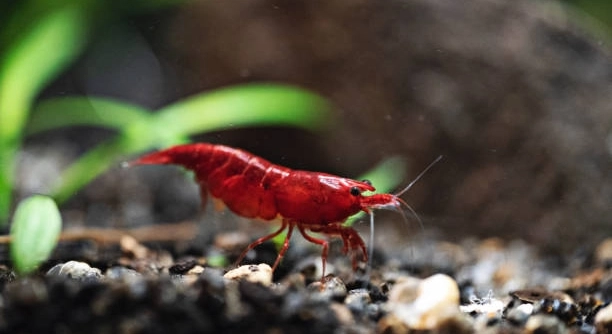
Many people notice small changes in how their shrimp behave over time, and it can be interesting to watch these subtle shifts as they settle into their environment, explore new spaces, and react to conditions.
Shrimp can show measurable personality changes as they mature, adapt to environmental pressures, and encounter shifting social conditions. These adjustments reflect physiological development combined with behavioral plasticity, which influences activity levels, boldness, and stress responses within their evolving surroundings today.
As you explore these shifting traits, you may find patterns that help explain how shrimp adapt and express changing behaviors.
Understanding Personality Shifts in Shrimp
Shrimp behavior can shift in noticeable ways as their surroundings change, and observing these patterns often helps you understand what influences their daily reactions. In many tanks, shrimp begin with cautious movements, then gradually grow steadier as they learn which areas feel safe. These small adjustments tell you a lot about how they respond to lighting, water flow, and the presence of other shrimp. When conditions remain stable, you may see them become more active, showing a confident pace while exploring surfaces and searching for food. If something disrupts their sense of comfort, such as a sudden change in temperature or new additions to the tank, they may retreat or slow down for a while. Over time, the combination of steady routines and environmental shifts shapes how they behave. This makes it easier to notice trends that reflect subtle personality changes linked to their health, comfort, and interactions over time.
These shifts can help you understand whether your shrimp are adjusting well to their habitat, since their reactions often reveal how secure they feel. Watching these changes makes it easier to support their needs and notice when something in the environment may require gentle correction for their long term stability.
Noticing how shrimp react to small adjustments in their surroundings can guide you when shaping a stable habitat. When their responses appear consistent, you gain a clearer sense of what supports their comfort. If they begin to explore more boldly or settle into a calm routine, these shifts can signal that conditions are suitable. On the other hand, any decrease in activity or hesitation around once familiar areas may suggest that something needs attention. By staying aware of these patterns, you can create an environment that encourages healthy behavior while helping them adapt as their needs change throughout their development.
Factors That Influence Behavioral Changes
Several conditions shape how shrimp behave, and understanding these influences gives you a clearer picture of why their reactions shift over time. Light levels, tank mates, and water quality all play roles in shaping how confident or cautious they appear during daily activity and guide your approach to improving stability.
Water quality plays a major role in shaping shrimp behavior, since even slight changes can affect how they move, feed, and interact. Stable parameters support steady activity, while fluctuations may cause stress responses that make them appear restless or withdrawn. Light intensity also influences their reactions, with gentle lighting encouraging calm exploration and harsh lighting sometimes leading to hiding or reduced movement. The presence of tank mates adds another layer, as peaceful companions can help maintain balance, while overly active neighbors may cause your shrimp to become cautious. Food availability further shapes their patterns, since predictable feeding helps them settle into consistent routines. When food is scarce or irregular, they may move more frequently in search of resources. Structural features in the tank, including plants, stones, and shaded sections, give them places to retreat or explore based on comfort levels. Each of these elements works together to guide how they adapt across days and weeks. By observing how these conditions influence behavior, you gain a clearer understanding of what supports stability and what may need adjusting. This awareness helps you maintain an environment that nurtures healthy development and encourages predictable reactions that align with their needs at different stages daily.
xxxxxxxxxxxxxxxxxxx
Small changes in shrimp behavior often come from shifts in comfort, and these reactions can show you what they need each day. When movement patterns change, it usually reflects how they respond to lighting, food access, and nearby activity inside the tank, which helps you notice their overall stability better.
Shrimp often adjust their activity based on how steady their surroundings feel, and these small shifts help you understand what shapes their comfort. When water conditions remain stable, they tend to explore at a relaxed pace while showing predictable patterns around familiar areas. If something changes suddenly, such as a drop in temperature or a shift in light, they may pause or hide until they feel safe again. Watching these patterns closely gives you useful clues about their needs. You can use these signals to fine tune their environment and support consistent behavior that reflects good health each day overall.
Over time, shrimp develop responses that match the stability of their surroundings, and you can often see these patterns in how they move, feed, and interact. A calm environment encourages steady exploration, while inconsistent conditions may cause cautious reactions that disrupt their routine. Subtle behavior shifts can reveal early signs of stress, giving you a chance to make small adjustments before problems grow. When you focus on these details, it becomes easier to create conditions that feel predictable for them. This steady support helps maintain healthy patterns and encourages reactions that show they are adapting well to their changing environment.
xxxxxxxxxxxxxxxxxxx
Changes in social interactions can also shape how shrimp behave, especially when new tank mates are added or group size shifts. Their responses often reflect how secure they feel, and you may notice subtle adjustments in movement, spacing, and feeding when dynamics inside the tank shift in noticeable ways. These changes tend to appear gradually, and they can help you identify patterns that show whether your shrimp are settling comfortably or reacting to stressors nearby.
Social conditions influence shrimp more than many people expect, and their behavior often changes when group structure shifts. Larger groups can create a sense of security that encourages consistent activity, while smaller groups may lead to cautious movements as individuals adjust to new spacing. When tank mates are peaceful, shrimp usually explore calmly and maintain steady feeding routines. If tank mates are overly active, they may hide more often or move unpredictably around the substrate. These responses can show you how well the group dynamic supports stability. By paying attention to these signs, you can adjust population size, tank layout, or visual barriers to promote comfort. Small refinements help create a space where shrimp feel balanced enough to display natural behaviors without unnecessary disruptions present.
xxxxxxxxxxxxxxxxxxx
Environmental fluctuations can cause shrimp to shift their routines quickly, and these changes often show up in how they explore or rest. When conditions settle again, their movement usually returns to a calmer pace that reflects a more comfortable rhythm inside the tank.
Feeding patterns can also shift when shrimp react to small changes around them. A steady routine helps them feel secure, while irregular feeding may lead to cautious movements or slower responses. Keeping their schedule predictable encourages calm behavior and helps support stable activity throughout the day.
xxxxxxxxxxxxxxxxxxx
Lighting plays a major role in shaping how shrimp behave, especially when brightness changes throughout the day. Too much light can make them retreat into shaded areas, while gentle lighting helps them feel safe enough to explore at a steady pace. Water flow also affects movement, since stronger currents may cause them to conserve energy and remain closer to stable surfaces. When both lighting and flow remain consistent, shrimp tend to settle into patterns that reflect comfort. These predictable conditions help them maintain natural behaviors that show how they adapt to the environment you create for them.
xxxxxxxxxxxxxxxxxxx
Subtle reactions to noise or sudden motion near the tank can influence how secure shrimp feel. When disturbances stay minimal, they remain calmer and move with more confidence. Small adjustments around their habitat can help them maintain steady patterns that reflect a sense of ease.
FAQ
Do shrimp really show long term personality changes?
Yes, shrimp can show long term adjustments in how they behave, especially when their surroundings shift over time. These changes can appear as more confident exploring, calmer movement, or slower reactions when something feels unfamiliar. Their patterns often reflect how stable their environment is and how secure they feel day to day. By watching these shifts closely, you can understand how their development, comfort, and daily routines influence their overall behavior. These patterns can appear gradually, and they often become clearer when you compare how they acted as juveniles to how they behave as adults.
What signs show that a shrimp is becoming more confident?
A shrimp that feels comfortable usually explores more openly, moves at a steady pace, and feeds without much hesitation. You may see them venturing into areas they once avoided or spending more time on exposed surfaces instead of hiding. Confident behavior also appears in the way they approach other shrimp, often keeping a relaxed distance instead of darting away quickly. When their environment stays stable, these signs become easier to observe. Over time, this steady behavior shows how secure they feel inside the tank.
Why do shrimp become more cautious at certain times?
Shrimp often become cautious during changes in water parameters, shifts in lighting, sudden movement near the tank, or when new tank mates are added. These reactions are natural responses to unfamiliar conditions. When they feel unsure, they may hide, move slowly, or remain close to shaded sections. Even small disruptions can influence their behavior, so it helps to make adjustments gently. Once their environment becomes consistent again, they usually return to more relaxed patterns that match their normal routines.
Can social conditions affect shrimp personality?
Yes, social conditions play a major role in shaping how shrimp behave. Group size, tank mates, and spacing influence whether they feel secure. Larger groups encourage more stable and active movement, while a smaller group may show more cautious actions. Peaceful tank mates help shrimp remain steady, but overly active species can cause hesitation or hiding. These social patterns help you recognize whether the current setup supports their comfort or requires a few changes to encourage healthier behavior.
Do shrimp personalities change as they age?
Shrimp can change in predictable ways as they mature, and these shifts often connect to their growing confidence and familiarity with their surroundings. Juveniles may show quick darting movements and cautious reactions, while adults tend to adopt calmer, more controlled behavior. As they age, they learn which areas are safe, which routines feel consistent, and how to respond to tank mates. These influences help shape the personality patterns you see over time.
How can I support consistent behavior in my shrimp?
Keeping their environment steady helps promote predictable patterns. This includes stable water quality, gentle lighting, steady feeding routines, and a layout that offers both open areas and hiding spots. When conditions stay consistent, shrimp feel more secure and display calmer, natural behaviors. Avoiding sudden changes also helps them adapt more smoothly.
Why do shrimp sometimes change how they feed?
Feeding behavior can shift when food availability changes or when shrimp feel uncertain about their surroundings. A steady feeding schedule encourages calm responses, while irregular feeding may cause rushed movements or hesitation. Maintaining predictable feeding times helps support stable behavior.
Can environmental stress cause personality shifts?
Yes, stress can influence how shrimp behave, even when the changes appear subtle. Temperature fluctuations, water parameter swings, and strong currents can make them cautious or less active. When these stressors continue for long periods, their behavior may shift noticeably. Keeping conditions balanced helps minimize these effects.
How quickly do shrimp adjust to new conditions?
Adjustment time varies, but shrimp often respond within a few hours to a few days depending on the change. Small adjustments usually lead to mild reactions, while major shifts may require longer for them to settle. Watching how they behave during these periods helps you understand what supports their comfort.
Is it normal for shrimp to behave differently after molting?
Yes, shrimp often act more cautious after molting because they feel vulnerable while their new shell hardens. During this time, they may hide more often or move gently. Once their shell strengthens, they usually return to their normal patterns.
Final Thoughts
Shrimp behavior can shift in many small ways, and paying attention to these changes helps you understand how they adapt to the space you create for them. Each adjustment, whether it appears as calm exploration or brief hesitation, reflects how they respond to the conditions around them. When their environment stays steady, you may notice their movements becoming more predictable, which often shows they feel secure. These patterns are not always dramatic, but they build over time and help you see how comfort, stability, and daily routines guide the way they behave. By watching even the smallest reactions, you gain a clearer view of how their personalities form and shift in response to the world inside the tank.
Consistency is one of the strongest influences on their behavior, and it plays a bigger role than many people expect. Small changes in lighting, water flow, or feeding times can affect how confident or cautious they appear throughout the day. When these conditions remain balanced, shrimp have fewer reasons to retreat or pause, and they are more likely to show steady activity that feels natural to them. Social factors also shape how they behave, especially in tanks with multiple shrimp or active tank mates. A peaceful setup encourages calm movement, while unpredictable companions may cause subtle stress. Understanding these influences helps you create a space where they can thrive without unnecessary disruptions that might affect their behavior.
Over time, the patterns you observe become a reflection of how well their needs are being met. Shrimp may start out cautious, then grow more comfortable as they learn the layout of their habitat and settle into familiar routines. Their reactions after molting, the way they move around different structures, and even how they respond to feeding all provide useful insights into their overall well being. When you take the time to watch these details, it becomes easier to make thoughtful adjustments that support their comfort. These observations also help you catch early signs of stress or imbalance before they become larger problems. With steady care and a focus on maintaining balanced conditions, you can encourage behaviors that show they feel safe, healthy, and supported. This approach not only helps them adapt more easily, but also gives you a deeper understanding of how their personalities change and develop over time.

Hello,
If you enjoy the content that we create, please consider saying a "Thank You!" by leaving a tip.
Every little bit helps us continue crafting quality advice that supports the health, happiness, and well-being of pets around the world, for pets of all shapes, sizes, and species.
We really appreciate the kindness and support that you show us!