
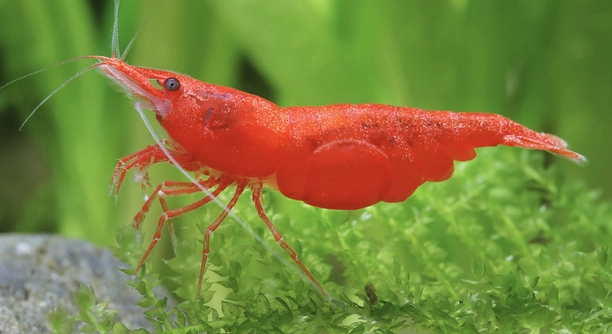
Have you ever noticed your shrimp only leaving their hiding spots at certain times of the day? Many aquarists find this behavior puzzling, especially when their tanks seem calm and safe for exploration. Observing these patterns can be quite fascinating.
Shrimp explore at specific times primarily due to their natural circadian rhythms and environmental cues. Light levels, predation risk, and feeding schedules influence their activity, ensuring safety while optimizing foraging efficiency and energy conservation in both wild and captive habitats.
Understanding why shrimp follow these patterns can help improve tank management and enhance their overall well-being in home aquariums.
Light and Activity Patterns
Shrimp are very sensitive to light, and it directly affects when they feel safe to move around. In brightly lit environments, they tend to hide more because their natural instinct is to avoid predators. Low light or shaded areas encourage them to explore freely. Many people notice their shrimp coming out mostly in the evening or at night. This is normal behavior, as these times mimic natural conditions in rivers and streams where they originate. Light isn’t the only factor; feeding schedules and water conditions also play a role. When the tank environment feels predictable and safe, shrimp are more likely to leave their hiding spots. Observing their patterns over several days helps in understanding their comfort zones. Tank decorations, plants, and hiding spots can change their activity patterns as well. Adjusting light gradually rather than abruptly can prevent stress and promote natural exploration. Monitoring these small changes improves both shrimp health and tank aesthetics.
Shrimp follow predictable activity cycles mainly influenced by light exposure and the perceived safety of their surroundings.
By recognizing the effect of light on shrimp behavior, aquarists can design better habitats. Providing shaded areas, using dim lighting, and aligning feeding times with low-light periods encourages natural exploration while reducing stress. These adjustments make shrimp more visible and active, benefiting both observation and tank maintenance. Watching how shrimp respond to small changes in their environment can be rewarding, offering insights into their behavior without intrusive handling. The combination of light management, secure hiding spots, and stable water conditions ensures shrimp maintain regular activity cycles, stay healthy, and show natural behaviors, making them more interesting to observe.
Feeding and Exploration
Shrimp tend to explore more when they expect food. Regular feeding schedules train them to be active at certain times.
Shrimp are opportunistic feeders, so they balance exploration with safety. In tanks where food is only offered at predictable times, shrimp gradually adjust their activity to coincide with feeding, appearing more lively during these windows. Their small size makes them vulnerable, so energy conservation is key. Watching their feeding patterns can reveal a lot about their comfort level. For example, shy shrimp may remain hidden until food reaches the bottom or until they detect a familiar feeding scent. Different species have slightly different preferences, but almost all respond to predictable meals. Varying feeding methods, like scattering food or using sinking pellets, can also encourage more movement and natural foraging behaviors. This not only keeps shrimp active but also promotes healthier growth. By paying attention to when shrimp eat and how they explore afterward, aquarists can create an environment that feels safe yet stimulating, helping shrimp thrive in captivity.
Tank Environment and Hiding Spots
Shrimp rely heavily on the structure of their tank. Plants, rocks, and decorations give them shelter and influence when they feel safe to explore. Dense areas encourage hiding, while open spaces invite cautious movement.
The arrangement of a tank can make a big difference in shrimp behavior. When there are plenty of hiding spots, shrimp feel secure and may slowly venture out during low-risk times. Conversely, a bare tank with little cover can stress them, causing them to stay hidden more often. Proper placement of plants and decorations allows shrimp to navigate safely while exploring their surroundings. Observing how shrimp use these structures provides insight into their comfort levels and natural instincts. Even small changes, like adding moss or rearranging rocks, can shift their activity patterns noticeably. Over time, a thoughtfully structured tank can encourage more consistent exploration and interaction with the environment, reflecting natural behaviors seen in the wild.
Water quality also affects shrimp movement. Stable parameters like temperature, pH, and clean water make shrimp more confident. Fluctuations or poor conditions make them retreat, limiting exploration. Hiding spots and stable water together create an ideal environment, helping shrimp maintain regular activity cycles while staying safe and healthy.
Predation Risk and Social Behavior
Shrimp are cautious creatures and constantly gauge threats. The presence of larger tank mates or sudden movements can make them retreat, affecting their timing of exploration.
Social dynamics among shrimp also influence their behavior. In groups, they may follow dominant individuals or respond to cues from each other, emerging together when it feels safe. Solitary shrimp or those in stressful conditions might hide longer. Even harmless fish can trigger stress if shrimp perceive them as a threat, which alters their normal activity patterns. Creating a peaceful, predictable environment with compatible tank mates allows shrimp to explore more naturally and maintain regular behaviors. Social observation provides clues about comfort levels, and understanding these interactions can improve care. By managing both group composition and minimizing disturbances, shrimp display more confident exploration. Over time, monitoring these behaviors helps in creating a stable, low-stress tank environment that supports both social interaction and individual activity.
Temperature and Water Conditions
Shrimp activity is sensitive to water temperature. Cooler water slows their metabolism, causing them to hide longer, while slightly warmer, stable conditions encourage movement and exploration.
Water chemistry also plays a role. Sudden changes in pH, hardness, or ammonia levels make shrimp retreat and stay inactive, highlighting the importance of consistent tank conditions.
Molting and Growth
During molting, shrimp are extremely vulnerable. They often hide before, during, and after shedding their shells to avoid predators and recover energy. This natural cycle strongly influences when they explore, as safety is the priority.
Tank Noise and Disturbances
Shrimp respond to vibrations and sudden movements. Excessive tapping, strong water flow, or frequent disturbances can make them hide more, limiting exploration regardless of light or feeding schedules.
Why do my shrimp only come out at night?
Shrimp are naturally nocturnal or crepuscular, meaning they are most active during the night or low-light periods. Darkness reduces perceived predation risk and creates a sense of safety. Even in home tanks without predators, this instinct remains strong. Many shrimp will hide during bright daylight hours and emerge only when lighting is dim or turned off. Adjusting tank lighting gradually can help them feel more secure and may encourage activity at other times.
Can I make my shrimp explore more during the day?
Yes, but it requires creating a safe and stable environment. Providing plenty of hiding spots like moss, rocks, and plants allows shrimp to venture out without stress. Using dim lights during the day or simulating dawn and dusk periods helps them feel secure. Feeding at predictable times can also encourage daytime activity, as shrimp associate certain periods with food availability. Patience is key, as forcing them to explore can cause stress and harm their health.
Do shrimp explore differently in groups versus alone?
Shrimp are social creatures, and their behavior changes depending on whether they are alone or in groups. In groups, they often follow each other and emerge more confidently, as seeing other shrimp active signals safety. Solitary shrimp may remain hidden longer, especially if the tank environment feels risky or unfamiliar. Observing social cues and maintaining a peaceful tank with compatible species helps maximize natural exploration behaviors.
How does water quality affect shrimp activity?
Stable water parameters are crucial for shrimp movement. Fluctuations in temperature, pH, hardness, or ammonia levels can make shrimp retreat to hiding spots. Consistent clean water promotes regular exploration and supports overall health. Even minor changes, such as sudden water changes or adding new decorations abruptly, can temporarily alter their activity patterns. Monitoring water regularly and making gradual adjustments keeps shrimp comfortable and active.
Why do shrimp hide after molting?
Molting is a vulnerable time for shrimp. After shedding their exoskeleton, they are soft and weak, making them easy targets. Hiding during and after molting allows recovery and reduces stress. Providing plenty of shelters and minimizing disturbances during this period ensures they molt safely and return to normal exploration habits faster.
Do shrimp respond to vibrations or tank movements?
Yes, shrimp are sensitive to vibrations and sudden disturbances. Loud noises, tapping on the glass, or strong water currents can make them hide, even in otherwise ideal conditions. Gentle water flow and minimizing sudden tank disturbances encourage more natural and frequent exploration.
Can lighting schedules change shrimp behavior?
Shrimp respond strongly to light cues. Maintaining a consistent day-night cycle helps them develop predictable activity patterns. Sudden changes in lighting, like turning on bright lights abruptly, can cause stress and reduce exploration. Using timers or gradual dimming techniques simulates natural conditions and encourages shrimp to emerge safely.
Does feeding time affect shrimp activity?
Yes, shrimp quickly learn feeding schedules and adjust their activity accordingly. Regular feeding encourages them to explore during expected food times, while unpredictable schedules may keep them cautious. Using sinking pellets or scattered foods promotes movement and mimics natural foraging behavior. Observing feeding responses provides insight into their comfort and health.
Are some shrimp species more active than others?
Different species have varying activity levels and preferred exploration times. Some are naturally shy and emerge only under ideal conditions, while others are bolder and explore more frequently. Knowing the specific species helps in setting realistic expectations for activity patterns and tank management.
What can I do if my shrimp never explore?
Check water quality, tank setup, and hiding spots first. Ensure stable parameters, gentle water flow, and enough shelters. Gradual lighting adjustments and predictable feeding encourage exploration. Avoid sudden disturbances or aggressive tank mates, as these can permanently limit visible activity. Patience and observation are key to helping shy shrimp become comfortable.
How long do shrimp stay hidden after stress or changes?
Shrimp recovery depends on the stress level and individual temperament. Minor disturbances may result in hiding for a few hours, while significant changes like large water shifts or new tank mates can keep them hidden for days. Providing stable conditions, hiding spots, and gentle feeding accelerates recovery.
Can tank decorations influence shrimp exploration patterns?
Yes, the arrangement and type of decorations affect movement. Dense plants and rocks provide security, encouraging gradual exploration, while barren tanks increase stress and hiding. Rearranging decorations slowly and providing multiple pathways helps shrimp feel safe and promotes more natural behavior throughout the day.
Do shrimp communicate exploration cues to each other?
Indirectly, yes. Shrimp observe movements and behaviors of others in the tank. If a few shrimp emerge confidently, it signals safety, encouraging others to follow. Conversely, if one shrimp retreats due to a perceived threat, it can influence the group to hide. Maintaining calm and predictable tank conditions supports positive social cues.
How often should I observe shrimp to understand their patterns?
Frequent, short observations are best. Watching during feeding, low light periods, and quiet times provides the clearest insight into natural behavior. Avoid constant interference, as this can stress them and distort their true activity patterns. Keeping a simple log of observations helps identify patterns and adjust care accordingly.
Do environmental changes like new plants or water additives affect shrimp exploration?
Yes, any change can temporarily alter activity. New plants, decorations, or chemicals can introduce unfamiliar scents or textures, causing shrimp to hide. Gradual introductions and monitoring reactions ensure they adjust safely, maintaining normal exploration habits while reducing stress.
Are older shrimp less active than younger ones?
Activity generally decreases with age. Younger shrimp are more curious and energetic, while older individuals may move slower and hide more frequently. Maintaining ideal tank conditions and providing enrichment helps older shrimp stay engaged and active for longer periods.
Shrimp are fascinating creatures, and understanding their behavior can make keeping them much more enjoyable. One of the most noticeable patterns is how they choose when to explore. Many shrimp spend most of their time hiding and only come out during certain times of the day. This behavior is natural and is influenced by several factors, including light, water quality, temperature, and social dynamics. Even in a calm, well-maintained tank, shrimp still follow their instincts to stay safe. Observing when they are active can tell you a lot about how comfortable and secure they feel in their environment. Adjusting tank conditions to match their natural preferences can make them more visible and active without causing stress.
Light and feeding schedules play an important role in shrimp behavior. Most shrimp are more active during low-light periods, such as early morning, evening, or nighttime. This is a survival strategy that reduces the risk of predation in the wild. In home tanks, dim lighting or shaded areas mimic these natural conditions, helping shrimp feel safe to move around. Feeding at regular times also encourages activity. Shrimp learn to associate certain times with food and may come out more readily when they expect a meal. Small adjustments to light and feeding routines can help shrimp explore more often, allowing for a closer look at their natural behaviors and keeping them healthy and engaged.
Tank setup and environmental stability are equally important. Hiding spots such as plants, rocks, and moss make shrimp feel secure and provide areas to retreat when needed. Water quality and temperature stability are also critical, as sudden changes can stress shrimp and reduce activity. Even the presence of other tank mates can influence behavior, with peaceful companions promoting more confident exploration. Understanding these factors and observing how shrimp react helps create a comfortable, low-stress environment. Over time, this leads to more predictable patterns of movement, better overall health, and a more enjoyable experience for anyone caring for them. Paying attention to these details ensures shrimp thrive, while allowing their natural behaviors to be observed in a safe and supportive environment.

Hello,
If you enjoy the content that we create, please consider saying a "Thank You!" by leaving a tip.
Every little bit helps us continue crafting quality advice that supports the health, happiness, and well-being of pets around the world, for pets of all shapes, sizes, and species.
We really appreciate the kindness and support that you show us!