
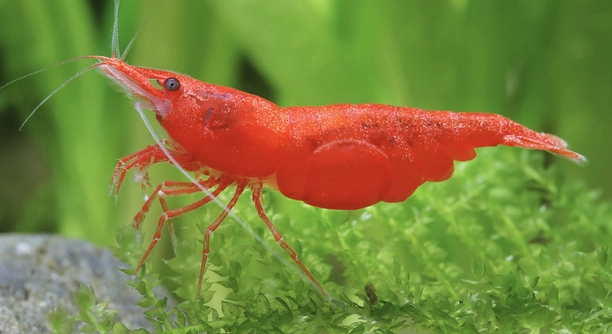
Have you ever noticed your shrimp gathering near the heater overnight, forming a small cluster that reflects their need for comfort and stability as temperatures shift gently within their aquatic environment during the night hours.
Shrimp hover near the heater overnight because they seek consistent warmth that supports metabolic stability. Variations in tank temperature can cause stress, prompting them to move closer to reliable heat sources, which helps maintain their comfort and nocturnal behavior patterns.
Understanding these nighttime movements offers insight into their needs and helps create a stable environment that supports calmer overall behavior.
Understanding Their Nighttime Behavior
Shrimp often shift their positions at night in ways that can feel subtle yet meaningful, and recognizing these changes helps me feel more connected to the small creatures moving through the tank with quiet intention. Their tendency to hover near the heater is tied to how their bodies respond to cooler temperatures during darker hours, when the water gradually loses warmth and becomes less comfortable for them. As the temperature drops, even slightly, they rely on the heater to provide steady conditions that reduce stress and help them maintain stable energy levels. This behavior becomes more noticeable in tanks placed in cooler rooms or near windows where the nighttime chill settles in. By observing their choices, I gain a clearer sense of the balance they seek between safety and comfort. It also reminds me how important it is to maintain consistent tank conditions that support their natural rhythm each day.
Keeping the heater at a stable setting supports their nightly movements and reduces issues that arise from sudden shifts. I like knowing that a small adjustment can make their environment calmer, allowing them to settle comfortably without unnecessary stress during the quiet hours of the night when warmth matters most.
Observing shrimp during these nighttime periods gives me a clearer sense of how much they rely on stability to feel secure in their habitat. Their behavior near the heater reflects a natural instinct to seek comfort when surrounding temperatures fluctuate. Maintaining a consistent environment helps them stay active, balanced, and less prone to stress. I find that small changes, such as adjusting room placement or managing drafts, can make a noticeable difference in their behavior. When they gather calmly instead of darting around restlessly, it signals that the tank is meeting their needs in a reliable and supportive way today.
Maintaining Stable Conditions
Stable conditions play a central role in supporting their comfort and preventing nighttime stress that leads them closer to the heater. I focus on steady temperature control to keep their habitat balanced and predictable, helping them stay calm during cooler hours in a way that supports their natural rhythm daily.
Creating a stable setup for shrimp begins with paying attention to how temperature behaves throughout the day and night, since even slight changes can affect their comfort. I try to keep the heater positioned in a way that distributes warmth evenly, allowing the entire tank to stay within a safe and predictable range. When the heater functions well and the surrounding environment remains steady, the shrimp show calmer behavior and move with greater ease. They rely heavily on environmental balance, which makes it important to avoid drafts, sunlight shifts, and inconsistent room temperatures. Another helpful step is ensuring the tank is sized appropriately, because smaller tanks tend to experience faster changes that leave shrimp seeking the warmest corner. Regular equipment checks also matter, as a malfunctioning heater can lead to sudden fluctuations that cause unnecessary stress. I have noticed that when everything stays consistent, the shrimp explore more freely instead of clustering tightly in search of comfort. Their steady movement and relaxed posture reflect a living space that supports their needs. Making thoughtful adjustments, even small ones, helps maintain this balance and encourages healthier behavior that continues through the night in a calm and steady way that benefits them fully.
Identifying Stress Signals
Shrimp show stress through subtle behaviors that become easier to recognize over time. Rapid movements, hiding more than usual, or clustering tightly near the heater often indicate discomfort caused by temperature changes, tank disturbances, or water quality shifts that make them seek stability and warmth for reassurance.
When I watch them closely, I notice that stressed shrimp tend to move erratically, especially when conditions shift too quickly. Their colors may appear slightly dull, and they might avoid areas of the tank where they usually explore. These signals tell me something in the environment needs attention. By addressing temperature inconsistencies, avoiding sudden changes in lighting, and checking the filter for steady output, I can help reduce their tension. It becomes clear that their behavior reflects the overall balance of the tank, and small adjustments often help them settle back into a calm and steady routine.
Maintaining water quality also affects how they handle nighttime changes. Even minor fluctuations in ammonia or nitrate levels can make them seek out safe zones near the heater. I try to keep the tank clean and avoid overcrowding, because both factors influence their stress levels. A consistent maintenance schedule helps them stay more relaxed and prevents sudden bursts of nervous activity. When everything remains stable, their movements become smoother, and they spend more time exploring different areas instead of clustering. Seeing them behave comfortably reassures me that the environment supports their natural habits and helps them feel grounded.
Adjusting the Tank Setup
Tank placement affects how evenly heat moves through the water, and choosing a stable spot keeps the shrimp comfortable. I avoid locations near windows or doors where drafts create unexpected cooling during the night, helping them maintain consistent behavior without needing to crowd the heater as often.
Adjusting a tank setup begins with ensuring the heater is strong enough for the tank size, because an undersized heater struggles to maintain stable warmth. I check for good water circulation, since poor flow can leave cold patches that encourage shrimp to gather in one warm corner. Adding gentle filtration helps distribute heat more evenly without creating strong currents that overwhelm them. I also pay attention to the room temperature, keeping it steady so the heater does not need to work excessively. Covering the tank partially can help retain warmth during colder nights. Over time, these small adjustments create a balanced environment that supports comfortable movement and reduces the need for them to seek extra heat.
Monitoring Temperature Changes
Nighttime temperature drops influence how shrimp move through the tank, and keeping an eye on those shifts helps maintain their comfort. I rely on a reliable thermometer to track changes and make adjustments before the water cools enough for them to cluster around the heater.
Consistent checks help me spot patterns that affect their behavior. When temperatures fall too quickly, they react by staying close to warm areas. Adjusting the heater settings or preventing drafts makes a noticeable difference. These small steps help them move more freely without seeking constant warmth.
Encouraging Natural Movement
Supporting their natural movement starts with maintaining a stable environment that feels predictable. I try to keep lighting soft and steady, especially during evening hours, so they transition comfortably into nighttime conditions. Balanced lighting helps reduce startle responses and promotes smoother activity throughout the tank. Ensuring they have enough space to explore encourages healthier movement patterns. I also use decor that allows gentle navigation without trapping cold pockets between objects. When the tank is arranged thoughtfully, they glide through the water with ease instead of gathering near one warm spot. Over time, these simple adjustments make their behavior feel more natural and relaxed.
Maintaining Peaceful Nights
A calm setup helps them settle comfortably after lights dim. Keeping conditions stable gives them the security they seek during their quiet nighttime hours.
Why do my shrimp gather near the heater overnight?
Shrimp naturally seek stable, warm areas when the surrounding water becomes cooler, especially during nighttime. I notice that even slight drops in temperature make them cluster around the heater. This behavior helps maintain their metabolic stability and reduces stress caused by sudden environmental changes. Over time, observing this pattern became predictable, and I learned that their clustering is a natural response rather than a sign of illness. Maintaining consistent temperature helps them feel secure and allows them to move freely without needing constant warmth.
Is it harmful if shrimp stay near the heater all night?
Generally, it is not harmful if they gather near the heater, as long as the tank temperature remains within a safe range. I make sure the heater is properly sized for the tank so it does not overheat the water. If the heat source is stable and consistent, the shrimp can safely hover without risk. Problems occur only if the heater creates uneven temperatures, leaving some areas too hot or too cold. Consistent monitoring ensures their nighttime behavior remains safe and supports healthy activity.
How can I prevent shrimp from clustering too much near the heater?
To reduce clustering, I maintain even temperature distribution throughout the tank. Proper circulation from a gentle filter or a well-placed heater helps warm the water evenly. I also avoid placing the tank near windows or drafts, which can create cooler spots. Adding decorations or plants that provide shelter encourages them to spread out. Observing their movements shows me that with these adjustments, they explore more of the tank instead of huddling in one area.
Do different shrimp species behave differently around heaters?
Yes, species vary in their temperature sensitivity and behavior. I noticed that some shrimp, like cherry shrimp, are more active and may only cluster briefly, while others, like Amano shrimp, prefer stable warmth for longer periods. Each species has unique responses to changes, so adjusting tank conditions based on species needs is essential. Observing them closely helps me understand their individual preferences and create an environment that supports all inhabitants equally.
What tank conditions help minimize stress near heaters?
Stable water temperature is the most important factor, but consistent water quality also matters. I perform regular water tests to ensure pH, ammonia, and nitrate levels remain safe. Soft lighting and minimal disturbances during nighttime support calmer behavior. Overcrowding increases stress, so maintaining an appropriate shrimp population helps them stay relaxed. A combination of warmth, clean water, and a predictable environment reduces the need to gather tightly around the heater.
Can sudden temperature changes cause long-term issues?
Yes, abrupt shifts can lead to stress, slower growth, or weakened immune responses. I learned that preventing drafts and avoiding rapid heater adjustments keeps the shrimp healthier over time. Gradual acclimation to changes is better than sudden fluctuations. Maintaining stability ensures they remain active, maintain normal coloration, and continue normal feeding patterns without unnecessary clustering or hiding.
Are there other ways to provide warmth without relying solely on the heater?
I sometimes use insulated tank covers or position the aquarium away from cold areas of the room to minimize heat loss. Natural water circulation can also help distribute warmth evenly. These measures reduce the need for shrimp to hover constantly near a single heat source. Careful monitoring ensures temperatures remain within a safe range for all species present.
How do I know if clustering is due to temperature and not illness?
Temperature-related clustering is usually consistent and predictable, occurring at night or during cooler periods. Illness often comes with additional signs like lethargy, loss of appetite, or unusual coloration. I check water quality and observe behavior patterns over several days to distinguish between environmental responses and health issues. When clustering is tied to nighttime or cooler water, it typically reflects comfort-seeking rather than sickness.
Does diet affect their tendency to hover near heaters?
Indirectly, yes. I found that well-fed shrimp are generally calmer and less prone to unnecessary movement, including clustering, because they have sufficient energy to cope with temperature shifts. Proper nutrition supports overall health, making them more resilient to minor environmental changes, including cooler water spots.
Maintaining a healthy environment for shrimp requires attention to temperature, water quality, and tank setup. Observing them closely over time shows how sensitive they are to even small changes in their surroundings. The way they gather near the heater at night is a natural response to cooler water, reflecting their need for comfort and stability. By keeping the heater at a consistent level and ensuring the surrounding water is evenly warmed, it becomes possible to reduce unnecessary clustering and support calmer behavior. I have found that even minor adjustments, such as repositioning the tank away from drafts or adding gentle circulation, can make a noticeable difference. These steps help create a balanced environment where shrimp can move freely without relying solely on one heat source. Understanding their nighttime behavior gives a clearer sense of their overall needs and helps maintain their health over time. It also provides reassurance that they are responding normally to environmental conditions rather than experiencing distress.
Water quality and tank maintenance play an equally important role in keeping shrimp comfortable. Regular checks for pH levels, ammonia, nitrites, and nitrates ensure that the environment remains safe and stable. I have seen firsthand how fluctuations in water parameters can cause them to hide or cluster more tightly, even near the heater. A clean tank with proper filtration and circulation not only distributes heat evenly but also reduces stress caused by sudden changes. Overcrowding or improper care can amplify clustering behavior, so maintaining a balanced population and careful feeding schedule is essential. When the tank is well-maintained, shrimp show calmer and more natural movement patterns. They explore different areas rather than huddling in one warm corner, which reflects their overall comfort and security. Observing these patterns provides insight into how small actions, like regular water changes and thoughtful tank arrangement, can create a more stable environment that meets their needs consistently.
Finally, understanding shrimp behavior is about noticing patterns and responding thoughtfully. Temperature, tank setup, and water quality all influence how they act at night, and simple adjustments can prevent stress and promote natural behavior. I have found that providing even warmth, stable conditions, and gentle lighting helps them settle more comfortably without excessive clustering near the heater. Offering space to explore and ensuring their environment is predictable allows them to maintain a healthy routine, even during cooler periods. Over time, these efforts reduce stress and create a calm, balanced habitat where shrimp can thrive. Observing them quietly and making consistent, small improvements gives a clearer understanding of their needs. This approach supports their long-term health, keeps their movements natural, and makes the tank a more harmonious environment overall. By focusing on stability, careful monitoring, and thoughtful adjustments, it is possible to provide shrimp with comfort, security, and a setting where they feel at ease during nighttime hours and beyond.

Hello,
If you enjoy the content that we create, please consider saying a "Thank You!" by leaving a tip.
Every little bit helps us continue crafting quality advice that supports the health, happiness, and well-being of pets around the world, for pets of all shapes, sizes, and species.
We really appreciate the kindness and support that you show us!