
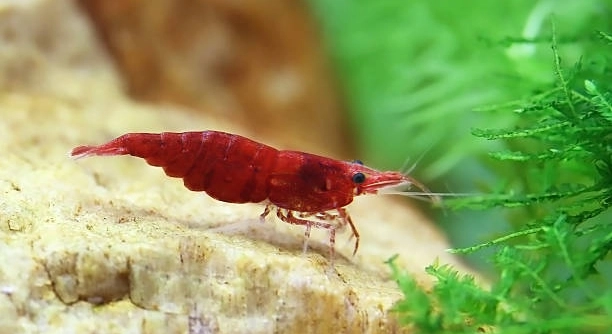
Cherry shrimp are a popular choice for freshwater aquariums, admired for their vibrant colors and active behavior. Ensuring they are healthy is key to maintaining a lively and balanced tank environment. Observing shrimp carefully is important.
A healthy cherry shrimp displays clear, vibrant coloring, active swimming patterns, and intact appendages. Proper feeding, clean water, and minimal stress contribute to their overall well-being, allowing them to thrive and reproduce successfully in a controlled aquarium setting.
Monitoring these indicators will make caring for your shrimp more rewarding. The following tips provide essential insights into maintaining their health effectively.
Bright and Vibrant Coloration
Healthy cherry shrimp should display bright, consistent colors across their body. Dull or faded coloration can indicate stress, poor water quality, or nutritional deficiencies. Observing your shrimp daily allows you to spot changes in color that may signal early health issues. Vibrant red or orange hues are signs of a well-fed shrimp living in a stable environment. Coloration also reflects genetics, but diet and tank conditions play a significant role in maintaining intensity. Shrimp that are lethargic and pale often need attention to water parameters or feeding routines. Proper nutrition, including algae wafers and blanched vegetables, helps maintain color while supporting growth and molting. Avoid overcrowding, as competition can reduce feeding efficiency and lead to color fading. Consistent water parameters, such as temperature and pH, also support healthy pigmentation. Regular observation ensures that any decline in color can be addressed promptly, keeping your shrimp visually appealing and active in the aquarium.
Bright coloration is an immediate indicator of health and proper care.
Maintaining these colors requires consistent diet and water quality. A balanced feeding routine is crucial, providing both protein and plant-based nutrients to enhance vibrancy. Daily observation lets you detect subtle changes before they worsen. Tank cleanliness, including regular water changes and monitoring ammonia or nitrite levels, reduces stress that could affect pigmentation. Avoid sudden changes in lighting or temperature, as these can cause temporary color fading. Stress-free shrimp display uniform hues, swim actively, and interact with tank mates. Over time, vibrant coloration also reflects successful molting cycles and overall vitality, ensuring a thriving aquarium ecosystem.
Active and Consistent Movement
Observing movement is key to determining shrimp health. Active shrimp explore their tank and forage regularly.
Shrimp that move slowly or hide often may be experiencing stress or illness. Proper water conditions and diet encourage normal activity.
Healthy cherry shrimp move with purpose, exploring plants and substrate for food. They use their legs and antennae constantly, picking at algae, biofilm, and leftover food. Activity levels can vary slightly depending on temperature, but sluggish or erratic movement is a warning sign. Molting stages may also temporarily reduce movement, but shrimp should recover quickly. Ensuring oxygenated water and avoiding overcrowding promotes natural swimming patterns. Stress from aggressive tank mates or sudden environmental changes can suppress activity. Active shrimp are better at feeding, molting successfully, and reproducing. Regular observation helps track behavior patterns, making it easier to detect subtle health issues early. Over time, consistent activity indicates a balanced tank ecosystem where shrimp can thrive and maintain strong physical condition. Proper attention to movement supports both immediate and long-term health.
Clear and Intact Shell
A healthy cherry shrimp has a firm, intact exoskeleton. Cracks, white spots, or softness indicate molting issues, injury, or poor water conditions. Observing their shell helps detect early problems before they worsen.
The exoskeleton protects the shrimp and supports movement. Regular molting is natural, allowing growth, but incomplete molts can signal stress, low calcium, or poor diet. Ensure calcium-rich foods and stable water parameters to support successful molting. Soft shells or damaged limbs may recover if conditions improve quickly, but prolonged issues can weaken the shrimp and reduce lifespan. Maintaining a clean tank and avoiding sudden changes in temperature or pH ensures shells remain strong.
Healthy shells appear smooth and shiny, reflecting good nutrition and stable water conditions. Watch for molting frequency and check that shrimp shed completely. Providing hiding spots reduces stress during molting, helping prevent damage to the shell. Consistent observation allows early intervention when shells show irregularities. A strong, intact shell ensures shrimp remain active, reproduce successfully, and maintain vibrant color. Maintaining calcium and mineral balance in the tank is critical for ongoing shell health.
Clear Eyes and Antennae
Clear eyes and long, active antennae indicate alertness and good health in cherry shrimp. Dull or cloudy eyes may signal disease or poor water quality.
Healthy shrimp have eyes that move and respond to light or movement. Antennae are used to explore the environment and locate food. Shrimp with damaged or shortened antennae may have experienced stress, aggression, or insufficient nutrition. Proper feeding and gentle tank conditions support full antenna growth and function. Observation of these features daily allows early detection of issues. Stress from overcrowding or incompatible tank mates can affect antennae activity, so ensure adequate space.
Eyes should remain dark, reflective, and symmetrical, while antennae are long and flexible. Any cloudiness, swelling, or loss may indicate infection or chemical exposure. Maintaining stable water parameters and providing hiding spots reduces stress that could impact these features. Feeding a balanced diet supports growth and regeneration of antennae if slightly damaged. Watching how shrimp use their antennae to explore and feed also reflects comfort and alertness. Clear eyes and active antennae are reliable indicators of overall health, behavior, and well-being in your shrimp.
Regular Feeding and Appetite
A healthy cherry shrimp eats consistently and shows interest in all available food. Ignoring food or feeding sporadically may indicate stress, illness, or water quality issues.
Providing a varied diet, including algae, vegetables, and high-quality shrimp pellets, supports growth and vibrant coloration. Monitor feeding behavior closely.
Smooth and Balanced Molting
Proper molting is essential for growth and overall health. Healthy shrimp shed their exoskeleton fully, without damage or delays. Frequent or incomplete molts can indicate low calcium, poor water conditions, or insufficient nutrition. Ensuring stable parameters and a mineral-rich diet supports smooth, successful molting. Regular observation helps detect irregularities early.
Active Social Interaction
Cherry shrimp often interact with tank mates and explore their environment together. Isolation or unusual aggression may signal stress or illness, requiring attention.
How often should I feed my cherry shrimp?
Cherry shrimp require small, regular feedings to stay healthy. Feeding once a day is usually sufficient for a lightly stocked tank, while more populated tanks may need slightly more. Avoid overfeeding, as leftover food can decay and harm water quality. A balanced diet includes algae wafers, blanched vegetables like spinach or zucchini, and occasional protein sources such as shrimp pellets or frozen daphnia. Observing how quickly shrimp consume their food helps determine if adjustments are needed. Uneaten food should be removed to maintain clean water and reduce stress. Consistent feeding encourages active behavior, vibrant coloration, and proper growth.
Can cherry shrimp live with other shrimp or fish?
Cherry shrimp are generally peaceful and do well in community tanks with small, non-aggressive species. Tank mates should not prey on or harass them. Other dwarf shrimp, snails, and some small tetras or rasboras are compatible. Avoid larger, aggressive fish that may eat shrimp, especially juveniles. Proper hiding places, like plants or moss, reduce stress and provide shelter during molting. Monitoring interactions ensures shrimp remain safe and active. Overcrowding or incompatible tank mates can lead to reduced feeding, stress, and color fading. A balanced and carefully chosen tank setup encourages natural behavior and long-term health for your shrimp.
How can I tell if my cherry shrimp is molting properly?
A proper molt involves a complete shedding of the exoskeleton. Healthy shrimp typically hide during molting and reemerge with a bright, intact shell. Signs of incomplete molting include stuck limbs, cracked shells, or a soft, fragile exoskeleton. Providing calcium-rich foods and maintaining stable water parameters is essential. Regular monitoring allows early detection of molting problems. Shrimp that fail to molt properly may become weak or vulnerable to disease. Stress, poor nutrition, or sudden changes in water temperature or pH can disrupt the molting process. Observation, diet, and environmental stability are key to smooth, healthy molts.
What water parameters are best for cherry shrimp?
Stable water conditions are critical for shrimp health. Ideal temperature ranges from 68–78°F (20–25°C), with a pH between 6.5 and 7.5. Ammonia and nitrite levels must remain at zero, while nitrate should be kept below 20 ppm. Regular testing helps maintain stability and prevents stress or illness. Soft to moderately hard water supports molting and shell formation. Sudden fluctuations in temperature, pH, or water chemistry can cause color fading, reduced activity, or even mortality. Clean, well-maintained tanks with gentle filtration and appropriate water changes promote optimal health. Consistency in water parameters ensures shrimp thrive and remain active.
Why is my cherry shrimp hiding all the time?
Hiding can occur during molting, illness, or stress. Providing sufficient plants, moss, and hiding spots reduces stress and offers security. Stress factors include poor water quality, aggressive tank mates, or sudden changes in environment. Frequent hiding may indicate health issues, such as parasites or bacterial infections. Observing feeding habits, coloration, and movement alongside hiding behavior helps identify the underlying cause. Correcting water parameters, ensuring proper nutrition, and adjusting tank dynamics can encourage shrimp to be more active. Consistent monitoring allows early intervention and helps maintain a healthy, vibrant shrimp population.
How can I encourage breeding in cherry shrimp?
Breeding requires stable water conditions, adequate hiding spots, and a balanced diet. Female shrimp show darker coloration when carrying eggs. Maintaining clean water with regular changes and supplying calcium-rich foods encourages successful molting and reproduction. Stress-free conditions, sufficient plants, and moss provide safe areas for juveniles. Overcrowding should be avoided, as it can lead to stress or competition for food. Ensuring stable temperature, pH, and gentle filtration supports breeding. Observing behavior and providing a consistent diet helps females develop eggs and promotes overall shrimp health. Healthy, active adults increase the likelihood of successful reproduction.
What should I do if my shrimp shows signs of illness?
Signs of illness include lethargy, discoloration, loss of appetite, or abnormal swimming. First, check water quality, including ammonia, nitrite, nitrate, pH, and temperature. Address any imbalances immediately. Quarantine affected shrimp if necessary to prevent disease spread. Improving diet and reducing stressors such as overcrowding or aggressive tank mates supports recovery. In some cases, veterinary consultation or appropriate aquarium medications may be required. Observing shrimp closely and acting promptly prevents minor issues from becoming serious. Preventative care, including clean tanks and proper nutrition, reduces the risk of future illnesses and ensures a thriving shrimp population.
Can cherry shrimp survive in a planted tank?
Cherry shrimp thrive in planted tanks, as plants provide shelter, food sources like biofilm, and hiding spaces during molting. Live plants also help stabilize water parameters and maintain oxygen levels. Moss, Java fern, and other low-maintenance plants are particularly suitable. A planted environment encourages natural foraging and active behavior. Plant selection should avoid sharp leaves that could damage shrimp. Fertilizers and chemicals must be shrimp-safe to prevent harm. Well-planted tanks not only improve shrimp health but also support breeding and juvenile survival. Proper plant care complements nutrition and water quality, creating a stable, enriching environment for your shrimp.
How do I maintain a clean tank without stressing my shrimp?
Regular water changes and substrate cleaning keep tanks healthy. Avoid sudden, large water replacements that may shock shrimp. Use gentle filtration and vacuum only lightly to prevent disturbing shrimp or eggs. Removing uneaten food prevents water contamination. Observing shrimp during maintenance ensures they remain safe. Gradual, consistent cleaning routines support water quality without causing stress. Adding moss or plants can reduce debris accumulation and provide shelter. Careful maintenance prevents disease, supports healthy molting, and encourages natural activity. Over time, consistent tank care promotes strong, vibrant shrimp that thrive in a balanced environment, minimizing health risks.
How can I improve the color of my cherry shrimp?
Vibrant coloration depends on diet, genetics, and water conditions. Feed high-quality shrimp pellets, blanched vegetables, and algae to maintain strong red or orange hues. Stable water parameters and low stress levels also enhance color intensity. Avoid overcrowding and aggressive tank mates that may reduce feeding efficiency or cause fading. Observing shrimp regularly ensures that changes in color are detected early. Adequate lighting and well-planted tanks promote natural behavior and stress reduction, contributing to brighter pigmentation. A balanced approach combining diet, water quality, and environment supports long-term color retention and overall shrimp health.
How do I prevent my cherry shrimp from molting problems?
Provide a consistent source of calcium and minerals, stable water parameters, and a clean, low-stress environment. Hiding spots during molting reduce injury risk. Avoid rapid changes in temperature or pH. Observing shrimp for incomplete molts allows early correction. Proper diet and environmental stability minimize molting complications. Overcrowding and aggressive tank mates should be avoided to prevent stress and damage during molting. Regular monitoring of water quality, including calcium and hardness, supports shell formation. When conditions are maintained, shrimp molt successfully, grow steadily, and maintain vibrant coloration. Consistency and careful observation are the most effective prevention measures.
Are juvenile cherry shrimp more vulnerable than adults?
Juveniles are smaller, softer, and more susceptible to stress, predation, and poor water quality. Providing plants, moss, and gentle filtration protects them. Proper feeding and stable water parameters promote growth and survival. Juveniles require higher attention to prevent early mortality. Observing interactions with adults and other tank mates helps ensure safety. Avoid overcrowding and rapid water changes that may stress young shrimp. A balanced diet, consistent environment, and proper shelter increase survival rates. Careful monitoring and gentle handling support healthy development from juveniles into vibrant, active adults, ensuring a thriving shrimp population in the tank.
Taking care of cherry shrimp requires attention to several key aspects of their environment and daily routine. Observing shrimp closely helps identify signs of good health or potential issues. Coloration, activity level, shell condition, and feeding behavior are immediate indicators of well-being. Shrimp that are vibrant, active, and feeding consistently are generally healthy, while dull coloration, sluggish movement, or refusal to eat can signal stress or illness. Maintaining stable water parameters, including temperature, pH, and hardness, is critical. Even small fluctuations can affect shrimp behavior, molting, and long-term survival. Consistent water changes, gentle filtration, and careful monitoring of chemical levels ensure a safe environment. A clean tank reduces the risk of bacterial growth and helps shrimp thrive. Hiding spaces like moss, plants, or small decorations provide security during molting and reduce stress, which is essential for maintaining overall health.
Nutrition also plays a major role in supporting healthy cherry shrimp. A varied diet, including high-quality shrimp pellets, blanched vegetables, and occasional protein sources, ensures they receive all essential nutrients. Calcium-rich foods are particularly important for proper shell formation and smooth molting. Feeding should be regular but moderate, avoiding overfeeding that can degrade water quality. Observing how shrimp interact with food helps adjust portions appropriately. Active feeding behavior often reflects comfort and well-being, while hesitation or disinterest in food may indicate an underlying problem. In addition to diet, providing an environment that encourages natural behavior, such as foraging among plants and substrate, supports physical activity and keeps shrimp engaged. Balanced nutrition combined with a stress-free environment contributes to long-term vitality, color retention, and reproductive success.
Finally, regular observation and proactive care are crucial for sustaining a healthy shrimp population. Paying attention to subtle changes in behavior, appearance, and movement allows early intervention before minor problems escalate. Monitoring molting cycles, antennae condition, and social interactions can reveal underlying issues that may not be immediately obvious. Avoiding sudden changes in water conditions, overcrowding, and incompatible tank mates minimizes stress and prevents common health problems. Keeping records of water parameters and molting patterns can help identify trends and improve management strategies. By combining stable water conditions, proper nutrition, and attentive observation, shrimp owners can maintain a vibrant and thriving community. Consistent care ensures that cherry shrimp remain healthy, active, and visually appealing, creating a balanced and sustainable aquarium environment that supports both daily enjoyment and long-term success.

Hello,
If you enjoy the content that we create, please consider saying a "Thank You!" by leaving a tip.
Every little bit helps us continue crafting quality advice that supports the health, happiness, and well-being of pets around the world, for pets of all shapes, sizes, and species.
We really appreciate the kindness and support that you show us!