
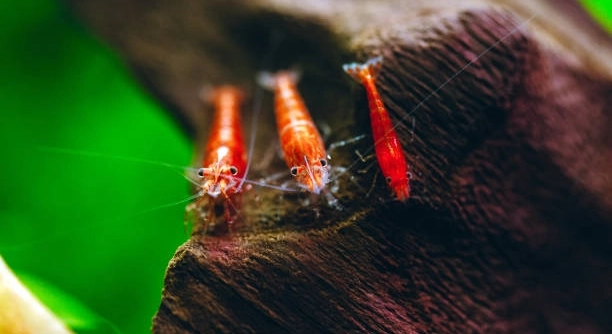
Are your freshwater shrimp ignoring the new driftwood in your tank despite your careful placement? Many shrimp owners notice this behavior and wonder why their pets are not exploring or interacting with added decorations.
Shrimp often avoid new driftwood due to unfamiliarity and chemical composition. Freshly added wood may release tannins or lack biofilm, which shrimp use for food and shelter. Acclimating the driftwood over time encourages gradual exploration and interaction.
Understanding why shrimp hesitate to approach new additions can improve tank harmony. Small adjustments in preparation and placement can make a significant difference in their comfort and activity.
Why Shrimp Avoid New Driftwood
Adding new driftwood to your shrimp tank can seem simple, but shrimp often ignore it at first. This is usually because the wood is unfamiliar and may not yet have the biofilm they feed on. Biofilm is a layer of microorganisms that naturally forms over time and provides essential nutrients. Fresh driftwood can also release tannins, which slightly alter water chemistry. While tannins are generally safe, shrimp may initially avoid areas with strong chemical changes. The size, texture, and shape of the wood can influence how quickly shrimp explore it. Smooth surfaces are less attractive than rough, creviced areas where they can graze and hide. Patience is key, as shrimp gradually acclimate to new elements. Adding the driftwood slowly or pre-soaking it can reduce hesitation. Watching them explore in stages can help you understand their behavior and adjust placement accordingly.
New driftwood may require weeks to become fully integrated into the tank.
Gradual exposure is important. Shrimp feel safer in familiar surroundings, and providing small hiding spots around new wood encourages exploration. Consistent water conditions reduce stress and make shrimp more willing to interact with additions.
Preparing Driftwood for Shrimp
Soaking driftwood before placing it in the tank helps remove excess tannins and prevents sudden changes in water chemistry. This step ensures shrimp are not deterred by strong discoloration or taste. Boiling smaller pieces can accelerate the process and remove unwanted organisms. Larger pieces may need days or weeks of soaking. Cleaning driftwood thoroughly before introducing it avoids introducing bacteria or fungi that could harm the tank. Once soaked, placing the wood in the tank gradually allows shrimp to inspect it on their own schedule. Observation is crucial, as shrimp may prefer certain surfaces over others. Rotating or repositioning wood can encourage them to explore different areas, creating a more dynamic habitat. Consistency in lighting, water parameters, and feeding helps shrimp feel secure and willing to investigate new elements, ultimately promoting healthier behavior and a balanced environment.
Encouraging Shrimp to Explore
Providing hiding spots near new driftwood helps shrimp feel safe. Leaf litter, small rocks, or moss around the wood can reduce stress and make them more likely to investigate. Gradual exposure is more effective than sudden placement.
Shrimp rely heavily on a sense of security when exploring unfamiliar objects. By adding moss, leaves, or other small decorations around new driftwood, you create an inviting environment that encourages movement. Shrimp are naturally cautious, and providing multiple sheltered areas allows them to graze and settle without feeling exposed. This approach reduces hesitation and improves interaction with new tank elements over time, creating a balanced, healthy environment for them.
Regular observation is important to understand preferences. Some shrimp may favor rough surfaces, while others prefer smoother areas with more cover. Adjust placement and surrounding elements accordingly. Over time, repeated exposure and consistent conditions help shrimp integrate new driftwood into their daily routine, making it a familiar and beneficial part of the habitat.
The Role of Biofilm
Biofilm is essential for shrimp nutrition and interaction with new surfaces. Without it, driftwood may remain untouched for weeks. Cleaning or soaking driftwood removes excess tannins but also delays biofilm formation.
Shrimp feed on biofilm, a naturally occurring layer of bacteria, algae, and microorganisms that develops on driftwood and other surfaces. Newly added driftwood lacks this layer, making it less attractive. To encourage shrimp exploration, pre-soaking the wood in established tank water allows biofilm to begin forming. Introducing small amounts of supplemental food near the driftwood can also help. Shrimp gradually recognize the area as a food source, which increases grazing activity and interaction. Consistent water parameters, gentle lighting, and a stable environment promote faster biofilm development and make driftwood a functional part of the habitat.
Gradual Introduction
Placing new driftwood in a separate container with tank water for a few days helps shrimp acclimate to changes. This reduces stress and prevents sudden avoidance of the new item.
Observing shrimp behavior during this period shows how quickly they adjust. Gradual exposure allows them to explore at their own pace, creating a sense of safety and familiarity.
Lighting and Placement
Shrimp prefer shaded or low-light areas when exploring new surfaces. Positioning driftwood in quieter corners with soft lighting encourages activity and grazing. Avoid placing it under direct bright lights, which may make shrimp hesitant to investigate. A consistent light schedule helps them adapt naturally over time.
Patience and Observation
Frequent, calm observation allows you to notice preferences and activity patterns. Patience is key when introducing new elements, as shrimp gradually gain confidence and begin exploring naturally.
FAQ
Why do my shrimp ignore new driftwood for weeks?
Shrimp are naturally cautious and rely on familiarity when exploring new objects. Newly added driftwood often lacks biofilm, the layer of microorganisms that shrimp feed on. Additionally, fresh driftwood may release tannins, slightly changing water chemistry. Gradual exposure and pre-soaking the wood help shrimp feel secure and encourage interaction over time.
Can shrimp eventually get used to driftwood?
Yes, shrimp usually acclimate once the wood becomes familiar and develops biofilm. Providing hiding spots, moss, and leaves around the driftwood encourages them to explore. Consistent water parameters, gentle lighting, and a stable environment make it easier for shrimp to recognize the wood as a safe and beneficial part of their habitat.
Is soaking driftwood necessary before adding it to the tank?
Soaking driftwood is recommended. It reduces excess tannins, prevents sudden changes in water chemistry, and allows microorganisms to start forming biofilm. Boiling small pieces speeds up the process, while larger pieces may need days or weeks. Properly soaked wood is more inviting for shrimp and minimizes initial avoidance behavior.
How does biofilm influence shrimp behavior?
Biofilm is essential for shrimp nutrition and comfort. Shrimp feed on this layer of bacteria, algae, and microorganisms, which naturally forms on driftwood. Without it, new wood may be ignored. Encouraging biofilm growth by pre-soaking the driftwood or placing small food sources nearby helps shrimp recognize the area as a grazing spot.
Should I move driftwood around to encourage exploration?
Yes, but do it gradually. Shrimp prefer stability and may become stressed if decorations are moved too frequently. Small adjustments, such as rotating wood or adding moss around different areas, encourage them to explore without causing anxiety. Observing their reactions ensures changes are beneficial.
Does lighting affect shrimp interaction with driftwood?
Shrimp are more likely to approach shaded or low-light areas. Placing driftwood in corners or behind plants under softer lighting encourages activity. Bright, direct light can deter them from exploring. Maintaining a consistent lighting schedule helps shrimp adapt naturally and gradually explore new elements.
How long does it take for shrimp to start using new driftwood?
Timing varies depending on shrimp species, wood type, and tank conditions. It can take days or weeks for shrimp to explore unfamiliar driftwood fully. Gradual exposure, biofilm growth, and providing safe, shaded spaces speed up the process. Patience and observation are crucial during this period.
Can I add food to encourage shrimp to explore driftwood?
Yes, placing small amounts of food near or on the driftwood can help shrimp associate it with nourishment. This encourages grazing and interaction, making the wood more attractive. Be careful not to overfeed, as excess food can affect water quality and shrimp health.
Do shrimp prefer certain types of driftwood?
Shrimp tend to prefer rough, textured surfaces with crevices where biofilm can grow. Smooth, flat wood is less attractive as it offers fewer grazing areas. Considering the size, texture, and shape of the wood improves the likelihood of shrimp exploring and using it consistently.
How can I tell if my shrimp are stressed by new driftwood?
Signs of stress include hiding excessively, reduced grazing, and slower movement. If shrimp avoid driftwood for long periods, ensure water parameters are stable, provide additional hiding spots, and introduce the wood gradually. Observing behavior closely helps identify and address issues early.
Is it necessary to clean driftwood before adding it to the tank?
Yes, cleaning driftwood removes dirt, debris, and potential harmful organisms. Boiling or soaking the wood also helps release tannins and start biofilm formation. Clean driftwood is safer and more inviting for shrimp, reducing the risk of hesitation or stress.
What else can help shrimp accept new driftwood faster?
Consistency is key. Stable water parameters, gentle handling, and gradual exposure all contribute to faster acclimation. Providing nearby plants, moss, or leaf litter creates secure areas and encourages exploration. Regular observation ensures the driftwood becomes a functional, well-used part of the tank environment.
Final Thoughts
Adding new driftwood to a shrimp tank is not always as simple as it seems. While it may look like an easy decoration, shrimp often approach new elements with caution. They rely on familiarity and safety, and any sudden change in their environment can make them hesitant. Fresh driftwood lacks the natural biofilm that shrimp feed on, and it may release tannins, which slightly change water conditions. These factors combined can make shrimp avoid the new addition for days or even weeks. Observing this behavior is normal and does not necessarily indicate a problem. Gradual introduction and proper preparation can significantly reduce avoidance and encourage shrimp to interact with their new environment.
Preparation of driftwood is an important step to ensure it is suitable for shrimp. Soaking or boiling driftwood before adding it to the tank helps release excess tannins and prevents sudden changes in water chemistry. This process also allows microorganisms to begin forming biofilm, which attracts shrimp and provides essential nutrition. The shape, texture, and placement of the wood also influence shrimp interaction. Rough surfaces with crevices are more appealing than smooth, flat surfaces. Additionally, providing moss, leaf litter, or small rocks around the driftwood creates hiding spots, giving shrimp a sense of security while they explore. Gradual exposure and observing shrimp behavior are effective ways to ensure the wood becomes a functional part of the tank habitat.
Patience and consistency are key when introducing new driftwood. Shrimp adjust at different rates depending on species, tank conditions, and individual behavior. Light, water stability, and surrounding tank elements all affect their willingness to explore. Low-light or shaded areas encourage movement and grazing, while bright, exposed spaces may cause hesitation. Offering small amounts of food near the driftwood can also guide shrimp to investigate and graze naturally. Over time, as biofilm develops and shrimp become familiar with the new surface, they will interact more confidently. Understanding these factors helps create a balanced, healthy tank environment, where shrimp feel safe and active, and the driftwood becomes a beneficial feature of their habitat.

Hello,
If you enjoy the content that we create, please consider saying a "Thank You!" by leaving a tip.
Every little bit helps us continue crafting quality advice that supports the health, happiness, and well-being of pets around the world, for pets of all shapes, sizes, and species.
We really appreciate the kindness and support that you show us!