
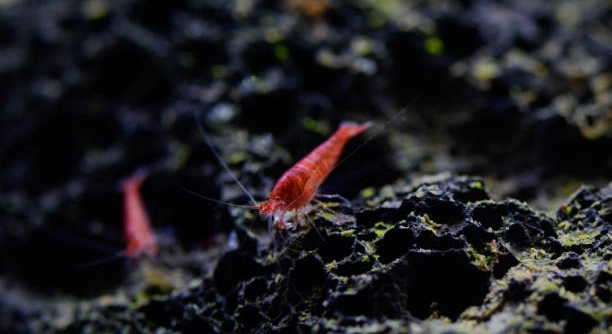
Do you ever find yourself carefully preparing your shrimp tank, only to notice some of your shrimp acting strangely or hiding more than usual? Water conditions play a huge role in their comfort and health.
Certain water additives can create an environment that shrimp may find stressful or harmful. Additives such as high levels of salt, copper-based treatments, strong chemicals, or unbalanced pH modifiers can disrupt shrimp’s delicate systems and negatively affect their well-being.
Knowing which additives may cause stress or harm can help you maintain a healthier, happier shrimp tank and ensure your aquatic pets thrive in their environment.
High Levels of Salt
Excessive salt in shrimp tanks can cause significant stress to freshwater species. While some shrimp tolerate small amounts for health benefits, too much salt affects their delicate exoskeletons and internal balance. It can lead to dehydration, molting difficulties, and even death in extreme cases. Many shrimp owners add salt to treat illnesses or adjust water chemistry, but without careful measurement, it can quickly become harmful. Even seemingly minor additions, like using aquarium salt for plant health, must be monitored. Shrimp are sensitive to sudden changes, so any increase in salinity should be gradual. Observing shrimp behavior after adjustments helps determine whether they are adapting or struggling. Reducing or eliminating unnecessary salt additions is often the safest approach. Using a reliable test kit ensures levels remain within safe ranges. Healthy shrimp maintain bright colors and active movement, while stressed individuals may hide or lose appetite. Maintaining stable water parameters is crucial for long-term survival and comfort.
Gradually adding salt is safer than sudden changes, and always measure levels carefully to avoid harming shrimp. Monitoring behavior is essential.
Avoiding unnecessary salt helps maintain stable water conditions and supports shrimp health. Proper measurement and observation prevent stress, molting issues, and potential fatalities. Stable, balanced water is key to a thriving tank environment.
Copper-Based Treatments
Copper-based medications are highly toxic to shrimp. Even small doses intended for other fish species can be lethal to freshwater shrimp. Copper interferes with their gill function and nervous system, leading to rapid health decline. In mixed tanks, adding copper treatments to control algae or parasites poses significant risks. Shrimp may show signs of lethargy, color fading, or unusual swimming patterns. Owners often overlook copper presence in some medications or supplements, but careful checking is necessary. Avoid using general fish medications unless they are shrimp-safe. There are alternative treatments for common fish illnesses that do not harm invertebrates. Shrimp-only tanks should remain free from copper entirely to ensure safety. By being vigilant about product ingredients, shrimp keepers can prevent accidental poisoning. Proper quarantine practices for new fish also help reduce the need for chemical interventions, protecting all tank inhabitants.
Copper compounds must be strictly avoided to prevent rapid health deterioration in shrimp.
Even minimal exposure to copper can disrupt physiological processes, impairing molting and overall survival. Alternatives such as targeted parasite treatments or herbal remedies can protect shrimp without risking toxicity. Checking labels, quarantining new fish, and maintaining copper-free environments are essential. Consistent monitoring and careful product selection ensure shrimp thrive safely.
Strong Chlorine and Chloramine
Chlorine and chloramine in tap water are highly toxic to shrimp. Even small amounts can burn their gills and stress them severely. Using a proper dechlorinator is essential before adding water to the tank to protect shrimp health.
Shrimp are extremely sensitive to chemicals in tap water. Chlorine can cause immediate harm, affecting respiration and leading to lethargy or death. Chloramine, often used in municipal water, is more stable and harder to remove. Simply letting water sit does not eliminate chloramine. Dechlorinating agents specifically designed for aquariums neutralize both chlorine and chloramine, making water safe for delicate invertebrates. Regular testing ensures levels remain safe, preventing unexpected stress or fatalities. Many shrimp owners learn this the hard way when new water additions suddenly cause hiding or mortality.
Even trace amounts of these chemicals can accumulate over time, weakening shrimp and reducing molting success. Careful treatment, consistent testing, and using reliable dechlorinators help maintain stable water quality. Proper water preparation prevents sudden shocks and ensures shrimp remain active, healthy, and thriving in their habitat.
High Levels of Ammonia
Ammonia buildup in shrimp tanks is extremely dangerous. Shrimp are very sensitive to even small concentrations, which can cause gill damage, lethargy, and death. Proper filtration and regular water changes are essential to control ammonia levels.
Ammonia is produced from waste, uneaten food, and decaying plants. In small amounts, it can stress shrimp, but higher concentrations are fatal. Shrimp lack the tolerance that many fish have, making it critical to monitor levels frequently. Biological filtration helps convert ammonia into less harmful nitrites and nitrates, but it must be well-established. Overfeeding or overcrowding can overwhelm filtration systems, allowing ammonia to spike quickly. Testing water regularly with an accurate kit helps detect dangerous levels before they harm shrimp. Immediate partial water changes are often required to reduce ammonia and restore safe conditions. Observing shrimp behavior, such as sluggish movement or hiding, can indicate elevated ammonia.
Maintaining a clean, well-filtered tank is essential to shrimp health. Regular monitoring, careful feeding, and avoiding overcrowding prevent ammonia spikes. Consistent attention ensures shrimp remain active, healthy, and able to molt properly, promoting long-term survival and well-being in their aquatic environment.
High pH Fluctuations
Shrimp are sensitive to rapid pH changes. Sudden shifts can stress them, cause molting problems, and even lead to death. Maintaining stable pH is crucial for their health.
Even minor swings in pH can affect shrimp behavior and digestion. Consistent monitoring and gradual adjustments help prevent stress and ensure a safe environment.
Strong Medications
Many aquarium medications are too harsh for shrimp. Chemicals meant for fish illnesses often damage their delicate systems or cause sudden death.
Using shrimp-safe alternatives is essential. Always check labels carefully and avoid treatments containing heavy metals or strong chemicals that could harm invertebrates.
Excessive Carbon Dioxide
Too much CO2 in the water lowers oxygen levels. Shrimp struggle to breathe when dissolved oxygen drops, leading to lethargy or fatalities.
Monitoring CO2 injection systems and keeping levels balanced ensures shrimp receive adequate oxygen. Proper circulation and aeration support their health and activity.
What additives should I avoid if I keep shrimp?
Shrimp are sensitive to several common water additives. High levels of salt, copper-based treatments, strong chlorine, or unbalanced pH modifiers can harm or stress them. Even small amounts of these substances may interfere with molting, feeding, and overall health. Avoid unnecessary chemical treatments and focus on shrimp-safe alternatives.
Can I use general fish medications in a shrimp tank?
Many fish medications contain chemicals that are toxic to shrimp. Copper-based treatments, in particular, can cause rapid health decline and death. Always check labels carefully, and if the product is not labeled safe for invertebrates, avoid using it. There are specific shrimp-safe treatments available for common tank issues.
How do I safely adjust pH in my shrimp tank?
Shrimp are very sensitive to sudden pH changes. Adjust pH gradually using shrimp-safe buffers or natural methods like driftwood or peat moss. Frequent testing is essential. Sudden swings can stress shrimp, interfere with molting, and reduce survival rates. Stability is more important than targeting an exact number.
Is tap water safe for shrimp?
Tap water often contains chlorine or chloramine, both harmful to shrimp. Always treat water with a proper dechlorinator before adding it to the tank. Letting water sit overnight is not enough to remove chloramine. Testing water regularly ensures levels remain safe for delicate invertebrates.
How do I manage ammonia in a shrimp tank?
Ammonia is highly toxic to shrimp. It comes from waste, uneaten food, and decaying plants. Use a strong biological filter and perform regular water changes to keep ammonia near zero. Overfeeding and overcrowding increase ammonia levels quickly. Testing water and observing shrimp behavior can help catch problems early.
Can CO2 injections harm shrimp?
High CO2 levels reduce oxygen in the water, which can stress shrimp. Monitor CO2 injection systems carefully, ensuring proper circulation and aeration. Excessive CO2 can lead to lethargy or fatalities. Keep levels balanced to provide enough oxygen for shrimp to breathe and remain active.
Are any minerals harmful to shrimp?
Certain minerals, like excessive calcium or magnesium, can stress shrimp if concentrations rise too high. While some minerals are beneficial for shell development, balance is key. Regular water testing and avoiding unnecessary supplements help maintain safe mineral levels.
How do I know if my shrimp are stressed by water additives?
Signs of stress include hiding, sluggish movement, color fading, reduced feeding, and molting difficulties. Observing behavior after water changes or treatments helps identify problems. If these signs appear, test water parameters and remove or dilute harmful additives immediately.
Are all water conditioners safe for shrimp?
Not all water conditioners are shrimp-safe. Many neutralize chlorine but may contain other chemicals harmful to invertebrates. Use conditioners specifically labeled safe for shrimp to avoid accidental toxicity. Testing and careful monitoring ensures your tank remains a healthy environment.
Can I use salt to treat shrimp illnesses?
Some shrimp can tolerate very low levels of salt, but excessive salt is harmful. Salt affects their delicate exoskeleton and internal balance, leading to dehydration and molting problems. Only use minimal, controlled amounts if absolutely necessary, and always observe shrimp closely for signs of stress.
How do I prevent future issues with additives?
Maintain stable water parameters, avoid unnecessary chemicals, and use only shrimp-safe products. Regular testing and gradual adjustments help prevent stress and fatalities. Observing shrimp behavior provides early warning signs, allowing interventions before problems escalate. Consistency is key to long-term shrimp health and tank stability.
Can hiding or reduced feeding indicate water additive problems?
Yes. Shrimp often respond to harmful chemicals by hiding, reducing feeding, or staying inactive. These behaviors indicate stress from poor water conditions, toxic treatments, or rapid parameter changes. Immediate water testing and corrective measures are essential to prevent long-term harm.
How often should I test water for shrimp safety?
Frequent testing is essential, especially after water changes or adding any additives. Monitor pH, ammonia, nitrites, nitrates, and other relevant parameters. Regular observation helps maintain a stable environment and ensures any harmful substances are detected and corrected quickly.
What is the safest approach to adding supplements or treatments?
Only use products labeled as shrimp-safe and add them gradually. Monitor shrimp behavior closely. Avoid combining multiple chemicals at once, as interactions can increase toxicity. Testing water before and after additions ensures safety and prevents unintentional stress or fatalities.
How do I recover shrimp after exposure to harmful additives?
Immediate water changes and removal of toxic substances are essential. Aerate the tank to improve oxygen levels and monitor shrimp closely for recovery signs. Supportive measures, such as maintaining stable temperature, pH, and clean water, help shrimp regain strength and resume normal behavior.
This FAQ section covers the most common concerns related to water additives in shrimp tanks. Following these guidelines helps prevent stress, molting issues, and fatalities, ensuring shrimp remain healthy, active, and thriving in their environment.
Maintaining a healthy environment for shrimp requires careful attention to water quality and the substances added to the tank. Even small amounts of certain chemicals or additives can cause stress, impact molting, and threaten their survival. Many common water treatments, such as copper-based medications, high salt levels, or unbalanced pH modifiers, are particularly risky. Shrimp are delicate invertebrates, and their systems are much more sensitive than most fish. By understanding which substances they might dislike or react poorly to, it is possible to prevent unnecessary harm and create a more stable and comfortable habitat. Regular monitoring of water parameters is essential, including ammonia, nitrite, nitrate, pH, and oxygen levels. Observing shrimp behavior after any change or addition can indicate whether they are adapting well or experiencing stress. Even seemingly minor changes can make a noticeable difference, so taking a cautious approach is always recommended. A well-maintained tank supports not only the health of the shrimp but also their natural behaviors, such as feeding, molting, and interacting with their environment.
Avoiding harmful additives and using only shrimp-safe products is one of the most effective ways to maintain a stable tank. Chlorine and chloramine, common in tap water, must always be neutralized before adding water to a shrimp habitat. Similarly, medications intended for other fish species often contain chemicals that shrimp cannot tolerate, and even trace amounts can have serious consequences. Salt, although occasionally used for certain treatments, should be applied very carefully because high levels can lead to dehydration and molting difficulties. Excessive carbon dioxide and rapid pH fluctuations also create stressful conditions that affect shrimp health. Monitoring each change, testing water frequently, and taking gradual steps when adjusting conditions ensures that shrimp remain safe. Creating a predictable, consistent environment helps shrimp maintain normal activity levels, reduces hiding, and supports overall well-being. The goal is to prevent sudden shocks while keeping the tank balanced and safe for long-term health.
Maintaining a shrimp-friendly tank is a careful balance of observation, testing, and cautious adjustments. Paying attention to water quality and avoiding substances that may harm them allows shrimp to thrive. Behavior changes, reduced feeding, or unusual hiding often signal that conditions need attention. Proper preparation and knowledge of which additives may cause harm make it possible to manage these risks effectively. By consistently providing clean, stable water and using only safe products, shrimp can grow, molt successfully, and display their natural colors and behaviors. Shrimp keepers benefit from learning to read subtle signs of stress and addressing issues before they escalate. Over time, this careful approach builds confidence in maintaining a healthy tank, reducing losses, and creating an environment where shrimp can flourish. Ultimately, understanding how various additives affect shrimp allows for informed decisions, ensuring their long-term health and happiness in the aquarium.

Hello,
If you enjoy the content that we create, please consider saying a "Thank You!" by leaving a tip.
Every little bit helps us continue crafting quality advice that supports the health, happiness, and well-being of pets around the world, for pets of all shapes, sizes, and species.
We really appreciate the kindness and support that you show us!