
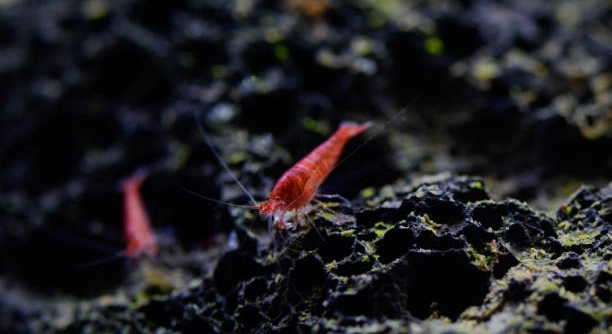
Do you ever notice your cherry shrimp moving differently just before a water change? Many hobbyists have observed subtle shifts in their behavior, often hinting at a response to changes in their environment.
Cherry shrimp can sense an incoming water change through fluctuations in water parameters, such as temperature, pH, and chemical composition. These sensitive invertebrates react to environmental cues, displaying changes in activity or hiding behavior in anticipation of disturbances.
Observing these reactions can improve your care routine and help maintain a stable, healthy tank environment for your shrimp.
How Cherry Shrimp React to Water Changes
Cherry shrimp are very sensitive to their environment. Even small changes in water temperature, pH, or chemical balance can trigger noticeable behavior shifts. Before a water change, you might see them become more active or retreat to hiding spots. These behaviors are natural survival responses, helping them adjust to potential disturbances. Some shrimp may cluster in certain areas or cling to plants and decorations. Their reactions can vary depending on their individual temperament, the size of the tank, and how often water changes occur. Over time, shrimp in a stable environment may show subtler signs of sensing changes. Observing these patterns can give you insight into their comfort level. Making water changes gradual and consistent helps reduce stress and maintain healthy shrimp. Monitoring their reactions also allows you to adjust your routine and create a more balanced aquarium ecosystem, ensuring both shrimp and tank plants thrive under predictable conditions.
Behavior before a water change is usually subtle but noticeable with careful observation.
Consistent, gradual water changes minimize stress for cherry shrimp. Sudden alterations can cause hiding, erratic swimming, or reduced feeding. Observing shrimp behavior over time helps identify their comfort threshold. Small tanks may amplify reactions because water parameters shift faster. Adding conditioned water slowly can prevent sudden stress. Watching how shrimp interact with their surroundings provides clues about upcoming changes. They may cluster near plants or corners, responding to subtle environmental cues. Maintaining a stable schedule reduces these reactions, making them more predictable. Even slight temperature differences can trigger hiding or increased movement. Shrimp are highly sensitive to ammonia and nitrite spikes, which often accompany unconditioned water. Consistently monitoring water parameters ensures they remain within safe ranges. Over time, shrimp learn patterns and adjust behavior, which helps you manage changes with minimal disruption. A calm, predictable environment encourages feeding and activity while keeping stress low. Observation and adjustment form the core of effective shrimp care.
Signs Your Shrimp Are Stressed
Stress in cherry shrimp shows through changes in color, activity, or hiding.
Over time, prolonged stress can weaken their immune system, affecting molting and reproduction. Stress may arise from sudden water changes, poor water quality, overcrowding, or aggressive tankmates. Shrimp under stress often hide more, eat less, or display muted colors. These behaviors are warning signs that the tank conditions may need adjustment. Monitoring water parameters such as temperature, pH, hardness, ammonia, and nitrite levels is essential. Providing sufficient plants and hiding spots helps reduce visible stress responses. Gentle handling and predictable routines also support their well-being. Identifying stress early prevents long-term health issues. Keeping water conditions stable and changes gradual allows shrimp to adapt naturally. Over time, even small, consistent improvements in care can restore their activity, feeding, and coloration. Ensuring a calm environment promotes normal molting cycles and encourages breeding behavior. Attention to these details improves overall shrimp health and makes water changes a smoother, less stressful process.
Preparing for a Water Change
Gradual water changes reduce stress for cherry shrimp. Adding new water slowly and matching temperature and pH prevents sudden shocks and keeps shrimp active and healthy.
Using a siphon or gentle pour prevents disturbing the substrate. Test new water for temperature, pH, and hardness before adding it to the tank. Avoid strong chemical cleaners or unconditioned tap water, as this can harm shrimp. Pre-mixing water in a separate container allows parameters to stabilize. Small, frequent changes are better than large, infrequent ones, ensuring stability and minimizing stress. Observing shrimp during the process helps identify any adverse reactions immediately, allowing quick adjustments. Over time, shrimp become accustomed to regular, careful changes, maintaining consistent activity and feeding behavior. Consistency in timing, method, and water conditions strengthens tank stability and overall shrimp health.
Even after careful preparation, some shrimp may briefly hide or reduce movement. Watching these subtle signals helps fine-tune your water change routine.
Tools and Techniques for Safe Water Changes
Using the right tools ensures smooth water changes. A soft siphon, bucket, and water conditioner help keep shrimp safe. Avoid strong suction near shrimp to prevent injury.
Regular monitoring of water parameters is essential before and after each change. Maintaining proper temperature, pH, and hardness ensures a stable environment. Gentle pouring or siphoning prevents substrate disturbance, which can release harmful toxins. Keeping some live plants or decorations in place reduces stress by providing hiding spots. Pre-conditioning water with dechlorinator or temperature adjustment protects shrimp from shock. Using smaller, frequent changes keeps water chemistry consistent, avoiding drastic shifts. Observing shrimp during the process helps identify reactions and adjust techniques as needed. Over time, a consistent approach with the right tools makes water changes efficient, safe, and minimally stressful for shrimp.
Timing and Frequency of Water Changes
Regular, consistent water changes keep shrimp healthy. Small, frequent changes prevent drastic shifts in water parameters and reduce stress.
Scheduling changes at the same time helps shrimp adjust. Sudden or irregular changes can trigger hiding or erratic swimming behaviors.
Observing Shrimp Behavior During Changes
Paying attention to how shrimp react during water changes is essential. Some may hide, while others explore new water cautiously. Observing patterns over time helps you adjust your routine. Changes in color, activity, or clustering can indicate stress or comfort.
Maintaining Water Quality Between Changes
Testing water regularly prevents buildup of harmful chemicals. Keeping ammonia, nitrites, and nitrates in check ensures shrimp remain active and healthy.
Common Mistakes to Avoid
Rushing water changes or using untreated water can harm shrimp. Always prepare and condition water before adding it to the tank.
FAQ
Can cherry shrimp sense water changes before they happen?
Yes, cherry shrimp can sense changes in water parameters like temperature, pH, and chemical composition. These small shifts may make them hide, move cautiously, or cling to surfaces. Their sensitivity allows them to react before a full water change is complete. Observing these behaviors helps you adjust your routine to minimize stress.
How can I make water changes less stressful for my shrimp?
Gradual, small water changes are best. Pre-condition water by matching temperature, pH, and hardness to the tank. Use a siphon or gentle pouring method to avoid disturbing substrate. Avoid sudden or large changes that can shock shrimp and alter water chemistry drastically. Maintaining a consistent schedule helps shrimp become accustomed to routine changes.
How often should I change water for cherry shrimp?
Frequent, small changes are preferable to large, infrequent ones. Weekly water changes of 10–20% usually keep water parameters stable. If your tank is heavily stocked, more frequent changes may be needed. Monitoring water quality and shrimp behavior helps determine the best schedule for your specific tank conditions.
What signs indicate my shrimp are stressed during a water change?
Shrimp may hide, swim erratically, or lose color when stressed. Reduced feeding and clustering in corners or near plants are also common signs. Observing these behaviors helps you identify if water changes are too sudden or if water parameters are inconsistent. Stress management keeps shrimp healthy and active.
Is tap water safe for cherry shrimp?
Tap water can be used if properly treated. Always use a water conditioner to remove chlorine or chloramine. Check for metals or impurities that could harm shrimp. Matching temperature, pH, and hardness before adding the water helps maintain stability and prevents shock. Pre-conditioning water reduces risk of stress.
Can cherry shrimp detect chemicals in the water?
Yes, cherry shrimp are sensitive to chemicals like ammonia, nitrites, and nitrates. Even small fluctuations can trigger behavioral changes. Regular water testing ensures safe levels and prevents harm. Their ability to detect these compounds highlights the importance of careful water management and maintaining a clean, stable environment.
Do shrimp react differently in large versus small tanks?
Shrimp in smaller tanks often show more noticeable reactions because changes in water parameters happen faster. In larger tanks, fluctuations are slower, so reactions may be subtler. Regardless of tank size, gradual changes and monitoring are key to keeping shrimp comfortable and stress-free.
How long do shrimp take to adjust after a water change?
Adjustment time varies by shrimp and tank conditions. Some shrimp return to normal behavior within minutes, while others may take hours to resume feeding and activity. Gradual water changes and consistent schedules reduce recovery time, helping shrimp adapt quickly and maintain stable behavior.
What tools help make water changes safer?
A soft siphon, bucket, and pre-conditioning supplies are essential. Avoid strong suction near shrimp. Testing kits for pH, ammonia, nitrite, and nitrate ensure water is safe before adding it. Using these tools consistently protects shrimp and keeps changes stress-free.
Can observing shrimp behavior improve tank care?
Absolutely. Watching shrimp react before, during, and after water changes provides insight into their comfort and tank conditions. Subtle signs like hiding, color change, or clustering help identify stress and guide adjustments. Observation is a practical way to maintain a healthy, stable aquarium environment.
Are live plants beneficial during water changes?
Yes, live plants provide hiding spots and reduce stress during water changes. They also help stabilize water parameters and support beneficial bacteria. Maintaining plants in the tank helps shrimp feel secure and promotes a calmer, healthier environment during routine maintenance.
How do I prevent over-stressing shrimp with frequent changes?
Avoid large or sudden water changes. Keep a consistent schedule and only change small amounts at a time. Pre-condition water to match tank parameters and monitor shrimp behavior. Over time, shrimp adjust to regular, careful changes without significant stress, maintaining good health and activity levels.
Is it normal for some shrimp to react more than others?
Yes, individual shrimp have different temperaments. Some are naturally more cautious or sensitive. Observing the entire group helps distinguish normal behavior from signs of stress or illness. Tailoring water change methods to minimize stress for the most sensitive shrimp ensures the whole tank thrives.
Do cherry shrimp remember past water changes?
Shrimp can show learned patterns in behavior. They may anticipate changes based on consistent routines, becoming less stressed over time. This adaptation highlights the importance of predictable schedules and gentle techniques to maintain a calm and healthy tank environment.
How can I test if my water change routine is effective?
Monitor water parameters before and after changes. Observe shrimp behavior for signs of stress or comfort. Consistent normal activity, feeding, and coloration indicate a successful routine. Adjusting water change size, frequency, or method based on observation ensures long-term shrimp health and tank stability.
Can I use conditioned tap water without temperature matching?
Temperature matching is important. Sudden differences can shock shrimp even if water is chemically safe. Pre-mixing water to the tank temperature prevents stress and promotes a smoother adjustment. Always measure temperature and slowly introduce new water to maintain a stable environment.
How does substrate disturbance affect shrimp during changes?
Stirring up substrate can release trapped debris, ammonia, or nitrates. This may stress shrimp and reduce water quality temporarily. Using gentle siphoning and avoiding strong suction near shrimp minimizes disturbance. Maintaining a clean substrate gradually ensures safer water changes and healthier shrimp behavior.
Are some shrimp species more sensitive than cherry shrimp?
Yes, other dwarf shrimp or exotic species can be even more sensitive to water changes. Cherry shrimp are relatively hardy, but all shrimp benefit from careful, gradual changes, pre-conditioned water, and a stable schedule to reduce stress and maintain consistent behavior.
How long should a water change process take?
Small, careful water changes can be completed in 10–20 minutes. Rushing increases stress and risk of injury. Taking time to pre-condition water, siphon slowly, and monitor shrimp ensures minimal disruption and supports stable, healthy tank conditions.
Can repeated stress from water changes affect shrimp lifespan?
Chronic stress weakens immune systems, affects molting, and may reduce lifespan. Maintaining gradual, consistent, and safe water changes helps prevent long-term health issues and supports longevity in cherry shrimp populations.
Is it necessary to change water even if shrimp seem fine?
Yes, regular water changes maintain chemical balance and remove waste, even if shrimp appear calm. Preventing accumulation of harmful compounds ensures long-term health, better activity, and successful molting and reproduction in a stable, thriving tank environment.
Do shrimp communicate stress to each other?
While they don’t communicate verbally, stress can be observed collectively. When one shrimp hides or moves erratically, others may react similarly. Maintaining calm, stable water conditions and minimal disturbances helps the entire group remain relaxed and healthy.
Can monitoring shrimp behavior replace water testing?
Observation complements but cannot replace testing. Shrimp reactions indicate stress, but water testing ensures chemical safety. Combining careful observation with regular parameter checks provides the most reliable way to protect shrimp health and maintain stable conditions.
How do I know if a water change caused a problem?
Watch for hiding, erratic swimming, loss of color, or refusal to feed. Test water parameters immediately. Sudden behavioral changes combined with poor water chemistry signal an issue. Adjusting your routine and water preparation prevents further stress and protects shrimp health.
Can using a net during changes harm shrimp?
Yes, nets can injure small shrimp if used carelessly. Avoid capturing them unnecessarily during water changes. Gentle siphoning or partial netting for tank maintenance is safer. Minimizing handling reduces stress and physical harm, keeping shrimp healthy and active.
Are conditioned water additives safe long-term?
Yes, if used according to instructions. Conditioners remove chlorine and neutralize metals without harming shrimp. Overuse is unnecessary, but regular application with each water change ensures safety. Properly treated water maintains health and reduces stress during changes.
Can sudden temperature changes be more harmful than chemical changes?
Temperature shocks often cause immediate stress or hiding, even if water chemistry is correct. Matching water temperature carefully during changes prevents these reactions. Gradual introduction of new water keeps shrimp calm and preserves normal activity.
Does water change timing affect shrimp activity?
Yes, changing water at consistent times helps shrimp anticipate routine and reduces stress. Random or inconsistent timing can trigger hiding or erratic swimming. Maintaining a schedule supports stable behavior and tank harmony.
Is partial water change better than a full water replacement?
Partial changes of 10–20% are safer, maintaining beneficial bacteria and minimizing parameter shifts. Full replacements risk drastic environmental changes that stress shrimp. Gradual, partial changes support stability, health, and natural behavior over time.
How do I adjust water changes for breeding shrimp?
Smaller, more frequent changes prevent stress to adults and young. Stable temperature and chemical conditions promote successful molting and reproduction. Avoiding sudden alterations protects eggs and fry, maintaining a healthy breeding environment.
Can shrimp recover quickly from mild stress during changes?
Yes, if stress is mild and water conditions remain stable, shrimp typically resume normal behavior quickly. Observation and gradual adjustments help recovery. Consistent care ensures minimal long-term impact and maintains overall health.
Are there signs that water changes are too slow or cautious?
Excessively slow changes can allow debris buildup or uneven parameter adjustments. Balance is key: changes should be gentle but efficient, maintaining stability without prolonged disturbance or parameter swings.
Does tank size influence how I perform water changes?
Yes, smaller tanks require smaller, more frequent changes due to rapid parameter shifts. Larger tanks allow slower changes, but monitoring is still essential. Adjusting water change method to tank size reduces stress and preserves water quality.
Can adding too much conditioned water at once be harmful?
Yes, even conditioned water can alter temperature or pH quickly. Gradual addition ensures shrimp safety. Slow introduction minimizes shock, maintaining consistent water chemistry and protecting sensitive shrimp from sudden stress.
How do I make shrimp feel secure during changes?
Leave plants and decorations in place. Use gentle techniques and consistent routines. Minimizing disturbances and providing hiding spots helps shrimp feel safe and reduces stress during water changes.
Is there a best time of day for water changes?
Water changes are safest when lights are on and shrimp are active. Consistent timing supports predictable behavior. Avoid night changes if shrimp are resting to reduce stress and disruption to their natural rhythm.
Can water additives improve stress tolerance?
Some additives stabilize water parameters or promote beneficial bacteria. Proper use supports overall health, reduces stress during changes, and helps shrimp maintain normal activity and feeding patterns. Avoid overuse and follow instructions carefully.
Do older shrimp react differently than younger shrimp?
Yes, older shrimp may be more resilient, while younger shrimp are more sensitive to changes. Adjusting the water change method for the most vulnerable shrimp ensures minimal stress across all age groups.
Are visual cues enough to detect stress?
Observing hiding, color change, or movement patterns is helpful, but chemical testing ensures safety. Combining both approaches protects shrimp and maintains a stable, healthy environment.
How long should I observe shrimp after a water change?
Watch for at least 15–30 minutes for immediate reactions. Continued monitoring over hours or days ensures no delayed stress responses. Consistent observation helps fine-tune your routine for minimal disruption.
Can overfeeding interact with water change stress?
Yes, leftover food can alter water parameters and increase stress during changes. Removing uneaten food before water changes reduces chemical spikes and keeps shrimp calm and healthy.
Is it necessary to acclimate shrimp before a water change?
Acclimation is primarily for introducing shrimp to new water conditions. Even for routine changes, slow addition of pre-conditioned water acts as acclimation, preventing sudden shocks and maintaining normal behavior.
Can shrimp sense vibrations during water changes?
Yes, shrimp may react to vibrations from siphons or pouring. Minimizing noise and sudden movement reduces stress. Gentle handling helps them stay calm during water adjustments.
Do substrate types affect stress during changes?
Loose or fine substrates stir easily, releasing debris and chemicals. Coarser or planted substrates reduce disturbance. Using appropriate substrate helps maintain water quality and minimizes stress during changes.
Is it safe to remove some shrimp temporarily during large water changes?
Only if necessary and done gently. Avoid handling if possible, as stress and injury risk increases. If removal is required, ensure temporary holding water is conditioned and at the same temperature.
Can temperature swings cause long-term stress?
Yes, repeated shocks can weaken shrimp over time, affecting molting, reproduction, and immune response. Stable temperature maintenance is critical for long-term health.
How do I balance water changes with feeding schedules?
Change water before or after feeding, not during. Avoid leaving uneaten food during changes. This ensures chemical stability and reduces combined stress from feeding and water disturbance.
Do shrimp show different reactions to tap versus RO water?
Shrimp may react to differences in mineral content and pH. Proper conditioning and gradual introduction prevent stress regardless of water source. Observing behavior helps identify adjustments needed for specific water types.
Can stress from water changes affect coloration?
Yes, stressed shrimp may show duller colors temporarily. Stable water parameters and gradual, consistent changes help maintain vibrant coloration and overall health.
Is there a difference between male and female reactions?
Females may hide more during stress, while males may move more erratically. Observing both helps tailor water change methods to minimize stress for all shrimp.
Do shrimp benefit from quarantine during major tank changes?
Only for significant tank overhauls or disease prevention. Routine water changes in a stable tank don’t require quarantine. Consistency and gradual adjustments protect shrimp without additional stress.
How important is water hardness during changes?
Maintaining consistent hardness prevents molting issues and stress. Sudden changes in GH or KH can disturb shrimp physiology, so matching water hardness during changes is critical.
Can stress affect breeding success?
Yes, chronic stress reduces reproductive activity and can cause egg loss. Maintaining calm, stable conditions during water changes supports healthy breeding behavior and fry survival.
Does adding aeration during water changes help?
Gentle aeration stabilizes oxygen levels and reduces stress, especially in small tanks. Avoid strong currents that can disturb shrimp or substrate. Moderate aeration helps maintain a healthy environment during changes.
Are slow drip changes better than pouring?
Slow drip methods are excellent for sensitive shrimp, providing gradual parameter adjustment. Pouring is acceptable if done gently and carefully, ensuring water temperature and chemistry match the tank.
Can I use a pre-mixed solution for frequent changes?
Yes, as long as parameters match the tank. Pre-mixing reduces stress and saves time, ensuring consistent water quality for repeated changes.
Do shrimp react to light changes during water changes?
Sudden light shifts can add stress. Keeping lights consistent or performing changes during normal lighting hours helps shrimp remain calm and reduces stress-induced hiding or erratic movement.
How long should water sit after adding conditioner?
Most conditioners act immediately, but letting water sit a few minutes ensures proper mixing and stabilization before adding to the tank. This reduces chemical shock and supports safe shrimp introduction.
Can sudden pH changes during water changes harm shrimp?
Yes, even small pH shifts can stress shrimp. Gradually mixing water and checking parameters before adding it ensures stable conditions and prevents negative reactions.
Is using a pre-filter on a siphon helpful?
Yes, it prevents shrimp from being sucked in while still removing debris. A pre-filter reduces risk of injury and makes water changes safer.
Can using aeration alone replace water changes?
No, aeration cannot remove waste or balance chemical parameters. Regular water changes remain essential for maintaining healthy water conditions.
How do I know if water changes are improving shrimp health?
Shrimp show normal activity, vibrant color, and consistent feeding. Stable behavior and reduced stress signs indicate that your routine is effective and supporting long-term health.
Should I monitor shrimp molting in relation to water changes?
Yes, stress from improper changes can affect molting. Observing molting frequency and success helps assess if your routine maintains optimal water conditions.
Can sudden oxygen drops during changes stress shrimp?
Yes, low oxygen can cause erratic movement or hiding. Gentle water movement, aeration, and gradual water addition prevent oxygen-related stress.
Are chemical test kits reliable for shrimp tanks?
Yes, accurate test kits for ammonia, nitrites, nitrates, pH, and hardness help maintain safe conditions. Regular testing supports stable, healthy environments during water changes.
Can extreme temperature differences between tap and tank water be dangerous?
Yes, even small shocks can stress or kill shrimp. Always adjust water temperature to match the tank before adding it to prevent sudden physiological stress.
Do cherry shrimp need a break after multiple water changes?
Yes, excessive disturbance can cause cumulative stress. Allowing the tank to stabilize between changes ensures shrimp return to normal behavior before the next routine.
Is it better to observe behavior or rely solely on water testing?
Both are essential. Observation detects stress and comfort levels, while testing ensures chemical safety. Using both approaches ensures the healthiest environment for shrimp.
Can sudden noise during water changes stress shrimp?
Yes, vibrations and noise can trigger hiding or erratic movement. Minimizing tank disturbance and using quiet methods supports calm shrimp behavior.
Does tank location affect stress during water changes?
Yes, placing the tank in a high-traffic area can increase stress. Performing water changes in a quiet, stable location reduces external disturbances and helps shrimp remain calm.
Can over-cleaning decorations cause stress?
Yes, removing too many hiding spots at once exposes shrimp and increases stress. Clean selectively, leaving plants and shelters intact during water changes.
Do shrimp sense human movement during changes?
Yes, sudden movements near the tank can trigger hiding or clustering. Slow, deliberate actions reduce stress and allow shrimp to adjust calmly.
Is it necessary to adjust water hardness for every change?
Not every time, but significant differences between tank water and new water require adjustment. Maintaining consistent hardness prevents molting and stress issues.
Can stress affect shrimp feeding habits?
Yes, stressed shrimp may eat less or avoid food. Maintaining calm, consistent water changes supports normal feeding patterns and overall health.
Do cherry shrimp react differently to warm versus cold water?
Temperature shifts in either direction can stress shrimp. Gradual changes matching tank conditions are essential, as sudden heat or cold triggers hiding, lethargy, or erratic movement.
Are tankmates affected by water change stress?
Yes, other small or sensitive species may react similarly. Consistent, gentle changes help reduce stress for all inhabitants and maintain a calm, stable environment.
Can substrate vacuuming during water changes harm shrimp?
Yes, strong suction can injure shrimp or disturb them excessively. Use gentle siphoning and avoid direct contact with shrimp to minimize risk.
Do shrimp adjust better to weekly or bi-weekly changes?
Weekly, small changes are typically best for stability. Bi-weekly large changes can cause more stress due to parameter shifts. Observing shrimp
Final Thoughts
Taking care of cherry shrimp requires attention to small details, especially when it comes to water changes. These tiny creatures are sensitive to fluctuations in temperature, pH, and chemical composition, and even small shifts can influence their behavior. Gradual, consistent water changes help minimize stress and keep shrimp healthy. Observing their reactions before, during, and after changes provides valuable insight into their comfort levels and allows adjustments to routines when necessary. Over time, you can identify patterns in their behavior and ensure that changes are conducted in a way that maintains a stable environment. This observation is especially helpful for new shrimp keepers who may not immediately notice subtle signs of stress. Watching shrimp cluster, hide, or move differently gives practical feedback on how they are adapting, helping you refine the timing, method, and size of water changes.
Using proper tools and techniques makes water changes safer for both the shrimp and the tank ecosystem. A soft siphon, conditioned water, and careful pouring prevent sudden shocks and substrate disturbance. Pre-mixing water and adjusting temperature and hardness to match the tank ensures that shrimp remain comfortable throughout the process. Adding new water slowly prevents sudden shifts in chemical balance, and keeping a consistent schedule helps shrimp become accustomed to routine changes. Plants and decorations in the tank also play an important role by offering hiding spots, which reduce stress during maintenance. Over time, these practices not only protect shrimp but also support the overall stability of the aquarium. A healthy environment allows shrimp to feed regularly, molt successfully, and maintain vibrant coloration, which are all indicators of well-being. Consistency in care makes the tank a predictable and safe space for shrimp, reducing unnecessary stress and improving their longevity.
Maintaining a calm, stable environment benefits both the shrimp and the aquarium ecosystem as a whole. Regular water testing, careful observation of behavior, and gradual adjustments ensure that water quality remains high and that shrimp thrive. Stress management is essential, as chronic stress can affect feeding, molting, reproduction, and overall health. By paying attention to their subtle cues, you can anticipate their needs and prevent problems before they become serious. Small, frequent water changes done with care are more effective than large, infrequent ones, and consistency is key to their well-being. Every shrimp has its own temperament, and adjusting the routine to accommodate the most sensitive individuals ensures that the entire group remains healthy. Over time, these practices create a stable, balanced environment where cherry shrimp can grow, reproduce, and display natural behaviors with minimal stress. Attention to detail, patience, and observation form the foundation of successful shrimp keeping, making water changes a smooth, stress-free part of maintaining a thriving aquarium.

Hello,
If you enjoy the content that we create, please consider saying a "Thank You!" by leaving a tip.
Every little bit helps us continue crafting quality advice that supports the health, happiness, and well-being of pets around the world, for pets of all shapes, sizes, and species.
We really appreciate the kindness and support that you show us!