
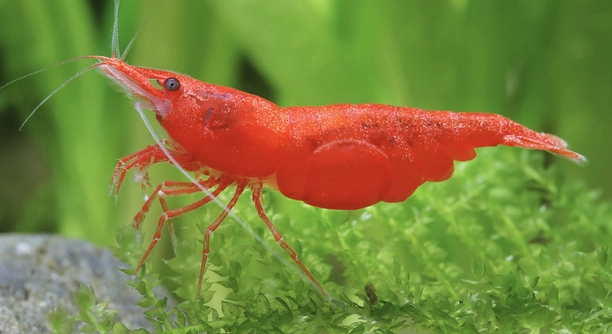
Have you ever noticed shrimp moving along the filter tubing in your aquarium, seemingly exploring every inch as they go? This behavior can be surprising for hobbyists who expect them to stay mostly on the substrate or plants.
Shrimp often crawl along filter tubing as a natural behavior linked to feeding, exploring, and maintaining hygiene. The tubing can collect biofilm and algae, providing a convenient source of nutrients while offering a safe path through their environment.
Observing this activity can help you better understand your shrimp’s habits and create a healthier, more engaging aquarium for them.
Why Shrimp Are Attracted to Filter Tubing
Shrimp are naturally curious and will explore every surface in their tank. Filter tubing often develops a thin layer of biofilm, algae, and leftover food particles. These surfaces provide an easy and consistent food source. Unlike the substrate or decorations, the tubing is constantly exposed to gentle water flow, which brings nutrients directly to the shrimp. Crawling along the tubing allows shrimp to graze efficiently without venturing too far from safe areas. Younger shrimp often use tubing as a learning ground to practice climbing and foraging. Adult shrimp continue this behavior because it conserves energy while still offering access to food. The smooth surfaces are also easy to grip, making movement simple and safe. Over time, shrimp may return to the same spots repeatedly, forming small habitual paths. Observing these behaviors can give insights into their feeding habits and preferred tank zones, helping maintain a balanced and clean environment for them.
Shrimp are drawn to tubing primarily for easy access to biofilm and nutrients, which are concentrated along these surfaces.
Watching shrimp crawl on filter tubing shows how they balance safety, feeding, and exploration in the tank. This small behavior can indicate overall tank health and shrimp well-being.
How to Manage Shrimp on Filter Tubing
Shrimp crawling on tubing is normal and usually harmless.
Maintaining clean tubing and controlling algae growth can reduce excessive grazing. Regularly wiping tubing with a soft cloth or sponge can remove thick biofilm without harming shrimp. Adjusting the flow rate can also help, as stronger currents may discourage prolonged climbing while still circulating water effectively. Providing alternative grazing spots, such as moss or dedicated feeding surfaces, can divert attention from the tubing. Observing shrimp preferences can help you identify areas where biofilm builds up fastest. Tank decorations and plants act as natural feeding grounds and enrichment, minimizing stress and promoting healthy behaviors. Some shrimp species are more active climbers, so monitoring their activity can inform care routines. A balanced diet ensures they are not seeking extra nutrients from tubing alone. Understanding these habits helps maintain tank cleanliness, shrimp health, and a more stable aquatic environment for all inhabitants.
Common Behaviors Observed on Tubing
Shrimp often use filter tubing for grazing, climbing, and resting. They are attracted to the tiny organisms growing there, which supplement their diet and encourage natural movement throughout the tank.
These creatures are constantly exploring surfaces in search of food. Tubing provides a convenient location for grazing biofilm and algae. Some shrimp climb tubing to reach higher points, which gives them a safer vantage and reduces competition for resources on the substrate. The gentle water flow around tubing also brings nutrients and oxygen directly to them, making it a practical feeding route. Over time, shrimp develop small patterns of movement, returning to favored spots. Younger shrimp may experiment more, while adults maintain consistent paths. Understanding these behaviors helps in adjusting tank layout, feeding practices, and cleaning routines. By observing shrimp activity on tubing, you can gauge tank health and identify areas where biofilm accumulates, allowing better management.
Climbing on tubing is not just about food; it also provides exercise, mental stimulation, and safer resting areas. Shrimp often prefer vertical surfaces to avoid overcrowded zones.
Preventing Overgrowth and Damage
Excess biofilm or algae on tubing can disrupt flow and water quality if left unchecked. Regular maintenance keeps the tank stable and shrimp safe.
Managing growth requires a combination of cleaning and natural control. Light brushing or wiping tubing removes thick layers without stressing the shrimp. Introducing algae-eating tank mates or adjusting lighting can reduce excessive biofilm naturally. Balanced feeding also minimizes leftover food that contributes to buildup. Monitoring water flow ensures tubing remains functional while still allowing shrimp to graze safely. Consistent observation helps spot early signs of overgrowth, preventing issues with circulation or water quality. Over time, shrimp will adapt to cleaner tubing, and they will continue grazing in moderation on alternative surfaces. Using preventative strategies reduces maintenance stress while keeping shrimp behavior healthy and predictable. This approach protects both the equipment and the inhabitants, maintaining a clean and stable environment for the entire tank.
Safety Considerations for Shrimp on Tubing
Shrimp can safely crawl on filter tubing if it is smooth and free of sharp edges. Rough or damaged tubing may cause injuries or stress.
Ensure tubing is securely attached and flows gently. Avoid strong currents that could push shrimp off or make climbing dangerous.
Feeding Patterns and Tubing Interaction
Shrimp grazing on tubing often follow a routine based on feeding times and available nutrients. They may visit the same spots repeatedly, creating small grazing trails. Observing these patterns helps in understanding how often supplemental feeding is necessary. Providing moss, algae wafers, or dedicated surfaces can balance their diet and reduce reliance on tubing. Active shrimp may switch between substrate, plants, and tubing throughout the day. Monitoring behavior ensures their nutritional needs are met while maintaining tank cleanliness. Recognizing these patterns allows for better care, reduces overgrowth on tubing, and supports natural shrimp activity within a controlled environment.
Choosing the Right Tubing Material
Soft, smooth tubing is ideal to prevent injury and make climbing easier for shrimp.
FAQ
Why do shrimp like crawling on filter tubing?
Shrimp are naturally curious and constantly search for food. Filter tubing develops biofilm, algae, and tiny particles that are easy to graze. The tubing’s smooth surface makes climbing simple, and the gentle water flow brings nutrients directly to them. This behavior is completely normal and reflects their natural foraging instincts.
Is it harmful for shrimp to climb tubing?
As long as the tubing is smooth and properly installed, climbing is safe. Sharp edges, rough surfaces, or loose tubing can cause injuries. Monitoring the tubing and ensuring it is secure prevents accidents while allowing shrimp to continue their normal behavior safely.
How often should tubing be cleaned if shrimp are climbing it?
Tubing should be checked weekly. Light biofilm is fine, as it provides food for shrimp, but thick buildup can restrict water flow and affect water quality. Cleaning lightly with a soft cloth or sponge maintains function without removing all natural grazing surfaces.
Do all shrimp species climb tubing?
Not all species climb equally. Active and adventurous species, such as cherry shrimp or ghost shrimp, climb more frequently. Others may prefer staying on the substrate or plants. Observing your shrimp helps identify which species are more likely to use tubing as part of their daily activity.
Can climbing tubing affect water quality?
Climbing itself doesn’t harm water quality, but excessive biofilm or algae buildup on tubing can slow water flow and trap debris. Regular maintenance prevents these issues and keeps the tank environment balanced while allowing shrimp to graze naturally.
Should I provide alternatives to tubing for grazing?
Yes. Adding moss, leaf litter, or algae wafers gives shrimp additional food sources and reduces pressure on tubing. These alternatives also support natural behaviors, provide hiding spaces, and help maintain a cleaner tank overall.
Why do shrimp return to the same spots on tubing?
Shrimp often form habitual grazing paths. They return to areas with reliable biofilm or algae, conserving energy while feeding efficiently. This pattern is normal and indicates that the shrimp have identified safe, nutrient-rich zones within their tank.
Will shrimp climbing tubing damage the filter?
Shrimp are light and unlikely to damage tubing or filter components. Problems arise only if tubing is loose, cracked, or already worn. Regular inspection ensures tubing stays secure and functional, supporting both shrimp safety and proper filtration.
Can adjusting water flow reduce shrimp climbing?
Increasing flow slightly can discourage prolonged climbing without harming shrimp, but they still need safe grazing areas. Finding a balance ensures tubing remains accessible for exploration while preventing stress from strong currents.
Is shrimp climbing tubing a sign of stress or illness?
Climbing is usually normal behavior. Signs of stress include lethargy, loss of appetite, or discoloration. If shrimp climb excessively or behave unusually, check water parameters, diet, and tank conditions to ensure their environment is stable and healthy.
How does diet affect tubing activity?
Shrimp on a balanced diet may graze less on tubing, but some exploration remains natural. Overfeeding or underfeeding can change behavior: underfed shrimp may spend more time seeking food, while overfed shrimp may graze less frequently on tubing. Observing activity helps adjust feeding routines.
Can other tank mates influence shrimp climbing behavior?
Yes. Fish or larger invertebrates can encourage shrimp to use tubing as a safer, elevated path. Tank layout and social interactions influence where shrimp feel secure and how often they climb surfaces, including tubing.
Is it necessary to change tubing material for shrimp safety?
Soft, smooth tubing is best. Hard or rough materials may irritate shrimp or cause injury. Choosing the right material ensures safe climbing, supports normal grazing, and reduces the risk of accidental damage to the shrimp.
Does lighting affect shrimp on tubing?
Indirectly. Algae growth on tubing depends on light levels, which affects grazing opportunities. Shrimp may be more active in areas with biofilm, so proper lighting management can influence where and how often they climb tubing.
How can I encourage healthy shrimp behavior on tubing?
Provide balanced nutrition, clean but not sterile tubing, and safe climbing surfaces. Observation allows you to identify preferred spots and adjust tank setup. Supporting natural grazing and movement promotes shrimp health, activity, and long-term well-being in the aquarium environment.
Shrimp crawling along filter tubing is a normal and harmless behavior in most aquariums. They are naturally curious creatures that explore their environment while searching for food. Tubing provides a convenient surface where biofilm, algae, and tiny particles collect, offering an easy and constant source of nutrients. For shrimp, climbing tubing is not just about eating; it also gives them exercise and mental stimulation. Watching them move along the tubing can be interesting and informative, helping you understand how they interact with their surroundings. While it may seem unusual at first, this activity is simply part of their natural instincts and daily routines. In fact, it can be a helpful indicator of shrimp health and tank conditions. Healthy shrimp are active and explore their tank, including tubing, while stressed or unwell shrimp may behave differently, showing lethargy or unusual hiding behavior. Understanding these signs allows you to make small adjustments to keep the environment comfortable for your shrimp.
Maintaining tubing in a way that supports shrimp safety is important. Smooth, properly installed tubing prevents injury while allowing shrimp to climb freely. It’s helpful to check tubing regularly for rough edges, cracks, or buildup that could restrict water flow. While some biofilm is beneficial for grazing, thick layers or algae can interfere with filtration. Light cleaning with a soft cloth or sponge removes excess buildup without removing all natural food sources. Providing alternative surfaces like moss, leaf litter, or algae wafers can reduce pressure on tubing and give shrimp additional grazing options. Observing their behavior over time helps identify favorite spots and patterns, which makes it easier to manage the tank effectively. Adjusting water flow or lighting can also influence shrimp activity and biofilm growth, contributing to a stable environment. Creating a balance between clean equipment and natural feeding areas helps maintain both water quality and shrimp well-being.
Overall, shrimp climbing filter tubing is a simple and natural part of aquarium life. By understanding why they do it, you can provide a safer and more supportive environment for them. Regular maintenance, observation, and thoughtful feeding practices ensure that shrimp remain healthy and active. Tubing is just one of many surfaces they use, but it plays an important role in their routine. Supporting natural behaviors, providing alternative grazing areas, and keeping equipment safe and clean makes the tank more comfortable for shrimp and other inhabitants. Watching them explore and graze along tubing can be a small but enjoyable part of caring for an aquarium, giving insight into their habits and needs. Consistent attention to these details helps maintain a balanced, healthy environment where shrimp can thrive. Over time, you’ll notice patterns in their behavior, which can guide you in creating a tank setup that is both functional and engaging. Caring for shrimp in this way encourages natural activity, supports nutrition, and keeps their habitat stable and clean, making the aquarium a safe and pleasant space for all its residents.

Hello,
If you enjoy the content that we create, please consider saying a "Thank You!" by leaving a tip.
Every little bit helps us continue crafting quality advice that supports the health, happiness, and well-being of pets around the world, for pets of all shapes, sizes, and species.
We really appreciate the kindness and support that you show us!