
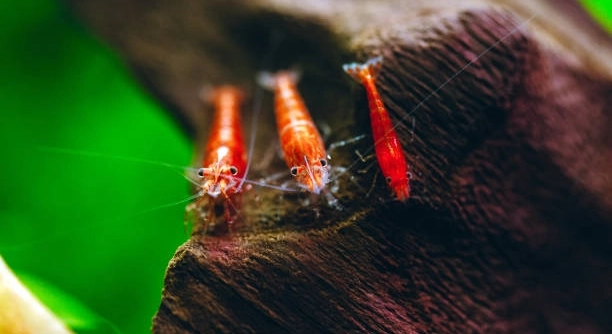
Cherry shrimp are small, colorful creatures that many people enjoy keeping in aquariums. They seem simple, but their behavior is often misunderstood. Many myths about how they act can confuse even experienced shrimp keepers.
Several common myths about cherry shrimp behavior exist, including misunderstandings about aggression, feeding habits, and breeding. Clarifying these misconceptions is important for proper care, ensuring shrimp remain healthy, stress-free, and thrive in their aquarium environments.
Knowing the truth behind these myths will improve your shrimp keeping experience and help create a more balanced and harmonious aquarium.
Myth 1: Cherry Shrimp Are Always Aggressive
Many people assume cherry shrimp are naturally aggressive because they sometimes chase each other or compete for food. In reality, most of their behavior is gentle and social. What looks like aggression is often simple competition for resources, like algae or leftover food in the tank. Cherry shrimp usually live in groups and can coexist peacefully with other shrimp or small fish. Stress, overcrowding, or poor water quality can make them act more territorial, which may be mistaken for natural aggression. Observing their body language and movement closely will help you understand their true intentions. Most interactions are harmless and part of their normal behavior. Understanding these patterns can reduce unnecessary worry and allow you to care for them in a calmer, more informed way. Proper tank setup with hiding spots and enough food minimizes conflicts and promotes a healthy environment for all your shrimp.
Cherry shrimp generally exhibit calm and social behavior. Aggression is usually triggered by stress, overcrowding, or competition for food rather than inherent temperament.
Providing plenty of space, hiding spots, and consistent care ensures peaceful interactions. Overcrowding or sudden changes in water conditions may provoke temporary disputes. By maintaining a stable environment, you will likely see their natural, gentle behavior and a balanced group dynamic.
Myth 2: Cherry Shrimp Only Eat Algae
While cherry shrimp do consume algae, it is not their only source of nutrition. They are omnivores and will eat detritus, leftover fish food, and plant matter in the tank.
Cherry shrimp require a varied diet to stay healthy. Feeding only algae can lead to nutritional deficiencies. Including high-quality shrimp pellets, blanched vegetables, or occasional protein supplements ensures they receive essential nutrients. Observing what they pick at in the tank can help you adjust feeding amounts and types. Overfeeding can pollute the water, while underfeeding may cause stress or slow growth. Their grazing behavior is part of how they interact with the tank environment. By providing a balanced diet, you support molting, breeding, and overall health. It’s important to rotate foods occasionally and monitor shrimp activity to ensure they are thriving. Understanding these feeding needs removes the misconception that they survive on algae alone. Proper nutrition also enhances their vibrant colors, making them more visually appealing. Regular care, combined with a balanced diet, creates a thriving and active shrimp colony.
Myth 3: Cherry Shrimp Can Live in Any Water
Cherry shrimp need stable water conditions. They do not adapt well to sudden changes in temperature, pH, or hardness, and poor water quality can quickly harm them.
Maintaining clean, stable water is crucial for their survival. Cherry shrimp prefer slightly acidic to neutral pH and temperatures around 72–78°F. Rapid changes in water parameters can stress them, leading to molting issues, disease, or even death. Using a reliable water testing kit helps monitor levels of ammonia, nitrites, and nitrates. Regular water changes and proper filtration prevent harmful buildup and maintain a safe environment. Cherry shrimp are sensitive to chemical treatments, so avoiding unnecessary medications is important. A stable, clean habitat allows them to feed, grow, and reproduce naturally.
Even small fluctuations in water can affect their health and behavior. Observing their activity, color, and molting patterns can indicate if conditions are ideal. Stress from poor water quality may show as hiding, lethargy, or unusual swimming. Providing a consistent routine and monitoring water regularly helps them thrive and reduces unexpected problems in the tank.
Myth 4: Cherry Shrimp Don’t Need Hiding Spots
Hiding places are essential for cherry shrimp, especially during molting or when stressed by tankmates. Lack of cover can make them vulnerable and anxious.
Hiding spots reduce stress and improve survival rates. Cherry shrimp molt frequently, and during this time, their soft shells make them targets. Plants, moss, and decorations provide safety and comfort. Even shy or healthy shrimp benefit from spaces to retreat. Hiding areas also encourage natural behaviors like grazing and exploring without constant exposure. Providing variety, such as dense plant clusters and caves, allows them to choose where they feel safest. Stress-free shrimp show better coloration, breed more successfully, and interact more naturally. A tank without adequate shelter can lead to constant hiding or increased mortality. Hiding spots are not optional but critical for their well-being, giving them a sense of security.
Myth 5: Cherry Shrimp Don’t Interact With Each Other
Cherry shrimp do interact, but it is subtle. They often graze near one another and may gently touch while foraging.
Most interactions are peaceful. Social behavior includes following each other, grazing together, or exploring the same areas. Aggressive behavior is rare and usually caused by stress, overcrowding, or limited resources in the tank.
Myth 6: Cherry Shrimp Breed Easily Without Care
Breeding cherry shrimp requires proper conditions. Stable water, suitable diet, and hiding spots are necessary for females to feel secure. They will not reproduce successfully if stressed or living in poor water quality.
Myth 7: Cherry Shrimp Can Eat Anything
Cherry shrimp cannot eat all foods safely. Some human foods or toxic plants can harm them. Only shrimp-safe vegetables, algae, and high-quality pellets should be provided.
FAQ
How often should I feed cherry shrimp?
Feeding cherry shrimp once a day is usually enough. They graze constantly on algae and detritus, so overfeeding can pollute the water. Providing small portions and observing whether they finish the food in a few hours helps prevent waste and keeps water quality stable.
Can cherry shrimp live with other fish?
Yes, but it depends on the fish species. Small, non-aggressive fish like guppies or tetras are usually safe. Avoid large or aggressive fish that may see shrimp as food. Providing plenty of hiding spots allows shrimp to feel secure while sharing the tank with fish.
Why are my cherry shrimp losing color?
Fading color often indicates stress, poor water quality, or inadequate diet. Ensure water parameters are stable, provide a varied diet including high-quality pellets and blanched vegetables, and reduce stress from overcrowding or sudden changes in the tank environment. Healthy shrimp show vibrant colors.
How do I know if my shrimp are molting properly?
Signs of healthy molting include shedding of the exoskeleton and a slightly transparent, soft new shell. Shrimp may hide during this time. Frequent or abnormal molting, or difficulty shedding, can indicate stress, poor water quality, or insufficient minerals in the diet.
What is the ideal water temperature for cherry shrimp?
Cherry shrimp thrive in water temperatures between 72–78°F. Sudden changes or prolonged exposure outside this range can stress them, affect molting, and reduce breeding success. Using a reliable aquarium heater and thermometer ensures stable conditions and keeps shrimp healthy.
Do cherry shrimp need plants in their tank?
Yes, plants provide hiding spots, grazing surfaces, and help maintain water quality. Mosses, floating plants, and dense foliage create security and reduce stress. Even hardy shrimp benefit from greenery, which encourages natural behavior and supports a balanced, thriving aquarium environment.
Why are my shrimp hiding all the time?
Hiding can be normal, especially during molting, but constant hiding may indicate stress, poor water conditions, or overcrowding. Check water parameters, ensure enough space and hiding spots, and observe tankmates. Adjusting the environment often encourages shrimp to explore and return to normal activity.
How can I prevent diseases in cherry shrimp?
Maintaining clean water, stable conditions, and a balanced diet reduces disease risks. Quarantine new shrimp before introducing them to the tank. Avoid overfeeding, sudden chemical changes, and exposure to aggressive tankmates, all of which can compromise immunity and lead to illness.
Can cherry shrimp survive in low-light tanks?
Yes, cherry shrimp do not require bright light. Low-light conditions reduce algae growth, which may affect grazing slightly, but providing supplemental foods like pellets or blanched vegetables ensures they get enough nutrition and remain active.
How long do cherry shrimp live?
Cherry shrimp typically live 1.5–2 years, though some may reach three years under ideal conditions. Proper care, stable water parameters, adequate nutrition, and minimal stress help maximize lifespan and allow them to reproduce successfully in the tank.
Is it normal for shrimp to be inactive sometimes?
Yes, inactivity can occur during molting, after feeding, or at night. However, prolonged lethargy may indicate stress, poor water quality, or illness. Observing patterns and ensuring proper tank conditions helps distinguish normal rest from potential problems, keeping your shrimp healthy and active.
How can I encourage breeding in my tank?
Stable water conditions, a varied diet, and plenty of hiding spots encourage breeding. Females need safety to feel secure for carrying eggs. Avoid sudden changes in water parameters or overcrowding. Healthy, stress-free shrimp are more likely to reproduce consistently and maintain a balanced population.
Are cherry shrimp sensitive to chemicals?
Yes, cherry shrimp are very sensitive to medications, chlorine, and heavy metals. Always dechlorinate water and avoid unnecessary chemical treatments. Even small doses of some chemicals can harm or kill them, so careful monitoring and gentle care are essential for their survival.
What should I do if a shrimp dies?
Remove the deceased shrimp immediately to prevent water contamination. Check water parameters and observe remaining shrimp for signs of stress or disease. One death is not always serious, but repeated losses indicate a problem that should be addressed promptly.
Final Thoughts
Cherry shrimp are small but fascinating creatures. Their behaviors are often misunderstood, leading many keepers to believe myths that are not true. From aggression to feeding habits, most misconceptions come from observing shrimp without fully understanding their natural instincts. By learning the truth about how they behave, it becomes easier to provide an environment that meets their needs. They are social yet gentle, and many behaviors that seem unusual are simply part of their normal life. Recognizing these patterns helps prevent unnecessary worry and allows shrimp to thrive in a peaceful, stable tank. Proper care, observation, and attention to their environment make a noticeable difference in their activity, color, and overall well-being.
Providing a suitable tank environment is one of the most important aspects of caring for cherry shrimp. They need stable water parameters, hiding spots, and a varied diet to stay healthy. Sudden changes in water, poor nutrition, or overcrowding can cause stress and lead to health problems. Plants, moss, and decorations are not just for aesthetics—they give shrimp places to hide and explore safely, especially during molting. Balanced nutrition ensures proper growth, vibrant coloration, and successful reproduction. Monitoring their tank regularly and making small adjustments when needed creates a calm, stress-free environment that allows shrimp to express natural behaviors. With patience and consistency, you can see how small changes in care produce positive results, supporting both their health and longevity.
Understanding cherry shrimp behavior also helps prevent common mistakes that keepers often make. Overfeeding, mixing incompatible species, or neglecting water quality can create problems that seem like natural shrimp behavior but are actually signs of stress or illness. Observing shrimp closely and noting changes in activity, color, or interaction patterns provides insight into their needs. Taking the time to research and implement proper care practices makes maintaining a shrimp tank more enjoyable and rewarding. A healthy, well-cared-for shrimp tank is not only visually appealing but also allows you to appreciate the subtle and interesting behaviors of these delicate creatures. Over time, recognizing and responding to their needs becomes second nature, creating a thriving aquarium ecosystem.

Hello,
If you enjoy the content that we create, please consider saying a "Thank You!" by leaving a tip.
Every little bit helps us continue crafting quality advice that supports the health, happiness, and well-being of pets around the world, for pets of all shapes, sizes, and species.
We really appreciate the kindness and support that you show us!