
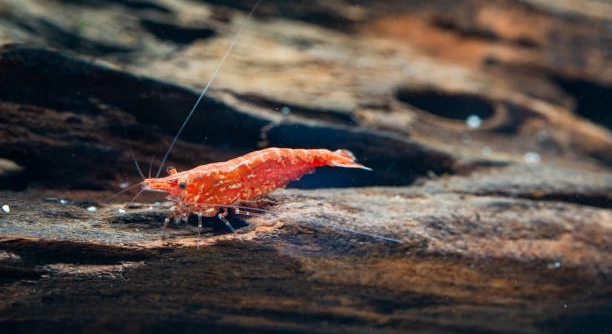
Cherry shrimp are small, colorful freshwater creatures that bring life to any aquarium. Watching them swim and interact can be calming, but understanding their behavior helps ensure they thrive in a healthy environment. Observing them closely can reveal much.
Cherry shrimp display clear signs of being stress-free when they actively explore their surroundings, maintain vibrant colors, feed regularly, molt successfully, interact socially, and show no signs of hiding or lethargy, indicating optimal health and comfort in their habitat.
Noticing these behaviors can make caring for your shrimp easier and more rewarding, offering insights into maintaining a peaceful and balanced aquarium environment.
Active Swimming and Exploration
Cherry shrimp that move around freely and explore all areas of the tank are usually calm and comfortable. They often swim in small groups or individually, checking surfaces for food or interesting spots. Stress-free shrimp don’t hide constantly, and their swimming is smooth rather than frantic. Their movement shows confidence in their surroundings, and they will often climb on plants, rocks, or decorations, exploring nooks and crannies. It’s normal for shrimp to stop and inspect areas carefully. When they are healthy, they balance curiosity with caution, avoiding dangerous areas but not staying hidden. If the tank has hiding spots and plants, they will use them occasionally but won’t be confined there. Observing their swimming patterns daily helps you notice changes that might indicate stress or illness. A relaxed shrimp often appears almost graceful, gliding through water with consistent rhythm.
Active swimming shows they are adapting well to their environment, feeling safe, and maintaining good health.
Exploration is essential for shrimp’s mental and physical stimulation. By moving and investigating, they strengthen muscles, maintain coordination, and engage naturally with their habitat, which supports long-term well-being.
Vibrant Coloration
Healthy cherry shrimp display bright, rich colors, ranging from deep red to lighter shades depending on genetics and environment.
Color intensity reflects their diet, health, and stress levels. Shrimp that are pale or translucent may be stressed, malnourished, or molting. Vibrant coloration indicates they are comfortable in the water conditions provided. Stress-free shrimp retain consistent colors even when moving or interacting with others. Temperature, water quality, and food quality all influence pigmentation. Well-fed shrimp eating high-quality algae, vegetables, and protein sources show their true colors.
Observing coloration over time helps track shrimp health. If a shrimp starts losing color, it could signal water issues, illness, or stress factors. Providing a balanced diet, stable water parameters, and plenty of hiding spots supports bright, healthy shrimp. Maintaining consistent lighting also prevents color fading. Bright, vivid shrimp add beauty to the tank while showing their well-being. Proper care ensures they continue to thrive, displaying their natural colors confidently among plants and decorations. Monitoring these changes daily allows early intervention, keeping your shrimp vibrant and stress-free.
Regular Feeding and Appetite
Cherry shrimp that eat consistently show they are comfortable in their environment. They approach food quickly, picking at algae, pellets, or vegetables without hesitation. A steady appetite is a strong sign of low stress levels and good health.
Maintaining a consistent feeding schedule helps shrimp feel secure. Overfeeding can lead to poor water quality, while underfeeding may stress them, causing them to hide or lose color. Healthy shrimp graze on biofilm and supplements throughout the day, supplementing their main meals. Observing them during feeding allows you to notice changes in behavior or appetite, which can indicate water issues, illness, or social stress. Providing varied, high-quality food keeps them active and vibrant.
Shrimp that are eager to eat interact more with their environment. They may swim toward new foods and share space with others without aggression. Consistent appetite also supports molting and growth, ensuring they remain healthy, energetic, and well-colored, contributing to a balanced tank ecosystem.
Molting and Growth
Frequent, successful molting shows cherry shrimp are growing and thriving. Stress-free shrimp shed their exoskeletons completely and recover quickly.
Molting is essential for growth and health. Shrimp must have proper minerals in the water, especially calcium, to form strong new shells. Stress, poor diet, or unstable water parameters can cause molting problems or skipped molts. After shedding, shrimp are vulnerable, so they often hide temporarily until their new shell hardens. Observing molts regularly helps track health and identify issues early. Healthy shrimp molt every few weeks depending on age, diet, and water conditions. Providing plenty of plants and hiding spots allows safe recovery, reducing stress.
Successful molting contributes to long-term health. Each new shell allows the shrimp to grow and strengthens their exoskeleton. Consistent growth indicates a balanced tank with suitable water quality, temperature, and nutrition. Shrimp that molt on schedule remain active, feed well, and display bright colors. Neglecting molting needs or water quality can lead to deformities or infections, so careful observation is key. By supporting proper molting, shrimp maintain vitality, natural behaviors, and resilience against stressors in their environment.
Social Interaction
Cherry shrimp interact gently with others, often moving in small groups or grazing near each other. Stress-free shrimp show calm behavior without chasing or aggressive actions.
They communicate subtly through movement and antennal contact. Healthy shrimp are curious but not fearful, maintaining social bonds while respecting personal space.
Minimal Hiding
Shrimp that spend most of their time exploring rather than hiding are likely stress-free. They feel secure and confident in their environment, using shelters only when necessary.
Hiding excessively can indicate poor water quality, stress from tank mates, or illness. Observing shrimp behavior helps identify and correct problems early, ensuring their comfort and safety.
Smooth Molting Process
A smooth molting process is a key sign of healthy shrimp. Stress-free shrimp shed their exoskeletons completely and remain active after molting. Proper diet, stable water conditions, and safe hiding spaces contribute to consistent, successful molts. Regular observation ensures early intervention if molting issues arise.
Active Foraging
Cherry shrimp that actively forage throughout the tank are healthy and stress-free. They constantly graze on algae, biofilm, and prepared foods, showing curiosity and energy in their environment.
What causes cherry shrimp to become stressed?
Cherry shrimp become stressed due to sudden changes in water parameters, overcrowding, poor diet, or aggressive tank mates. Inconsistent temperature, pH fluctuations, and low oxygen levels can also trigger stress. Stress affects behavior, color, appetite, and overall health, making it essential to maintain stable conditions.
How can I tell if my shrimp are happy?
Stress-free shrimp are active, swim confidently, and explore their tank without hiding. They display vibrant colors, feed consistently, molt successfully, and interact calmly with other shrimp. Observing these behaviors daily gives insight into their comfort and well-being in the aquarium environment.
How often should I feed cherry shrimp?
Cherry shrimp benefit from small, frequent feedings rather than one large meal. Feeding every day or every other day with a variety of foods like algae, vegetables, and high-quality pellets helps maintain energy, supports molting, and encourages natural foraging behaviors.
What foods help maintain vibrant colors?
High-quality foods rich in carotenoids, algae, and vegetables enhance red and orange pigmentation. Leafy greens, spirulina, and specialized shrimp pellets provide necessary nutrients. Consistently feeding a balanced diet ensures shrimp retain vivid colors and remain healthy, supporting stress-free behavior.
Do cherry shrimp need hiding spots?
Yes, hiding spots are essential for molting and temporary retreat. Plants, rocks, and decorations provide shelter, reducing stress and protecting vulnerable shrimp during molts. A well-planted tank offers both security and opportunities for exploration, balancing comfort with activity.
How does water quality affect shrimp stress?
Poor water quality is a major source of stress. Ammonia, nitrite, and nitrate spikes, incorrect pH, or temperature fluctuations can make shrimp hide, lose color, or stop eating. Regular testing and maintenance prevent stress and promote healthy, active shrimp.
Can shrimp interact peacefully with other tank mates?
Cherry shrimp can coexist with small, non-aggressive species. Stress arises if tank mates chase, nip, or compete for food. Careful selection of companions and adequate space for all inhabitants minimizes stress and maintains harmony in the aquarium.
How can I encourage active foraging?
Providing a variety of surfaces like plants, driftwood, and rocks allows shrimp to graze naturally. Scattering small portions of food encourages movement, exploration, and healthy social interaction. A stimulating environment reduces boredom and stress while promoting natural behaviors.
What role does molting play in shrimp health?
Molting is critical for growth and shell renewal. Stress or poor nutrition can interrupt the process, causing deformities or death. Observing successful molts regularly confirms shrimp are healthy and thriving. Providing calcium-rich foods and hiding spots supports smooth molting cycles.
How do I monitor shrimp behavior effectively?
Daily observation is key. Watch swimming patterns, feeding behavior, color intensity, and social interactions. Noting changes early allows for quick adjustments in diet, water quality, or tank setup, preventing long-term stress and health issues.
Can lighting affect shrimp stress?
Yes, proper lighting supports natural activity and color display. Too bright or constant light may stress shrimp, while a balanced day-night cycle encourages normal behavior. Using plants and shaded areas provides relief and reduces stress levels.
What are signs of long-term stress in cherry shrimp?
Long-term stress shows as pale colors, hiding constantly, reduced feeding, lethargy, and failed molts. Stress weakens immunity, making shrimp more susceptible to disease. Addressing water quality, diet, and tank conditions quickly is crucial to prevent chronic problems.
Is tank size important for stress reduction?
Yes, sufficient space allows shrimp to explore, feed, and interact naturally. Overcrowding increases aggression, competition for resources, and hiding behavior. Proper tank size, combined with plants and decorations, supports a balanced, stress-free environment.
How can I prevent stress during molting?
Provide plenty of hiding spots and maintain stable water parameters. Avoid handling shrimp or disturbing the tank during this vulnerable time. Proper nutrition with calcium and protein ensures successful shell formation and reduces molting-related stress.
Do shrimp need companions?
Cherry shrimp are social creatures and prefer living in small groups. Solitary shrimp may become less active or stressed. Keeping a compatible group encourages natural behaviors, reduces fear, and promotes overall health.
What routine maintenance helps reduce stress?
Regular water changes, testing for ammonia, nitrites, nitrates, and maintaining temperature and pH within optimal ranges are essential. Cleaning filters and removing uneaten food prevent toxins from building up. Routine care creates a stable environment where shrimp feel secure and thrive.
Can sudden changes in the tank cause stress?
Yes, sudden additions of chemicals, new tank mates, or rapid water parameter changes can shock shrimp. Gradual adjustments and careful monitoring are necessary to keep them calm and prevent stress-related health issues.
How important is diet variety for stress-free shrimp?
A varied diet supports health, color, molting, and energy levels. Feeding only one type of food may lead to deficiencies, reducing immunity and increasing stress. Rotating vegetables, algae, and protein sources keeps shrimp healthy and active.
What behavior indicates shrimp are not stressed?
Active swimming, bright colors, consistent feeding, smooth molting, and gentle social interaction all indicate shrimp are comfortable. They use hiding spots selectively and explore the tank confidently, showing balance between caution and curiosity.
How do water parameters impact shrimp comfort?
Stable temperature, pH, hardness, and low ammonia/nitrite levels are critical. Fluctuations cause hiding, color loss, or refusal to eat. Monitoring and adjusting these parameters regularly ensures shrimp remain stress-free, healthy, and active.
Can stress affect shrimp lifespan?
Chronic stress shortens lifespan by weakening immunity, causing illness, and disrupting molting cycles. Maintaining a stable, balanced environment, proper diet, and social stability helps shrimp live longer and remain vibrant and active.
How can I help shrimp recover from stress?
Identify and correct water issues, ensure proper nutrition, and provide hiding spots. Reducing disturbances, maintaining stable conditions, and observing behavior carefully helps shrimp regain confidence, resume normal activity, and restore color and appetite.
How often should I observe my shrimp?
Daily observation allows early detection of stress signs, behavioral changes, and health issues. Watching their interactions, feeding habits, and molting patterns ensures quick intervention, keeping them comfortable and thriving.
Can tank decorations reduce stress?
Yes, decorations like plants, driftwood, and rocks offer hiding spaces and surfaces for foraging. A well-structured tank allows shrimp to feel secure while exploring, supporting natural behaviors and reducing anxiety.
Is stress more common in young shrimp?
Juvenile shrimp are more sensitive to water changes, diet, and social dynamics. Young shrimp require stable conditions, frequent observation, and adequate hiding spots to reduce stress and ensure proper growth.
Do shrimp recognize their environment?
Shrimp adapt to their tanks and remember safe areas. Stress-free shrimp confidently navigate plants, substrate, and decorations, using familiar hiding spots and grazing locations, indicating comfort and security in their habitat.
How can I reduce aggression among shrimp?
Providing ample space, hiding spots, and balanced feeding reduces competition. Stress-free shrimp share resources peacefully, and overcrowding or limited shelters can increase aggressive behavior, causing color fading or hiding.
What water temperature is best for stress-free shrimp?
Stable temperatures between 68–78°F (20–26°C) are ideal. Fluctuations can cause hiding, lethargy, and molting issues. Maintaining consistent warmth supports metabolism, feeding, and overall comfort for healthy shrimp.
How long does it take for shrimp to adjust to a new tank?
Adjustment typically takes a few days to a week. During this time, they explore cautiously, feed intermittently, and gradually become more active. Providing hiding spots and stable conditions speeds up the acclimation process, reducing stress.
Can poor filtration stress shrimp?
Yes, inefficient filtration leads to poor water quality, ammonia buildup, and oxygen fluctuations. Stress manifests as hiding, color loss, and reduced activity. Proper filtration and regular maintenance create a stable, stress-free environment.
How do I know if a shrimp is eating enough?
Shrimp actively graze, pick at algae, or take small portions of prepared food. If they consistently ignore food or appear lethargic, it may indicate stress, illness, or inadequate nutrition. Monitoring feeding ensures their dietary needs are met.
Does light intensity affect shrimp activity?
Bright, constant light can stress shrimp, causing hiding or inactivity. Balanced lighting with shaded areas allows natural behaviors, encourages exploration, and maintains vibrant coloration, keeping shrimp comfortable and active.
How do I prevent color fading?
Feed nutrient-rich foods, maintain stable water conditions, and reduce stress from tank mates or sudden changes. Healthy, stress-free shrimp display consistent, vivid coloration throughout their life.
Can shrimp stress be reversed?
Yes, addressing water quality, diet, tank structure, and social dynamics helps shrimp recover. With stable, supportive conditions, shrimp regain color, activity, and appetite, returning to a healthy, stress-free state.
How important is tank maintenance for long-term stress prevention?
Regular water changes, testing, and cleaning prevent toxin buildup, stabilize parameters, and provide a consistent environment. Consistent maintenance is essential to keep shrimp active, healthy, and free from chronic stress.
What behaviors should I monitor daily?
Observe swimming patterns, feeding, coloration, social interaction, and molting. Early detection of changes allows intervention before stress affects health or longevity, ensuring a thriving shrimp population.
Are there signs of social stress?
Excessive hiding, color fading, chasing, or competition for food can indicate social stress. Adjusting tank population, providing shelters, and monitoring interactions helps maintain harmony.
Can sudden water changes harm shrimp?
Rapid changes in temperature, pH, or hardness can shock shrimp, causing hiding, lethargy, or color loss. Gradual adjustments are essential to minimize stress and protect health.
How do I create a stress-free environment for cherry shrimp?
Stable water, proper diet, hiding spots, compatible tank mates, and daily observation are key. A balanced, calm habitat promotes natural behaviors, vibrant colors, and long-term health.
Do shrimp show signs of happiness?
Yes, active swimming, consistent feeding, smooth molting, bright colors, and gentle social interactions indicate comfort and low stress levels in cherry shrimp.
How does diet variety support stress reduction?
A varied diet provides essential nutrients, supports molting, enhances coloration, and encourages natural foraging. Nutritional balance helps maintain energy levels and reduces stress.
Are shrimp sensitive to chemical changes?
Yes, medications, fertilizers, or cleaners can stress shrimp. Introducing new substances gradually or avoiding them helps maintain comfort and safety.
What role does aquarium structure play in stress levels?
Plants, rocks, and decorations provide hiding spots, surfaces for foraging, and exploration opportunities. A well-structured tank reduces fear, encourages activity, and supports natural shrimp behaviors.
How do I ensure smooth molting cycles?
Provide calcium-rich foods, stable water parameters, and secure hiding spots. Monitoring molts helps identify issues early, preventing deformities or stress.
Can overcrowding affect shrimp behavior?
Yes, too many shrimp increase competition, hiding, and color fading. Adequate space and population management prevent stress and maintain healthy social dynamics.
How long should shrimp rest after molting?
Shrimp usually hide for a few hours to a day until their new shell hardens. Providing safe spaces ensures they recover without stress or injury.
Is water hardness important for stress-free shrimp?
Moderate hardness supports shell formation, molting, and overall health. Sudden changes can cause hiding, lethargy, or failed molts. Stable water chemistry is essential.
Do shrimp recognize feeding times?
Yes, they often become more active when food is introduced, showing familiarity with routine. Predictable feeding schedules reduce stress and encourage consistent foraging behavior.
How can I maintain long-term shrimp health?
Regular water testing, balanced diet, hiding spots, stable tank conditions, compatible companions, and daily observation create a stress-free environment that supports longevity, growth, and vibrant coloration.
Can environmental enrichment reduce stress?
Yes, plants, moss, rocks, and driftwood allow exploration and natural foraging. Enrichment encourages activity, reduces hiding, and keeps shrimp engaged in their habitat.
Are juvenile shrimp more vulnerable to stress?
Yes, young shrimp are sensitive to water changes, diet deficiencies, and tank disturbances. Extra care, hiding spots, and stable conditions support healthy growth.
Does stress affect reproduction?
Chronic stress can reduce breeding, lower fertility, and impact egg development. A stable, calm environment supports successful reproduction and healthy offspring.
Can shrimp recover from illness-related stress?
Yes, timely intervention with proper water parameters, diet, and care helps them recover. Early detection of stress signs increases chances of full recovery and return to normal behavior.
How do I create a balance between activity and safety?
Providing open areas for swimming, hiding spots for security, and stable environmental conditions allows shrimp to explore confidently while feeling protected from stressors.
How important is consistency in tank care?
Consistent maintenance, feeding, and observation prevent stress, support molting, and ensure healthy shrimp. Stability is key to long-term well-being.
Do shrimp show preferences in hiding spots?
Yes, they choose shelters that feel safe and comfortable. Offering variety ensures each shrimp can find its preferred retreat, reducing stress and encouraging natural behaviors.
Can stress cause shrimp to refuse food?
Yes, hiding, color loss, or refusal to eat are common stress responses. Identifying and correcting water, diet, or social issues restores appetite and activity.
How does tank temperature affect shrimp molting?
Stable temperatures support metabolism and smooth molting cycles. Fluctuations can delay or interrupt molting, causing stress and vulnerability.
Can shrimp thrive in planted tanks?
Yes, plants provide hiding spots, grazing surfaces, and environmental enrichment. A planted tank promotes natural behavior, activity, and low stress levels.
Do shrimp recognize each other?
They interact gently with familiar tank mates, showing calm and social behaviors. Stress-free shrimp maintain stable relationships without aggression or excessive hiding.
How often should I check water quality?
Regular testing of ammonia, nitrite, nitrate, pH, and temperature ensures stable conditions. Early detection of changes prevents stress and maintains shrimp health.
What are signs of acute stress?
Rapid swimming, frantic movements, hiding, color fading, or refusal to eat are immediate stress indicators. Quick intervention is necessary to restore comfort.
Can sudden light changes harm shrimp?
Yes, abrupt brightness or darkness can startle shrimp, causing hiding or panic. Gradual lighting adjustments and shaded areas reduce stress.
How do I maintain social harmony in the tank?
Adequate space, hiding spots, and balanced feeding reduce competition. Observing interactions ensures shrimp coexist peacefully, maintaining a calm and stress-free environment.
Can stress lead to disease in shrimp?
Yes, prolonged stress weakens immunity, making shrimp more susceptible to infections, fungal growth, or bacterial issues. Maintaining stable conditions and nutrition prevents stress-related illness.
Do shrimp need a routine?
A consistent schedule for feeding, lighting, and tank maintenance creates predictability. Shrimp thrive in routine, showing more activity, brighter colors, and reduced stress levels.
How can I detect early signs of stress?
Monitor swimming, hiding, feeding, coloration, and social behavior daily. Subtle changes indicate early stress, allowing prompt adjustments to prevent long-term health problems.
Can water additives reduce stress?
Certain conditioners stabilize pH, remove chlorine, or enhance minerals. Using them properly supports stress-free shrimp, but excessive chemicals may cause harm.
Do shrimp benefit from group living?
Yes, small groups encourage natural interactions, reduce loneliness, and promote exploration. Social living supports healthy behavior and reduces stress.
Can stress affect shrimp color permanently?
Prolonged stress can dull or fade colors. Improving conditions, diet, and social environment often restores brightness, but chronic issues may leave lasting effects.
What role does filtration play in stress reduction?
Efficient filtration maintains water clarity, oxygen levels, and toxin removal. Stable water reduces hiding, lethargy, and color loss, keeping shrimp comfortable.
Can stress cause shrimp to die suddenly?
Severe or prolonged stress can lead to sudden death due to weakened immunity or molting failure. Maintaining a stable, supportive environment is essential for survival.
How do I reduce environmental stressors?
Stable water, proper diet, hiding spots, compatible tank mates, and minimal sudden changes create a calm, safe habitat. Observing shrimp ensures early correction of potential stress factors.
Can shrimp adapt to minor changes?
Yes, gradual adjustments in water parameters, lighting, or diet allow shrimp to adapt without stress. Sudden, large changes are harmful.
Do stress-free shrimp behave differently at night?
They remain active but cautious, exploring and grazing while using hiding spots selectively. Nighttime activity reflects comfort and confidence in their environment.
How can I encourage natural behaviors?
Provide varied surfaces, plants, hiding spots, and regular, small feedings. Stimulating environments promote foraging, exploration, and social interaction, reducing stress.
Can stress affect shrimp molting frequency?
Yes, stressed shrimp may delay or skip molts, leading to growth issues or deformities. Proper care ensures regular, healthy molting cycles.
Is tank location important for reducing stress?
Yes, placing the tank in a low-traffic, quiet area prevents constant disturbances. Stability in surroundings helps shrimp feel safe and maintain natural behavior.
How do I ensure a balanced shrimp diet?
Include algae, vegetables, and high-quality pellets with occasional protein. Rotating food sources supports color, molting, and energy levels, reducing stress.
Do shrimp respond to vibrations?
Yes, sudden vibrations can startle them, causing hiding or frantic swimming. Placing the tank on a stable surface reduces stress.
Can stress affect breeding success?
Yes, stressed shrimp may produce fewer eggs, experience failed hatching, or neglect young. Stable, calm conditions promote healthy reproduction.
How long does it take for stressed shrimp to recover?
Recovery can take days to weeks depending on the severity. Stable water, proper diet, hiding spots, and minimal disturbances speed up the process.
Are shrimp sensitive to noise?
Excessive noise can startle them. While not as sensitive as fish, vibrations from loud sounds can cause hiding or panic, increasing stress levels.
Can overfeeding cause stress?
Yes, uneaten food decomposes, affecting water quality. Proper portioning prevents toxins, maintains water parameters, and reduces stress.
How do I monitor shrimp health over time?
Track swimming, feeding, molting, color, and social behavior. Regular observation identifies trends, allowing early intervention before stress affects health.
Can stress affect shrimp lifespan?
Chronic stress shortens lifespan, reduces immunity, and
Keeping cherry shrimp healthy and stress-free depends on attention to their environment, diet, and daily behavior. Observing them regularly helps identify signs of stress early, whether it is hiding too often, losing color, or showing a lack of appetite. Stress can arise from poor water quality, sudden changes in temperature, overcrowding, or aggressive tank mates. Addressing these issues quickly allows shrimp to return to normal activity and regain their bright coloration. Simple measures such as maintaining stable water parameters, providing hiding spots, and offering a balanced diet can have a big impact on their overall well-being. Monitoring these factors consistently helps prevent long-term problems that might otherwise affect growth, molting, or social interaction.
Diet plays a key role in keeping shrimp stress-free and healthy. Offering a variety of foods, including algae, leafy greens, and high-quality shrimp pellets, ensures they get all the necessary nutrients. Proper nutrition supports molting, coloration, energy levels, and immune function. Overfeeding or underfeeding can both create problems, so it is important to feed small, regular portions that the shrimp can consume fully without leaving excess food to decay in the tank. Observing their feeding behavior gives insight into health and comfort, since active, eager feeding is one of the clearest signs of low stress. Additionally, providing surfaces for foraging such as plants, rocks, and moss encourages natural behaviors and helps maintain physical activity, further reducing stress.
Finally, the structure of the tank and the presence of companions influence how comfortable shrimp feel. Hiding spots are essential, especially during molting, as shrimp are vulnerable when shedding their exoskeleton. Stable water parameters, a quiet location, and compatible tank mates reduce fear and aggression. Social interaction is also important, as cherry shrimp are naturally social and benefit from living in small groups. Observing their movement, color, and activity over time allows for small adjustments to improve their environment. When shrimp are able to explore, feed, molt, and interact without constant fear, it indicates that their habitat is balanced and they are living comfortably. Maintaining this balance requires ongoing care and attention, but it ensures that cherry shrimp thrive, display their natural colors, and remain healthy for years.

Hello,
If you enjoy the content that we create, please consider saying a "Thank You!" by leaving a tip.
Every little bit helps us continue crafting quality advice that supports the health, happiness, and well-being of pets around the world, for pets of all shapes, sizes, and species.
We really appreciate the kindness and support that you show us!