
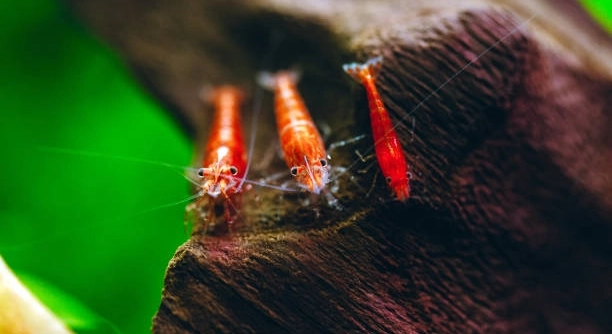
Shrimp are delicate creatures that often feel stressed in unfamiliar or poorly arranged tanks. Small changes in their environment can make a significant difference in their comfort, behavior, and overall health. Providing security is essential for their well-being.
Creating a secure environment for shrimp involves providing hiding spaces, controlling water flow, maintaining stable water parameters, and offering appropriate substrates. Incorporating plants, moss, and decorations reduces stress, while careful tank maintenance ensures a safe and consistent habitat for optimal shrimp health.
Implementing these simple tank adjustments can greatly improve shrimp comfort and promote natural behaviors within your aquatic setup.
Provide Plenty of Hiding Spots
Shrimp naturally seek out places to hide when they feel vulnerable. Rocks, driftwood, and aquatic plants create safe areas where they can retreat. Mosses and dense vegetation offer additional cover, helping shrimp feel secure while molting or resting. The more hiding spots available, the less stressed your shrimp will be. Stress can lead to reduced activity, less feeding, and even illness. Providing shelters mimics their natural environment, allowing them to explore confidently. Even small caves or PVC tubes can serve as temporary refuges. Arranging hiding spaces at different heights and locations in the tank encourages natural behavior. Overcrowding hiding spots is not necessary; just ensure there is enough space for each shrimp to feel protected. Regular observation of how your shrimp use these areas can guide adjustments. Consistently offering safe zones helps maintain a balanced tank ecosystem.
Creating multiple shelters supports shrimp health and encourages natural movement throughout the tank.
Strategically placed hiding spots reduce aggressive interactions and provide comfort. Observing which areas shrimp prefer can help improve tank arrangement. This simple step makes a noticeable difference in shrimp behavior.
Maintain Stable Water Conditions
Shrimp are sensitive to changes in water temperature, pH, and hardness. Sudden fluctuations can cause stress and even death. Keeping a consistent environment requires monitoring key parameters daily or weekly. Small, incremental adjustments are safer than large changes. Using a reliable heater and thermometer ensures stable temperature. Testing kits help maintain pH, ammonia, nitrite, and nitrate levels within safe ranges. Clean water with minimal toxins supports healthy molting and feeding. Regular partial water changes help remove waste without shocking the shrimp. Avoid overcrowding, as it can lead to rapid water deterioration. Choosing tank mates carefully prevents stress from aggressive species. A stable environment fosters natural behaviors and increases shrimp lifespan. It also reduces the risk of diseases that thrive in inconsistent conditions. Proper water management is one of the most important aspects of shrimp care.
Keeping water consistent creates a stress-free environment for shrimp.
Monitoring and adjusting water parameters prevents stress and supports overall shrimp health. Maintaining stable conditions promotes growth, molting, and activity, while reducing mortality risks. Consistency in temperature, pH, and cleanliness ensures your shrimp thrive. Regular testing and partial water changes are essential practices for maintaining a secure, healthy tank environment that meets shrimp needs effectively.
Use Gentle Water Flow
Strong currents can overwhelm shrimp and prevent them from exploring comfortably. A gentle flow keeps water oxygenated without stressing them. Positioning the filter output away from main swimming areas creates calm zones for rest and feeding.
Reducing turbulence allows shrimp to navigate the tank safely. They can access food, explore moss, and interact with plants without being pushed around. Using sponge filters or adjustable flow outputs ensures minimal disturbance. Observing shrimp behavior helps identify areas where flow may be too strong. Creating calm corners with decorations or plants can further buffer currents. Proper water circulation supports health while maintaining security.
Shrimp respond better to stable, gentle currents than to sudden or strong water movement. Maintaining these calm zones encourages natural behavior, reduces stress, and ensures shrimp use all areas of the tank effectively. Regular checks and adjustments keep the tank environment balanced and safe.
Add Live Plants
Live plants improve water quality and provide cover for shrimp, making them feel secure. Moss, Java fern, and floating plants offer natural hiding spots and surfaces for grazing.
Plants absorb excess nutrients, reducing algae growth and improving clarity. They also create microhabitats where shrimp can forage safely. Roots and leaves serve as molting shelters, reducing stress during vulnerable periods. Dense planting encourages shrimp to explore vertically and horizontally, promoting natural activity. Choosing hardy plants ensures minimal maintenance while supporting a stable ecosystem. Maintaining healthy plant growth through proper lighting and nutrients benefits both shrimp and overall tank health.
Dense vegetation improves security, offers grazing areas, and helps stabilize the tank ecosystem. Healthy plants contribute to water quality and shrimp activity. Maintaining a balance of coverage and open swimming space ensures shrimp remain comfortable and confident while navigating their environment.
Provide Soft Substrate
A soft substrate like sand or fine gravel protects shrimp from injury and allows natural foraging. Rough or sharp substrates can damage delicate legs and antennae, increasing stress.
Soft substrates also encourage grazing on biofilm and microorganisms. Shrimp can move comfortably, reducing fear and promoting exploration throughout the tank.
Avoid Overcrowding
Overcrowding increases stress, competition for food, and aggression. Maintaining appropriate shrimp density ensures each individual has space to hide and feed.
Proper tank stocking promotes natural behavior, reduces disease risk, and allows shrimp to thrive without constant competition or disturbance.
Use Low-Light Areas
Bright lighting can stress shrimp, especially after molting. Creating shaded or low-light zones allows them to rest and feel secure.
Introduce Tank Mates Carefully
Some fish or invertebrates may harass shrimp. Choosing peaceful tank mates prevents unnecessary stress and ensures a calm environment for shrimp to thrive.
FAQ
How do I know if my shrimp feel secure in the tank?
Shrimp that feel safe are active, exploring, and grazing regularly. They hide less frequently than stressed shrimp and display normal coloration. Healthy molting and feeding patterns also indicate comfort. Observing their behavior daily helps you spot early signs of stress or insecurity.
What is the best way to provide hiding spots?
Using a mix of plants, moss, driftwood, and small caves creates multiple refuges. Spread these throughout the tank at different heights and areas to ensure every shrimp has access. Even small PVC tubes or decorative items can serve as temporary shelters for molting shrimp.
How often should I check water parameters?
Testing water at least once a week is recommended. Monitor temperature, pH, ammonia, nitrite, and nitrate levels. Daily checks are ideal for new tanks or sensitive shrimp species. Stable water parameters reduce stress and support overall health.
Can substrate affect shrimp comfort?
Yes. Soft substrates like sand or fine gravel are ideal. They protect delicate legs and antennae, allow natural foraging, and provide surfaces for biofilm growth. Avoid sharp or rough substrates that can injure shrimp and increase stress.
Do shrimp prefer low or bright lighting?
Shrimp generally prefer low-light zones. Bright lighting can stress them, especially after molting. Incorporate shaded areas using plants, decorations, or floating plants to create calm spots where shrimp feel safe.
What is the ideal tank flow for shrimp?
A gentle water flow is best. Strong currents can overwhelm them and prevent feeding or exploration. Position filter outputs away from main swimming areas, and use sponge filters or adjustable outputs to maintain calm zones. Observe shrimp behavior to adjust flow if needed.
How many shrimp should I keep in a tank?
Avoid overcrowding. A crowded tank increases stress, competition for food, and aggression. Maintain proper stocking density according to tank size and species. Each shrimp should have access to hiding spots and open swimming space to thrive comfortably.
Which tank mates are safe for shrimp?
Peaceful fish or small invertebrates are ideal. Avoid aggressive species that may harass or eat shrimp. Careful selection of tank mates ensures a calm environment and allows shrimp to exhibit natural behaviors without constant stress.
How do plants help shrimp feel secure?
Live plants provide cover, grazing surfaces, and water filtration. Dense vegetation offers hiding spots and encourages exploration. Hardy plants like moss, Java fern, or floating species reduce stress and create a more natural environment, improving shrimp health and activity.
How can I reduce stress during molting?
Ensure plenty of hiding spots, stable water parameters, and gentle water flow. Avoid sudden changes in temperature, lighting, or tank maintenance. Providing safe zones allows molting shrimp to recover without threat or disturbance.
Should I feed shrimp frequently?
Regular feeding supports health, but overfeeding can harm water quality. Provide small portions that shrimp can consume within a few hours. Monitor leftovers and adjust feeding amounts to maintain clean water and prevent stress.
Can I combine different shrimp species?
Yes, but choose compatible species with similar water requirements. Avoid aggressive or overly territorial shrimp. Mixing species can increase diversity, but monitor interactions to ensure peaceful coexistence.
How do I maintain water clarity without stressing shrimp?
Use gentle filtration, regular partial water changes, and avoid strong suction. Plants help absorb nutrients and reduce algae growth. A stable, clean environment supports shrimp health and minimizes stress.
What should I do if I notice stressed shrimp?
Check water parameters, flow, hiding spots, and lighting. Identify any aggressive tank mates or overcrowding issues. Making small adjustments to improve conditions usually restores normal behavior. Early intervention prevents illness and ensures shrimp comfort.
How important is tank maintenance for shrimp security?
Regular maintenance is essential. Clean filters, remove debris, and perform partial water changes without disrupting shrimp. Consistent upkeep keeps the environment stable, reduces stress, and supports long-term health and comfort.
Are there seasonal considerations for shrimp care?
Temperature and light fluctuations can affect shrimp. In seasonal climates, ensure consistent tank temperature using heaters or adjust lighting schedules. Avoid sudden changes that can stress shrimp or disrupt molting and feeding patterns.
Do shrimp need decorations besides plants?
Yes. Driftwood, rocks, or small caves create extra hiding places and activity zones. These additions complement plants, provide structure, and allow shrimp to explore safely. Variety in decorations encourages natural behavior and reduces stress.
How can I encourage shy shrimp to explore?
Gradually increase open spaces and provide multiple hiding spots. Feed in different areas and maintain gentle water flow. Consistent, safe conditions build confidence, and shy shrimp will slowly venture out to forage and interact.
Is temperature consistency really that important?
Absolutely. Shrimp are sensitive to sudden temperature changes. A stable range suited to the species promotes feeding, molting, and general activity. Sudden spikes or drops increase stress and can lead to illness or death if prolonged.
What role does water chemistry play in shrimp security?
Balanced pH, hardness, and minimal toxins reduce stress and support growth. Shrimp are sensitive to fluctuations in ammonia, nitrite, or nitrate. Maintaining ideal chemistry ensures they feel safe, remain active, and thrive in the tank environment.
Can I use artificial plants instead of live ones?
Artificial plants provide hiding spots but do not improve water quality or support biofilm growth. Live plants are more beneficial for long-term shrimp comfort and health, though a combination of live and artificial plants can work if needed.
How do I prevent shrimp from hiding all the time?
Provide enough open areas alongside secure hiding spots. Ensure gentle flow, stable water, and peaceful tank mates. Over time, shrimp gain confidence and explore more when they feel safe and unthreatened.
Are there any signs of chronic stress in shrimp?
Shrimp may remain hidden, refuse food, display faded coloration, or fail to molt properly. Persistent stress affects lifespan and health. Addressing water parameters, tank layout, and flow can alleviate chronic stress and restore normal behavior.
How often should I clean the tank to avoid stress?
Partial water changes weekly or biweekly are ideal. Clean filters gently without disturbing shrimp. Avoid large, sudden changes that shock the environment. Consistency prevents stress and supports a secure habitat.
What type of substrate is best for molting shrimp?
Fine sand or smooth gravel is ideal. It protects delicate appendages and allows biofilm grazing. Soft substrate reduces injury risk and encourages molting in a secure, comfortable environment.
Can I use a filter with strong suction?
Avoid strong suction that can pull shrimp or disturb delicate areas. Use sponge filters or baffles to reduce current. Gentle filtration maintains water quality without causing stress or injury.
How does feeding affect shrimp behavior?
Consistent, small feedings encourage foraging and exploration. Overfeeding or irregular schedules can lead to water quality issues, stress, or competition. Balanced feeding supports natural activity and keeps shrimp secure and healthy.
Is it necessary to monitor shrimp molting cycles?
Yes. Monitoring molting helps identify stress, injuries, or environmental issues. Providing safe hiding spots and stable conditions during this vulnerable time ensures successful molts and maintains shrimp confidence.
Can I keep baby shrimp with adults?
Yes, but ensure plenty of hiding spots for juveniles. Adults generally do not harm them if space is adequate. Dense vegetation or moss provides protection and allows young shrimp to grow securely.
What is the role of biofilm in shrimp security?
Biofilm provides grazing areas, encourages exploration, and supports natural behavior. Maintaining surfaces for biofilm growth, such as plants, rocks, and substrate, contributes to a secure and comfortable environment.
How do I balance open space and hiding spots?
Provide enough open swimming areas for activity while maintaining multiple refuges. Observing shrimp movement and preferences helps achieve a balance that reduces stress and encourages natural behavior.
Are floating plants helpful for shrimp?
Yes. Floating plants create shaded areas and reduce direct light, offering calm zones. They also contribute to water quality and allow shrimp to feel safe while moving near the surface.
Can I use decorations to reduce stress further?
Yes. Smooth rocks, caves, and driftwood create boundaries and break up open areas. Shrimp use these structures for hiding, resting, and foraging, which reduces stress and promotes confidence in the tank environment.
Do shrimp need specialized tanks for security?
Not necessarily. Any tank can be adapted for shrimp comfort with proper substrate, plants, gentle flow, and hiding spots. Focus on stable conditions and sufficient cover rather than specialized equipment for most species.
How can I tell if water flow is too strong?
Shrimp struggling to move, hiding constantly, or being pushed around indicates excessive flow. Adjust filter output or add plants and decorations to buffer currents and create calm zones.
Are there specific plants shrimp prefer?
Yes. Mosses, Java fern, Anubias, and floating plants are highly favored. They provide hiding spots, grazing surfaces, and shaded areas, helping shrimp feel safe while supporting natural behavior.
What should I avoid to keep shrimp stress-free?
Avoid sudden water changes, aggressive tank mates, strong currents, sharp substrates, and excessive handling. Consistency and gentle conditions reduce stress and support long-term health.
Can shrimp adapt to new tanks quickly?
Gradual acclimation helps. Use drip acclimation or slow water mixing to reduce shock. Providing hiding spots, gentle flow, and stable parameters ensures shrimp adjust safely to new environments.
How do I encourage shrimp to use all areas of the tank?
Distribute plants, moss, and decorations evenly. Maintain gentle currents and provide food in multiple locations. This encourages exploration, reduces territorial behavior, and helps shrimp feel secure throughout the tank.
Is lighting schedule important for shrimp comfort?
Yes. Consistent light cycles mimic natural conditions, reducing stress. Include shaded areas or floating plants to allow retreat from bright light, especially during molting or rest periods.
How do I maintain a secure environment long-term?
Regular maintenance, monitoring water parameters, providing adequate hiding spots, controlling flow, and choosing peaceful tank mates create stability. Consistent care ensures shrimp feel safe and thrive over time.
Can temperature fluctuations harm shrimp?
Yes. Sudden drops or rises cause stress, molting issues, and increased mortality risk. Maintain a stable range suitable for your species to promote comfort and overall health.
How does tank size affect shrimp security?
Larger tanks allow more hiding spots and open swimming areas. Overcrowding in small tanks increases stress and reduces comfort. Proper spacing ensures shrimp have room to explore safely.
Are there seasonal adjustments for shrimp care?
Keep temperature, lighting, and water quality consistent. Avoid sudden seasonal changes that can disrupt molting, feeding, or behavior. Gradual adjustments protect shrimp from stress and health issues.
How do I monitor shrimp health effectively?
Observe activity, feeding, coloration, and molting. Healthy shrimp explore, graze, and molt regularly. Any deviation indicates potential stress or environmental issues requiring adjustment.
Do shrimp recognize their environment?
Shrimp become familiar with tank layout over time. Consistent hiding spots, plants, and stable conditions help them navigate confidently and reduce stress.
Can I mix freshwater and brackish species?
No. Different water requirements can stress shrimp or cause death. Keep species with compatible water parameters together to maintain a secure environment.
What is the best way to introduce new shrimp?
Acclimate slowly with drip methods or gradual mixing of tank water. Provide hiding spots immediately to reduce stress and allow adjustment to the new environment.
Do decorations need cleaning?
Yes. Remove algae and debris carefully without disturbing shrimp. Clean decorations maintain water quality and reduce stress while preserving hiding spots.
Are there signs of overfeeding stress?
Yes. Excess food can foul water, attract unwanted pests, and cause shrimp to compete aggressively. Monitor feeding amounts to maintain clean, secure conditions.
How do I prevent disease from stressing shrimp?
Maintain clean water, avoid overcrowding, and quarantine new additions. Healthy conditions and observation reduce disease risk and help shrimp remain comfortable and secure.
Can shrimp coexist with snails safely?
Yes, most small, peaceful snails are compatible. They help clean the tank without stressing shrimp, provided space and food are sufficient for both species.
How do I adjust lighting without stressing shrimp?
Dim gradually or use floating plants to create shaded zones. Avoid sudden bright lights, especially during molting or acclimation periods, to maintain comfort.
Is substrate color important for shrimp security?
Neutral or darker substrates often reduce stress and highlight shrimp coloration. Bright or reflective substrates may cause hiding behavior, so choose colors that feel natural and calming.
Can tank vibrations affect shrimp?
Yes. Sudden taps or movements can startle them. Place the tank on a stable surface and minimize disturbances to maintain a calm, secure environment.
How important is observation for maintaining shrimp security?
Frequent observation allows early detection of stress, illness, or environmental issues. Noticing subtle changes ensures timely adjustments and keeps shrimp thriving in a safe habitat.
Do shrimp need live food for security?
Not necessarily. Prepared foods are sufficient, but occasional live food encourages foraging behavior and activity, which contributes to a natural, secure environment.
Can I combine multiple substrates safely?
Yes, as long as all substrates are smooth and safe. Mixing fine gravel with sand can provide variety for grazing while protecting shrimp from injury.
What are signs of stress from tank mates?
Shrimp hiding excessively, losing color, or avoiding certain areas indicates stress. Aggressive or fast-moving fish often cause these behaviors. Adjust tank mates to restore comfort.
How can I maintain shrimp security during water changes?
Use gentle siphoning, partial changes, and stable replacement water. Minimize disturbance to hiding spots and plants to prevent stress while keeping the environment clean.
Do floating plants impact shrimp feeding?
They provide shaded zones without blocking all food access. Shrimp can feed under or around them safely, reducing stress and encouraging exploration.
Is it necessary to rotate decorations?
Not frequently. Only rearrange if current layout causes stress or overcrowding. Consistency helps shrimp recognize safe zones and navigate confidently.
Can I use chemical water treatments safely?
Yes, but choose shrimp-safe options only. Follow instructions carefully to avoid altering pH or harming sensitive species, ensuring a stable and secure environment.
How do I reduce stress during transport?
Keep temperature stable, use oxygenated water, and provide gentle movement. Adding plants or moss can reduce shock and create temporary hiding areas during transit.
Can I keep shrimp in a community tank?
Yes, if tank mates are peaceful and space is sufficient. Monitor behavior closely to prevent stress and ensure each shrimp has access to food and hiding spots.
Do shrimp react to human presence?
Generally, they are cautious. Sudden movements may cause hiding, but gradual observation helps them adjust. Calm interaction reduces stress over time.
How do I maintain long-term security for shrimp?
Consistently provide hiding spots, stable water conditions, gentle flow, and compatible tank mates. Regular monitoring and careful maintenance ensure a secure and thriving environment.
Are there seasonal plant care tips for shrimp security?
Maintain healthy growth through proper lighting and nutrients year-round. Prune as needed to prevent overcrowding while preserving hiding spots and shaded areas.
How can I make a small tank feel secure for shrimp?
Use vertical space, dense planting, and small decorations to create multiple refuges. Even limited space can feel safe with careful layout and stable conditions.
Do shrimp need specialized lighting for security?
Not specialized, but a consistent schedule with shaded areas reduces stress. Avoid sudden bright lights to maintain calm zones and natural behavior.
Can I combine shrimp with small fish like tetras?
Yes, if tetras are peaceful and slow-moving. Ensure ample hiding spots for shrimp to reduce stress and allow exploration.
How do I encourage molting without stress?
Provide shelters, stable water parameters, gentle flow, and calm zones. Avoid sudden changes in temperature, lighting, or tank layout during vulnerable periods.
Are there specific tank decorations that shrimp avoid?
Sharp, rough, or unstable items may be avoided. Use smooth, secure decorations to provide safe hiding areas without causing injury.
What is the effect of overcrowded plants on shrimp security?
Excessive planting can limit swimming space and foraging. Balance dense cover with open areas to maintain comfort and natural behavior.
Can shrimp adapt to new hiding spots quickly?
Yes, if introduced gradually. They may initially be cautious but will explore safely over time when conditions remain stable.
How do I manage algae for shrimp comfort?
Moderate algae provides grazing surfaces, but excessive growth can harm water quality. Regular cleaning and plant competition help maintain balance.
Do shrimp feel safer in groups?
Yes. Shrimp often display natural behavior and confidence in groups, as safety in numbers reduces individual stress and encourages activity.
How can I reduce noise around the tank?
Place the tank in a quiet area, avoid vibrations from appliances, and minimize tapping or sudden movements to keep shrimp calm and secure.
Can seasonal lighting changes affect shrimp behavior?
Yes. Gradually adjust lighting duration and intensity to avoid stress. Consistent light cycles with shaded areas promote security and natural activity.
Are there any tank materials that stress shrimp?
Avoid metals, rough plastics, or treated woods that leach chemicals. Safe decorations include smooth rocks, driftwood, and aquarium-safe plastics.
How do I know if hiding spots are sufficient?
Shrimp explore confidently, molt safely, and do not overcrowd limited areas. Adjust the number of refuges if multiple shrimp compete for the same spot.
Is water hardness important for security?
Yes. Proper hardness supports molting and exoskeleton development. Inconsistent levels can stress shrimp and reduce overall comfort.
How do I acclimate shrimp to new decorations?
Add them gradually, keeping water stable. Observe shrimp behavior and rearrange only if necessary to maintain calm zones and hiding options.
Do floating plants reduce stress during feeding?
Yes. They provide shaded areas where shrimp can feed without exposure, making mealtime less stressful and encouraging exploration throughout the tank.
Are there seasonal temperature adjustments for shrimp security?
Yes. Maintain a stable range year-round. Use heaters or coolers if necessary to prevent stress from seasonal fluctuations.
How do I ensure safe foraging areas?
Distribute food near plants, moss, and soft substrate. Avoid high-current zones to allow shrimp to feed comfortably and confidently.
Can water changes cause stress even if parameters are safe?
Yes. Sudden volume changes or disturbance of hiding spots can stress shrimp. Perform gentle, partial water changes consistently to minimize impact.
Do shrimp prefer vertical or horizontal hiding spaces?
Both. Vertical plants, driftwood, and rocks allow climbing and exploration, while horizontal spaces provide refuge during molting or rest. Balance ensures security.
Can live plants replace artificial hiding spots entirely?
Yes, if
Final Thoughts
Creating a secure environment for shrimp is essential for their health and well-being. Small adjustments in the tank can have a big impact on how comfortable they feel. Providing plenty of hiding spots with plants, moss, driftwood, and small caves allows shrimp to retreat when they feel vulnerable. These shelters help reduce stress, support natural behaviors, and create a sense of safety in the tank. Even minor changes in tank layout can encourage shrimp to explore and forage more confidently, which contributes to overall activity and growth. A well-planned arrangement that includes both open swimming areas and secure hiding spaces ensures that all shrimp have access to safe zones.
Maintaining stable water conditions is equally important. Sudden changes in temperature, pH, or water hardness can stress shrimp, affecting feeding, molting, and overall health. Regular monitoring and gentle adjustments help maintain a consistent environment. Proper filtration and gentle water flow are crucial to preventing stress while keeping the tank clean and oxygenated. Using a soft substrate such as fine gravel or sand provides a safe surface for foraging and molting, protecting delicate appendages from injury. Light levels should be balanced with shaded areas to reduce stress, especially during molting or resting periods. Careful selection of tank mates is also key. Peaceful species allow shrimp to explore the tank without fear of aggression, which further contributes to a secure environment.
Consistency and observation play a major role in maintaining shrimp security over time. Regular maintenance, including partial water changes, cleaning filters, and checking decorations, ensures a stable and healthy environment. Observing shrimp behavior daily can reveal early signs of stress, allowing adjustments before problems develop. Providing a combination of live plants, decorations, and soft substrate creates a natural and comfortable habitat that encourages shrimp to display normal behaviors. Overcrowding should be avoided, and feeding should be done in small, manageable portions to prevent competition and water quality issues. By focusing on these elements, shrimp can thrive, explore, and interact confidently within the tank, resulting in a balanced and secure habitat that supports their long-term health and activity.

Hello,
If you enjoy the content that we create, please consider saying a "Thank You!" by leaving a tip.
Every little bit helps us continue crafting quality advice that supports the health, happiness, and well-being of pets around the world, for pets of all shapes, sizes, and species.
We really appreciate the kindness and support that you show us!