
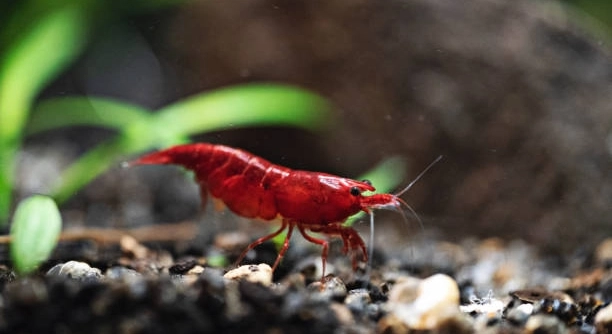
Cherry shrimp are delicate freshwater creatures that bring life to home aquariums. Their vibrant red hues and active movements make them popular among hobbyists who enjoy creating visually appealing tank environments. Observing their behavior can be surprisingly rewarding.
Cherry shrimp do respond to colorful tank décor, though not in the way humans might expect. Bright colors can influence their activity and stress levels, with neutral or natural tones generally promoting calmer and more consistent behaviors within the aquarium.
Understanding how tank colors affect shrimp can improve both their wellbeing and the overall aesthetic appeal, making careful décor choices an important consideration for aquarists.
How Cherry Shrimp Perceive Color
Cherry shrimp have simple eyesight that allows them to detect contrasts and shapes rather than complex colors. Their red pigment is more noticeable against certain backgrounds, which can affect how they explore their tank. Bright, unnatural decorations may cause them to hide more often, while muted or natural tones encourage movement. Placing plants, rocks, and substrates with gentle contrasts can make shrimp feel more secure and active. Overly bold decorations may not harm them physically but can create stress that reduces feeding or breeding activity. Observation is key, as each shrimp may react slightly differently depending on age, size, and temperament. Small groups may also respond differently than larger colonies, as social interactions can influence their comfort levels. Lighting plays a role as well; strong lights reflecting off vivid surfaces can startle shrimp, while softer illumination with neutral décor promotes natural behavior patterns.
Bright colors may draw the eye but can make shrimp more cautious and less visible to their peers.
Creating a balanced tank with natural décor supports both activity and visibility. Adjusting décor and lighting helps shrimp feel secure and encourages healthier interactions.
Choosing Tank Décor Wisely
Selecting appropriate tank decorations impacts shrimp health and behavior.
Careful choice of substrates, plants, and ornaments helps create an environment that is stimulating but not overwhelming. Cherry shrimp respond better to natural textures and muted tones, which mimic their natural habitat. Avoid overly flashy items that can dominate the tank and cause stress. Rounded shapes and low-contrast décor allow shrimp to forage comfortably and interact with the tank without feeling threatened. Additionally, incorporating hiding spots such as moss or small caves provides security, which is essential for molting and breeding. Even small changes, like shifting plant placement or adjusting lighting, can affect behavior. Observing how shrimp react to new décor allows gradual improvements to the tank setup, ensuring they remain active and healthy. Over time, balanced décor promotes visible color expression, consistent activity, and reduced hiding tendencies, creating a more engaging and sustainable aquarium environment.
Impact of Lighting on Behavior
Lighting affects shrimp activity more than many people realize. Bright, harsh lights can make them hide, while softer, diffused lighting encourages movement and exploration. Choosing the right intensity ensures shrimp feel secure and display natural behaviors.
Consistent lighting schedules help maintain regular activity patterns. Cherry shrimp are sensitive to sudden changes, and abrupt bright lights may stress them. Using adjustable LED lights or placing the tank away from direct sunlight can help create a stable environment. Light reflections from colorful decorations may amplify stress, so combining gentle illumination with natural-toned décor improves comfort. Observing shrimp at different times of day can guide adjustments to lighting, ensuring a balance between visibility and stress reduction.
Light color also plays a role. Cooler tones can highlight shrimp colors, but excessive blue or white light may cause temporary retreat. Warmer, soft lighting encourages them to forage openly and reduces shadows that create hiding spots. Adjusting light angles and intensity gradually can help shrimp acclimate, fostering a calm and active community over time.
Social Interaction and Décor
Tank décor influences social dynamics and comfort within shrimp groups.
Providing multiple hiding spots allows shy shrimp to feel safe while more confident individuals explore. Dense plants or low structures reduce territorial stress, especially in larger colonies. Observing shrimp interactions can reveal which areas of the tank are favored or avoided, guiding décor placement.
Spacing decorations to balance open swimming areas and sheltered zones is important. Overcrowding with large, colorful objects may cause tension or reduce visibility among shrimp, limiting natural interactions. Shrimp feel secure when they can retreat without being trapped, which encourages feeding and molting. Moss, small caves, and low-profile ornaments create a dynamic environment without overwhelming the colony. Adjusting décor based on observed behavior ensures each shrimp has access to both social interaction and personal space. Maintaining this balance also promotes healthier breeding and less stress-related behavior, supporting long-term tank stability.
Color Preferences and Activity
Cherry shrimp tend to react more to contrast than specific colors. Darker or natural tones make them feel secure, while overly bright décor may trigger hiding. Observation helps determine which areas of the tank they prefer, guiding placement of plants and ornaments.
Bright, flashy items can limit visible activity. Red or orange décor may blend with their natural colors, while neon shades can create stress, causing retreat. Strategically positioning decorations to balance visibility and shelter helps shrimp feel confident and encourages consistent movement throughout the tank.
Tank Arrangement Tips
Spacing is crucial for both activity and comfort. Open areas allow swimming, while clustered plants and small caves offer hiding spots. Avoid overcrowding the tank, as excessive decorations can overwhelm shrimp, reducing exploration and natural behavior. Maintaining a mix of open and sheltered spaces supports healthy, active shrimp colonies.
Monitoring Behavior Changes
Regular observation is key. Changes in movement, hiding, or feeding may indicate stress caused by décor, lighting, or social dynamics. Recording patterns over time helps identify issues and adjust the tank setup for a stable environment.
FAQ
Do cherry shrimp prefer natural colors over bright décor?
Yes, cherry shrimp generally respond better to natural and muted colors. These tones resemble their natural habitat and provide comfort, encouraging normal activity. Bright or neon decorations can make them hesitant to explore and spend more time hiding. Balanced décor helps shrimp feel secure while still allowing visibility for observation.
Can tank décor affect shrimp stress levels?
Absolutely. Decorations that are too large, colorful, or cluttered can increase stress by creating an unnatural environment. Stress may manifest as hiding, reduced feeding, or slower movement. Adding soft lighting, natural-toned ornaments, and hiding spots can reduce stress and promote healthier behaviors.
Do cherry shrimp react differently to various textures?
Yes, they do. Smooth surfaces are easier to navigate but provide limited grazing opportunities. Rough textures like rocks or moss allow them to forage for biofilm, which is a natural part of their diet. Mixing smooth and textured décor supports both comfort and feeding needs.
Does lighting intensity influence shrimp activity?
Lighting plays a significant role. Harsh or overly bright light can cause shrimp to retreat, while soft, diffused lighting encourages movement. LED lights with adjustable intensity or shaded areas reduce stress and create a more natural environment. Light duration and consistency also help maintain regular activity patterns.
Will shrimp interact with colorful ornaments?
Cherry shrimp are more influenced by contrast than specific colors. While they may explore bright ornaments, excessive neon or reflective surfaces often make them wary. Decorations that provide both open areas and hiding spots encourage interaction without causing fear. Observation of their behavior helps fine-tune décor placement.
How does décor placement affect social behavior?
Placement affects both comfort and social dynamics. Dense clusters can create safe zones for shy shrimp, while open spaces allow confident individuals to explore. Proper spacing prevents overcrowding and reduces stress-related aggression or competition. Adjusting décor based on observation ensures a balanced and harmonious environment.
Can changing décor suddenly harm shrimp?
Sudden changes may stress them temporarily. Shrimp acclimate better to gradual rearrangements of plants, rocks, or ornaments. Small adjustments allow them to explore new spaces without overwhelming their instincts, promoting natural behavior and consistent feeding.
Do shrimp notice the color of the substrate?
Yes, substrate color affects visibility and comfort. Darker substrates make red shrimp stand out, while lighter tones may cause them to blend in more. Neutral or natural substrates are generally preferred, as they provide contrast without creating excessive stress or hiding spots.
Are there signs that décor is affecting shrimp health?
Stress from inappropriate décor may show as increased hiding, reduced feeding, molting difficulties, or lethargy. Monitoring behavior after adding or changing decorations helps identify if adjustments are needed. Well-chosen décor supports both visible activity and long-term health.
How can I balance aesthetic appeal with shrimp comfort?
Focus on natural colors, gentle contrasts, and varied textures. Combine open swimming areas with hiding spots like moss, caves, or low-profile ornaments. Adjust lighting to complement the décor, reducing glare or reflections. Observing shrimp behavior over time ensures the tank remains visually appealing while keeping shrimp active and healthy.
Does tank size influence the effect of décor on shrimp behavior?
Yes, larger tanks provide more space to create a balance between open areas and hiding spots, while small tanks require careful planning to avoid overcrowding. Proper layout ensures that shrimp can forage, molt, and interact without stress.
Can colorful plants impact shrimp activity?
Artificial or brightly colored plants may cause hesitation or hiding. Live or muted-toned plants encourage natural exploration and grazing. Combining dense plant areas with open swimming zones helps maintain activity while giving shrimp security and comfort.
Do all shrimp react the same way to decorations?
Individual variation exists. Some shrimp may explore bright or reflective décor, while others avoid it. Observing specific behavior patterns allows for tailored adjustments to décor, lighting, and placement, ensuring a harmonious tank environment.
Is it necessary to change décor frequently?
Frequent changes are not required. Gradual updates or rearrangements can refresh the environment and encourage activity, but drastic changes may stress shrimp. Maintaining a stable layout with occasional small modifications provides stimulation without causing anxiety.
Can shrimp breeding be affected by décor choices?
Yes, secure hiding spots and natural textures support molting and reproduction. Shrimp prefer areas where they feel protected while carrying eggs or molting. Overly bright, open, or reflective setups can increase stress and reduce successful breeding.
How do I know if my shrimp are comfortable with the current décor?
Comfort is indicated by consistent activity, regular feeding, visible color, and minimal hiding. Observation over several days or weeks shows whether shrimp are exploring the tank confidently or avoiding areas, guiding adjustments to décor and layout for optimal wellbeing.
Does the number of shrimp influence how décor should be arranged?
Yes, more shrimp require additional hiding spots and balanced open areas to prevent overcrowding. Sparse populations may not need as much structured space but still benefit from natural textures and shelters to promote healthy behavior and reduce stress.
Can reflective surfaces cause problems in the tank?
Reflective or glossy décor may startle shrimp and increase hiding. Minimizing glare, combining matte surfaces with natural colors, and observing their reactions can reduce stress while maintaining an appealing visual setup.
Is there a difference between live and artificial décor for shrimp behavior?
Live plants provide natural textures, grazing surfaces, and oxygenation, enhancing comfort and activity. Artificial décor may add color and structure but can stress shrimp if too bright or reflective. A combination of both, emphasizing natural textures and subdued colors, often works best.
Should I rearrange decorations if shrimp hide frequently?
Frequent hiding often signals stress. Rearranging décor to create more sheltered spaces, reduce bright reflections, or balance open areas can help shrimp feel secure. Gradual changes allow them to acclimate without disrupting established territory or social dynamics.
Do shrimp prefer dense or sparse tank arrangements?
A mix works best. Dense areas provide security and grazing opportunities, while open spaces allow swimming and social interaction. Balancing the two ensures activity, reduces stress, and supports overall health, encouraging natural behavior patterns.
How important is consistency in tank décor?
Consistency helps shrimp adapt and feel secure. Sudden or frequent changes may lead to hiding, reduced feeding, or stress. Gradual adjustments maintain comfort while allowing visual variety without disrupting their environment.
Can tank décor influence color expression in shrimp?
Yes, appropriate décor enhances visible color by providing natural contrast. Stressful or overly bright setups may dull colors. Neutral-toned substrates, natural ornaments, and consistent lighting encourage shrimp to display their true hues while staying comfortable and active.
What is the best approach to introducing new décor?
Introduce new items slowly, observing shrimp reactions. Place objects in areas that offer both shelter and open space. Avoid abrupt placement of bright or reflective decorations, as shrimp need time to explore without stress. Gradual integration maintains activity and comfort.
Does tank décor affect feeding behavior?
Decor can influence feeding. Hiding spots near food sources encourage natural foraging, while overly bright or cluttered areas may inhibit feeding. Positioning plants or ornaments strategically ensures shrimp access food while feeling secure, supporting healthy growth and activity.
Are there signs of stress related to décor that are easy to spot?
Stress signs include prolonged hiding, lethargy, reduced feeding, molting issues, or avoidance of certain tank areas. Monitoring shrimp behavior after changes or additions helps identify stressors, guiding adjustments to décor, lighting, and layout for optimal wellbeing.
How often should I observe shrimp behavior regarding décor?
Daily or frequent observation helps identify stress, hiding, or reduced activity. Noting patterns over time allows gradual adjustments to décor, ensuring shrimp remain comfortable, active, and healthy in their environment.
Can substrate type impact shrimp reactions to decorations?
Yes, darker or neutral substrates provide contrast that makes shrimp feel secure, while light or reflective substrates can increase stress. Pairing substrate choice with compatible décor ensures shrimp can forage and interact naturally without anxiety.
Do cherry shrimp ever ignore decorations completely?
Some shrimp may largely ignore certain items if they feel secure or uninterested. Individual temperament, colony size, and previous experiences influence interaction. Observing behavior allows for adjustments, ensuring each shrimp has a comfortable and engaging environment.
Are hiding spots necessary for all shrimp sizes?
Yes, hiding spots are essential for molting, breeding, and avoiding stress. Even adults benefit from security areas. Providing varied options accommodates different sizes and activity levels, promoting a calm and healthy tank environment.
How do I balance aesthetic appeal with shrimp comfort in small tanks?
Prioritize natural colors, minimal clutter, and varied textures. Ensure open swimming space alongside secure hiding areas. Gradual decoration additions maintain visual interest while keeping shrimp stress-free, active, and comfortable in a confined environment.
Can changing décor affect shrimp molting cycles?
Yes, stress from abrupt changes may disrupt molting. Shrimp need secure, calm areas during molting. Gradual rearrangements and providing sufficient hiding spots support successful molts and overall health.
Do shrimp interact with floating décor differently than fixed items?
Floating décor can cause hesitation if it moves frequently, creating instability. Fixed or anchored items provide security and consistent spaces for exploration, grazing, and hiding, supporting predictable behavior and reduced stress.
Are there preferred materials for shrimp-friendly decorations?
Non-toxic, smooth, or natural-textured materials work best. Rocks, driftwood, moss, and certain plastics are suitable. Avoid sharp or reflective surfaces that can stress shrimp or cause injury. Safe materials support comfort, foraging, and normal activity.
Can I use colorful substrate safely?
Yes, if it is muted or natural in tone. Bright, neon substrates may cause stress and hiding. Combining subtle color with textured surfaces supports activity, visibility, and overall comfort while maintaining an attractive tank setup.
Does the number of hiding spots affect breeding?
Adequate hiding spots are essential for successful breeding. Shrimps need security during egg carrying and molting. Lack of shelters may reduce reproduction and increase stress, affecting colony health over time.
How long does it take for shrimp to adjust to new décor?
Adjustment time varies by individual and colony size, typically a few days to a week. Gradual introduction of new items allows shrimp to explore safely, reducing stress and maintaining normal activity and feeding patterns.
Can decorations improve shrimp color vibrancy?
Yes, natural backgrounds and contrasting surfaces enhance visible color expression. Stress-free environments with appropriate décor allow shrimp to display full hues while remaining active and healthy.
Are there decorations to avoid entirely?
Avoid sharp, reflective, or overly bright items that may stress shrimp. Large, dominating decorations can restrict movement and reduce interaction. Safe, natural, and well-placed décor supports comfort, activity, and visual appeal.
Do shrimp respond differently to artificial versus live plants?
Live plants offer natural grazing surfaces and shelter, encouraging exploration and comfort. Artificial plants can be used for structure or color but should avoid harsh or reflective surfaces to prevent stress. Combining both with care works best.
Can rearranging plants improve activity levels?
Yes, rearranging plants to create open swimming areas and hiding spots stimulates exploration. Gradual changes maintain security while encouraging movement, foraging, and social interaction among shrimp.
Do shrimp notice decorations outside the tank?
Not significantly. Their vision is adapted to aquatic contrasts and shapes. Most behavior is influenced by internal tank arrangements, lighting, and décor rather than objects outside the aquarium.
Are colorful ornaments necessary for a shrimp tank?
Not necessary. Shrimp activity and comfort are more influenced by contrast, hiding spots, and texture. Subtle, natural décor promotes healthier behavior and reduces stress while still maintaining aesthetic appeal.
Can decorations influence shrimp lifespan?
Indirectly, yes. Stressful environments with improper décor may reduce feeding, molting success, and breeding, impacting health and longevity. Balanced, secure, and stimulating décor supports activity, comfort, and overall wellbeing.
Is there an ideal décor layout for all shrimp tanks?
No single layout fits all tanks. Factors like size, lighting, colony size, and personal shrimp behavior guide the arrangement. Observing shrimp preferences and adjusting décor ensures comfort, activity, and aesthetic balance.
Do shrimp recognize new decorations immediately?
They explore cautiously at first. Curiosity leads to gradual interaction. Sudden changes may cause hiding, while gradual introduction encourages comfort and regular activity over time.
Can tank décor prevent aggression among shrimp?
Proper placement of hiding spots and open spaces reduces territorial disputes and stress-related behaviors. Balanced décor promotes peaceful interaction, particularly in larger colonies, by allowing shrimp to avoid conflict while still exploring.
How important is surface area in decorations for biofilm growth?
Surface area is essential for natural grazing. Moss, driftwood, and textured rocks provide spaces for biofilm, a key part of the shrimp diet. More surface area encourages feeding, foraging, and overall health.
Can decorations impact water flow and shrimp activity?
Yes, large or poorly placed decorations can obstruct flow, creating stagnant areas. Properly arranged décor maintains gentle currents, improving oxygenation, feeding opportunities, and comfort for shrimp.
Are there decorations that stimulate breeding?
Hiding spots, moss, and textured surfaces support molting and egg carrying. Secure and calm areas increase comfort, which encourages successful reproduction and reduces stress-related behavioral issues.
Do cherry shrimp interact differently with tall versus low decorations?
Tall decorations provide vertical shelter, while low items offer ground-level hiding and grazing opportunities. A combination ensures shrimp have multiple spaces for activity, comfort, and security throughout the tank.
How often should I update or rotate decorations?
Updates should be occasional and gradual. Frequent, abrupt changes can stress shrimp. Small adjustments refresh the environment without disrupting comfort, promoting consistent activity and natural behavior.
Can decorations influence shrimp color contrast?
Yes, natural or neutral backgrounds highlight red and orange tones, while overly bright décor can mask or stress shrimp, affecting visible vibrancy. Proper contrast encourages full color expression without impacting comfort.
Do shrimp prefer dense plant arrangements or scattered plants?
A mix works best. Dense clusters provide security and grazing areas, while scattered plants create open swimming space. This balance reduces stress, supports activity, and encourages natural behavior patterns.
Can decorations affect shrimp molting success?
Secure hiding spots and textured surfaces reduce stress and provide shelter during molting. Poorly arranged or overly bright décor may increase risk of incomplete molts or predation in mixed-species tanks.
Are ornaments with sharp edges safe?
No, sharp edges can injure delicate shrimp. Smooth, rounded, or natural textures are safer and support foraging, hiding, and general activity without causing harm.
Do cherry shrimp have favorite décor types?
Individual preferences vary, but most favor natural textures, neutral colors, and secure hiding spots. Observation helps identify which decorations each shrimp or colony prefers.
Can decorations encourage or discourage feeding behavior?
Yes, decorations that provide grazing surfaces or safe areas near food support feeding, while stressful or overly bright setups may reduce appetite and activity.
Do reflective surfaces affect shrimp comfort?
Reflective surfaces can create stress by producing confusing visuals. Matte or natural-toned décor reduces reflections, allowing shrimp to explore and forage without anxiety.
How does décor influence shrimp visibility in the tank?
Balanced contrast between shrimp color and surroundings ensures visibility without stress. Natural backgrounds highlight red tones while providing secure spaces for comfort and normal behavior.
Are floating decorations helpful or harmful?
Floating décor can be disorienting if unstable. Fixed or anchored items provide secure exploration zones, promoting activity, grazing, and hiding without stress.
Can dense décor reduce water quality?
Excessive décor can trap debris, reducing water flow and quality. Regular cleaning and careful arrangement maintain circulation and hygiene, supporting shrimp health and tank stability.
Do shrimp notice artificial décor differently than live plants?
Live plants provide natural textures, shelter, and grazing surfaces. Artificial décor adds structure and visual interest but may stress shrimp if bright or reflective. A thoughtful combination works best.
Is substrate choice important for shrimp comfort with decorations?
Yes, substrate color, texture, and stability influence visibility, comfort, and foraging. Neutral or natural tones combined with compatible décor create a calm environment and encourage normal behavior.
Can overdecorating a tank cause problems?
Yes, overcrowding limits swimming space, reduces visibility, and may increase stress. Balanced decoration with hiding spots and open areas supports activity, comfort, and health.
Do shrimp need hiding spots even in small tanks?
Yes, hiding spots are essential for security, molting, and reducing stress, regardless of tank size. Even minimal shelters can significantly improve shrimp comfort.
Can décor affect shrimp coloration over time?
Indirectly, yes. Stressful or poorly arranged décor may dull colors, while natural, secure setups enhance visible color expression. Proper contrast and comfort allow shrimp to display their full hues.
How can I test if my décor setup is suitable?
Observe shrimp behavior over several days. Active exploration, regular feeding, and minimal hiding indicate comfort, while excessive retreat or lethargy suggests adjustments are needed. Gradual changes ensure a healthy, stress-free environment.
Do shrimp respond differently to decorations in large versus small colonies?
Yes, larger colonies require more hiding spots and balanced open areas to prevent stress and territorial disputes. Smaller colonies may be less affected but still benefit from secure, natural textures.
Are there decorations that improve shrimp molting and breeding?
Textured surfaces, moss, and secure hiding spots support safe molting and egg carrying. Proper layout reduces stress, encourages natural behavior, and promotes successful reproduction.
Can I use bright ornaments safely with cherry shrimp?
Bright ornaments can be used cautiously if balanced with neutral areas and hiding spots. Observing shrimp reactions ensures that bright colors do not induce stress or hiding behaviors.
Do decorations influence how shrimp explore the tank?
Yes, layout and type of décor guide movement and comfort. Open swimming areas combined with secure zones encourage natural exploration and reduce stress.
Can decorations impact shrimp feeding hierarchy?
Yes, accessible hiding spots near food allow shy shrimp to eat without competition, while open spaces support confident individuals. Proper décor reduces stress and promotes equitable feeding opportunities.
How important is texture variety in decorations?
Variety is important for grazing and comfort. Smooth, rough, and natural textures provide surfaces for biofilm, foraging, and exploration, supporting health and natural activity.
Do shrimp interact with ornaments more when they are grouped?
Group dynamics influence behavior. Shy individuals may follow confident shrimp, exploring decorations gradually. Providing secure areas ensures all shrimp feel comfortable interacting with ornaments.
Can tank décor influence shrimp activity cycles?
Yes, appropriate lighting and comfortable décor support normal activity patterns. Stressful setups may disrupt feeding, molting, and movement cycles. Gradual adjustments restore natural behavior rhythms.
Do shrimp prefer low-lying or elevated decorations?
A mix works best. Low items provide grazing and hiding, while elevated décor offers vertical shelter and security. Variety encourages natural movement and exploration across the tank.
Are plastic decorations safe for shrimp?
Only if non-toxic and smooth. Sharp or rough plastic can injure shrimp or trap debris. Safe materials provide structure without compromising health.
Cherry shrimp are sensitive and observant creatures, and the environment we create for them greatly influences their behavior and wellbeing. The colors, textures, and arrangement of decorations in a tank play a key role in shaping how comfortable and active shrimp feel. Bright, reflective, or overly flashy décor may cause hesitation or hiding, while natural tones, subtle contrasts, and varied textures tend to encourage exploration and foraging. Providing both open swimming spaces and secure hiding spots allows shrimp to engage in normal behaviors, reduces stress, and supports natural activity. Even small adjustments, like repositioning plants or choosing a different substrate, can make a noticeable difference in their comfort levels. Over time, observing shrimp reactions to the tank setup offers valuable insight into how they perceive their surroundings and what makes them feel secure.
Lighting also interacts closely with décor to affect shrimp activity. Soft, diffused light tends to promote movement and visibility without creating stress, while harsh, bright illumination can encourage hiding or lethargy. The combination of natural-toned decorations and appropriate lighting creates a stable environment where shrimp feel safe and confident. Gradual changes in the tank layout, rather than sudden rearrangements, help shrimp acclimate without disruption. Even colony size influences how décor should be arranged; larger groups require more hiding spaces and balanced open areas to prevent crowding and territorial stress. By monitoring shrimp behavior regularly, it becomes clear which areas they prefer and which decorations encourage activity or retreat. Adjusting décor to align with these observations supports overall health, encourages natural interactions, and helps shrimp thrive in their aquatic environment.
Decorations are not only about aesthetics but also about creating a functional habitat that addresses the physical and behavioral needs of shrimp. Textured surfaces for grazing, secure hiding spots for molting, and gentle contrasts for visibility all contribute to a harmonious and active tank. Live plants, moss, and rocks offer both comfort and opportunities for natural behavior, while artificial décor can provide structure if chosen carefully to avoid stress. Maintaining a balance between visual appeal and practical design ensures shrimp feel secure, remain active, and display their true colors. By taking the time to thoughtfully plan and adjust tank décor, we can create an environment that supports the health, comfort, and natural behavior of cherry shrimp, leading to a lively and visually pleasing aquarium that both shrimp and aquarists can appreciate.

Hello,
If you enjoy the content that we create, please consider saying a "Thank You!" by leaving a tip.
Every little bit helps us continue crafting quality advice that supports the health, happiness, and well-being of pets around the world, for pets of all shapes, sizes, and species.
We really appreciate the kindness and support that you show us!