
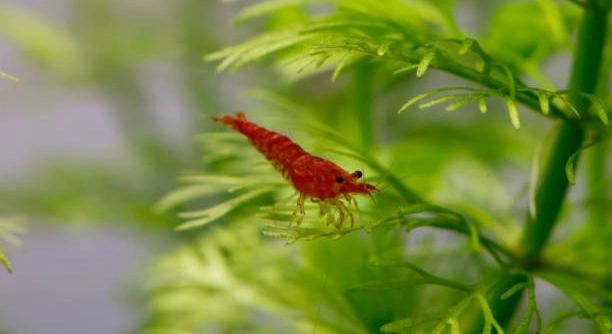
Upgrading a shrimp tank can be an exciting experience for hobbyists. Observing your shrimp in a refreshed environment reveals behaviors you might not have noticed before. They adjust, explore, and interact differently after changes.
Shrimp often display increased activity, explore new areas, engage in more social interactions, and adjust their feeding patterns following tank upgrades. These behaviors reflect their adaptation to environmental changes, establishing new territories and routines within the upgraded habitat.
Understanding these responses helps in maintaining a healthy tank environment and ensuring your shrimp adapt smoothly to improvements. Their behavior offers insight into both care and habitat optimization.
Increased Exploration
After a tank upgrade, shrimp often begin exploring their surroundings more actively. New hiding spots, plants, or substrates encourage them to move around, investigate corners, and familiarize themselves with changes. This exploration helps them feel comfortable and reduces stress. Observing shrimp wander across the tank or hover near decorations is a normal adjustment. They often climb plants, investigate crevices, and check filter outlets. Shrimp may also test the new substrate, walking over sand or gravel while occasionally burrowing. This behavior is vital for establishing territorial awareness. They adjust to different water currents created by new filters or pumps. Some shrimp may temporarily hide more often while assessing safety. Others may interact with each other near new structures. Feeding areas can also attract their attention. Watching their exploratory actions provides insight into their comfort level and overall health.
These behaviors indicate shrimp adapting and feeling safer within a refreshed environment, signaling successful tank improvements.
Noticing this increased activity is a rewarding way to understand how environmental changes impact shrimp behavior over time.
Adjusted Feeding Patterns
Shrimp often modify their feeding habits after a tank upgrade. They may eat more cautiously at first, inspecting new surfaces before consuming food.
Changes in substrate, decorations, and water flow can influence where and how shrimp feed. They may prefer grazing along newly added plants or surfaces. Some shrimp become more competitive at feeding areas, while others stick to safer spots. These adjustments ensure they maintain energy while avoiding potential threats in unfamiliar surroundings. Over time, shrimp usually return to regular feeding routines, integrating new surfaces into their grazing habits. Proper observation helps ensure all shrimp get adequate nutrition without overcrowding feeding spots. Understanding these patterns allows caretakers to optimize feeding schedules and placement.
Monitoring these changes in eating behavior ensures shrimp continue to thrive after any tank modifications. It also helps in recognizing potential issues early.
Increased Hiding Behavior
Shrimp often hide more frequently after a tank upgrade. New decorations, plants, or equipment can make them feel cautious while they adjust to changes in their environment.
Hiding allows shrimp to feel secure while assessing the new space. They may remain under rocks, behind plants, or inside tubes for hours at a time. This behavior is normal and usually temporary. Over time, as they become familiar with the layout, shrimp gradually reduce hiding and resume normal activity. Monitoring their hiding spots ensures they are safe and not stressed. Providing multiple areas to retreat helps all shrimp feel comfortable and reduces competition.
Some shrimp may continue hiding intermittently even after acclimating. Their movement patterns and social interactions slowly return to normal as confidence grows, creating a balanced and healthy tank dynamic.
Increased Social Interactions
Shrimp may interact more frequently with each other following tank upgrades. New territories and structures encourage communication, territory marking, and group activity.
Interactions include grazing together, exchanging antenna touches, and following one another along plants and substrates. These behaviors help establish social hierarchies and strengthen cohesion among tank mates. Changes in tank layout can also reduce stress, allowing shy shrimp to become more visible and active. They may cluster in safe areas or share feeding zones without aggression, reflecting improved adaptation. Observing these behaviors provides insight into their comfort level and overall social balance within the aquarium.
Careful observation ensures all shrimp can interact safely. Encouraging these social behaviors helps maintain a stable, thriving community while reducing stress and conflict over resources.
Climbing and Perching
Shrimp often start climbing plants, decorations, and tank walls after an upgrade. New structures give them areas to perch, explore vertically, and observe their surroundings from different angles.
This behavior helps shrimp feel secure and stimulated. Perching also allows them to monitor their environment while resting or grazing.
Molting Adjustments
Shrimp may adjust their molting patterns in response to changes in the tank. They often seek safer areas with less disturbance to shed their exoskeleton. This behavior ensures successful molts and reduces stress-related injuries. Providing hiding spots and soft surfaces supports healthy molting cycles and prevents complications.
Increased Grazing
Shrimp typically graze more on surfaces and new decorations after tank upgrades. They inspect algae and biofilm across the refreshed habitat.
FAQ
Why are my shrimp hiding more after a tank upgrade?
Shrimp often hide after changes to their environment. New plants, rocks, or decorations make them cautious as they adjust. Hiding is a natural response to unfamiliar surroundings. Providing multiple retreats helps all shrimp feel safe while they explore gradually. Most shrimp return to normal activity once they become familiar with the layout.
Is it normal for shrimp to change feeding habits after an upgrade?
Yes, changes in substrate or water flow can alter feeding behavior. Shrimp may graze in new areas or approach food more cautiously. Over time, they resume regular feeding patterns, incorporating new surfaces into their grazing routine. Observing their eating ensures each shrimp receives enough nutrition.
Why are my shrimp climbing decorations and plants more than before?
New structures encourage vertical exploration. Shrimp climb to feel secure, survey their environment, and access feeding areas. Climbing is part of their natural curiosity and adaptation to changes. It also helps reduce crowding and allows shy shrimp to find safer spots.
Will shrimp socialize differently after a tank upgrade?
Yes, social behaviors often increase. Shrimp interact more through grazing together, antenna touches, and shared spaces. New territories reduce stress and encourage shy shrimp to engage. Healthy social interaction supports a balanced hierarchy and reduces aggression over feeding or hiding spots.
Do shrimp molt differently after tank changes?
Shrimp may adjust molting behavior, seeking safer, quieter areas for shedding exoskeletons. New surfaces and hiding spots support successful molts and reduce stress-related injuries. Monitoring molting ensures shrimp remain healthy and reduces the risk of complications during this vulnerable time.
How can I help shrimp adapt to a new tank setup?
Provide plenty of hiding spots, varied surfaces for grazing, and gentle water flow. Gradual introduction of new elements allows shrimp to acclimate without stress. Maintaining stable water parameters and monitoring feeding patterns ensures a smooth adjustment period.
Why do shrimp seem more active after tank improvements?
Increased activity is a response to environmental enrichment. New structures, plants, and surfaces encourage exploration, grazing, and social interactions. Active shrimp indicate they feel secure and stimulated, which is a positive sign of adaptation to their upgraded habitat.
Are there signs that shrimp are stressed after an upgrade?
Stress can show as excessive hiding, lethargy, or refusal to eat. Monitoring behavior helps identify problems early. Adjusting decorations, providing additional retreats, and checking water quality can reduce stress and encourage shrimp to resume normal activity.
How long does it take for shrimp to fully adjust?
Adjustment periods vary by species, age, and personality. Most shrimp settle within a few days to a week, gradually resuming normal exploration, feeding, and social behaviors. Patience and observation are key to ensuring a smooth transition.
Can tank upgrades affect shrimp health long-term?
Properly executed upgrades improve stimulation and reduce stress, supporting health and growth. Sudden changes without hiding spots or stable conditions may temporarily impact behavior, but careful management ensures shrimp thrive in their refreshed environment.
Final Thoughts
Upgrading a shrimp tank can be both exciting and challenging. Changes to the environment can immediately influence shrimp behavior in ways that may seem surprising at first. Some shrimp may hide more, climb decorations, or change their feeding habits. These behaviors are natural responses to new surroundings and reflect their process of adjustment. Observing them closely during this period is important. Watching how they explore new areas, interact with each other, and graze on surfaces provides valuable insight into their comfort level. Providing a range of hiding spots, plants, and gentle water flow helps them feel secure and reduces stress, making the transition smoother. Over time, the behaviors typically balance out as the shrimp adapt to their upgraded habitat, showing more confidence and activity.
It is important to understand that shrimp are sensitive to their environment, and even small changes can affect their routines. Tank upgrades, while improving aesthetics or functionality, can temporarily disrupt their sense of security. Gradual introductions of decorations or rearranged plants can reduce stress, and maintaining stable water parameters is critical. Proper nutrition also plays a role, as shrimp may adjust feeding patterns in response to new surfaces or locations for food. Their molting cycles can also be affected, so observing them closely ensures they are shedding safely and recovering without complications. Healthy social interactions often increase once shrimp feel comfortable, helping establish a balanced hierarchy and reducing conflicts over space or resources. Recognizing these patterns early allows for intervention if any shrimp show signs of prolonged stress.
Ultimately, tank upgrades, when done thoughtfully, can enhance both the health and behavior of shrimp. Their increased activity, exploration, and social interactions are positive signs of adaptation and well-being. Observing these changes carefully not only strengthens understanding of shrimp behavior but also ensures a thriving and harmonious aquarium. Providing consistent care, including feeding, monitoring water quality, and maintaining safe spaces, supports long-term health and happiness. Shrimp respond positively to environments that offer stimulation, security, and stability, and careful attention during the transition period helps them adjust efficiently. Paying attention to subtle behavior changes can make the difference between a stressed colony and a vibrant, active one, making tank upgrades a worthwhile effort for both the shrimp and the keeper.

Hello,
If you enjoy the content that we create, please consider saying a "Thank You!" by leaving a tip.
Every little bit helps us continue crafting quality advice that supports the health, happiness, and well-being of pets around the world, for pets of all shapes, sizes, and species.
We really appreciate the kindness and support that you show us!