
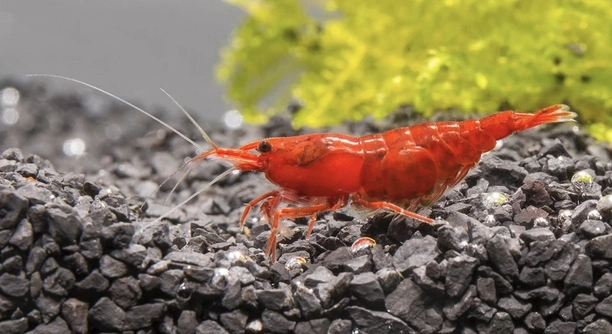
Do your shrimp often stay hidden at the bottom of the tank, moving only occasionally? Many shrimp owners notice their pets can be inactive for long periods, making it hard to enjoy watching them throughout the day.
Keeping shrimp active requires attention to water quality, tank setup, and feeding routines. Providing a stable environment, varied nutrition, and gentle stimulation encourages natural behaviors, promoting health and activity throughout the day in a consistent manner.
Understanding these key strategies will help you create a lively environment. Following simple steps can transform your tank into a more engaging and active habitat.
Maintain Stable Water Conditions
Shrimp are highly sensitive to changes in water parameters, including temperature, pH, and ammonia levels. Sudden fluctuations can stress them, causing lethargy and hiding behaviors. Regularly checking water temperature with a reliable thermometer helps maintain consistency. Using a water test kit allows you to monitor pH, nitrate, and ammonia levels effectively. Avoid overfeeding, as decaying food can raise ammonia and nitrite levels, impacting shrimp activity. Performing small, consistent water changes weekly helps stabilize the tank environment without shocking the shrimp. Adding live plants not only improves water quality but also offers hiding spots that encourage exploration. Ensuring proper filtration and gentle water flow prevents areas of stagnant water, which can deter movement. A stable environment promotes overall health, reduces stress, and naturally encourages shrimp to move around the tank more frequently. Observing their behavior after changes gives insight into how adjustments affect their activity.
Stable water conditions directly influence shrimp behavior and health. Consistency supports movement, feeding, and overall vitality.
Proper water maintenance creates a supportive environment for shrimp to thrive. Combining consistent testing, gentle filtration, and regular small water changes keeps the tank balanced. Live plants and hiding spaces further encourage exploration while minimizing stress. Over time, shrimp respond with increased activity, feeding behavior, and visible interaction with their environment. Avoiding sudden parameter shifts is critical, as even minor fluctuations can trigger inactivity. Maintaining a balance between cleanliness and habitat complexity ensures shrimp feel secure while remaining active. This approach also reduces the risk of disease, supports molting, and fosters natural behaviors, making daily observation more enjoyable and predictable. Small adjustments, like gentle aeration or introducing new plant species, can subtly encourage movement without overwhelming them. By focusing on water quality and stability, you create an environment where shrimp can display their full range of activity, making the tank visually engaging and healthier for long-term care.
Provide Varied and Frequent Feeding
Shrimp thrive when given small amounts of varied food several times a day. Feeding this way encourages exploration and activity throughout the tank.
Offering diverse foods, such as algae wafers, blanched vegetables, and occasional protein supplements, ensures proper nutrition and keeps shrimp engaged. Frequent feeding mimics natural foraging behaviors, promoting movement.
Introduce Hiding Spots
Providing hiding spots in the tank encourages shrimp to explore and move more confidently. Rocks, driftwood, and dense plants give them secure areas to retreat while still promoting activity.
Hiding spots reduce stress and allow shrimp to feel safe while exploring. When they have shelters, shrimp are more likely to leave these areas to forage and interact with the environment. Placing moss, leaf litter, or small caves throughout the tank creates multiple zones where shrimp can rest and emerge at different times. This variety stimulates natural behavior, as shrimp move between feeding areas and shelters throughout the day. It also prevents overcrowding in a single part of the tank, ensuring all shrimp remain active and comfortable.
Using diverse hiding spots benefits both shrimp activity and overall health. Shrimp are naturally cautious, and structured areas encourage exploration while keeping them protected. Arranging shelters at different heights and corners allows them to navigate the tank, climb, and forage continuously. Adding moss or fine-leafed plants offers additional grazing surfaces and surfaces for biofilm growth, which shrimp can feed on while moving. Over time, this setup keeps them engaged and reduces periods of inactivity. Regularly changing or rearranging hiding spots can also spark curiosity and exploration, maintaining consistent activity levels throughout the day.
Light and Temperature Control
Proper lighting and temperature influence shrimp behavior and movement. Moderate light encourages activity, while excessive brightness can cause hiding.
Shrimp are sensitive to both light intensity and duration. Maintaining a consistent day-night cycle supports natural behavior patterns. Too much light can stress them, leading to reduced activity or prolonged hiding, whereas dim lighting or shaded areas provide comfort and stimulate exploration. Adjusting tank lights gradually prevents sudden stress and keeps shrimp active during daylight hours. Temperature also plays a critical role; keeping the water within species-specific ranges ensures metabolism and movement remain stable. Using a reliable heater and thermometer maintains consistent temperatures, preventing slow activity caused by cold water or stress from fluctuations.
Balanced lighting and stable temperatures help shrimp maintain regular activity levels. Gradual light adjustments prevent shock, and moderate illumination encourages feeding and exploration. Similarly, maintaining consistent water temperature supports metabolism, molting, and overall vitality. Observing how shrimp respond to different light intensities and tank temperatures allows small tweaks to optimize activity. Incorporating shaded zones with plants or ornaments gives them choice, creating a dynamic environment that motivates movement. Consistent day-night cycles reinforce natural rhythms, while maintaining proper warmth ensures shrimp remain energetic without being stressed. Over time, controlled light and temperature management result in a more lively, visible, and healthy shrimp population throughout the day.
Gentle Water Flow
A gentle water flow encourages shrimp to swim and explore while preventing stagnant areas in the tank. It stimulates movement without causing stress, helping them stay active.
Using a low-powered filter or adjusting the outflow can create a consistent current. Shrimp naturally navigate gentle currents while foraging, which promotes exercise and overall health.
Encourage Foraging Behavior
Placing food in different areas of the tank stimulates natural foraging instincts. Sprinkling tiny portions of food in multiple spots motivates shrimp to move continuously, increasing activity throughout the day.
Avoid Overcrowding
Too many shrimp in one tank can lead to stress, competition, and reduced movement. Maintaining an appropriate population density ensures that each shrimp has enough space to explore and forage comfortably.
Monitor Health Regularly
Observing shrimp for signs of illness or molting issues helps maintain consistent activity. Healthy shrimp are naturally more energetic and interactive, while stressed or sick shrimp may become inactive.
FAQ
Why are my shrimp hiding all the time?
Shrimp hide when they feel stressed, unsafe, or uncomfortable in their environment. Common causes include sudden changes in water temperature, poor water quality, or lack of hiding spots. Ensuring stable water conditions, adding plants or caves, and avoiding sudden disturbances will help them feel secure and explore more.
How often should I feed my shrimp?
Feeding small amounts multiple times a day encourages movement and natural foraging behavior. Overfeeding can pollute the tank and reduce activity, so balance is key. Offering a mix of algae wafers, blanched vegetables, and occasional protein sources keeps shrimp engaged and healthy.
Can light affect shrimp activity?
Yes, lighting influences shrimp behavior. Too much bright light can stress them, causing hiding and inactivity. Moderate lighting with shaded areas promotes natural movement and feeding. Maintaining a consistent day-night cycle supports regular activity and reduces stress.
What is the ideal water temperature for active shrimp?
Shrimp activity depends on species-specific temperature ranges. Most freshwater shrimp are comfortable between 72°F and 78°F. Keeping water stable within this range supports metabolism, movement, and molting. Sudden temperature changes can slow them down or stress them, reducing activity levels.
How do hiding spots help shrimp stay active?
Hiding spots reduce stress, making shrimp feel secure enough to explore the tank. Rocks, driftwood, moss, and dense plants create multiple zones for resting and foraging. When shrimp have safe retreats, they are more likely to leave them and remain active throughout the day.
Is tank size important for shrimp activity?
Yes, an appropriately sized tank prevents overcrowding and encourages movement. Too many shrimp in a small space can increase competition and stress, reducing activity. A tank that allows room for foraging, climbing, and exploring promotes a healthy, active shrimp population.
How does water flow influence shrimp behavior?
Gentle water flow stimulates swimming and foraging while preventing stagnant areas. Shrimp naturally move with mild currents, which provides light exercise and keeps them engaged. Too strong a current can stress them, while stagnant water may lead to inactivity and poor health.
Why do some shrimp stay at the bottom of the tank?
Bottom-dwelling behavior is often linked to safety, foraging, or molting. Shrimp graze on biofilm and detritus at the bottom, but excessive hiding may indicate stress, poor water quality, or lack of food. Providing proper nutrition, hiding spots, and a clean environment encourages more movement.
How can I tell if my shrimp are healthy?
Active shrimp with vibrant colors, regular molting, and consistent foraging are usually healthy. Lethargy, discoloration, or refusal to eat can indicate stress, disease, or poor water conditions. Monitoring behavior and environment closely helps maintain shrimp vitality.
Do shrimp need live plants to stay active?
Live plants enhance activity by providing grazing surfaces, hiding spots, and improved water quality. Shrimp naturally interact with plants while searching for food or exploring. While not strictly necessary, plants make the tank more stimulating, keeping shrimp engaged and energetic.
How do I prevent shrimp from becoming inactive?
Preventing inactivity involves stable water conditions, proper temperature, moderate lighting, varied feeding, adequate hiding spots, and gentle water flow. Regular observation allows early detection of stress or health issues. Combining these factors creates a secure, stimulating environment that encourages consistent activity throughout the day.
Can tank mates affect shrimp activity?
Yes, aggressive or overly active tank mates can stress shrimp, causing them to hide more. Peaceful community fish or shrimp-only tanks allow natural movement and exploration. Observing interactions and adjusting tank mates as needed ensures shrimp remain active and healthy.
What should I do during molting periods?
Shrimp are vulnerable while molting, so providing hiding spots and minimal disturbance is important. They may become inactive temporarily. Maintaining stable water conditions and ensuring proper nutrition supports healthy molting and quicker recovery, allowing them to resume normal activity.
How often should I check water parameters?
Regular monitoring, at least weekly, helps maintain stable conditions. Check pH, ammonia, nitrite, nitrate, and temperature. Consistent water quality reduces stress and supports daily activity. Using a test kit or digital sensors ensures the tank environment remains suitable for active shrimp.
Do decorations and tank layout influence activity?
Yes, varied tank layout encourages exploration. Rocks, plants, driftwood, and small caves create zones for foraging and hiding. Rearranging decorations occasionally can stimulate curiosity, promoting movement without causing stress. A thoughtful layout keeps shrimp engaged and active throughout the day.
Can temperature fluctuations make shrimp inactive?
Even small temperature changes can affect shrimp metabolism and behavior. Sudden drops slow activity, while extreme heat can stress them. Maintaining consistent water temperature within the species’ preferred range ensures shrimp stay energetic, feed properly, and move regularly in the tank.
How does water quality affect shrimp activity?
Poor water quality causes stress, illness, and lethargy. High ammonia, nitrites, or nitrates reduce movement and increase hiding. Regular water changes, proper filtration, and avoiding overfeeding maintain clean water, encouraging natural behavior and sustained activity.
What types of food keep shrimp most active?
Shrimp respond well to a varied diet of algae wafers, blanched vegetables, biofilm, and occasional protein supplements. Changing feeding locations and rotating food types encourages foraging behavior, stimulating movement and keeping them engaged in the tank environment.
How do I know if shrimp are exploring enough?
Active shrimp move between hiding spots, feed regularly, climb plants, and graze surfaces. Observing consistent, purposeful movement throughout the tank indicates they are engaged and healthy. Reduced exploration may signal stress, poor water quality, or inadequate environmental enrichment.
Can changing tank décor improve shrimp activity?
Yes, rearranging plants, rocks, or adding new hiding spots can spark curiosity and encourage movement. Small changes simulate a more dynamic environment, motivating shrimp to explore and forage regularly without causing stress or disruption to their routine.
Keeping shrimp active throughout the day requires a combination of consistent care, attention to their environment, and understanding their natural behavior. Shrimp are small and delicate creatures that respond strongly to changes in water quality, temperature, and lighting. By maintaining stable conditions in their tank, you can reduce stress and create an environment that encourages movement and exploration. Monitoring parameters such as pH, ammonia, nitrites, and nitrates regularly ensures the water remains safe, while small, consistent water changes prevent sudden fluctuations. A well-maintained tank not only promotes physical activity but also supports overall health, allowing shrimp to feed, molt, and interact with their surroundings naturally. Along with proper water care, using a reliable thermometer and heater helps maintain a consistent temperature range suited to the species. Sudden changes in warmth can slow metabolism and reduce movement, so steady conditions are crucial for active shrimp.
Providing a stimulating environment is another essential factor in keeping shrimp active. Adding hiding spots like rocks, driftwood, moss, and plants encourages shrimp to explore rather than remain inactive. These features offer security, which allows shrimp to feel safe while moving throughout the tank. Live plants contribute further by creating grazing surfaces for biofilm growth, giving shrimp additional reasons to move and forage. Distributing food in different areas of the tank also encourages exploration and natural foraging behavior. Feeding small amounts multiple times a day rather than a single large portion keeps shrimp engaged and promotes consistent activity. Gentle water flow stimulates swimming and adds a level of environmental interaction without causing stress. Thoughtfully arranging the tank and occasionally changing décor or adding new hiding spots can maintain curiosity, helping shrimp stay energetic throughout the day.
Monitoring shrimp health and behavior completes the process of creating a lively and engaging tank. Active shrimp typically display regular foraging, climbing, grazing, and interaction with their environment. Signs of inactivity, discoloration, or unusual hiding behavior may indicate stress, illness, or water quality issues, which should be addressed promptly. Choosing peaceful tank mates reduces competition and stress, further supporting movement and natural behavior. Combining these strategies—stable water conditions, proper lighting, stimulating décor, varied feeding, gentle water flow, and careful health observation—ensures shrimp remain active and healthy. Over time, these consistent practices not only improve their physical activity but also allow you to enjoy a visually dynamic and lively aquarium. A tank designed with both safety and stimulation in mind keeps shrimp engaged, promoting long-term well-being and creating a vibrant, active habitat.

Hello,
If you enjoy the content that we create, please consider saying a "Thank You!" by leaving a tip.
Every little bit helps us continue crafting quality advice that supports the health, happiness, and well-being of pets around the world, for pets of all shapes, sizes, and species.
We really appreciate the kindness and support that you show us!