
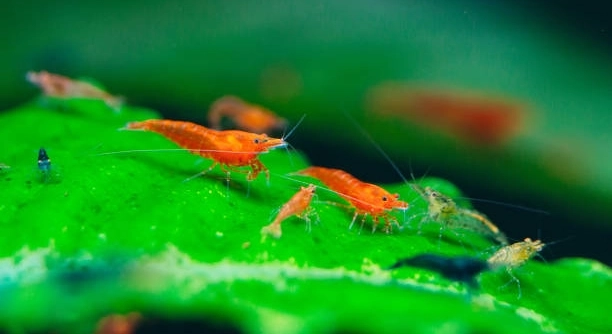
Cherry shrimp are tiny, colorful freshwater creatures that brighten any aquarium. At night, many owners notice them moving quickly, appearing more active than during the day. Their energy can surprise both new and experienced shrimp keepers alike.
Cherry shrimp exhibit increased nocturnal activity due to natural behaviors, environmental cues, and internal biological rhythms. Factors such as feeding patterns, light levels, and tank conditions collectively influence their hyperactive movements during nighttime hours.
Observing these behaviors can help you better care for your shrimp and maintain a healthy aquarium environment. Understanding their activity patterns is essential for a thriving tank.
Natural Nocturnal Behavior
Cherry shrimp are naturally more active at night. In the wild, they avoid predators by feeding and exploring during dim light hours. This instinct carries over into home aquariums, where they feel safer moving around once the lights are off. Nighttime activity allows them to forage without stress, searching for algae, detritus, and tiny food particles. Watching them during these hours reveals a side of their personality that daytime observation often misses. They dart between plants, clean surfaces, and interact with tank mates in ways that are more subdued during the day. Their movements are deliberate yet quick, reflecting both their survival instincts and curiosity. As nocturnal creatures, their body clocks are tuned to low-light conditions, so their metabolism and energy usage naturally increase when it’s dark. Understanding this behavior helps in setting up feeding schedules and lighting to keep them healthy and active without disruption.
Their nighttime activity is simply part of how they thrive.
Observing these patterns regularly can improve tank management. Adjusting feeding times and monitoring water quality ensures shrimp remain lively. Low-light conditions and hiding spots allow them to feel secure. Over time, you may notice individual shrimp developing their own habits, some exploring more, others sticking to familiar areas. These differences reflect their personalities, health, and comfort level in the tank. By respecting their natural rhythm, it becomes easier to predict behavior, prevent stress, and maintain a balanced ecosystem. Even minor changes, like adjusting light intensity or adding gentle filtration, can impact their night activity. Paying attention to these details not only supports their health but also makes shrimp care more rewarding and engaging for you.
Feeding Habits at Night
Cherry shrimp often feed more actively after lights go out.
They prefer small, frequent meals during low-light conditions, which encourages nighttime movement. Their heightened activity at night is linked to digestion and foraging efficiency.
Shrimp have sensitive antennae that help them locate food in darkness. During nighttime hours, they use these sensory tools extensively, picking at algae and leftover flakes. This behavior keeps them occupied and helps distribute nutrients evenly throughout the tank. Feeding them before lights off aligns with their natural rhythm and can reduce stress. Overfeeding can disrupt their nocturnal activity, causing them to slow down or hide excessively. A balanced diet, offered in measured portions, supports both their energy needs and overall health. Monitoring how much they consume during the night provides insight into their appetite and well-being. By observing feeding patterns and providing appropriate nutrition, you help maintain a vibrant and active shrimp population. Properly managed, their nightly energy becomes a fascinating aspect of tank life rather than a challenge.
Light Sensitivity
Cherry shrimp react strongly to light levels. Bright aquarium lights can make them retreat, while dim or no light encourages movement and exploration.
At night, low-light conditions reduce stress, allowing shrimp to come out from hiding. Their eyes are adapted to detect minimal light, which helps them navigate safely and find food. When lights are off, they actively forage, clean surfaces, and interact with tank mates. Providing hiding spots ensures they feel secure while remaining visible for observation. Gradually adjusting light schedules can help them acclimate and maintain a consistent nocturnal routine.
Light changes can also trigger hormonal and behavioral responses. Shifts in brightness influence their circadian rhythm, which dictates when they are most active. Consistent lighting helps regulate sleep and feeding patterns, promoting healthier shrimp. Sudden, intense light can startle them, causing erratic movements or hiding, while gentle transitions keep activity predictable. Observing their reactions can guide aquarium lighting setups, ensuring both shrimp comfort and an engaging display.
Water Conditions
Stable water parameters are essential for cherry shrimp activity. Temperature, pH, and ammonia levels all impact their behavior and energy.
Even minor fluctuations can make shrimp less active or stressed. Maintaining optimal conditions encourages movement during nighttime hours and supports overall health. Regular testing and small, consistent adjustments prevent sudden shocks. Clean, well-filtered water allows them to explore freely without risk of harm.
Temperature influences metabolism and activity levels directly. Cooler water slows movement, while slightly warmer water increases energy. pH and hardness affect molting and feeding, with imbalances leading to lethargy or hiding. Ammonia, nitrites, and nitrates must remain minimal to prevent stress-induced inactivity. Consistent water changes, careful monitoring, and stable filtration help maintain conditions that naturally encourage nighttime activity. Observing shrimp behavior in response to subtle water changes provides insight into their comfort and health, allowing better management of tank life and nocturnal energy patterns.
Tank Size and Layout
A spacious tank encourages more movement. Cherry shrimp have room to explore, forage, and interact without feeling crowded.
Hiding spots and plants also impact activity. Shrimp feel secure and more willing to move when there are plenty of places to retreat and explore.
Social Behavior
Cherry shrimp are social creatures that interact constantly. Group dynamics influence their energy, especially at night. In larger groups, they chase, clean, and explore together, which increases activity. Solitary shrimp may hide more and appear less energetic.
Feeding Schedule
Feeding timing affects nocturnal behavior. Shrimp are more active after small, frequent meals.
Stress Factors
Stress reduces nighttime activity. Sudden changes in water, temperature, or tank setup can make shrimp hide or move less.
FAQ
Why are my cherry shrimp more active at night?
Cherry shrimp are naturally nocturnal. They feel safer moving around in low-light conditions and use nighttime to forage and explore. Their instincts make them more cautious during the day when light levels are high, and potential threats feel closer.
Should I change my lighting schedule to match their activity?
Adjusting lights gradually can help them stay active and reduce stress. Low or dim lighting at night encourages natural movement. Avoid sudden changes in brightness, as this can startle shrimp and disrupt their routine. Consistency is key to maintaining healthy behavior patterns.
Does tank size affect their nighttime energy?
Yes, larger tanks allow shrimp more space to explore and interact. Crowded tanks can make them hide more and reduce activity. Adding plants, moss, and hiding spots encourages movement and creates a secure environment that supports their natural behaviors.
How often should I feed them at night?
Small, frequent meals work best. Cherry shrimp forage continuously, so leaving food out for longer periods aligns with their natural rhythm. Overfeeding should be avoided to prevent water quality issues and stress that can reduce nighttime activity.
Can water quality impact their nocturnal behavior?
Absolutely. Poor water conditions stress shrimp, making them hide or move less. Maintaining stable pH, temperature, and ammonia levels is essential. Regular testing and gentle water changes keep shrimp healthy and encourage active nighttime foraging.
Do cherry shrimp interact differently at night?
Yes, their social behavior increases in darkness. They chase, clean, and explore together, which boosts overall activity. Solitary shrimp may move less and hide more. Observing group dynamics helps you understand energy patterns and adjust tank conditions accordingly.
What role does temperature play in their night activity?
Temperature affects metabolism directly. Slightly warmer water increases movement, while cooler temperatures slow them down. Keeping a stable, optimal temperature ensures consistent nighttime activity and helps maintain overall health, molting cycles, and feeding habits.
Are there signs that my shrimp are stressed at night?
Shrimp that hide excessively, move erratically, or remain inactive may be stressed. Stress can be caused by sudden water changes, aggressive tank mates, or bright lights. Addressing these issues quickly ensures they resume normal nocturnal activity and remain healthy.
Can I use nighttime activity to monitor health?
Yes, active nighttime behavior often reflects good health. Lethargy or hiding may indicate illness, poor water quality, or insufficient food. Regular observation during their peak activity helps you detect problems early and make adjustments before issues escalate.
Do feeding times during the day affect night behavior?
Daytime feeding impacts nighttime activity indirectly. Feeding before lights go out aligns with their natural rhythm and encourages active foraging at night. Overfeeding can reduce movement, while skipping meals may increase frantic searching and stress during darkness.
How do hiding spots influence their nighttime behavior?
Hiding spots make shrimp feel secure and more willing to explore. Plants, moss, and decorations provide safe areas to retreat if startled. Without sufficient cover, shrimp may hide excessively, reducing their natural nocturnal activity and making them less visible.
Is it normal for some shrimp to be more energetic than others?
Yes, individual personalities and comfort levels vary. Some shrimp explore constantly, while others prefer safer areas. Differences in energy can indicate health, confidence, or adaptation to the tank environment. Observing each shrimp helps you understand group dynamics and overall tank health.
Can changing tank mates affect night activity?
Introducing new species or aggressive tank mates can reduce nighttime activity. Stress from competition or predation risk makes shrimp hide more. Gradual introductions and peaceful companions support normal nocturnal behavior and maintain a lively tank environment.
Are there ways to safely encourage nighttime activity?
Yes, maintaining stable water, consistent lighting, adequate hiding spots, and regular small feedings all encourage natural nighttime energy. Gentle observation and minimal disturbance help shrimp feel secure and active while keeping their environment balanced and stress-free.
Does molting affect nighttime behavior?
Molting can temporarily reduce activity. Shrimp hide during this vulnerable stage, especially at night. Providing hiding spots and monitoring water quality helps them molt safely. After molting, activity usually increases as they recover and explore more confidently.
Can I track nighttime behavior for better tank care?
Observing shrimp at night provides valuable insights into feeding, health, and social interactions. Keeping notes on activity levels, feeding habits, and tank conditions helps maintain a thriving environment and ensures nocturnal behavior remains consistent.
What should I do if shrimp are unusually hyper or lethargic at night?
Check water quality, feeding schedule, and temperature first. Sudden hyperactivity may indicate stress or disturbances, while lethargy often signals poor conditions or illness. Adjust tank management gradually to restore balance and support healthy, natural nighttime behavior.
How important is routine for cherry shrimp?
Routine is crucial. Consistent lighting, feeding, and water maintenance reinforce their natural rhythms. Predictable conditions reduce stress, encourage healthy nocturnal activity, and promote overall well-being in the aquarium environment.
Do all cherry shrimp behave the same at night?
No, activity varies by age, size, and individual temperament. Younger shrimp may explore more, while older shrimp move cautiously. Observing these differences helps tailor care practices to meet each shrimp’s needs and maintain a balanced tank ecosystem.
Can nighttime activity indicate readiness for breeding?
Heightened energy, increased movement, and frequent interaction can be signs of reproductive readiness. Females may become more active and visible, while males follow closely. Monitoring these behaviors helps identify optimal conditions for breeding and maintaining a healthy population.
How can I safely observe shrimp at night?
Use dim lighting or a red LED light to minimize disturbance. Observing quietly allows you to see natural behaviors without causing stress. Taking notes on movement, feeding, and social interactions provides insight for better tank management and care strategies.
What small changes can improve nighttime activity?
Adding hiding spots, adjusting feeding times, stabilizing water parameters, and gently dimming lights can all enhance natural energy patterns. Even minor improvements make shrimp more comfortable, active, and easier to monitor for health and behavior.
Is it normal for shrimp to explore the entire tank at night?
Yes, exploration is part of their nocturnal instinct. They search for food, clean surfaces, and interact with others. Ensuring a safe environment with plants and smooth surfaces encourages natural exploration and reduces stress during these active hours.
How do tank plants influence nighttime behavior?
Plants provide security and food sources, encouraging shrimp to move confidently. Dense planting allows them to forage without fear, while open spaces let them interact and explore more freely. Proper plant placement balances safety and activity for optimal nocturnal behavior.
Can nighttime behavior predict overall health trends?
Active, consistent nocturnal behavior usually indicates good health. Sudden changes, lethargy, or erratic movement may signal illness or stress. Regular observation at night provides early warning signs, allowing timely intervention to maintain a thriving shrimp population.
Does tank filtration affect their night activity?
Strong currents can make shrimp hide or reduce movement. Gentle filtration provides clean water without disturbing their nocturnal patterns. Adjusting flow and ensuring stable oxygen levels supports normal activity and minimizes stress.
Are shrimp more active at night in planted or bare tanks?
Planted tanks encourage exploration and security, increasing movement. Bare tanks may cause hesitation or hiding due to lack of cover. Providing a mix of plants and open spaces balances safety with room for natural nocturnal behaviors.
How does age affect nighttime energy?
Younger shrimp are generally more active, while older shrimp move slower. Monitoring activity by age group helps anticipate needs for feeding, hiding spots, and tank maintenance. Adjustments ensure all shrimp can thrive and express natural behaviors.
Can changing water parameters suddenly trigger hyperactivity?
Yes, sudden shifts in temperature, pH, or other factors can cause temporary hyperactivity. Gradual changes are safer and maintain predictable behavior, reducing stress and preventing injury or illness in shrimp populations.
What signs show shrimp are comfortable at night?
Smooth, steady movements, regular foraging, and interaction with tank mates indicate comfort. Shrimp exploring confidently without hiding or erratic behavior shows a well-balanced tank environment.
Can stress make shrimp appear less active even at night?
Yes, stress from water changes, new tank mates, or bright lights can reduce nocturnal activity. Addressing stress factors ensures shrimp remain lively, healthy, and naturally active during low-light hours.
Are there specific foods that increase nighttime activity?
Balanced foods like algae wafers, blanched vegetables, and occasional protein treats support energy levels. Feeding small portions encourages foraging behavior and maintains natural nocturnal activity without overfeeding.
How long do cherry shrimp remain active at night?
Activity generally peaks shortly after lights go off and continues until early morning. Duration depends on tank conditions, food availability, and individual shrimp behavior. Observing these patterns helps maintain a consistent routine and healthy environment.
Do nighttime behaviors differ between male and female shrimp?
Females may hide more when carrying eggs, while males often move actively to locate mates. These differences are normal and reflect reproductive roles and instincts in the aquarium.
How do I know if my shrimp are overactive at night?
Constant frantic movement, collisions with tank structures, or erratic darting can indicate stress or poor water conditions. Adjusting environment and monitoring behavior helps restore normal nocturnal activity.
Are there environmental factors that make shrimp hyper at night?
Light, temperature, water stability, tank layout, and feeding schedule all influence activity. Optimizing these factors ensures energy levels remain natural and sustainable.
Can nighttime activity indicate readiness for molting?
Increased foraging and movement can precede molting. Providing hiding spots and stable water conditions helps shrimp molt safely while minimizing stress and vulnerability.
Do shrimp ever rest at night?
Yes, they take short periods of inactivity to conserve energy. Even during active hours, brief rests are normal and necessary for health and recovery.
Can tank maintenance affect nighttime behavior?
Disturbing the tank during maintenance may temporarily reduce activity. Performing gentle, minimal interventions helps shrimp maintain natural nocturnal patterns and reduces stress.
Is it normal for shrimp to clean the tank at night?
Yes, shrimp use nighttime to forage, eat algae, and clean surfaces. This behavior is part of their natural instinct to maintain territory and stay healthy.
How can I encourage shy shrimp to be active at night?
Adding more plants, hiding spots, and providing consistent, low-stress conditions gradually builds confidence. Over time, shy shrimp explore and forage more actively during nighttime hours.
Do shrimp need total darkness to be active at night?
Dim lighting is sufficient. Red or blue lights allow observation without disturbing natural behavior. Total darkness may reduce visibility but does not hinder activity.
Can nighttime activity vary seasonally?
Yes, temperature and daylight changes can influence energy levels. Stable indoor conditions reduce seasonal fluctuations and maintain consistent nocturnal behavior.
How do I prevent stress-induced nighttime inactivity?
Maintain water stability, gentle lighting transitions, proper feeding, and secure hiding spots. Observing behavior helps identify and address stress factors before they impact activity.
Are there behaviors that indicate shrimp are thriving at night?
Active foraging, social interaction, smooth movement, and regular exploration show good health. Consistent nighttime activity reflects a balanced, well-maintained tank environment.
Can I combine observation and care routines at night?
Yes, gentle monitoring during low light allows assessment of health, feeding, and social behaviors without disturbing natural rhythms. This practice supports proactive care and a lively, thriving aquarium.
Do shrimp ever display aggressive behavior at night?
Minimal aggression occurs when establishing territory, especially among males. Most nighttime activity focuses on foraging and exploration rather than conflict.
How important is hiding spot placement for nighttime activity?
Strategic placement encourages exploration while providing safety. Hiding spots near food and open areas allow shrimp to feel secure while remaining active.
Can feeding different foods affect energy levels at night?
Varied diets provide nutrients that support metabolism and activity. Balanced food types encourage natural foraging and prevent lethargy or hyperactivity caused by imbalanced nutrition.
Does filtration noise impact nighttime activity?
Strong noise or vibrations can reduce movement. Gentle filtration ensures clean water without disturbing nocturnal behavior.
Can I monitor shrimp activity with a camera?
Yes, cameras with low-light settings allow observation without interference. Recording nighttime behavior provides insights into health, social interaction, and energy patterns.
Do shrimp respond to human presence at night?
They may retreat if startled. Observing quietly ensures natural behavior continues. Gradual familiarity can reduce startle responses over time.
Are there signs that nighttime activity is abnormal?
Erratic swimming, excessive hiding, or frantic movement may indicate stress, illness, or water issues. Early detection helps prevent long-term problems.
How do I know if my shrimp are comfortable exploring at night?
Consistent movement, interaction with plants, and normal foraging show comfort. Shrimp that hesitate or hide excessively may need more secure hiding spots or stable conditions.
Can nighttime activity be used to gauge feeding efficiency?
Yes, observing how much shrimp forage and consume at night helps adjust feeding amounts and schedules, ensuring proper nutrition without overfeeding.
Do shrimp behave differently during moonlight or simulated night cycles?
Subtle light variations can influence movement. Gradual transitions support natural rhythms, while sudden changes may startle or reduce activity.
Can nighttime activity indicate reproductive behavior?
Heightened movement, interaction, and following behavior can suggest readiness to mate. Observing these patterns helps understand reproductive cycles and care needs.
Is it normal for shrimp to explore the tank’s top and bottom at night?
Yes, they cover all areas while foraging. Exploring different levels ensures they find food and clean surfaces, reflecting normal nocturnal activity.
How can I tell if shrimp are overstimulated at night?
Constant rapid movement, collisions, or stress signs indicate overstimulation. Adjusting light, food, and tank layout can restore normal activity levels.
Do shrimp have peak hours at night?
Activity typically peaks just after lights go out and gradually decreases before lights return. Tracking these patterns aids in feeding and observation schedules.
Are there long-term benefits to observing nighttime behavior?
Yes, monitoring allows early detection of health issues, behavior changes, and environmental needs. Understanding nocturnal patterns helps maintain a thriving and balanced shrimp population.
Can nighttime activity indicate growth or molting readiness?
Increased movement and foraging can precede molting. Observing these behaviors ensures shrimp molt safely and maintain energy for recovery.
How do I ensure consistent nighttime behavior?
Maintain stable water, feeding schedules, lighting, and secure hiding spots. Regular observation and gentle tank management reinforce natural nocturnal rhythms.
Can stress from new tank elements affect nighttime activity?
Yes, sudden additions or rearrangements may cause hiding or hyperactivity. Gradual introduction supports normal behavior and reduces stress.
Do shrimp interact differently with different tank mates at night?
Peaceful species encourage normal nocturnal activity, while aggressive or fast-moving tank mates may reduce movement or cause hiding. Observation ensures compatible environments.
Are there signs of illness that appear at night?
Lethargy, discoloration, or abnormal swimming patterns often show up during their active hours. Early observation allows timely intervention.
How important is regular monitoring of night activity?
Essential for health and well-being. Tracking behavior helps identify issues, adjust care, and maintain consistent energy patterns in the tank.
Does feeding before lights out make a difference?
Yes, it encourages natural foraging at night and reduces stress. Proper timing aligns with their nocturnal instincts for energy and exploration.
Can cherry shrimp get bored at night?
Limited stimulation or empty tanks may reduce activity. Providing plants, hiding spots, and food encourages consistent exploration and engagement during nocturnal hours.
How does age influence nighttime exploration?
Younger shrimp are more active and curious, while older shrimp move more cautiously. Adjusting tank layout and food placement helps accommodate varying energy levels.
Do shrimp communicate at night?
Yes, through antennae and body movements. These interactions signal social status, foraging opportunities, and mating intentions, supporting group dynamics and activity.
Can nighttime activity indicate tank balance?
Consistent, lively behavior suggests a stable, healthy environment. Reduced or erratic movement may signal water, food, or social imbalances requiring attention.
Are there signs that shrimp are thriving at night?
Smooth movement, frequent foraging, interaction with plants, and normal social behaviors indicate thriving nocturnal activity and overall health.
Do different shrimp colors show varying nighttime behavior?
Color variations mostly relate to genetics and health. Behavior is more influenced by age, environment, and tank conditions than coloration.
Can nighttime activity be influenced by seasonal changes?
Indoor tanks with stable conditions minimize seasonal effects. Outdoor or unheated tanks may see reduced activity in cooler months.
How do I ensure shy shrimp become active at night?
Gradual acclimation, ample hiding spots, and minimal disturbance help them gain confidence. Over time, they explore and forage more naturally during darkness.
Are there benefits to observing shrimp at night for breeding purposes?
Yes, noticing interactions, activity levels, and following behavior helps identify mating readiness and supports successful breeding management.
Does the presence of snails or other invertebrates affect nighttime behavior?
Peaceful invertebrates have minimal impact, while competitive species may reduce shrimp movement or cause hiding. Monitoring interactions ensures compatibility and balanced nocturnal activity.
Can nighttime activity predict shrimp lifespan or growth?
Active, healthy behavior often correlates with good nutrition, water quality, and low stress, supporting growth and longevity. Lethargy or erratic movement may indicate underlying issues.
Are there signs of aggression during night activity?
Mild chasing can occur when establishing territory, but most nighttime energy focuses on foraging and exploration rather than conflict.
Can nighttime activity help detect water quality issues?
Yes, sudden inactivity, erratic swimming, or hiding may indicate pH shifts, ammonia spikes, or other water problems needing immediate attention.
How do I maintain consistent nocturnal behavior in mixed-species tanks?
Ensure peaceful companions, stable water, proper feeding, and adequate hiding spots. Observation helps manage interactions and maintain normal energy levels.
Are there common mistakes that reduce nighttime activity?
Overfeeding, poor water quality, strong filtration, abrupt lighting, and lack of hiding spots can all reduce natural nocturnal behavior. Gradual adjustments correct these issues.
Do shrimp ever adjust their activity based on human presence?
They may hide initially, but consistent, quiet observation allows them to resume normal behavior without disturbance.
Is nighttime activity affected by tank size?
Larger tanks encourage exploration, while small or overcrowded tanks reduce movement. Balanced layout and adequate hiding spots promote natural activity patterns.
Can nighttime activity vary by shrimp breed or strain?
Yes, subtle differences in behavior exist, but most cherry shrimp follow similar nocturnal instincts. Observing patterns specific to your strain ensures optimal care.
**How can I track nighttime
Cherry shrimp are small, delicate creatures whose nighttime activity often surprises aquarium keepers. Their hyperactive movements in low-light conditions are completely natural and reflect instincts developed in the wild. At night, they feel safer moving around, exploring, and foraging without the threat of predators. Observing them during these hours reveals patterns that are often hidden during the day. Some shrimp dart quickly among plants, while others cautiously explore open areas. Their energy levels can vary depending on age, personality, and comfort in the tank. Younger shrimp tend to move more, while older or more cautious individuals may stick closer to hiding spots. Over time, noticing these differences helps you understand each shrimp’s behavior and adapt care to suit their needs. Nighttime activity is not random; it is a combination of instinct, environmental factors, and social interaction within the tank.
Environmental factors play a major role in encouraging or limiting nighttime activity. Light levels, water quality, temperature, tank layout, and the presence of plants or hiding spots all influence how freely shrimp move. Dim or gentle lighting encourages exploration, while sudden bright light can startle them and make them retreat. Stable water parameters keep them healthy and active, while fluctuations can cause stress and reduce movement. Feeding schedules also affect nocturnal behavior. Small, frequent meals provide energy for foraging and prevent frantic searching. Adequate hiding spots and plants offer security, allowing shrimp to balance safety with activity. The size of the tank and social dynamics further impact behavior, with larger, well-planted tanks supporting more natural and consistent nocturnal exploration. Paying attention to these factors ensures that shrimp remain active, healthy, and stress-free during nighttime hours.
Monitoring nighttime activity is a useful tool for maintaining a thriving shrimp tank. Active movement indicates comfort, good health, and proper tank conditions, while changes in behavior can highlight stress or environmental issues. Observing shrimp during these hours helps identify feeding efficiency, social dynamics, molting cycles, and even reproductive readiness. Gentle observation using dim light or red LEDs allows caretakers to watch without causing disturbance. Over time, understanding these patterns allows adjustments to feeding, lighting, and tank layout to better support natural behaviors. Encouraging consistent nocturnal activity improves the overall health of the shrimp and the balance of the aquarium. By respecting their natural rhythms, providing a stable environment, and observing carefully, you ensure that cherry shrimp not only thrive but also display their full range of natural behaviors, making the tank a lively and engaging ecosystem.

Hello,
If you enjoy the content that we create, please consider saying a "Thank You!" by leaving a tip.
Every little bit helps us continue crafting quality advice that supports the health, happiness, and well-being of pets around the world, for pets of all shapes, sizes, and species.
We really appreciate the kindness and support that you show us!