
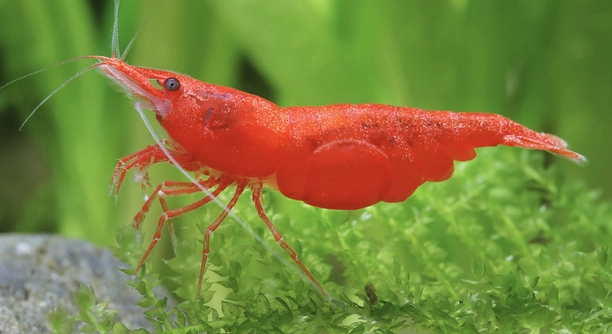
Shrimp are fascinating creatures that often capture the attention of aquarium enthusiasts. Their delicate movements and bright colors make them a joy to watch. Observing their behavior can reveal surprising patterns in how they interact with their surroundings.
Shrimp exhibit basic territorial behaviors, primarily driven by the need for shelter and food resources. They may defend specific areas within a tank, especially spaces that offer hiding spots or favorable conditions, but this territoriality is limited compared to larger, more complex animals.
Learning about shrimp territory can improve how you set up your aquarium and care for these small, intriguing creatures. Their interactions offer insight into the balance of aquatic life.
Understanding Shrimp Territorial Behavior
Shrimp are not aggressive by nature, but they do display certain behaviors to maintain a small area around them. This is usually tied to hiding spots, food, or a preferred section of the tank. In freshwater tanks, shrimp often claim spaces under rocks, plants, or decorations. Their territorial behavior is subtle, often consisting of gentle nudges or displays rather than outright fighting. These actions help them secure resources without risking injury. Territorial behavior can vary depending on the species and the number of shrimp sharing the tank. When space is limited, more disputes may occur, although they usually remain low-intensity. Observing these behaviors gives insight into their comfort levels and preferences. Creating a tank with multiple hiding spots reduces stress and allows shrimp to establish small areas they can defend. This promotes a healthier and calmer environment where shrimp can thrive and maintain natural behaviors.
Territorial behavior is most noticeable during feeding and molting periods, when shrimp are more protective of their space.
Providing a variety of shelters and ample space helps shrimp coexist peacefully. Monitoring interactions allows adjustments in tank setup to prevent stress. Recognizing these patterns also improves overall shrimp health, as they are less likely to experience injuries or prolonged stress. Overcrowding can lead to constant competition, so maintaining proper density ensures each shrimp has its own territory, even if small. By observing how shrimp choose and defend spaces, you can create an environment that mimics their natural tendencies, reducing conflict. Tank structure, plants, and hiding areas all influence territorial behavior. Even small changes, like moving a decoration, can alter how shrimp interact and claim areas. Being attentive to these patterns allows you to maintain balance within the tank and foster peaceful coexistence among the shrimp population.
Understanding the subtle ways shrimp mark and defend territory is key for any tank owner. Even slight adjustments in tank design or placement of objects can impact their comfort and interactions significantly. Monitoring shrimp behavior over time reveals preferences and avoids unnecessary conflicts, promoting a healthier, more natural setting.
Factors Influencing Shrimp Territory
Tank size and layout play a significant role in shrimp behavior. Limited space increases competition, while diverse structures reduce stress.
The physical environment heavily affects how shrimp establish and defend their territories. Shrimp use hiding places, plants, and substrate variations to create zones they feel secure in. A densely planted tank with multiple hiding spots allows multiple shrimp to coexist without frequent conflicts. Water quality and temperature also influence behavior; stressed shrimp are less likely to establish or defend spaces effectively. Feeding routines contribute as well—shrimp may guard areas around food sources temporarily. The presence of other tank inhabitants, such as fish, can further impact territorial behavior. Larger or more aggressive tankmates may push shrimp to adapt by seeking smaller, safer zones. Observing interactions helps identify which areas are favored and which may cause tension. By arranging the tank to include ample shelters, maintaining stable water conditions, and providing multiple feeding zones, you create an environment that accommodates natural shrimp behaviors. These adjustments reduce stress, allow natural territorial instincts, and support overall well-being in a shared aquatic habitat.
Signs of Territorial Behavior
Shrimp may push or chase others when protecting a hiding spot. They often patrol a small area consistently, especially near shelters.
Territorial shrimp frequently return to the same spaces, marking them by occupying the area for extended periods. They may display minor aggression, such as nudging or blocking other shrimp, rather than causing harm. Observing these patterns helps identify which spaces are most valued. Molting shrimp are especially vulnerable, and nearby individuals may avoid or approach cautiously, adjusting the dynamic temporarily. The consistent choice of areas and repeated behaviors indicates a basic form of territory, driven by safety and resource access rather than dominance.
Watching interactions during feeding times also highlights territory claims. Shrimp may guard food pieces or areas around algae wafers, ensuring they secure enough resources. Overcrowding can amplify these behaviors, while ample space reduces competition. Providing multiple feeding spots and scattered shelters allows shrimp to coexist without constant conflict, making territorial behaviors manageable and predictable. Careful observation ensures the tank setup supports peaceful interactions while respecting shrimp instincts.
Managing Territorial Shrimp
Providing multiple hiding spots reduces stress and competition among shrimp. Rocks, plants, and decorations create natural boundaries.
Adjusting tank layout encourages shrimp to establish separate areas. Adding dense plant clusters and small caves helps distribute them evenly, lowering the chance of disputes. Regular observation ensures no shrimp is being consistently displaced or stressed by others. Feeding strategies, such as scattering food, minimize competition and support coexistence. Maintaining stable water conditions further reduces tension, as stressed shrimp are more likely to behave aggressively or cling to a territory.
Overcrowding can intensify territorial behaviors, so controlling shrimp density is crucial. Strategic placement of shelters allows shy shrimp to retreat and recover without constant harassment. Rotating decorations occasionally can prevent stagnation and ensure each shrimp finds areas that suit their needs. Tank maintenance, including substrate cleaning and water quality monitoring, contributes to a balanced environment. With proper planning, shrimp can display natural behaviors safely, creating a peaceful and thriving aquarium. Consistent care and observation allow you to adjust as needed, promoting harmony while respecting territorial instincts.
Common Misunderstandings
Not all movement around the tank is territorial. Shrimp often explore or forage without defending a space.
Sometimes, what looks like aggression is simple curiosity or a reaction to food. Understanding these behaviors prevents unnecessary intervention and helps maintain a calm tank environment.
Observing Without Interference
Watching shrimp quietly allows you to distinguish natural exploration from territory defense. Frequent observation reveals patterns in space usage, feeding habits, and interactions. Over time, you can predict which areas shrimp prefer and how they respond to each other, allowing adjustments in tank layout and resources without disturbing their behavior.
Environmental Adjustments
Small changes in plant placement, decorations, or shelters can influence shrimp distribution. Adjustments help reduce tension and encourage peaceful coexistence.
FAQ
Can shrimp really recognize their own territory?
Shrimp do not have complex territorial recognition like larger animals, but they do tend to favor certain areas. They remember hiding spots or spaces near food sources and return to them consistently. This behavior is more about safety and resource access than true ownership.
Do all shrimp species show territorial behavior?
Not all species exhibit noticeable territorial tendencies. Some freshwater shrimp, like cherry shrimp, may display mild territory preference, while others are more social and freely share spaces. The degree of territorial behavior depends on the species, tank density, and available resources.
How can I tell if shrimp are stressed due to territory issues?
Shrimp showing stress may hide excessively, refuse food, or avoid certain areas. Molting may be delayed, and some individuals may appear lethargic. Overcrowding and limited hiding spots are common contributors to stress linked to territorial disputes.
Is aggression dangerous among shrimp?
Aggression among shrimp is usually minor, such as nudging or chasing. Serious injury is rare, as shrimp are small and delicate. Most territorial displays are defensive rather than offensive, aimed at securing a space rather than harming others.
How many hiding spots are enough for territorial shrimp?
The more hiding spots you provide, the less competition there will be. Rocks, plants, caves, and decorations help distribute shrimp throughout the tank. Even small shelters can reduce stress and allow each shrimp to feel secure in its own area.
Does feeding schedule affect territorial behavior?
Yes, feeding impacts how shrimp claim spaces. Shrimp often guard areas around food during and shortly after feeding. Scattering food in multiple locations helps minimize competition and reduces conflicts over resources.
Can tank size influence shrimp territoriality?
Absolutely. Small tanks increase competition, making territorial behaviors more noticeable. Larger tanks allow shrimp to spread out and establish small personal zones without frequent conflict, creating a calmer and more balanced environment.
Do tank mates affect shrimp territory?
Other inhabitants, especially larger or more aggressive fish, can push shrimp to adjust their preferred spaces. Stress from tank mates may limit shrimp movement and force them to compete for safe zones, affecting natural territorial behaviors.
Is it necessary to intervene in shrimp disputes?
Most of the time, intervention is unnecessary. Shrimp conflicts are usually minor and resolve on their own. Intervention is only required if injuries occur or if a particular shrimp is consistently stressed and unable to access hiding spots or food.
Can rearranging the tank reduce territorial disputes?
Rearranging plants, rocks, and decorations occasionally helps redistribute shrimp and reduces conflict. Creating multiple hiding spots and scattering shelters encourages shrimp to occupy separate areas, promoting peaceful coexistence while still allowing natural behaviors to occur.
Does molting affect territorial behavior?
Yes, molting shrimp are vulnerable and often retreat to safe spaces. Other shrimp may temporarily respect these areas, reducing direct interactions. Providing ample hiding spots ensures molting shrimp can recover safely without being harassed.
How do water conditions influence territory?
Stable water conditions are crucial. Poor water quality or fluctuating parameters increase stress, making shrimp more likely to cling to spaces or behave defensively. Maintaining proper temperature, pH, and cleanliness supports natural behaviors and reduces unnecessary disputes.
Can observation improve shrimp tank management?
Observing shrimp daily helps identify favored areas, territorial displays, and stress signals. Noticing patterns allows adjustments in tank layout, feeding methods, and shelter placement to create a balanced environment that respects their instincts.
Are juvenile shrimp territorial?
Juveniles generally show less territorial behavior than adults. They are more focused on growth and feeding. As they mature, they may begin claiming small areas, especially near safe hiding spots or resources.
Do shrimp communicate while defending territory?
Shrimp do not have vocal or visual communication like larger animals, but they use subtle body movements, postures, and nudges to indicate space preference. These small signals are usually enough to maintain boundaries without causing harm.
How long does a shrimp maintain a territory?
Territory is usually temporary and flexible. Shrimp may occupy a favored spot for days or weeks, but changes in tank conditions, molting, or new additions can cause them to relocate. It is more about convenience and safety than permanent ownership.
Can overcrowding be managed without reducing shrimp numbers?
Yes, adding more hiding spots, plants, and decorations can help mitigate overcrowding effects. Spreading shelters and resources evenly allows shrimp to establish small territories without direct conflict, improving overall tank harmony.
Does the substrate type affect territorial behavior?
Substrate impacts how shrimp move and find hiding spots. Fine gravel or sand allows burrowing or foraging, while larger rocks provide shelter. Variety in substrate encourages natural behaviors and supports the formation of multiple preferred zones.
Do shrimp ever share territories peacefully?
Yes, shrimp can tolerate each other in shared spaces if there are enough resources and hiding spots. They may coexist in close proximity with minimal conflict, especially in well-planned tanks with ample space and food distribution.
What is the best way to prevent territorial stress?
Provide a balanced combination of space, hiding spots, stable water conditions, and evenly distributed food. Regular observation ensures adjustments can be made before stress becomes a problem, allowing shrimp to exhibit natural behaviors safely.
Shrimp are small but fascinating creatures, and observing their behavior can reveal a lot about their instincts. Territorial behavior, while not as complex as in larger animals, is an important part of how shrimp interact with their environment. They tend to favor certain areas, often near hiding spots or food sources, and may display minor defensive behaviors to maintain these spaces. Understanding these tendencies helps create a tank that supports their natural instincts while minimizing stress. Even subtle movements or repeated choices of a particular area can indicate a shrimp’s preference for a certain space. By recognizing these patterns, you can ensure that each shrimp has access to safe zones and resources, making their environment more comfortable and predictable.
Creating a supportive habitat involves more than just providing a tank. The layout, decorations, and placement of plants all influence how shrimp establish their territories. Multiple hiding spots are crucial because they reduce competition and allow shrimp to retreat when needed, especially during vulnerable times such as molting. Water conditions also play a major role; stable temperature, pH, and cleanliness reduce stress and make shrimp less likely to cling aggressively to a single spot. Feeding routines can influence territorial displays as well, since shrimp often guard areas around food temporarily. Scattering food in different locations helps prevent unnecessary conflicts and allows shrimp to coexist peacefully. Observing shrimp behavior over time helps identify favored areas and potential points of tension, so adjustments can be made to create a balanced environment.
Respecting shrimp behavior and providing proper care allows them to thrive in a tank setting. Even though their territorial tendencies are limited, they still benefit from thoughtful tank design and careful management. Overcrowding or lack of resources can lead to stress, but with attention to shelter, space, and water quality, shrimp can maintain small, personal zones while living harmoniously. Observing them closely teaches how their natural instincts shape their interactions, from choosing hiding spots to gently defending resources. By applying these principles, a shrimp tank can become a calm, thriving habitat where natural behaviors are respected, stress is minimized, and each shrimp can feel secure in its surroundings.

Hello,
If you enjoy the content that we create, please consider saying a "Thank You!" by leaving a tip.
Every little bit helps us continue crafting quality advice that supports the health, happiness, and well-being of pets around the world, for pets of all shapes, sizes, and species.
We really appreciate the kindness and support that you show us!