
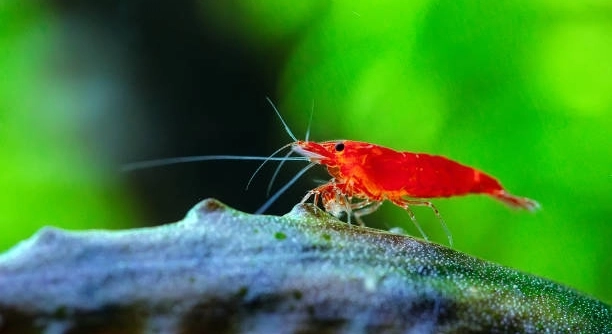
Have you ever noticed your shrimp gathering in the same corner of the tank, almost as if it is their favorite spot? Many hobbyists find themselves observing this behavior with quiet fascination. It seems consistent and intentional.
Shrimp often return to one area of the tank because it offers ideal conditions for comfort and safety. Factors such as water flow, temperature, hiding spots, and food availability influence their preference, making certain sections of the tank more attractive.
Learning why shrimp choose specific areas can improve tank design and care. These insights help create a more balanced, healthy environment for all your aquatic pets.
Preferred Tank Zones
Shrimp often pick specific areas in a tank because these zones meet their basic needs. They look for places with stable water conditions, gentle currents, and secure hiding spots. Moss, plants, or decorations provide shelter, which makes them feel safe. Areas with higher oxygen levels or slightly warmer water can also attract shrimp, as these conditions support their activity and metabolism. Food availability plays a role too. If one corner regularly collects leftover food, shrimp will naturally gather there. Over time, this behavior reinforces their preference for that zone. Observing these patterns can help you understand their habits. Adjusting tank features, like adding moss or moving food delivery points, can subtly influence where shrimp spend their time. Not all shrimp are the same; some are bolder and explore more, while others prefer staying close to cover. Recognizing these individual tendencies can improve tank management and ensure the shrimp remain comfortable and healthy in their environment.
Shrimp choose zones that meet comfort, safety, and resource needs. Water conditions and shelter are primary reasons they return repeatedly.
Understanding these zones helps in arranging tanks more effectively. By observing their behavior and tweaking placement of plants or food, the tank can support healthy shrimp activity while reducing stress.
Environmental Influences
Water temperature and flow affect shrimp movement. Even small variations can guide them to specific areas where conditions feel stable and secure.
Shrimp behavior is sensitive to environmental changes. Light levels, water quality, and the presence of other tankmates all contribute to where shrimp settle. Tanks with uneven flow or temperature differences often see shrimp favoring one side over another. Shadows from decorations or plants can create safe zones, while areas exposed to strong currents or bright lighting may be avoided. Chemical changes, such as pH or ammonia spikes, can also shift shrimp location quickly. Even feeding routines matter—shrimp learn where food is likely to appear and adjust their patterns accordingly. Observing their movement provides insights into water quality and tank health. Adjusting flow, temperature, or decorations can encourage more even distribution. This knowledge helps maintain balance, preventing overcrowding in one section and ensuring all shrimp have access to necessary resources. Careful attention to environmental cues improves shrimp wellbeing and enhances overall tank stability.
Feeding Patterns
Shrimp often return to one area because food consistently accumulates there. They learn where to find it and tend to stick close, maximizing energy efficiency and safety while eating.
Shrimp quickly adapt to predictable feeding locations. Leftover flakes, pellets, or biofilm gather in corners, under plants, or near decorations. Shrimp notice these spots and repeatedly visit them, reducing the need to explore the entire tank. Over time, these feeding habits reinforce their preference for specific areas. Even subtle changes in feeding frequency or location can shift their behavior, but once a spot is established as a reliable source of food, shrimp rarely stray far. Observation can reveal patterns in their movement and highlight areas where food naturally collects. Maintaining consistent feeding routines helps shrimp thrive while preventing overfeeding and waste accumulation.
These patterns also influence social interactions. Shrimp congregating in the same spot interact more, establish small hierarchies, and sometimes compete for limited food resources. Understanding these dynamics can guide feeding strategies and tank layout, promoting a balanced, stress-free environment.
Shelter and Safety
Shrimp gather in areas that offer the most protection from open space or potential threats. Dense moss, rocks, and decorations create secure zones for them to rest and molt safely.
Shelter plays a vital role in shrimp behavior. Molting is a vulnerable time, and shrimp seek out hiding spots to avoid aggression or stress. Even in peaceful tanks, shrimp feel safer in areas with cover. Dense vegetation, caves, and overhangs provide multiple layers of protection. These spaces allow shrimp to retreat quickly if startled and help maintain consistent groupings within the tank. Placement of shelters can shape traffic patterns, encouraging shrimp to use certain areas more frequently. Observing where shrimp hide reveals which zones feel safest, helping adjust tank design. Providing adequate shelters reduces stress, supports natural behaviors, and improves overall shrimp health.
Water Flow Preferences
Shrimp often favor areas with gentle water flow. Strong currents can tire them out or push them into less comfortable zones, so calmer spots become preferred resting and feeding areas.
Even small variations in current influence where shrimp gather. They naturally avoid fast-moving water and gravitate toward areas with mild flow, which allows them to conserve energy and explore safely.
Light and Shadow
Shrimp are sensitive to light intensity. Bright areas can feel exposed, while shaded regions offer comfort and security. They tend to spend more time under plants or decorations where light is diffused.
Tankmates and Interaction
The presence of other creatures affects shrimp location. Active or aggressive tankmates can push shrimp into safer corners, while peaceful companions allow them to explore more freely.
Shrimp adjust their activity based on who else is in the tank. Fast-moving fish or overly curious inhabitants make them retreat to hidden zones, while calm species let shrimp venture out. Tankmates indirectly influence feeding, social interactions, and stress levels. Understanding these dynamics helps create an environment where shrimp feel secure, balanced, and able to exhibit natural behaviors without constant disturbance.
FAQ
Why do shrimp always go back to one corner of the tank?
Shrimp return to familiar areas because these spots meet their basic needs. Gentle water flow, consistent temperature, available food, and hiding places all make certain zones more appealing. Over time, shrimp learn to associate these areas with comfort and safety, so they keep returning without exploring much.
Can changing the tank layout affect where shrimp gather?
Yes, altering decorations, plants, or hiding spots can shift shrimp behavior. Adding new shelters in another part of the tank or moving food locations can encourage them to explore different areas. However, shrimp may still favor spots that feel familiar or provide better protection. Gradual changes are usually more effective than sudden rearrangements.
Do shrimp prefer certain water temperatures in the tank?
Shrimp are sensitive to temperature differences, even small ones. Slightly warmer or stable areas are often favored because they support activity and metabolism. If one corner consistently maintains a more comfortable temperature, shrimp will naturally gather there while avoiding cooler or drafty zones.
Does the type of substrate matter for shrimp location?
Yes, substrate type can influence where shrimp spend most of their time. Fine gravel or sand is easier for foraging and less likely to trap them, while rough or sharp surfaces may be avoided. Shrimp often gather in areas where substrate supports natural behaviors like grazing on biofilm or sifting through particles.
How do hiding spots affect shrimp distribution?
Shrimp feel vulnerable during molting, so shelters are crucial. Moss, plants, or caves provide security, allowing shrimp to molt safely and rest without stress. Areas with more hiding spots naturally attract more shrimp, while open zones with little cover tend to be avoided. Ensuring multiple hiding options helps reduce overcrowding in one area.
Does light intensity change where shrimp go?
Yes, shrimp are sensitive to strong lighting. Bright areas can make them feel exposed, while shaded areas provide comfort. They often hide under plants, decorations, or driftwood where light is diffused. Adjusting light intensity and placement can influence shrimp movement and encourage more even tank exploration.
Can feeding patterns make shrimp stick to one area?
Absolutely. Shrimp quickly learn where food regularly appears. Leftover flakes, pellets, or biofilm accumulate in specific spots, creating a reliable source. Repeated visits reinforce these feeding habits, and shrimp may continue to return even if new food sources are introduced elsewhere. Consistent feeding routines help maintain healthy behavior.
Do tankmates affect where shrimp gather?
Yes, the presence of other fish or invertebrates can change shrimp behavior. Active or aggressive tankmates push shrimp into safer, hidden corners. Peaceful companions allow them to explore freely. Tankmates indirectly influence feeding, social interaction, and stress, making safe zones essential for shrimp wellbeing.
How can I encourage shrimp to explore more of the tank?
Adding new hiding spots, adjusting water flow, or slightly changing feeding locations can encourage exploration. Gradual adjustments work best, as shrimp prefer familiar areas. Providing multiple shelters and evenly distributed food encourages movement, reduces overcrowding, and ensures all shrimp have access to resources.
Do shrimp ever leave their preferred area voluntarily?
Yes, they may explore for food, social interaction, or environmental changes. However, they usually return to areas that feel safest or have the most resources. Observing their patterns helps in understanding their comfort zones and maintaining a balanced, healthy tank.
How often should I monitor shrimp behavior?
Regular observation is important to notice changes in movement, feeding, and interaction. Shifts in preferred zones can indicate water quality issues, illness, or stress. Monitoring daily or a few times a week ensures early detection of problems and helps maintain optimal tank conditions.
Can water quality affect shrimp clustering?
Yes, poor water quality can force shrimp to concentrate in areas with better oxygen levels or cleaner water. Ammonia spikes, low oxygen, or pH imbalances make them seek safe zones. Keeping water parameters stable across the tank helps distribute shrimp more evenly and keeps them healthy.
Do all shrimp behave the same way in a tank?
No, individual shrimp have different personalities. Some are bold and explore more, while others stay near hiding spots. Genetics, age, and previous experience affect their behavior. Understanding these differences helps in managing tank layout, feeding, and interaction to suit all shrimp.
Is it normal for shrimp to stay in one spot most of the time?
Yes, it is normal. Shrimp naturally prefer familiar, safe areas that meet their needs. As long as they are active, feeding, and molting properly, staying in one area is not a concern. Overcrowding or water issues, however, may change this pattern.
How can I improve tank design to encourage even distribution?
Evenly distribute plants, hiding spots, and food throughout the tank. Adjust water flow to create gentle currents in multiple areas. Providing multiple zones of comfort helps prevent overcrowding and encourages shrimp to use more of the tank. Observing shrimp behavior guides future adjustments.
What signs show shrimp are comfortable in their preferred area?
Active foraging, regular molting, and social interactions indicate comfort. Shrimp resting or hiding safely without signs of stress, such as lethargy or constant escape, show that the area meets their needs. Monitoring these behaviors helps maintain a stable, healthy environment.
Can I train shrimp to prefer a new area?
Yes, slowly introducing new shelters, food, or gentle water flow changes can encourage shrimp to adopt new areas. Repetition and consistency are key. Shrimp take time to learn, but gradual adjustments help them feel safe in previously unused zones.
Does tank size influence shrimp clustering?
Tank size affects distribution. Smaller tanks may see more concentrated clusters because space is limited, while larger tanks allow more choice and movement. Even in larger setups, shrimp still prefer zones with ideal conditions, making layout adjustments important to encourage balanced activity.
How long does it take for shrimp to settle in one area?
Shrimp often settle within days to weeks, depending on tank conditions and available resources. Once they identify safe, food-rich, and comfortable spots, these areas become their preferred zones. Observing early behavior helps anticipate long-term patterns and optimize tank setup.
Can I reduce stress by managing preferred areas?
Yes, maintaining clean, stable, and well-protected zones reduces stress. Providing multiple comfortable spots prevents overcrowding and ensures shrimp have choices. Stress-free environments support healthy molting, feeding, and social interaction, improving overall wellbeing and tank balance.
Final Thoughts
Observing shrimp behavior in a tank can be surprisingly revealing. When they keep returning to one area, it usually means the spot meets their needs for comfort, safety, and resources. Shrimp are sensitive creatures that respond to small changes in water flow, temperature, light, and hiding spots. By paying attention to their habits, you can understand how different aspects of the tank environment influence where they spend their time. This awareness makes it easier to create a setup that supports natural behavior and reduces stress, which is important for their health and longevity. It also helps in predicting their movement patterns, which is useful when planning feeding routines, maintenance, and tank arrangements.
Providing the right conditions in the tank is key to keeping shrimp happy. Areas with gentle currents, stable water parameters, sufficient shelter, and reliable food sources naturally attract them. Observing which zones they prefer can highlight what features are most important, helping you make small adjustments that improve their environment. For example, adding more plants or moss in a less-used corner might encourage exploration, while ensuring consistent food availability in multiple spots prevents overcrowding. These small changes can make a big difference in how evenly shrimp distribute themselves and how comfortable they feel throughout the tank. Paying attention to these details not only benefits shrimp but also helps maintain a balanced ecosystem within the tank.
Shrimp behavior reflects their needs, environment, and interactions with other tank inhabitants. They often return to familiar areas because these zones provide stability and predictability. While it is natural for them to favor certain spots, providing multiple comfortable zones ensures that all shrimp can find space for feeding, hiding, and resting. Understanding why shrimp prefer one area allows you to manage tank layout, water conditions, and feeding practices more effectively. This knowledge also helps in preventing stress, supporting natural behaviors, and ensuring long-term health. Observing, learning, and making thoughtful adjustments will help create a tank where shrimp feel secure, active, and balanced, allowing them to thrive in their aquatic home.

Hello,
If you enjoy the content that we create, please consider saying a "Thank You!" by leaving a tip.
Every little bit helps us continue crafting quality advice that supports the health, happiness, and well-being of pets around the world, for pets of all shapes, sizes, and species.
We really appreciate the kindness and support that you show us!