
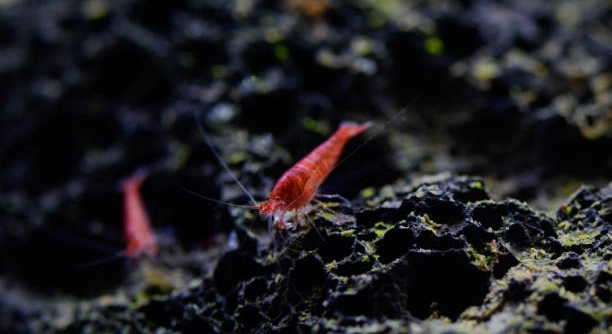
Are your cherry shrimp hiding in the corners of your tank, only appearing when no one is watching? Many aquarists notice these tiny creatures prefer staying in the shadows, leaving their vibrant colors largely unseen for long periods.
Cherry shrimp often remain hidden due to stress, environmental factors, or natural behavior patterns. High light levels, sudden changes in water conditions, or the presence of more aggressive tank mates can prompt them to seek shelter and avoid open areas.
Learning why your shrimp behave this way can help you create a more comfortable habitat and encourage them to explore their environment freely.
Common Causes of Hiding Behavior
Cherry shrimp often stay hidden because they feel unsafe or stressed in their environment. Bright lighting, sudden movements near the tank, or aggressive tank mates can make them retreat to corners or dense plant areas. Young shrimp, in particular, are prone to staying out of sight until they feel secure. Poor water quality can also play a major role. High ammonia or nitrite levels and low oxygen can make shrimp less active, prompting them to find shelter. Even minor temperature fluctuations can cause them to stay in shaded areas. Providing ample hiding spots like moss, driftwood, or plants gives them a sense of security. Overcrowding can also increase stress, so monitoring the number of shrimp and tank mates is crucial. Feeding patterns influence visibility as well. Shrimp may hide until food is introduced or until they perceive it is safe to move freely.
Shrimp often prefer shaded areas because it mimics their natural habitat and offers protection from perceived threats.
Observing your shrimp’s behavior closely can reveal patterns that explain their hiding. Some shrimp only emerge during feeding, while others are more active at night. Adjusting lighting levels, providing more plants, and ensuring stable water conditions can encourage them to explore more. Even slight changes, like adding a small rock or moss cluster, can give them confidence to move from shadows. Avoid sudden tank disturbances, and monitor water parameters consistently. By creating a calm, stable environment with enough cover, you will notice gradual increases in visibility and activity, allowing you to enjoy the colors and movements of your cherry shrimp.
Improving Visibility and Comfort
Adding plants and decorations can make shrimp feel safer and more willing to explore.
A few simple changes in the tank setup can greatly improve your shrimp’s comfort. Live plants such as Java moss or Anubias provide natural hiding spots while allowing shrimp to graze safely. Smooth rocks and driftwood create shelter without overcrowding, helping them feel secure. Maintaining stable water parameters is essential; monitor pH, temperature, ammonia, and nitrite levels to reduce stress. Feeding at consistent times also encourages shrimp to leave hiding areas gradually. Avoid aggressive tank mates and sudden lighting changes, as these can trigger retreat. By combining environmental enrichment with careful observation, you will see a steady improvement in their activity. Regularly checking water quality and gently interacting with the tank without abrupt movements further supports their confidence. Over time, your shrimp will move more freely, revealing their vibrant colors and natural behaviors. These steps create a balanced, comfortable habitat where they can thrive visibly.
Lighting and Tank Placement
Too much direct light can make cherry shrimp hide. They prefer dimmer areas or gentle, diffused lighting that mimics natural conditions. Positioning the tank away from windows or bright indoor lights can help them feel secure and reduce stress.
Adjusting the tank’s lighting schedule gradually can improve shrimp activity. Sudden changes in light intensity may startle them and cause prolonged hiding. Using floating plants or light-diffusing covers softens harsh light while creating shaded zones they can explore safely. Monitoring their reactions over a week or two will show whether the adjustments are helping, as shrimp slowly become more visible during feeding and active periods. Maintaining consistency in lighting helps them establish a routine and reduces anxiety caused by sudden environmental changes.
Placement within the room also affects their comfort. Tanks near heavy foot traffic or constant vibrations can trigger hiding behavior. Selecting a quiet, stable location supports natural activity. Avoid areas with frequent disturbances, as these can limit visibility and exploration. Even small adjustments, like shifting the tank slightly or rearranging decorations to create natural shelters, can increase confidence. Over time, shrimp will feel more secure moving through open spaces, gradually leaving shadows to forage and interact with the environment.
Water Quality Essentials
Stable water conditions are crucial for cherry shrimp well-being. Sudden changes in temperature, pH, or ammonia levels can stress them and make hiding more frequent. Regular testing helps maintain a healthy balance.
Frequent water changes and careful monitoring of parameters reduce stress-related hiding behavior. Shrimp are sensitive to nitrates and nitrites, so maintaining low levels is essential. A stable temperature range between 72-78°F ensures consistent activity. Proper filtration and aeration help maintain oxygen levels, preventing lethargy and retreat. Even minor fluctuations can discourage them from exploring the tank, so consistency is key. Observing shrimp behavior after water adjustments can indicate whether conditions are suitable, and prompt intervention prevents long-term stress.
Providing a stable, clean environment encourages natural behavior and more visible activity. Avoiding sudden water chemistry changes, using a reliable test kit, and performing partial water changes on a schedule helps maintain comfort. Combining these efforts with proper feeding routines and adequate hiding spots reinforces confidence. Monitoring both water parameters and shrimp behavior ensures a responsive approach, allowing you to address any emerging issues quickly. Over time, the shrimp will become more active and visible, demonstrating their natural curiosity while remaining healthy in the tank environment.
Diet and Feeding Habits
Cherry shrimp often remain hidden when they feel insecure about food availability. Offering small, frequent meals encourages them to leave shelters and forage without stress.
Variety in diet promotes activity. Providing algae wafers, blanched vegetables, and specialized shrimp pellets ensures they receive proper nutrition while motivating them to explore the tank.
Tank Mates Influence
Aggressive or fast-moving tank mates can make cherry shrimp retreat to hiding spots. Non-aggressive species reduce stress and improve visibility.
Breeding and Molting Behavior
During molting, shrimp are especially vulnerable and hide to protect themselves. Adequate calcium and stable water conditions support successful molts.
Seasonal and Environmental Changes
Changes in temperature, light, or water parameters can trigger hiding. Maintaining stable, predictable conditions helps shrimp feel secure and remain active in the tank.
FAQ
Why do my cherry shrimp hide most of the time?
Cherry shrimp hide primarily due to stress or insecurity in their environment. Bright lights, sudden movements, aggressive tank mates, or unstable water conditions can make them retreat. Providing dense plants, moss, and small hiding spots encourages them to feel safe and gradually explore more of the tank.
Can lighting affect shrimp behavior?
Yes, intense or direct lighting can make shrimp seek shade. Using softer, diffused light or floating plants to create shaded areas helps them feel comfortable. Gradually adjusting light levels allows shrimp to acclimate without causing prolonged hiding.
Do tank mates cause shrimp to hide?
Fast or aggressive fish can trigger hiding behavior. Choosing peaceful, small tank mates reduces stress. Shrimp feel safer and more confident when they are not constantly threatened, which improves their visibility.
How often should I feed my shrimp?
Small, frequent meals are ideal. Overfeeding can pollute the water, while infrequent feeding can make shrimp hesitant to leave hiding spots. Offering a mix of algae wafers, blanched vegetables, and shrimp-specific pellets encourages natural foraging behavior.
Does water quality impact their hiding?
Absolutely. Sudden changes in pH, ammonia, or temperature can stress shrimp and make them retreat. Regular testing, partial water changes, and maintaining stable conditions help them feel secure and more active.
Why do shrimp hide during molting?
Molting makes shrimp vulnerable, so they instinctively hide to protect themselves. Adequate calcium, minerals, and stable water parameters support healthy molts and reduce stress. Providing plenty of hiding spots during this period is essential.
Can young shrimp be more secretive than adults?
Yes, juveniles are naturally more cautious. They tend to hide more often until they feel safe. Dense vegetation and small shelters give them protection while they grow and gain confidence.
Does tank placement matter?
Yes, tanks in high-traffic areas or near vibrations can make shrimp skittish. Placing the tank in a quiet, stable spot reduces stress and encourages them to venture into open areas more frequently.
How long does it take for shrimp to adjust to a new tank?
Adjustment depends on tank conditions and environment stability. Most shrimp begin exploring within a week if hiding spots, stable water parameters, and low stress are provided. Gradual acclimation is key to their comfort.
Will adding more plants help?
Yes, additional plants and moss create natural hiding zones and grazing areas. This reduces stress, encourages exploration, and supports natural behaviors. Over time, shrimp feel secure enough to leave shadows more often.
Can seasonal changes affect their behavior?
Yes, changes in room temperature or lighting during different seasons can make shrimp hide more. Maintaining consistent temperature, light schedules, and water parameters helps reduce seasonal stress and keeps them active year-round.
Are there signs my shrimp are unhealthy instead of just shy?
Yes, lethargy, discoloration, or unusual floating may indicate health problems rather than hiding behavior. Regular observation, proper water quality, and a balanced diet help prevent illness and stress-related retreating.
How can I encourage more visible behavior?
Provide gentle lighting, stable water conditions, plentiful hiding spots, and peaceful tank mates. Consistent feeding routines and small environmental adjustments gradually build confidence, making shrimp more active and visible in the tank.
Do shrimp prefer certain plants over others?
Yes, mosses like Java moss and small leafy plants offer secure grazing and hiding areas. Shrimp use these plants for protection, foraging, and molting support, which encourages movement outside shadows.
Is overcrowding a factor in hiding?
Overcrowding increases stress and competition for food and hiding spots, making shrimp more likely to stay hidden. Monitoring tank population and ensuring adequate space for each shrimp improves visibility and comfort.
Can water movement affect them?
Strong currents can scare shrimp and reduce their willingness to leave hiding spots. Gentle filtration and calm areas allow them to explore safely without feeling threatened.
Do shrimp hide at night?
Many shrimp are naturally more active during low-light periods. Hiding during the day and emerging at night is common behavior, reflecting their instinctive preference for shaded, protected environments.
Should I worry if shrimp rarely leave hiding spots?
Consistently hiding shrimp may indicate stress, poor water quality, or unsuitable tank conditions. Assessing light, water parameters, tank mates, and available shelters helps determine if changes are needed to improve their comfort.
Can adding floating plants help reduce hiding?
Yes, floating plants diffuse light and create shaded areas. This gives shrimp more confidence to move around, forage, and display natural behaviors without feeling constantly exposed.
Do feeding times influence visibility?
Yes, shrimp are more likely to leave hiding spots during feeding. Regular, predictable feeding schedules encourage them to explore, graze, and interact with the environment more consistently.
How can I tell if hiding is normal or a problem?
Occasional hiding is natural, especially during molting or stressful periods. Prolonged hiding, combined with inactivity, discoloration, or loss of appetite, suggests environmental or health issues that require attention.
Are shrimp more likely to hide in new tanks?
Yes, new environments can be intimidating. Providing plenty of hiding spots, gentle lighting, and stable water conditions helps shrimp acclimate more quickly and reduces prolonged hiding.
Do shrimp interact with each other while hiding?
They may stay near each other for security but generally minimize movement to avoid attention. Dense vegetation or moss allows for safe interaction without exposing them to perceived threats.
Can changing decorations affect hiding?
Yes, rearranging plants or ornaments can temporarily increase hiding. Gradual changes and maintaining familiar shelters help shrimp adjust without prolonged stress.
Does tank size impact hiding behavior?
Smaller tanks with limited hiding spots can increase stress and encourage hiding. Larger tanks with varied environments and plants provide security, promoting exploration and natural behavior.
Are shrimp more sensitive than other aquarium species?
Cherry shrimp are highly sensitive to light, water quality, and tank disturbances. Their natural instinct to hide is stronger than many fish, so providing careful, consistent care ensures comfort and visibility.
How often should I observe them?
Daily observation helps track behavior, health, and environmental conditions. Monitoring allows early detection of stress or health issues, making it easier to maintain an environment where shrimp feel secure.
Can I combine multiple strategies to reduce hiding?
Yes, addressing light, tank mates, water quality, diet, and hiding spots together is most effective. Small, consistent adjustments create a secure, comfortable habitat that encourages shrimp to explore naturally and stay visible.
Will shrimp eventually stop hiding completely?
Some degree of hiding is natural, but with proper care and environment, shrimp will spend more time visible, foraging, and displaying natural colors and behaviors. Patience and consistent conditions are key to increasing their comfort and activity levels.
Final Thoughts
Cherry shrimp are naturally cautious creatures, and their tendency to stay in the shadows is often a reflection of their instincts rather than a sign of a problem. They have evolved to protect themselves from potential threats, so hiding is a normal behavior. Observing shrimp quietly can give insight into their comfort level, feeding patterns, and interactions with tank mates. Creating an environment that balances open spaces with ample hiding spots helps them feel secure while still allowing for natural exploration. Consistency in tank conditions is essential. Sudden changes in light, temperature, or water quality can disrupt their sense of security, prompting longer periods of hiding. Even small adjustments, such as adding moss or gentle lighting, can make a noticeable difference in how often shrimp feel confident enough to leave their shelters.
Water quality plays a critical role in reducing hiding behavior. Maintaining stable pH, ammonia, nitrite, and nitrate levels ensures the shrimp remain healthy and active. Regular partial water changes help keep the environment safe while reducing stress. Temperature consistency is equally important, as even minor fluctuations can make shrimp more likely to retreat. Providing a balanced diet encourages foraging and exploration. Offering a mix of algae, blanched vegetables, and specialized shrimp food ensures proper nutrition while giving shrimp reasons to venture into open areas. Tank mates should also be chosen carefully. Aggressive or fast-moving fish can cause shrimp to hide more frequently. Selecting peaceful, slow-moving species creates a calmer environment, allowing shrimp to display natural behaviors without feeling threatened. Observing interactions within the tank can reveal which elements of the setup may need adjustment to promote visibility and comfort.
Patience is a key factor when working to reduce hiding behavior. Shrimp often take time to adjust to new environments, and pushing them out of hiding too quickly can increase stress. Gradual changes, including rearranging decorations, introducing new plants, or adjusting light levels, help them gain confidence at their own pace. Even when shrimp remain partially hidden, they are still active and engaging with their environment in subtle ways. Over time, as they become accustomed to the tank setup and daily routines, they are likely to spend more time visible, foraging, and interacting with their surroundings. Providing a consistent, stable, and enriched environment not only supports their health but also enhances the enjoyment of watching their colors and behaviors. With careful observation, attention to tank conditions, and thoughtful adjustments, cherry shrimp can gradually emerge from the shadows and thrive in a secure, well-maintained habitat.

Hello,
If you enjoy the content that we create, please consider saying a "Thank You!" by leaving a tip.
Every little bit helps us continue crafting quality advice that supports the health, happiness, and well-being of pets around the world, for pets of all shapes, sizes, and species.
We really appreciate the kindness and support that you show us!